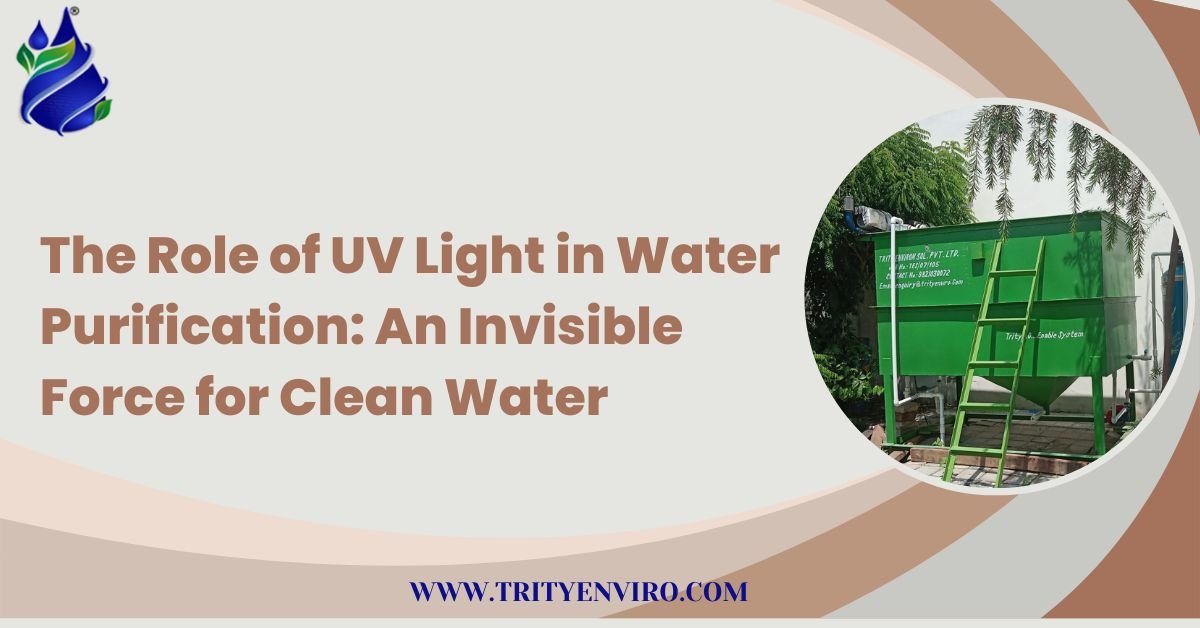
The Role of UV Light in Water Purification: An Invisible Force for Clean Water
UV light disinfects water by eliminating harmful microorganisms, ensuring safe, chemical-free drinking water. A fast, eco-friendly, and effective purification method.

 ISO 9001:2015 & QCI Approved
Zero Liquid Discharge isn't a single piece of equipment, it's a sequence of stages that progressively concentrate wastewater until literally nothing liquid is left to discharge. Here's exactly how that sequence works.
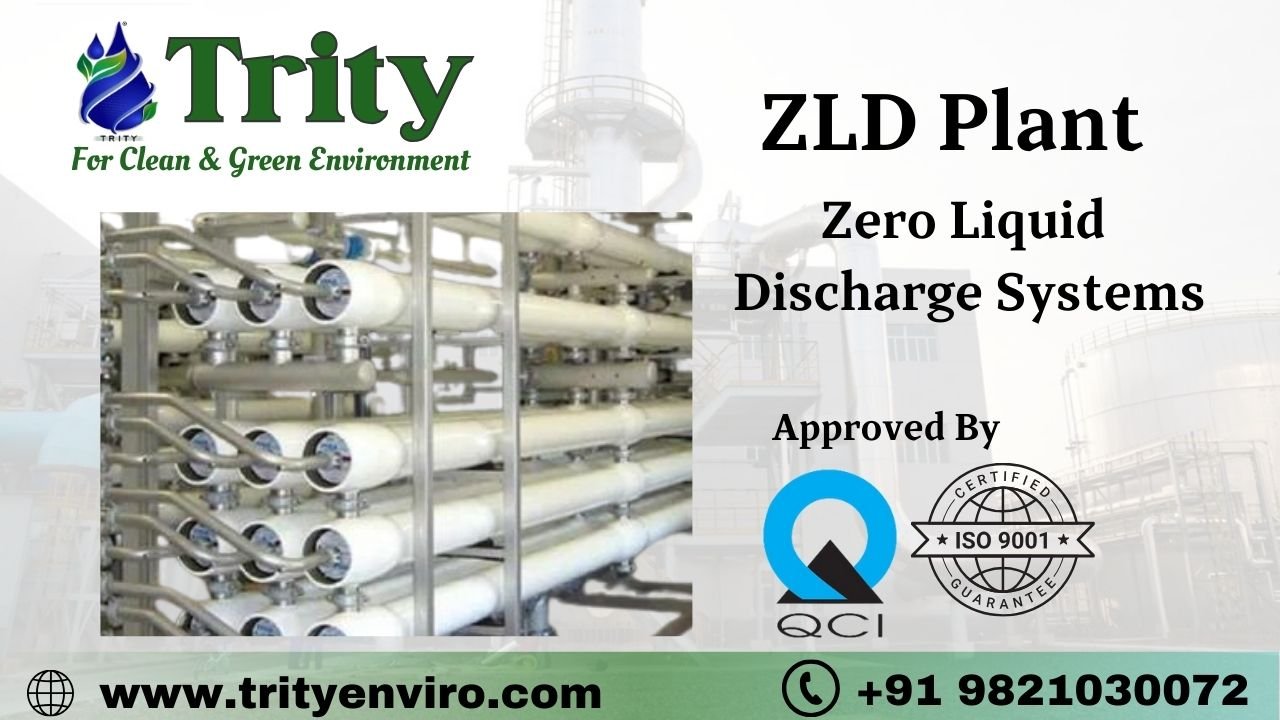
Zero Liquid Discharge (ZLD) is a wastewater management strategy designed for maximum recovery of water from a source that would otherwise be discharged, leaving only a small volume of solid waste behind. Unlike conventional treatment, which cleans wastewater to a compliant standard and then releases it, ZLD is built around eliminating the discharge itself.
The underlying idea is straightforward, even if the engineering behind it isn't:
Every ZLD system starts by removing whatever would interfere with the more sensitive stages downstream:
Before the energy-intensive thermal stages begin, membrane technology does as much of the volume reduction as possible, since it's far cheaper per litre than evaporation:
This is where the remaining water genuinely leaves the liquid phase:
The last stage takes the concentrated stream past its saturation point, forcing dissolved solids to precipitate out as solid crystals:
The condensate collected during evaporation is the primary product of a ZLD system, not a byproduct:
The solids left after crystallization aren't automatically waste, depending on their composition:
Several converging pressures are driving ZLD adoption beyond just regulatory mandate:
Taken together, these pressures explain why ZLD has moved from a niche, compliance-driven technology to something increasingly treated as a strategic operational decision. An industry facing all four pressures simultaneously, tight water supply, tightening regulation, viable resource recovery, and rising disposal risk, often finds the ZLD business case considerably stronger than looking at any single driver in isolation would suggest.
ZLD's benefits come with a genuine cost that any facility considering it needs to plan for honestly:
This is precisely why ZLD system design is described as custom rather than off-the-shelf. Two facilities with the same daily wastewater volume but different contaminant profiles can end up with meaningfully different ZLD configurations, since components like calcium, ammonium, and certain heavy metal salts are genuinely difficult to crystallize through evaporation alone and may need additional treatment techniques folded into the overall design before the process reaches its final crystallization stage.
| ZLD Process Stage | Primary Technology | What It Achieves |
|---|---|---|
| Pretreatment | Filtration, flocculation, pH adjustment | Protects downstream membranes and evaporators |
| Concentration | Ultrafiltration, nanofiltration, reverse osmosis | Reduces volume before thermal treatment |
| Evaporation | Multi-effect distillation, mechanical vapor compression | Removes remaining water as recoverable condensate |
| Crystallization | Forced circulation or cooling crystallizers | Converts dissolved solids into dry, disposable solids |
Trity Environ Solutions is an experienced effluent treatment plant manufacturer in India, with the engineering capability to design and integrate complete Zero Liquid Discharge systems, from pretreatment through crystallization, tailored to your specific wastewater composition. As a trusted ZLD and ETP manufacturer, our team evaluates whether resource recovery, energy-efficient evaporation technology, and proper solids handling genuinely fit your facility's economics before recommending a system design.
Every effluent treatment plant we deliver is backed by pan-India Annual Maintenance Contract and operation and maintenance support. We are ISO 9001:2015 certified, QCI approved, and deliver CPCB-compliant engineering across industrial projects nationwide.
Considering Zero Liquid Discharge for your facility's wastewater management? Call +91-9821030072 or email enquiry@trityenviro.com, or request a free feasibility assessment from our engineering team.
ZLD is a wastewater management strategy designed to recover nearly all water from a wastewater source for reuse, eliminating liquid discharge entirely by concentrating pollutants into a manageable solid rather than releasing treated water into the environment.
A ZLD system typically moves through four stages: pretreatment (removing particles and adjusting pH), concentration (using membrane technology and reverse osmosis), evaporation (removing most remaining water as recoverable condensate), and crystallization (converting dissolved solids into dry solid waste).
Well-designed ZLD systems commonly recover 90% or more of the original feed water volume as clean condensate suitable for reuse in industrial processes or cooling applications.
Yes, depending on the wastewater's composition. Recoverable materials can include potassium sulfate, caustic soda, sodium sulfate, gypsum, and in specialized applications, even lithium, though not every waste stream yields commercially recoverable solids.
Energy intensity. The evaporation and crystallization stages require substantial heat energy, making ZLD systems considerably more expensive to operate than conventional discharge-based treatment, which is why technology choice at the evaporation stage significantly affects overall cost.
UV light disinfects water by eliminating harmful microorganisms, ensuring safe, chemical-free drinking water. A fast, eco-friendly, and effective purification method.

Explore how nanotechnology boosts ETP membranes in wastewater treatment, enhancing efficiency while addressing environmental risks and sustainability.
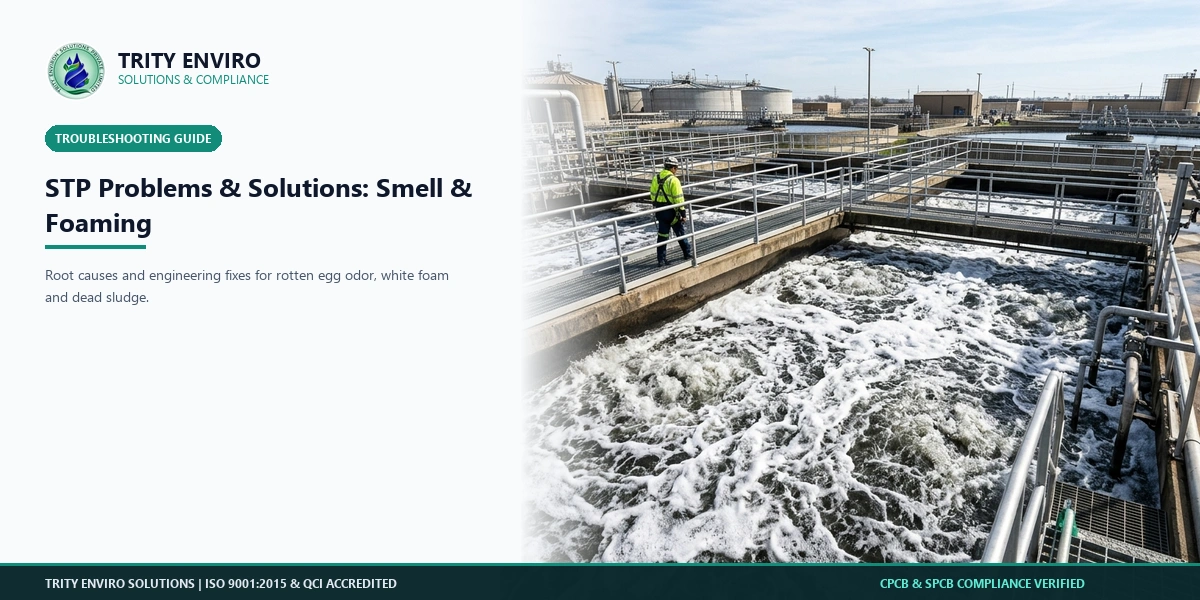
Fix common STP problems: foul smell, foaming, sludge bulking, low DO, rising sludge and turbid outlet. Causes, quick tests and corrective actions explained.

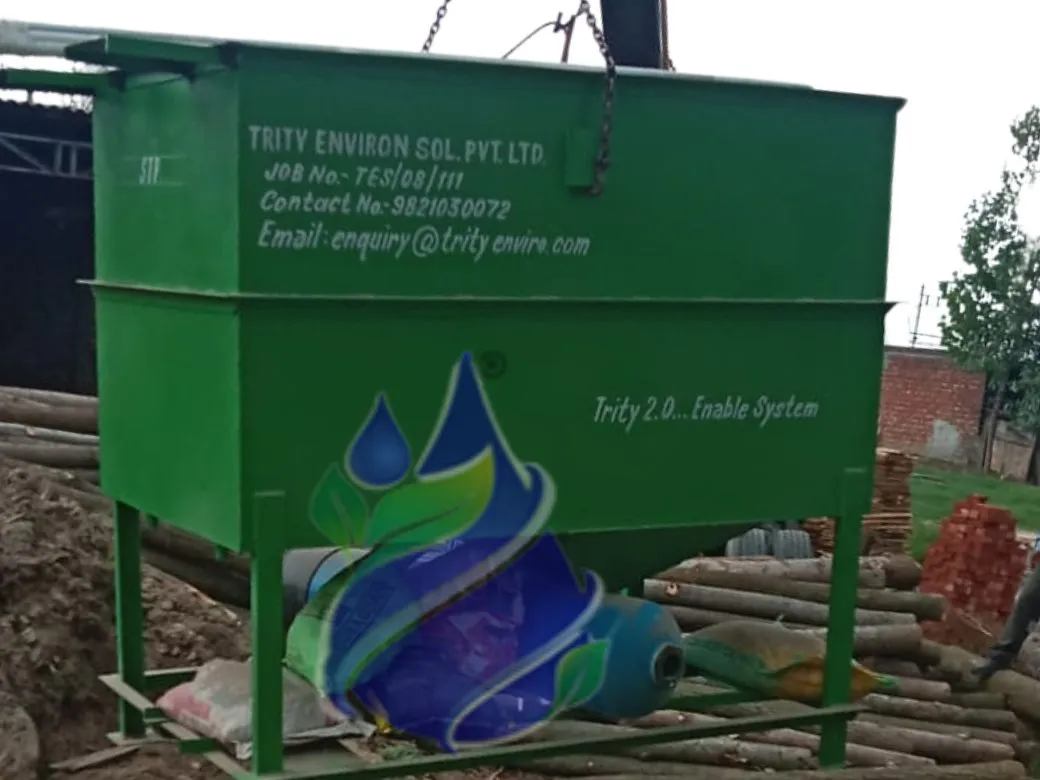


Discuss your requirements with our engineering team and get practical guidance for your project.