The Real Benefits of Installing a Sewage Treatment Plant
Real, measurable benefits of a sewage treatment plant: environmental, public health, economic, and resource recovery advantages, with data.

 ISO 9001:2015 & QCI Approved
Rising water contamination and shrinking groundwater have turned commercial RO water plants into one of India's more accessible manufacturing businesses. Here's the real, step-by-step path from idea to a running plant.

Groundwater pollution and unsafe drinking water sources have become genuine health hazards across much of India. This has created steady, growing demand for purified water in residential areas, offices, hotels, and institutions.
A commercial RO water plant turns this demand into a scalable business. Here's what actually goes into building one, step by step.
Before any investment, study the local water situation directly. Look for:
A brief door-to-door or phone survey of potential bulk customers, asking what they currently pay for water supply and how satisfied they are with reliability, often reveals pricing headroom and service gaps that generic market reports never show.
A commercial RO plant needs specific site conditions to run smoothly:
A location surrounded by adequate raw material and utility access also matters for day-to-day operations, since a plant located far from its water source, packaging suppliers, or distribution routes accumulates hidden logistics costs that erode margin steadily over time, even when the core production economics look sound on paper.
Selling purified water legally in India requires several approvals, not just an RO machine:
Skipping any of these can mean the business can't legally sell its product, no matter how well the plant itself runs.
RO plant investment scales directly with output capacity, measured in Litres Per Hour (LPH):
Capacity should be based on realistic projected demand from your market research, not just what fits the available budget.
Beyond the RO plant itself, a functioning commercial operation needs:
The pretreatment stage deserves particular attention, since it's the single factor most likely to be underspecified by first-time buyers trying to save on initial cost. Feed water carrying high turbidity, iron, or hardness without adequate pretreatment shortens membrane life dramatically, turning a modest upfront saving into a much larger membrane replacement bill within the first year of operation.
The main revenue sources for a commercial RO water plant are:
Profit margins for a well-run commercial RO water plant typically fall between 30-40%, though this depends heavily on operational efficiency and local market conditions. Daily revenue for a moderately sized operation can range from roughly Rs 4,500 to Rs 8,000.
After deducting electricity, labour, transportation, and maintenance, monthly profit commonly ranges from Rs 40,000 to Rs 1,50,000 depending on scale. Most well-planned setups recover their initial investment within 2-3 years.
Each of these mistakes tends to compound the others. A plant sized too small on a tight budget, for instance, often also skips proper pretreatment to save further cost, which then shortens membrane life and increases the very repair expense the entrepreneur was trying to avoid in the first place.
A commercial RO water plant business rarely stays at its original capacity for long if it's succeeding. Planning for growth from the outset avoids a costly rebuild later:
The table below summarizes how capacity, target market, and investment level typically align for a new commercial RO water plant business, useful as a starting reference before your own site-specific market research.
| Target Market | Typical Capacity Needed | Key Consideration |
|---|---|---|
| Local jar water supply | 500-1,000 LPH | Distribution radius and delivery logistics |
| Hotels and institutions | 1,000-5,000 LPH | Consistent bulk supply contracts |
| Residential societies | Sized to resident count | Reliable peak-hour delivery |
| Packaged bottled water | 1,000+ LPH with packaging line | Branding and retail distribution |
Trity Environ Solutions is an experienced commercial RO plant manufacturer in India, helping entrepreneurs choose the right capacity and configuration based on actual raw water quality and target market, not a generic package. As a trusted RO plant manufacturer and supplier, we support new business owners through site assessment, equipment selection, and installation, avoiding the common capacity and quality mistakes that derail new ventures.
Every plant we deliver is backed by pan-India Annual Maintenance Contract and operation and maintenance support. We are ISO 9001:2015 certified, QCI approved, and deliver CPCB-compliant engineering nationwide.
Get in touch with our engineering team for site assessment, equipment selection, and project cost estimates.
Real, measurable benefits of a sewage treatment plant: environmental, public health, economic, and resource recovery advantages, with data.

Explore how modern wastewater treatment plants contribute to urban sustainability, water reuse, pollution reduction, and climate change mitigation for greener cities.
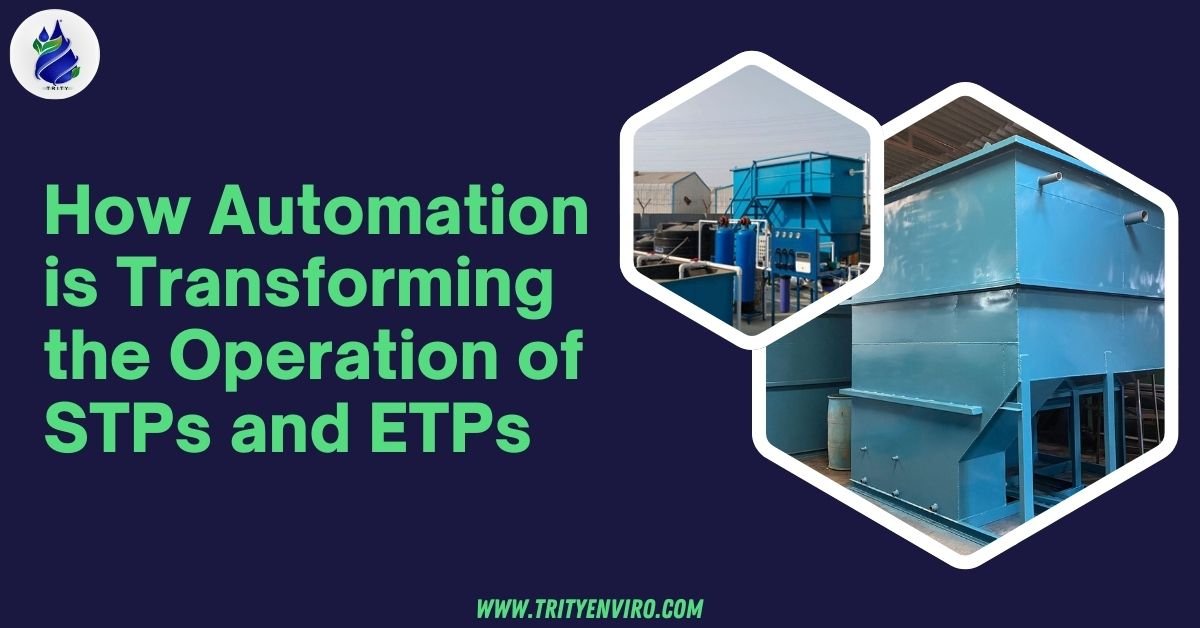
Discover how automation enhances the performance of STPs and ETPs with smart sensors, predictive maintenance, and machine learning for better wastewater management.











Discuss your requirements with our engineering team and get practical guidance for your project.

