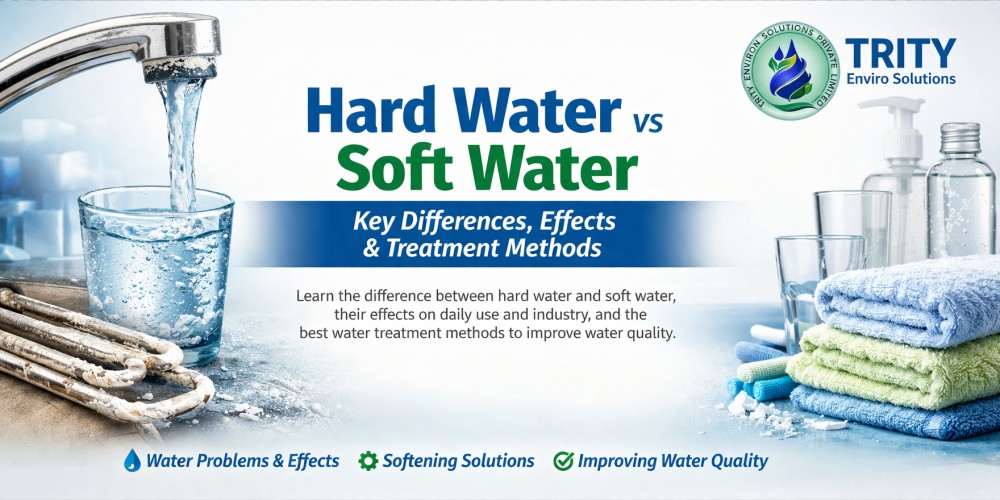
Introduction to Hard Water vs Soft Water
Water quality directly impacts daily life, industrial efficiency, and long-term system performance. One of the most important factors affecting water quality is hardness. The difference between hard water vs soft water influences cleaning efficiency, appliance lifespan, and operational costs.
Many households and industries face issues due to hard water without fully understanding the cause. By learning how water hardness works and how to treat it, you can improve water quality and prevent costly damage.
What is Hard Water?
Hard water contains high concentrations of dissolved minerals, mainly calcium and magnesium. These minerals enter water naturally when it flows through limestone, chalk, or gypsum deposits.
Although hard water is safe for drinking, it creates multiple operational challenges. It reduces soap efficiency, leaves residue on surfaces, and forms limescale inside pipes and equipment. Over time, this leads to increased maintenance costs and reduced system performance.
Common Characteristics of Hard Water
- High calcium and magnesium content
- Poor soap lather formation
- White scale deposits on fixtures
- Reduced efficiency of detergents
- Scaling in pipes and appliances
Industries often require water hardness treatment solutions to maintain equipment efficiency and avoid downtime.
What is Soft Water?
Soft water contains very low levels of calcium and magnesium, making it more suitable for cleaning and industrial applications. It allows soaps and detergents to work efficiently and prevents mineral buildup.
Soft water is either naturally available or produced through water softening methods such as ion exchange or reverse osmosis systems. It improves cleaning performance and extends the lifespan of plumbing systems and appliances.
Key Features of Soft Water
- Low mineral content
- Easy soap lather formation
- No scale or mineral deposits
- Improved cleaning efficiency
- Better performance in industrial systems
Because of these benefits, soft water is widely preferred in both residential and industrial settings.
Hard Water vs Soft Water: Key Differences
The main difference between hard water vs soft water lies in mineral content and its impact on usage. Hard water contains high mineral levels that cause scaling and reduce efficiency. Soft water, on the other hand, enhances cleaning performance and protects systems.
Hard water leaves deposits on fixtures and inside appliances, while soft water prevents such buildup. This difference significantly affects washing machines, water heaters, pipelines, and industrial processes. Understanding this distinction helps in selecting the right water treatment solutions.
Problems Caused by Hard Water
Hard water may not harm health, but it creates serious operational challenges. The most common issue is limescale formation, which builds up in kettles, boilers, and pipelines.
Over time, this buildup restricts water flow and reduces heating efficiency. In industrial settings, untreated hard water increases maintenance costs and shortens equipment lifespan. It also reduces detergent effectiveness, leading to higher consumption of cleaning agents.
Effective Methods for Water Hardness Treatment
To address hard water problems, industries and households use advanced water treatment solutions designed to remove dissolved minerals and improve water quality.
Common Water Softening Methods
- Ion exchange systems replace calcium and magnesium with sodium ions
- Reverse osmosis plants remove dissolved minerals using membranes
- Industrial RO systems provide large-scale purification
- Water treatment plants ensure consistent water quality
The choice of method depends on water hardness levels, usage requirements, and system scale.
Why Water Treatment Solutions are Important
Implementing proper water hardness treatment improves efficiency and reduces long-term costs. It prevents scaling, enhances cleaning performance, and ensures smooth industrial operations.
In industrial environments, treated water protects machinery and improves productivity. In households, it enhances daily usability and reduces maintenance issues. Investing in the right system ensures sustainable water management.
Conclusion: Choosing Between Hard Water and Soft Water
Understanding the difference between hard water vs soft water helps in making informed decisions about water usage and treatment. Hard water causes scaling, inefficiency, and maintenance challenges, while soft water improves performance and system longevity.
By using the right water softening methods and treatment technologies, you can enhance water quality, protect infrastructure, and reduce operational costs. Effective water management is essential for both residential comfort and industrial success.
Frequently Asked Questions (FAQs)
What is the main difference between hard water and soft water?
Hard water contains high levels of calcium and magnesium, while soft water has very low mineral content.
Is hard water harmful to health?
Hard water is generally safe to drink but may cause operational and maintenance issues.
How can hard water be treated?
Hard water can be treated using ion exchange systems, reverse osmosis plants, and water softeners.
Why is soft water preferred?
Soft water improves cleaning efficiency, prevents scaling, and extends appliance lifespan.
Which industries require water hardness treatment?
Industries like textiles, pharmaceuticals, food processing, and power plants require water treatment systems.
Need Reliable Water Treatment Solutions?
If you are facing issues with hard water, scaling, or poor water quality, choosing the right system is critical. Trity Enviro Solutions provides advanced water treatment solutions, including RO plants, effluent treatment plants, and sewage treatment systems.
Our solutions are designed for efficiency, durability, and long-term performance.
Contact Trity Enviro Solutions today to improve your water quality and system efficiency.