Membrane Bioreactors: Combining Biological Treatment with Filtration
Discover how membrane bioreactor systems enhance wastewater treatment, reduce sludge, and support water reuse with compact, high-efficiency technology.

 ISO 9001:2015 & QCI Approved
Learn the 5 fundamental principles of wastewater treatment: physical, chemical, biological, tertiary treatment, and disinfection. Discover how sewage treatment plants work to protect the environment.

Did you know that untreated wastewater can spread over 50 different diseases and severely damage aquatic ecosystems within days?
Yet, every drop of wastewater goes through a scientifically designed treatment process before being safely discharged or reused.
In this guide, you'll understand the 5 basic principles of wastewater treatment in a simple and practical way—whether you're a student, engineer, or business owner.
The 5 basic principles of wastewater treatment are physical treatment, chemical treatment, biological treatment, tertiary treatment, and disinfection. These stages work together to remove solids, dissolved pollutants, organic matter, and harmful pathogens, making water safe for discharge or reuse.
| Stage | Purpose | Removes |
|---|---|---|
| Physical | Remove solids | Debris, sand, particles |
| Chemical | Remove dissolved matter | Metals, phosphorus |
| Biological | Break organic matter | BOD, COD |
| Tertiary | Advanced purification | Nutrients, micro-pollutants |
| Disinfection | Kill pathogens | Bacteria, viruses |
What It Does: Physical treatment removes large debris and solid particles before more detailed treatment processes begin.
The first stage of wastewater treatment is like a preliminary cleanup—getting rid of the most obvious contaminants so that sensitive equipment downstream doesn't get damaged.
Learn more about sewage treatment plants used in modern facilities.
Screening
Grit Removal
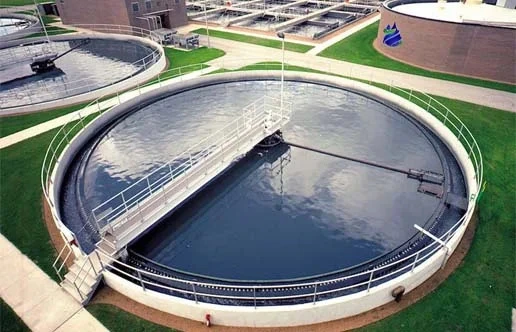
Sedimentation
Why It Matters: Physical treatment protects expensive equipment downstream and improves the efficiency of all subsequent treatment stages. It's the first line of defense in wastewater treatment.
What It Does: Chemical treatment removes dissolved substances and fine particles that physical processes cannot capture.
After physical treatment removes the bulk of solids, many dissolved pollutants remain suspended in the water. These require chemical reactions to remove effectively.
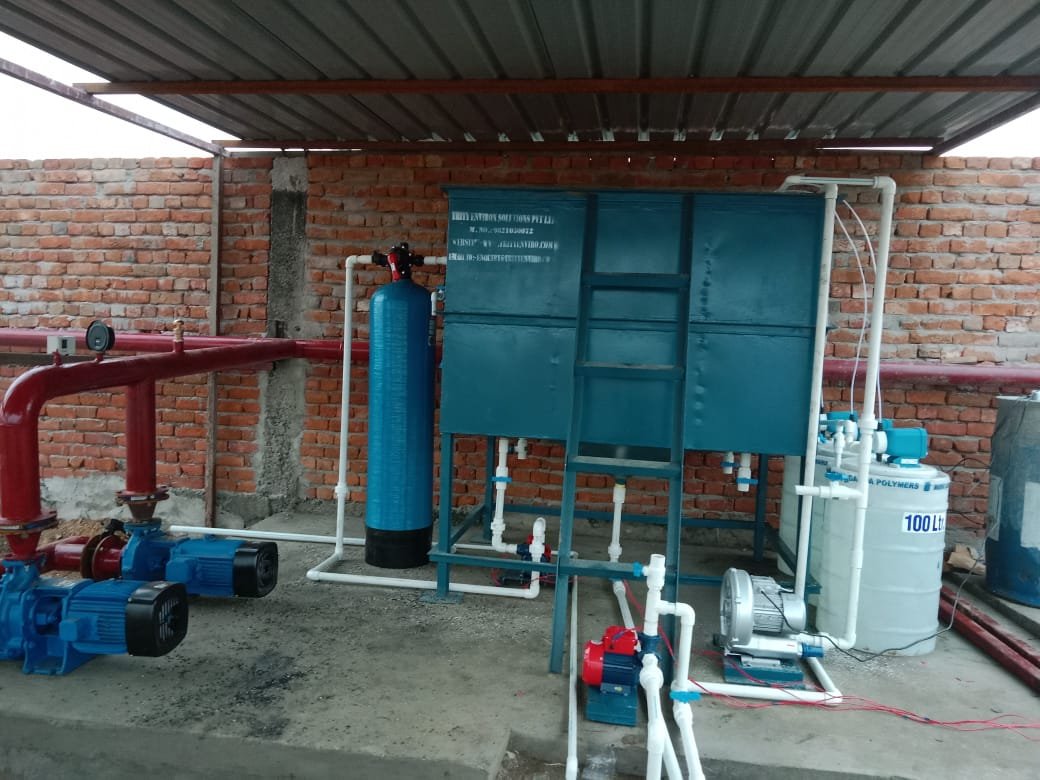
Explore professional effluent treatment solutions for industrial applications.
Chemical treatment uses coagulants—special compounds that cause tiny particles to clump together, making them easier to remove. The process happens in three steps:
Chemical treatment effectively removes:
Industry Variation: Different industries require different chemical approaches. A food processing facility might need entirely different treatment chemicals than a pharmaceutical manufacturer.
What It Does: Biological treatment uses living microorganisms to break down organic matter in wastewater.
Read detailed working of biological wastewater treatment systems.
This stage is where the real magic happens. Naturally occurring bacteria, fungi, and other microorganisms consume the organic pollutants in wastewater, breaking them down into simpler, non-toxic compounds.
Aerobic Treatment (Oxygen Present)
Anaerobic Treatment (No Oxygen)
Treatment operators carefully control:
Why It's Effective: Biological treatment removes the bulk of biodegradable organic matter. It's why wastewater treatment is often called "biological wastewater treatment"—this stage does most of the heavy lifting.
What It Does: Tertiary treatment removes remaining contaminants to create water suitable for reuse or discharge to sensitive environments.
Discover advanced water reuse solutions for sustainable operations.
As water scarcity becomes a global issue, tertiary treatment has shifted from optional luxury to necessity. It produces water clean enough for irrigation, industrial use, or even indirect potable reuse.
Membrane Filtration
Reverse Osmosis (RO)
Activated Carbon Adsorption
Tertiary-treated water can be safely used for:
What It Does: Disinfection eliminates disease-causing bacteria, viruses, and parasites before water is released to the environment.
This final stage is non-negotiable for public health. Even after all previous treatments, pathogenic microorganisms can survive and cause disease if not properly eliminated.
Chlorination (Most Common)
Ultraviolet (UV) Light
Ozonation
Visit our wastewater treatment services page or contact Trity Environ Solutions for expert consultation on STP, ETP, and water recycling systems tailored to your needs.
Discover how membrane bioreactor systems enhance wastewater treatment, reduce sludge, and support water reuse with compact, high-efficiency technology.
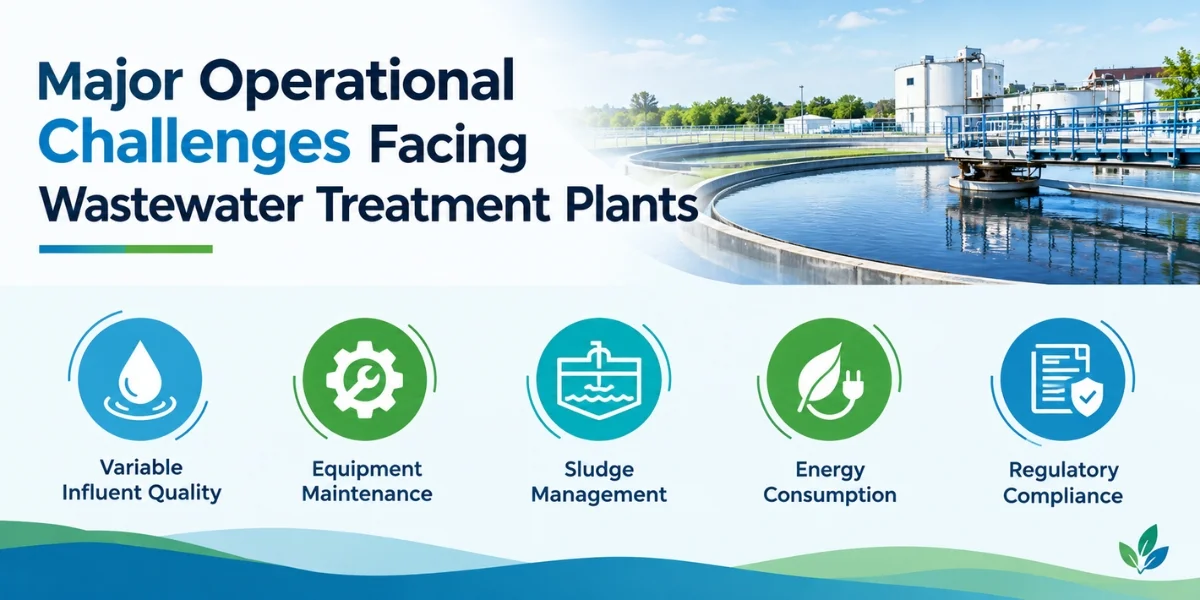
The 4 biggest operational challenges facing wastewater treatment plants, energy, sludge, compliance, and workforce, with fixes from a trusted STP & ETP manufacturer.
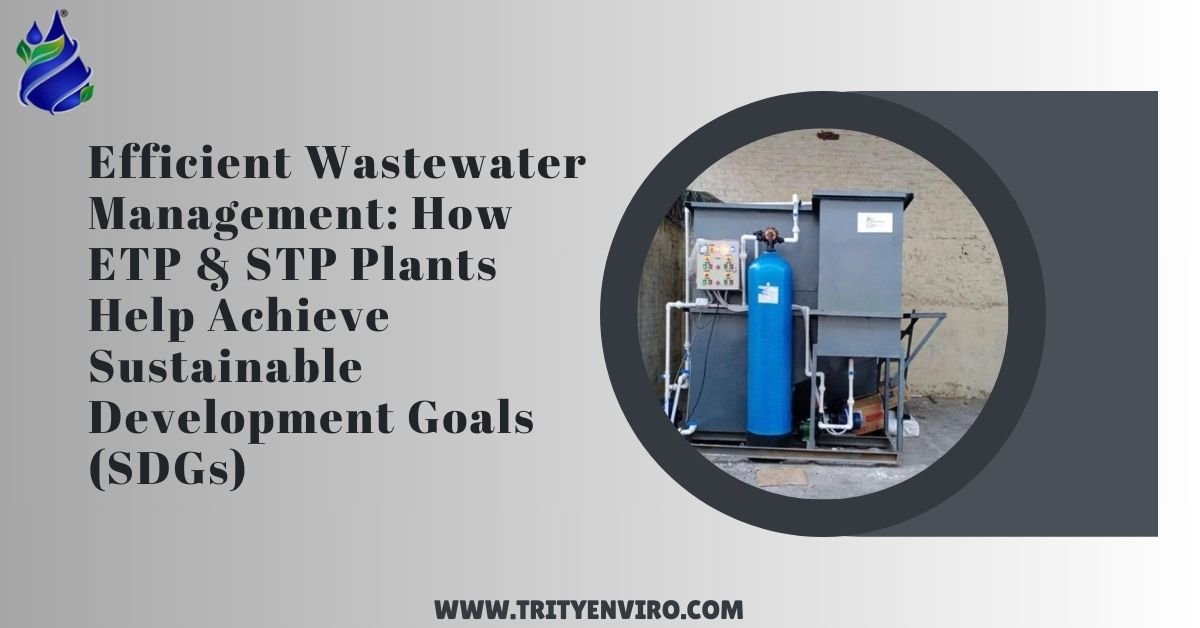
ETPs and STPs play a crucial role in achieving SDGs, ensuring clean water, reducing pollution, and supporting resource conservation for sustainable development.

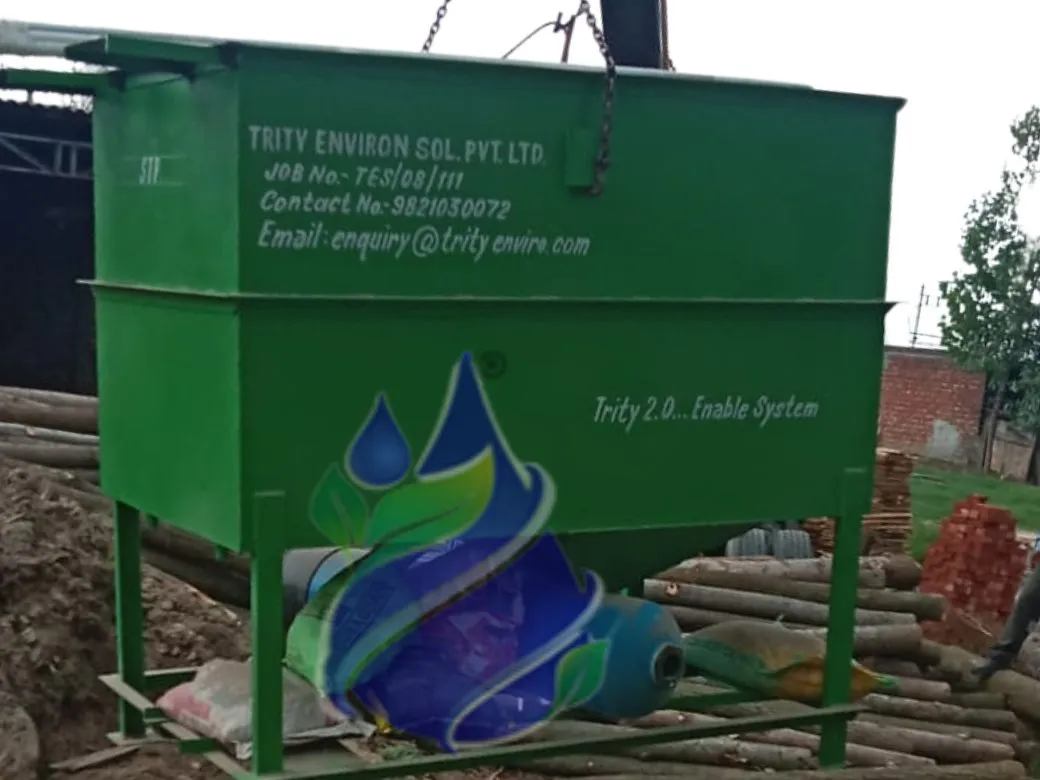
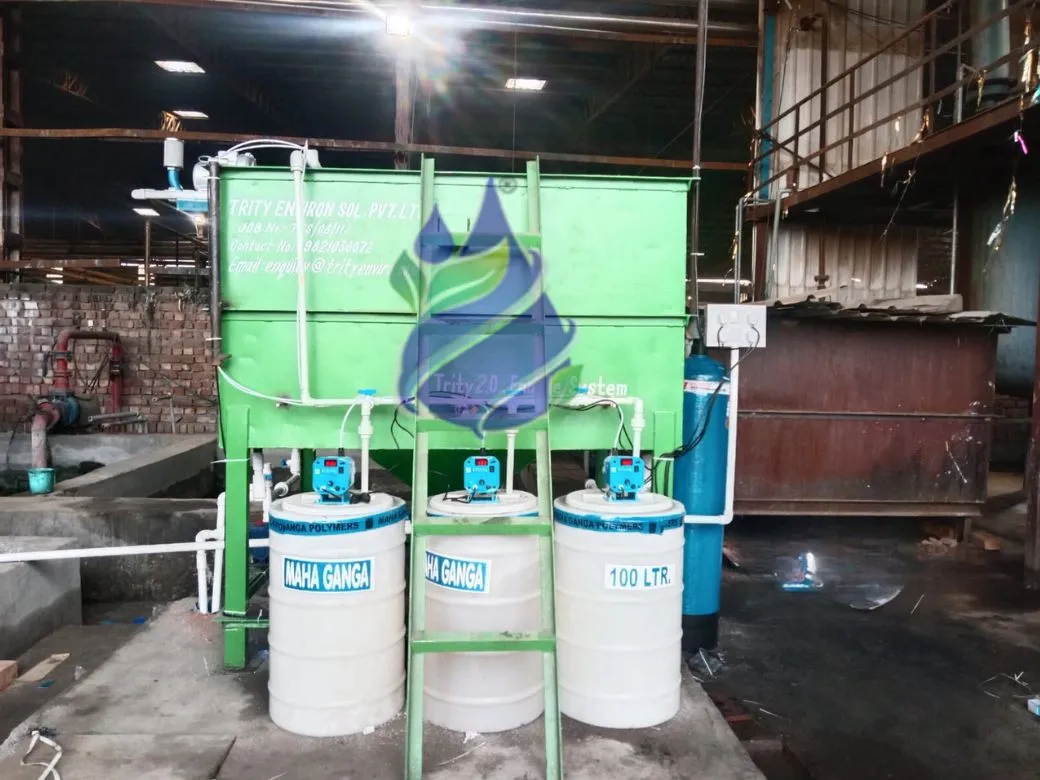



Discuss your requirements with our engineering team and get practical guidance for your project.