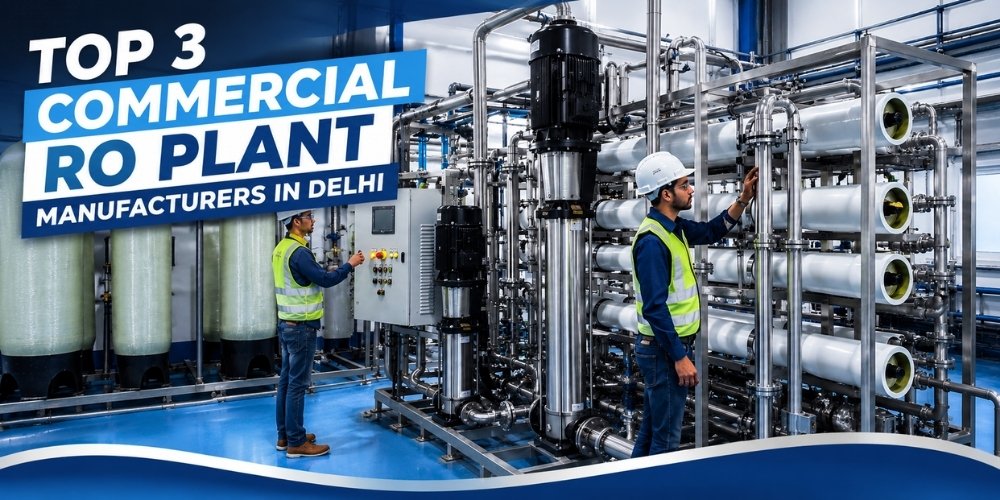
Top 3 Commercial RO Plant Manufacturers in Delhi
Looking for a reliable commercial RO plant manufacturer in Delhi? Compare the top 3 companies, their capacity range, services, and how to choose the right one.

 ISO 9001:2015 & QCI Approved
Small-scale industries face a double constraint that large plants rarely deal with: not enough space and not enough budget for a conventional effluent treatment plant. This guide covers the practical steps, compact technology, CETP participation, and government subsidy schemes that make compliant effluent treatment achievable for small units.
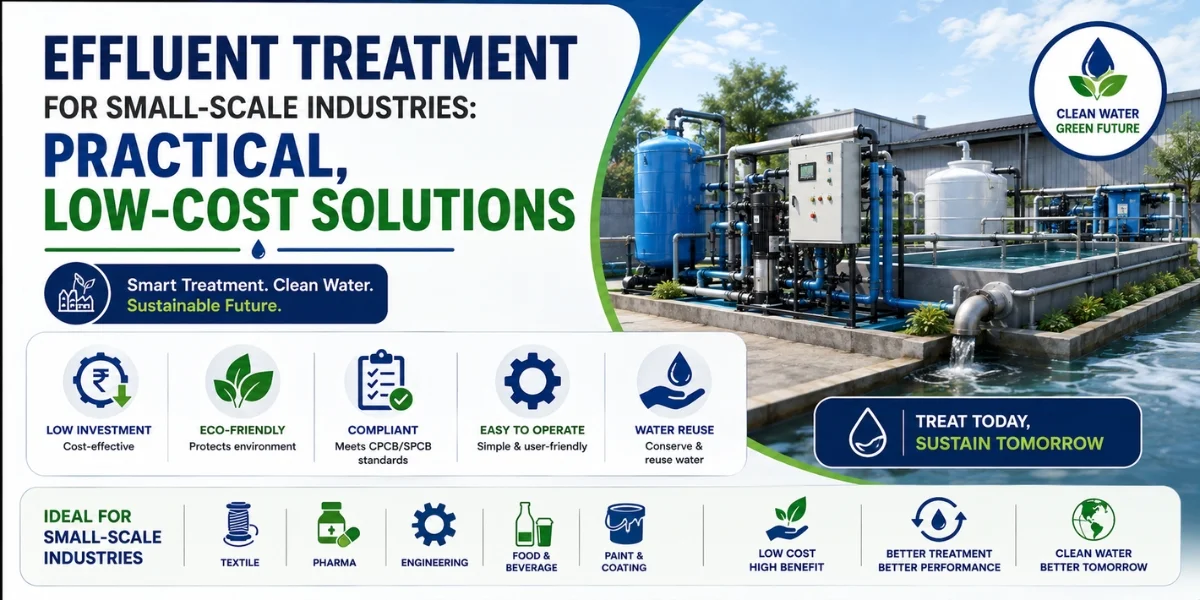
Small-scale industries share a problem that larger manufacturers rarely face in the same way: they generate effluent that needs treatment before discharge, but they usually do not have the plot size or the capital budget for a conventional civil-built effluent treatment plant. A dyeing unit running out of a 2,000 square foot shed, a small electroplating workshop, or a food processing unit in a rented industrial plot all face the same reality, compliance is mandatory regardless of size, but the solution has to fit a footprint and a budget that large industrial plants never have to think about. This guide walks through a practical, sequenced approach to effluent treatment for small-scale units, covering source reduction, compact treatment technology, the Common Effluent Treatment Plant (CETP) route for industrial clusters, and the government subsidy schemes available to offset setup cost.
Most guidance on effluent treatment is written with large industrial plants in mind, where space and capital are rarely the binding constraint. Small-scale units operate under different pressure entirely. Under the Water (Prevention and Control of Pollution) Act, every industrial unit is legally required to treat its effluent before discharge, regardless of size, yet a large share of small-scale industrial discharge in India still goes untreated simply because dedicated pollution control equipment is not economically viable at that scale on an individual basis. The right approach for a small-scale unit is not a scaled-down version of a large plant's ETP, it is a different design philosophy: minimize waste first, treat only what genuinely cannot be avoided using compact technology, and seriously evaluate shared infrastructure options like a CETP before committing to an individual plant.
The single most cost-effective step any small-scale unit can take is reducing the volume and strength of effluent generated in the first place, since every litre avoided is a litre that never needs treatment capacity. Practical measures include switching to dry cleanup methods for spills before washing floors with water, recovering and reusing process water within the same operation wherever feasible, and replacing water-intensive rinsing steps with more efficient counter-current rinsing where the process allows it. These changes cost little to nothing to implement and directly shrink the size, and therefore the cost, of whatever treatment system is needed downstream.
Before selecting any treatment technology, effluent needs to be properly characterized, since the composition of wastewater from a dyeing unit is fundamentally different from that of a food processing unit or a small electroplating workshop, and each needs a different treatment approach.
| Parameter | Why It Matters | Common in |
|---|---|---|
| BOD / COD | Indicates organic pollution load | Food, dairy, beverage units |
| TSS (Total Suspended Solids) | Determines need for physical settling stage | Most industries |
| Oil and grease | Fouls downstream biological or membrane stages if not removed early | Engineering, food processing |
| pH | Extreme pH damages biological treatment and needs neutralization | Chemical, dyeing units |
| Heavy metals | Needs specific chemical precipitation, not standard biological treatment | Electroplating, metal finishing |
| Colour and TDS | Standard biological treatment alone often insufficient | Textile and dyeing |
A basic lab test covering these parameters, ideally from a NABL-accredited lab, should be the starting point for any treatment decision, not a generic assumption based on industry type alone.
Separating different effluent streams before they mix dramatically improves treatment efficiency and cuts cost. Oil and grease should be separated from general water-based effluent immediately, since mixed streams are far harder and more expensive to treat than segregated ones. High-strength or chemically distinct streams, such as spent dye baths or plating rinse water, should be kept apart from low-strength general wash water so each can be treated with the appropriate, and often less expensive, method rather than forcing all effluent through the most intensive treatment stage available.
Different effluent characteristics call for different treatment methods, and small-scale units rarely need every stage available to large industrial ETPs. The right combination depends entirely on what the characterization step in Step 2 reveals.
Most small-scale units need a combination of just two stages, not the full four-stage sequence a large chemical plant might require, which is exactly where cost savings usually come from.
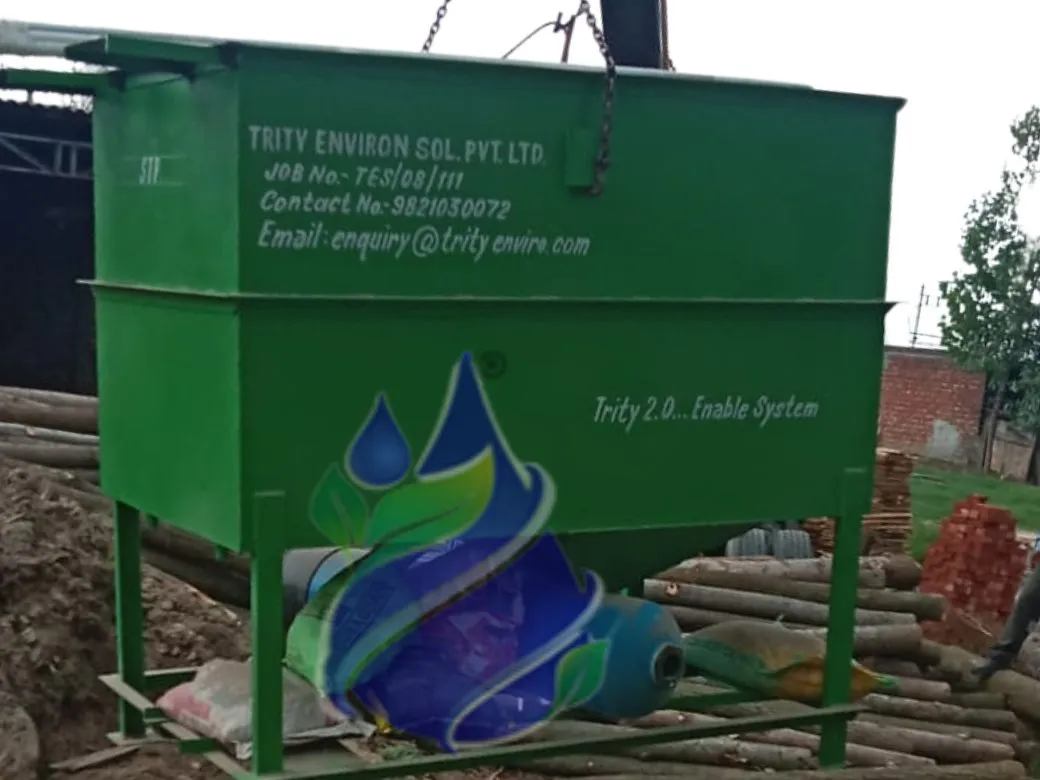
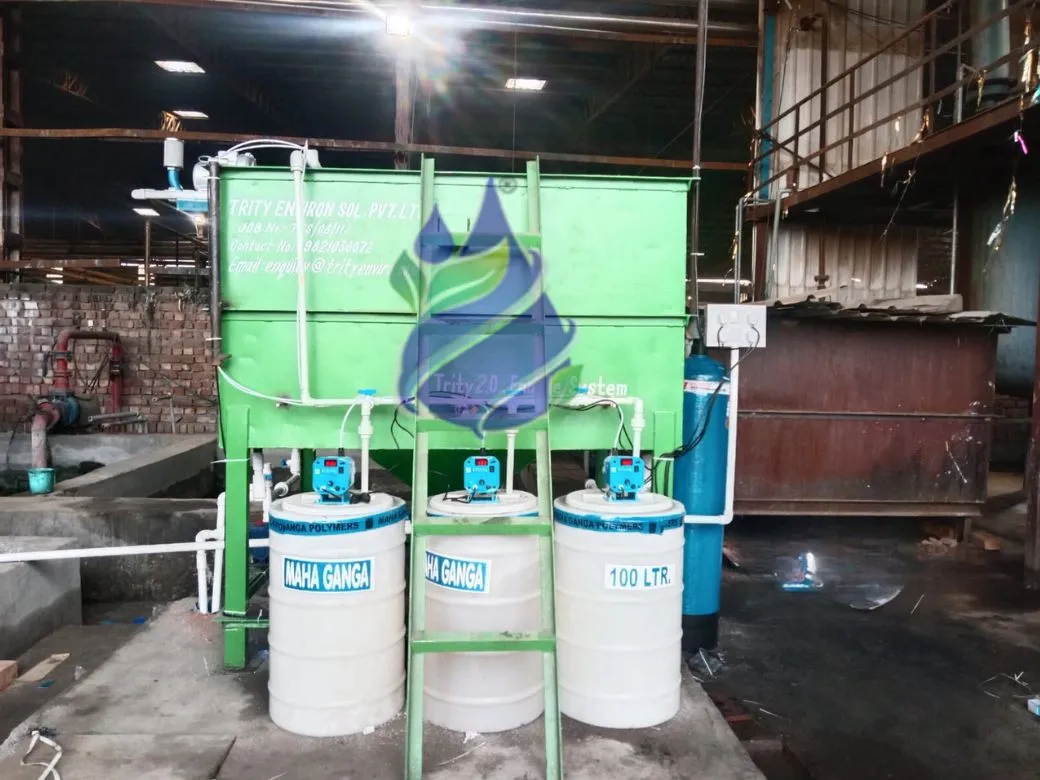
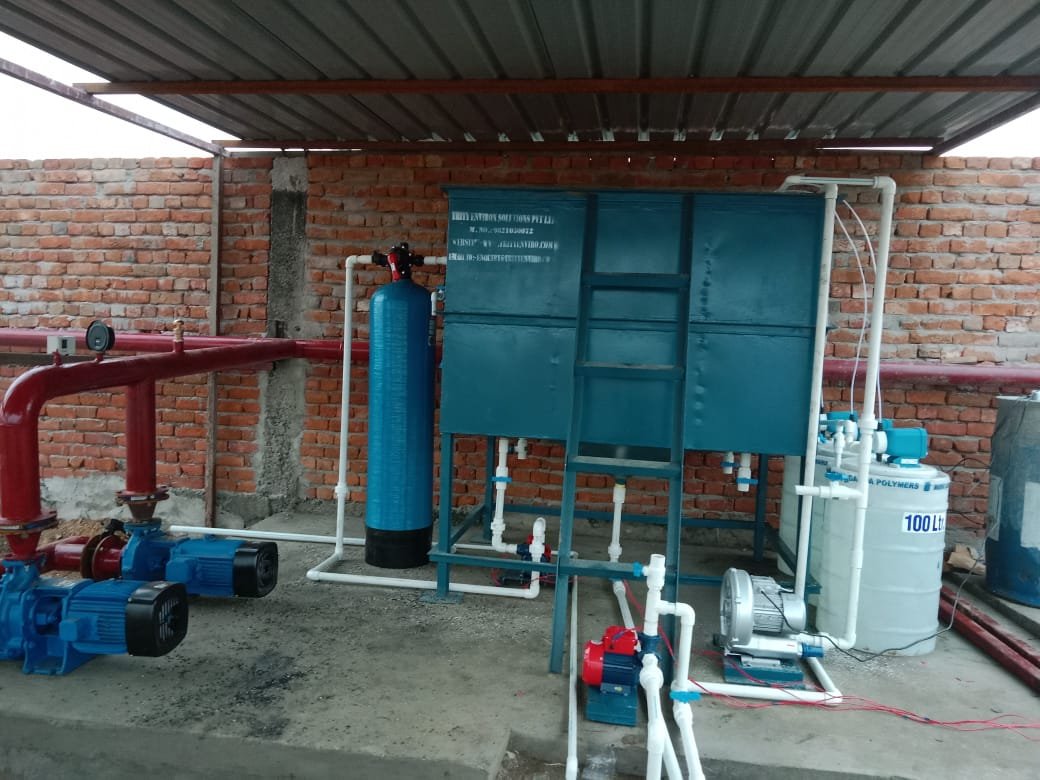
Space, not just budget, is the constraint that most differentiates small-scale industry effluent treatment from large plant design. Skid-mounted and modular treatment systems are built specifically to fit into a fraction of the footprint a conventional civil-built ETP would need, with pre-assembled tankage that reduces on-site construction time significantly. Manufacturers across India now offer micro and compact ETP configurations sized for very small daily flows, often in the range of 1-5 KLD, aimed specifically at micro and small units like dyeing workshops, vehicle washing bays, and small food outlets that a standard industrial-scale ETP would badly oversize.
For units dealing with oil and grease contamination, a compact oil skimmer or oil water separator can remove floating contaminants early in the process with minimal footprint, protecting downstream biological or chemical stages from fouling. Units generating sludge as part of their treatment process benefit from a compact filter press or sludge dewatering system, which reduces sludge volume for disposal without needing a large drying bed. Where suspended solids removal is a bottleneck, a dissolved air flotation (DAF) system achieves this in a much smaller footprint than conventional settling tanks.
For small-scale industries operating within an industrial estate, cluster, or cooperative area, a Common Effluent Treatment Plant (CETP) is often a more economical route than building an individual ETP. A CETP treats the combined effluent from multiple small units at one centralized facility, letting them share capital cost, land, skilled manpower, and ongoing operating expense instead of each unit bearing the full cost alone.
CETPs work particularly well for clusters of similar industries, textile dyeing estates, tannery clusters, and small chemical manufacturing zones are common examples across India, since combined effluent from similar processes is easier to design a single treatment train around than effluent from a mix of unrelated industries. Joining or contributing to a CETP typically involves each unit paying a share of capital cost proportional to its effluent volume, along with an ongoing per-kilolitre operating charge, which is usually far lower than what running a standalone ETP of comparable capacity would cost any single small unit.
Before committing to a CETP over an individual ETP, it is worth checking three things: whether your unit's effluent characteristics are compatible with what the CETP is designed to treat, since some CETPs place limits on heavy metal or high-COD loads from individual contributors, whether the CETP has consistent capacity headroom for your projected volume, and what pre-treatment, if any, your unit is required to carry out before discharging into the common line. Many state pollution boards mandate primary treatment at the individual unit level even when a CETP handles the rest, so a CETP does not always mean zero on-site treatment infrastructure.
Financial assistance for effluent treatment infrastructure is more widely available to small-scale industries than most business owners realize, both for individual ETPs and for CETPs serving an industrial cluster.
At the central level, the Ministry of Environment, Forest and Climate Change has historically run a centrally sponsored scheme supporting new CETP establishment for clusters of small-scale industrial units, structured broadly as a mix of state subsidy, central government grant, financial institution loan, and promoter contribution, so that no single stakeholder bears the full capital burden. Several states run their own parallel or supplementary schemes. Uttar Pradesh's MSME policy, for instance, offers financial assistance covering a significant share of eligible CETP project cost up to a defined ceiling, alongside separate support for zero liquid discharge equipment and environmental management systems. Gujarat provides assistance for CETP projects within approved industrial parks, with the exact percentage depending on whether matching central government assistance is also available. West Bengal offers per-acre reimbursement for CETP installation within approved industrial parks under its MSME incentive scheme.
These scheme structures and eligibility criteria change periodically and vary significantly by state, so the most reliable next step is checking current eligibility and application details with your state's MSME or industries department, or through the national MSME scheme portal, before finalizing a budget for either an individual ETP or CETP contribution. Factoring in potential subsidy support at the planning stage, rather than after committing to a design, can materially change which treatment route, individual or shared, makes the most financial sense for your unit.
Automated dosing, monitoring, and control systems reduce the day-to-day labour burden of running a treatment plant, which matters more for small units that rarely have dedicated environmental engineering staff. Automated pH correction, chemical dosing pumps, and basic SCADA-based monitoring reduce the risk of operator error causing a compliance breach, and cut the long-term manpower cost of running the plant, often paying back the automation investment within a couple of years through reduced labour and chemical wastage.
Budget is usually the deciding factor for small-scale units, so cost planning should account for more than just the upfront equipment price, and should be weighed against the CETP and subsidy options covered above before finalizing a route.
| Cost Component | What It Covers |
|---|---|
| Capital cost | Equipment, tankage, civil work (minimal for skid-mounted systems), installation |
| Chemical cost | Coagulants, flocculants, pH correction chemicals, ongoing consumable |
| Energy cost | Pumps, blowers, dosing systems, generally modest for compact systems |
| Manpower | Operator time, reduced significantly with automation |
| Maintenance | Filter media replacement, membrane cleaning, sludge disposal |
| CETP contribution (if applicable) | One-time capital share plus per-kilolitre operating charge |
Choosing a treatment approach sized correctly for actual effluent volume, rather than an oversized system built for future expansion that may never materialize, keeps both capital and ongoing costs proportionate to what a small unit can realistically sustain.
Pollution control boards do not apply a lower discharge standard simply because a unit is small-scale; the same CPCB and state board norms generally apply regardless of production capacity, though enforcement priority and inspection frequency can differ. Small-scale units are expected to hold Consent to Establish and Consent to Operate certificates, maintain discharge records, and in many states, submit periodic effluent quality reports, whether treatment happens through an individual ETP or via a CETP connection. Skipping treatment entirely and relying on outsourced tanker disposal is legally permitted only as a last resort in most jurisdictions, and is rarely cost-effective compared to a properly sized on-site compact ETP or CETP participation once ongoing tanker charges are factored in over a year or two.
| Small-Scale Industry Type | Typical Effluent Challenge | Recommended Approach |
|---|---|---|
| Dyeing and textile printing units | Colour, high TDS, variable pH | Physico-chemical + biological, or CETP if part of a textile cluster. See our textile and dyeing ETP guide |
| Food and dairy processing | High BOD, COD, and fat content | Biological treatment, see our dairy and food processing ETP guide |
| Small electroplating and metal finishing | Heavy metals, low pH | Chemical precipitation, physico-chemical ETP |
| Small pharma or API units | High COD, solvent residues | Combined physico-chemical and biological, see our pharmaceutical ETP guide |
| General engineering workshops | Oil, grease, suspended solids | Oil skimmer or OWS plus basic physical treatment |
| Units within an industrial estate or cluster | Shared infrastructure availability | CETP participation, subject to compatibility check |
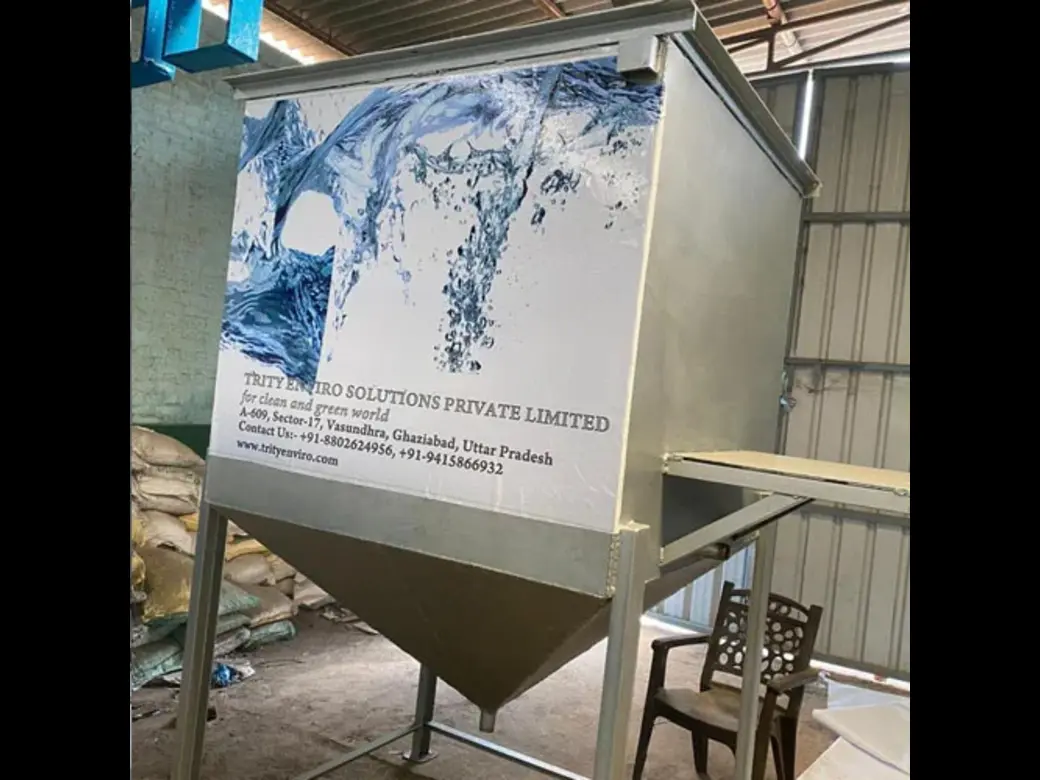
Trity Environ Solutions designs compact, right-sized effluent treatment plants specifically for small and mid-scale industrial units, where space and budget genuinely constrain what a conventional civil-built ETP can offer. Our engineering team starts with effluent characterization rather than a standard template, so a small unit only pays for the treatment stages its actual effluent needs, and we help evaluate whether an individual ETP or CETP participation is the more practical route for your site. Every installation is backed by pan-India Annual Maintenance Contract and operation and maintenance support, keeping compliance consistent long after commissioning without requiring a dedicated in-house environmental team. We are ISO 9001:2015 certified, QCI approved, and deliver CPCB-compliant engineering across every project scale.
Get expert engineering advice on compact ETP sizing, space-saving skid systems, CETP compatibility, and subsidy assistance.
Looking for a reliable commercial RO plant manufacturer in Delhi? Compare the top 3 companies, their capacity range, services, and how to choose the right one.
Learn how Total Dissolved Solids (TDS) affect water quality and safety. Understand TDS levels, risks, testing, and methods to ensure clean, safe water for your home.
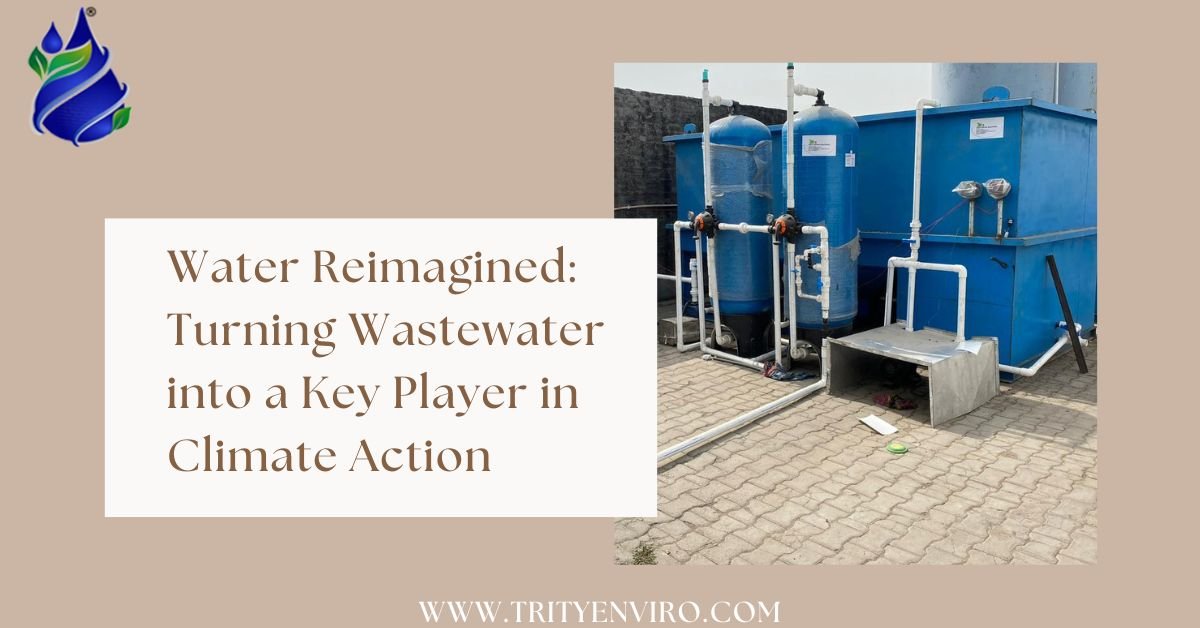
Wastewater treatment and recycling save resources, reduce pollution, and combat climate change. Explore how innovative technologies and global efforts are transforming water use.




Discuss your requirements with our engineering team and get practical guidance for your project.