STP Plant Cost & Price in India 2026: Capacity-Wise Full Breakdown
Get realistic STP plant price in India 2026. Capacity-wise cost breakdown from 50 KLD to 1000 KLD, technology comparison, hidden costs & free quotation.

 ISO 9001:2015 & QCI Approved
Pharmaceutical wastewater needs specialised ETP design, not a standard template. See the treatment stages, technology choices, and CPCB compliance requirements that matter.
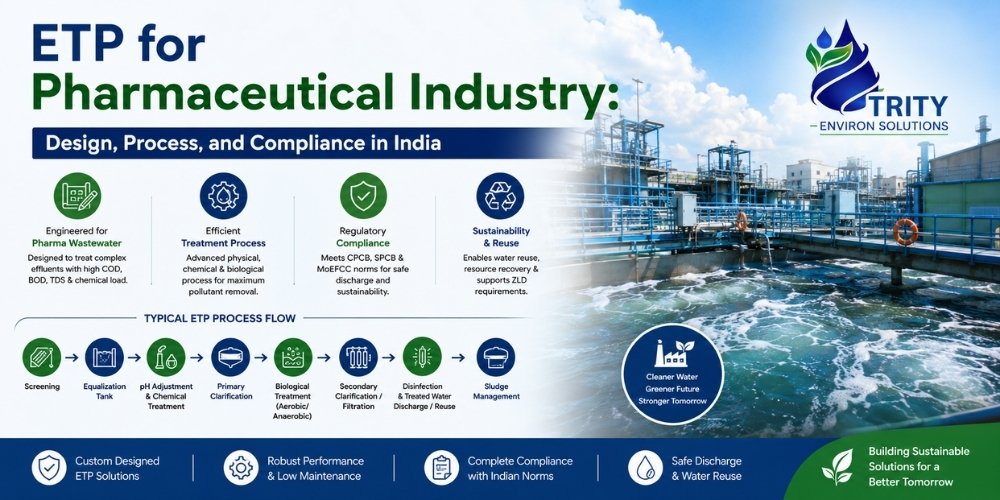
Pharmaceutical manufacturing produces some of the most difficult effluent any ETP has to handle. Unlike sewage or even most industrial wastewater, pharma effluent regularly carries COD levels in the range of 5,000 to 10,000 mg/L or higher, along with active pharmaceutical ingredient residues, solvents, and in some cases heavy metals from synthesis processes. A treatment system designed around generic industrial assumptions will struggle with this load, and a plant that fails to hold discharge parameters consistently is one of the fastest ways to draw a show-cause notice from your SPCB. This guide walks through what a properly engineered pharma ETP actually needs to include, the technology decisions involved at each stage, and what the current CPCB and ZLD compliance landscape looks like for pharmaceutical units in India.
Pharma wastewater is not one consistent stream. A single facility can generate several distinct effluent types depending on the manufacturing process, including high-COD process water from API synthesis, solvent-laden wash water, cleaning-in-place discharge, and low-strength utility wastewater from cooling towers or boilers. Treating all of this as a single homogeneous stream is one of the most common design mistakes, because the treatment train that works for high-strength synthesis effluent is often the wrong choice for lower-strength wash water, and combining them without segregation can dilute the strong stream just enough to make biological treatment inefficient without actually reducing overall pollutant load.
Beyond organic load, pharma effluent frequently contains compounds that are resistant to standard biological breakdown, including certain solvents and antibiotic residues that can actually inhibit the bacteria a biological treatment stage depends on. This is why pharma ETP design usually starts with detailed effluent characterization rather than a standard template, testing actual BOD, COD, TSS, pH, and specific contaminant profiles from the site before any equipment is sized.
Primary treatment removes the load a biological stage cannot handle. This typically starts with screening and equalization to smooth out the wide swings in flow and concentration that batch manufacturing processes create, followed by chemical treatment, coagulation, and flocculation to address heavy metals and suspended solids ahead of biological treatment. Dissolved air flotation or tube settlers are commonly used here to bring TSS down before the biological stage, since high solids loading directly reduces the efficiency of whatever biological technology follows.
Biological treatment does the heavy lifting on organic load reduction, and pharma facilities frequently combine two approaches rather than relying on one. High-strength streams are often routed through an anaerobic stage first, commonly a UASB reactor, which handles heavy organic load efficiently while generating biogas as a useful byproduct, before moving to an aerobic stage such as MBBR or activated sludge for further BOD reduction. Trity's Anaerobic Digester systems are built for exactly this kind of high-strength pre-treatment role ahead of aerobic polishing.
Tertiary treatment is where pharma ETPs diverge most sharply from standard industrial designs. Because pharmaceutical discharge norms are stricter and because many facilities need to reuse treated water rather than discharge it, tertiary stages commonly include MBR for high-clarity effluent, followed by activated carbon filtration to address residual solvents or trace organics, and in many cases reverse osmosis for facilities pursuing water reuse or preparing for ZLD compliance.
Sludge generated at every stage needs proper handling, both for disposal cost reasons and because pharma sludge can carry residual API compounds that require careful management. Trity's Sludge Dewatering Instrument range reduces sludge volume before disposal, which matters more for pharma units than most other industries given the higher sludge generation rates typical of high-COD effluent treatment.
Monitoring and automation matter as much as the treatment stages themselves. Given how tightly regulated pharma discharge is, most well-designed ETPs for this sector include continuous online monitoring for parameters like pH, flow, and sometimes COD, rather than relying solely on periodic manual lab testing. This gives plant operators an early warning if a batch process upsets the treatment train, allowing corrective action before treated water actually leaves the plant out of specification. PLC and SCADA-based control panels have become close to standard for mid-to-large pharma ETPs in India, since the cost of automation is generally small relative to the cost of a single compliance violation.
Pharmaceutical manufacturing is classified under the CPCB's Red category, meaning it falls under the highest level of regulatory scrutiny alongside industries like chemicals and dyes. Every pharma unit needs Consent to Establish and Consent to Operate from its state pollution control board, and these consents come with specific discharge limits for BOD, COD, TSS, pH, and often facility-specific parameters depending on the compounds being manufactured.
Zero Liquid Discharge mandates apply to a growing share of pharmaceutical clusters, particularly in states like Himachal Pradesh, Telangana, and parts of Gujarat where pharma manufacturing is concentrated and historical pollution incidents have pushed regulators toward stricter enforcement. Even where ZLD is not currently mandatory for a specific unit, designing the ETP to be ZLD-ready from the start, meaning compatible with future evaporation and crystallization stages, avoids an expensive retrofit if norms tighten later. Trity's Effluent Treatment Plant designs for pharma clients typically build in this forward compatibility rather than treating ZLD readiness as an afterthought.
Non-compliance carries real consequences beyond the immediate penalty. A facility that receives a show-cause notice or closure order faces production downtime that usually costs far more than the treatment system upgrade would have, which is why getting the initial design right matters more in pharma than in most other industrial sectors.
Pharmaceutical facilities most commonly choose between MBBR as an aerobic polishing stage after anaerobic pre-treatment, or MBR where the highest effluent clarity is required, particularly for units planning to reuse treated water for cooling or utility purposes.
| Consideration | MBBR-based system | MBR-based system |
|---|---|---|
| Typical use case | Aerobic polishing after UASB pre-treatment | Facilities requiring reuse-grade effluent |
| Effluent quality | Good, meets standard CPCB norms | Excellent, supports direct reuse |
| Capital cost | Lower | Higher |
| Operating complexity | Lower | Requires trained operators for membrane management |
| Best fit | Standard API manufacturing with SPCB discharge compliance as the primary goal | Facilities in water-scarce regions or pursuing ZLD, where reuse reduces freshwater dependence |
For a deeper technical comparison of how these technologies work, our guide on MBBR vs SBR vs MBR covers the mechanics of each in detail, though pharma applications typically favor MBBR or MBR over SBR given the high-strength, variable nature of pharmaceutical effluent.
The Baddi-Barotiwala-Nalagarh industrial belt in Himachal Pradesh is one of India's densest pharmaceutical manufacturing clusters, home to several hundred pharma, chemical, and FMCG units. Effluent from this belt is typically loaded with antibiotic residues, solvent traces, and high COD values that ordinary biological treatment struggles to handle without proper design, which is exactly the kind of environment where the staged treatment approach described above becomes necessary rather than optional. Trity's engineering work across this belt reflects the reality that pharma effluent characteristics vary meaningfully even within the same industrial cluster, depending on whether a unit is doing bulk drug synthesis, formulation, or a mix of both.
Undersizing equalization capacity is one of the most frequent errors, since batch manufacturing creates flow and concentration spikes that a poorly sized equalization tank cannot absorb, leading to shock loads hitting the biological stage and causing treatment failures that show up as compliance violations weeks or months after commissioning.
Skipping proper effluent segregation at the source is another recurring issue. Mixing high-strength synthesis effluent with low-strength utility water before treatment makes the combined stream harder to treat effectively than if the two were segregated and routed through appropriately sized parallel treatment trains.
Treating tertiary treatment as optional is a mistake that tends to surface only after discharge norms tighten or a reuse requirement emerges. Building MBR or advanced filtration capacity into the original design, even if it is not immediately required, is almost always cheaper than retrofitting it later once the plant is already operating at capacity.
Underestimating sludge handling requirements rounds out the common mistakes list. Pharma ETPs generate more sludge relative to flow than most other industrial effluent types given the high organic load, and a dewatering system sized for a lower-strength industry will need frequent, costly manual intervention if applied to pharma sludge volumes without adjustment.
Not every pharmaceutical facility produces the same wastewater, and treating the sector as a single category leads to design mismatches. Bulk drug or API manufacturing units, where the active ingredient itself is synthesized through multi-step chemical reactions, typically generate the highest-strength effluent, often carrying solvents, unreacted intermediates, and high COD loads that demand the full staged treatment approach described above, frequently including anaerobic pre-treatment.
Formulation units, which convert bulk drugs into finished tablets, capsules, or injectables, generally produce lower-strength effluent dominated by cleaning and washing operations rather than reaction byproducts. These units can often work with a lighter treatment train, sometimes skipping anaerobic pre-treatment entirely if COD levels are moderate, though cleaning-in-place discharge still needs careful handling given the detergents and residual actives it can carry.
Biotech and biologics manufacturing sits somewhere between the two, and increasingly requires attention as this segment grows in India. Fermentation-based processes generate effluent with high biological oxygen demand from the nutrient media used, which biological treatment handles reasonably well, but downstream purification steps can introduce solvents and buffer chemicals that need the same careful characterization as bulk drug effluent.
Getting this classification right at the design stage, rather than assuming a one-size approach across a multi-product facility, is what determines whether the ETP performs consistently once actual production ramps up.
A significant number of pharma ETP projects in India are not new installations but upgrades to plants that are no longer meeting consent conditions. Production volumes often grow faster than the original treatment plant was designed for, or a facility adds new product lines with different effluent characteristics than what the plant was originally sized around. Before committing to a full rebuild, a proper audit should establish whether the issue is genuinely a design or capacity shortfall, or whether it stems from inconsistent operation, inadequate testing, or maintenance gaps under the existing AMC arrangement.
Where a genuine capacity or technology gap exists, retrofits commonly focus on adding equalization volume to absorb batch-driven flow swings, introducing or expanding anaerobic pre-treatment to take pressure off an overloaded aerobic stage, or adding tertiary polishing such as MBR or activated carbon filtration where discharge norms have tightened since the original plant was commissioned. Retrofitting an aerobic stage with MBBR carriers is often the most cost-effective way to add treatment capacity without a full civil rebuild, since the carriers can typically be introduced into existing tankage with limited structural change.
Facilities operating near a residential area or downstream of a sensitive water body, a common situation in older industrial estates, sometimes face additional pressure to upgrade proactively rather than waiting for a compliance notice, particularly as SPCB enforcement has become noticeably stricter across most pharma-heavy states over the past several years.
Pharmaceutical effluent commonly ranges from 5,000 to 10,000 mg/L COD or higher depending on the specific manufacturing process, which is significantly higher than typical sewage or general industrial effluent. This is why pharma ETP design relies on staged treatment rather than a single biological stage.
Not universally, but ZLD mandates apply to a growing number of pharmaceutical clusters, particularly in states with concentrated pharma manufacturing and a history of pollution enforcement action, such as parts of Himachal Pradesh and Telangana. Even where not currently mandatory, designing the ETP to be ZLD-compatible from the outset avoids expensive retrofits if norms tighten.
Yes, though the scope of the upgrade depends on the existing plant's design. If the original ETP included space and process compatibility for evaporation and crystallization stages, adding ZLD capability is more straightforward. Plants not designed with this forward compatibility often need more substantial retrofitting.
Combining an anaerobic stage, commonly a UASB reactor, with an aerobic stage such as MBBR allows the system to handle very high organic load efficiently in the anaerobic stage while achieving the lower final BOD levels required for compliance in the aerobic stage. Using only one or the other typically cannot achieve both goals as efficiently.
While both fall under the CPCB's Red category and involve complex effluent, pharmaceutical wastewater specifically contains active pharmaceutical ingredient residues and can include compounds that inhibit biological treatment processes, requiring more careful characterization and staged treatment design than many other chemical processes.
No. Formulation units typically generate lower-strength effluent dominated by cleaning and washing water, and can often work with a lighter treatment train than bulk drug or API manufacturing units, which usually require the full staged approach including anaerobic pre-treatment given their higher COD loads from chemical synthesis.
Testing frequency depends on your specific Consent to Operate conditions set by your SPCB, but pharma units are generally expected to test more frequently than lower-risk industries given their Red category classification. A structured AMC with scheduled effluent testing, rather than only testing before an inspection, is the most reliable way to catch process drift before it becomes a compliance violation.
Continuous online monitoring for parameters like pH, flow, and COD gives plant operators an early warning when a manufacturing batch upsets the treatment process, allowing corrective action before out-of-specification water leaves the plant. For pharma units, where a single compliance violation can trigger a show-cause notice, the cost of this automation is usually far lower than the cost of a discharge failure.
Need a pharma ETP designed around your actual effluent characteristics? Trity Environ Solutions has engineered ETP systems for pharmaceutical clients across India, including the Baddi-Barotiwala-Nalagarh belt, built on real influent testing rather than standard templates. Get in touch for a technical consultation.
Get realistic STP plant price in India 2026. Capacity-wise cost breakdown from 50 KLD to 1000 KLD, technology comparison, hidden costs & free quotation.

Real operational cost breakdown for ETP and STP systems in India: power, labour, chemicals, and why the cheapest plant often costs more long-term.
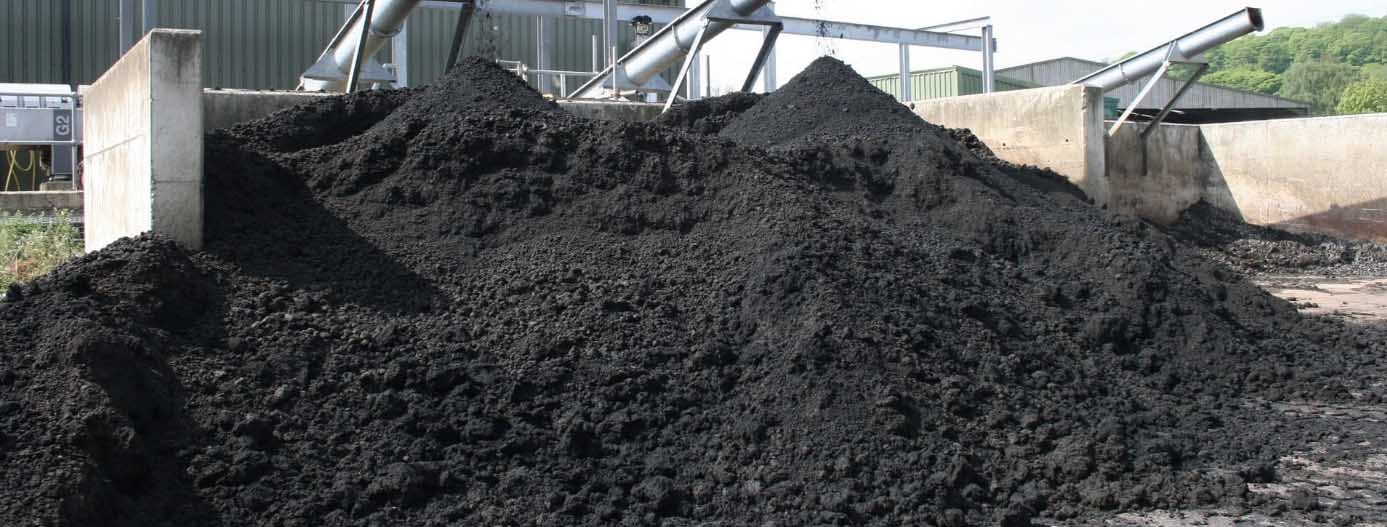
Discover how sludge and untreated sewage affect the environment, water bodies, and marine life. Learn about sludge management, wastewater treatment, and sustainable disposal practices in India.

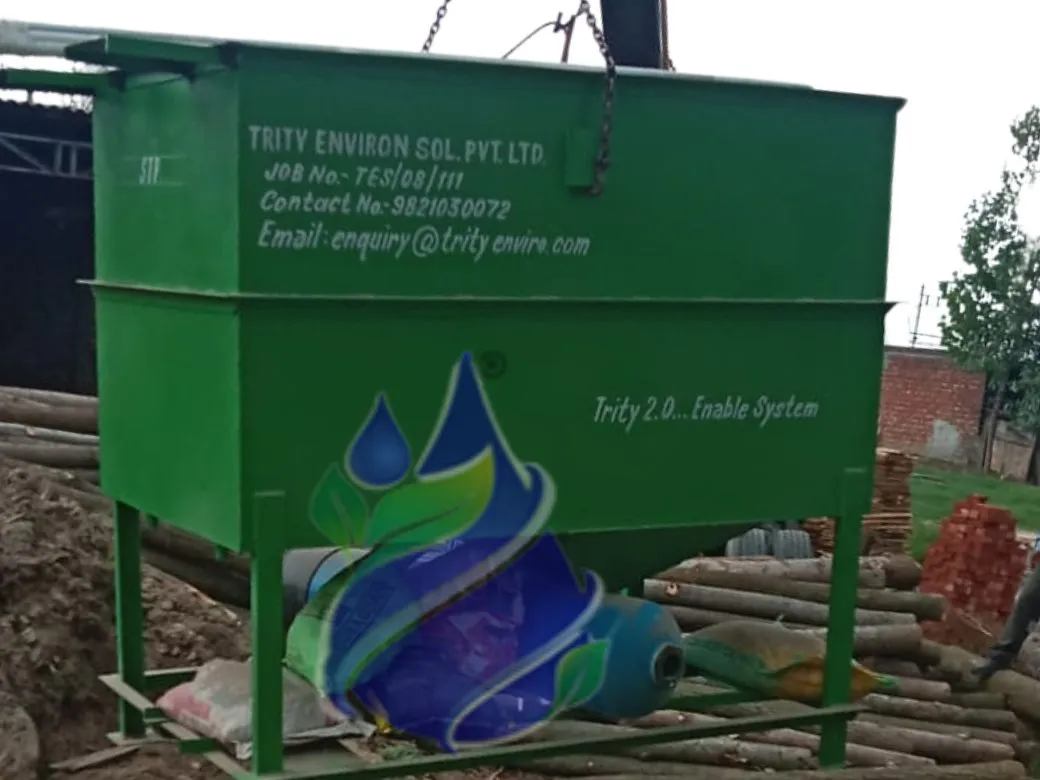



Discuss your requirements with our engineering team and get practical guidance for your project.