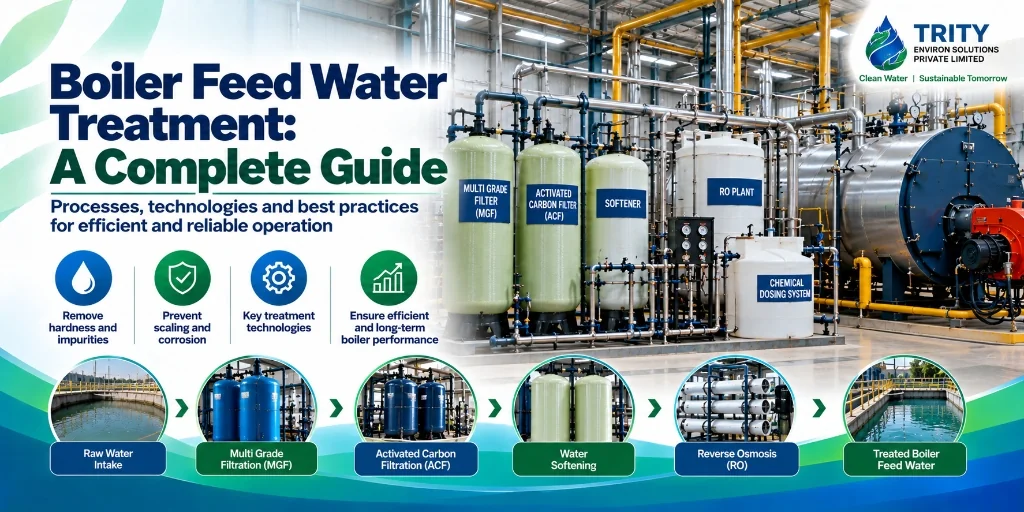
Boiler Feed Water Treatment: A Complete Guide
Trity Enviro explains boiler feed water treatment: softener, RO, DM, deaeration, dosing and blowdown, with a worked example and supplier checks.

 ISO 9001:2015 & QCI Approved
Price is not the best way to compare ETP suppliers. Use these 12 checks to find a partner whose plant will actually pass your consent tests.
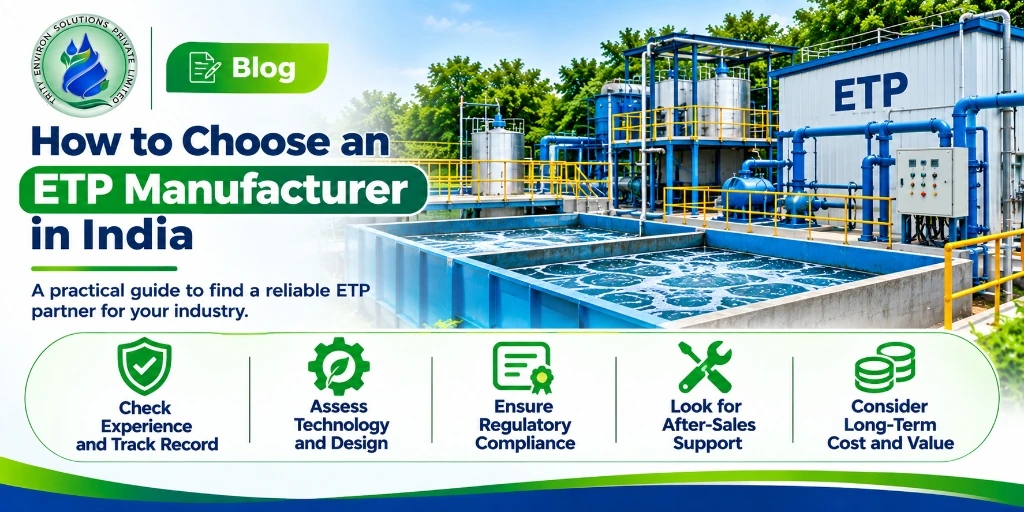
Buyers of effluent treatment plants often focus on technology. Should it be MBBR, MBR or anaerobic? Should it have DAF or a clarifier? They compare brochures, ask for the lowest price and place an order. A year later, the plant fails a sample, the supplier is hard to reach and the spare parts are not available.
The truth is that most ETP technologies work when properly designed for the effluent in front of them. What differs hugely between suppliers is how well they understand your effluent, how honestly they size the plant, how carefully they build it and how seriously they stand behind it afterward. A well chosen supplier with an ordinary technology will beat a poorly chosen one with a fancy technology almost every time.
The market is crowded. Search for ETP suppliers and you find long lists of companies, many with identical claims about certifications, experience and guarantees. Directory style pages that rank "top ten" manufacturers are plentiful, and most are written by the suppliers themselves. They do not help you decide.
This guide gives you a practical way to choose an ETP manufacturer in India. It offers a 12-point checklist, a simple scoring method, the red flags to watch for and the contract terms that protect you. It is written for plant heads, EHS officers, project managers and procurement teams, whether you are in Noida, Ghaziabad, Faridabad, Gurugram or anywhere else in India. Trity Enviro is a supplier too, so we have written the checklist the way we would want a customer to judge us.
A good ETP is designed from your effluent, not from a catalogue. The supplier should ask for your production process, water balance, a recent laboratory analysis, consent conditions and site constraints, and should want to take their own samples. They should be able to explain why each treatment stage is there and what happens to each pollutant. A supplier who quotes within a day, without asking any of this, is selling a standard plant and hoping it fits.
The second difference is execution. Look at tanks, welds, coatings, pipework, instrumentation and electrical panels on a running plant, not in a brochure. The third is service: ETPs need operators trained, chemicals dosed, equipment maintained and records kept. Check whether the supplier offers an annual maintenance contract or full operation and maintenance, and how fast they respond.
Do not pick on price alone. Score each supplier from 1 to 5 on each of the 12 points, weighted by importance to you. A possible weighting is 20 percent for design competence (points 1, 2 and 6), 20 percent for references and build quality (points 3, 4 and 5), 20 percent for guarantees and testing (point 8), 15 percent for lifecycle cost (points 7, 9 and 10), 15 percent for service and compliance support (points 11 and 12) and 10 percent for price. Adjust the weights for your situation.
As an example, Supplier A quotes 15 percent less than Supplier B but has no references in your industry, no itemised scope and no outlet guarantee. Supplier B is dearer but visited your site, took samples, supplied a design basis, offered a performance guarantee and shows two similar plants. After scoring, B wins comfortably, and it is likely to be cheaper over five years once failed samples, rework and penalties are counted.
Put the key points in the purchase order:
An ETP is a daily-use plant, and breakdowns do not wait for a visit next week. Check where the supplier's service engineers are based and how quickly they can reach your site. In the Delhi NCR industrial belts of Noida, Ghaziabad, Faridabad and Gurugram, local presence shortens response times for blower, pump and membrane problems. Our regional pages for Delhi NCR, Noida, Ghaziabad and Faridabad describe how we support units in each area.
Look at total cost over five to ten years: purchase, civil work, power, chemicals, manpower, sludge disposal, maintenance, spares and the cost of any compliance failure. Ask each supplier to state the numbers. A cheap plant with high running cost, or one that cannot meet limits, is the most expensive option.
Trity Enviro designs and supplies effluent treatment plants with design basis reports, performance guarantees and an annual maintenance contract, and our operation and maintenance service can run the plant for you.
Send every supplier the same package, so that quotations can be compared. Include a short description of the process and the main chemicals, a water balance diagram, the average and peak effluent flow, a recent laboratory analysis with pH, COD, BOD, TSS, TDS and oil and grease, any special pollutants, your consent conditions or the standards you must meet, a site layout with available space, power and water availability and your target completion date. Tell them whether you plan reuse or ZLD. Ask them to answer in writing, with a design basis and itemised scope. A supplier who works from the same data as their competitors gives you a fair comparison, and one who ignores it tells you something about how they will treat your project.
| Parameter / Stage | Target Optimal Range | Failure Impact / Risk | Corrective Engineering Action |
|---|---|---|---|
| Design basis | Written, with flow, peak, inlet data, outlet guarantee and process flow diagram | Under-sized plant, failed samples, disputes | Insist on a design basis before price negotiation |
| References and site visits | Two or three similar running plants that can be visited | Unproven supplier, hidden problems | Visit plants, speak to operators, check records |
| Performance guarantee and test | Named parameters, values, method and laboratory, with payment held back until passed | No recourse if plant fails | Write guarantee and test into the purchase order |
| After-sales support | AMC or O&M, spares, trained operator and a defined response time | Long breakdowns, loss of compliance | Sign AMC, check local service presence, keep spares |
Trity Environ Solutions is an ISO 9001:2015 certified and QCI-approved effluent treatment plant manufacturer and supplier in India, delivering robust, high-efficiency systems engineered for CPCB and SPCB regulatory compliance.
Every installation is supported by pan-India Annual Maintenance Contract and Operation and Maintenance services.
Looking to design or install a high-performance ETP with Trity Enviro? Call +91-9821030072 or email enquiry@trityenviro.com, or request a free engineering consultation from our technical team.
Trity Enviro explains boiler feed water treatment: softener, RO, DM, deaeration, dosing and blowdown, with a worked example and supplier checks.
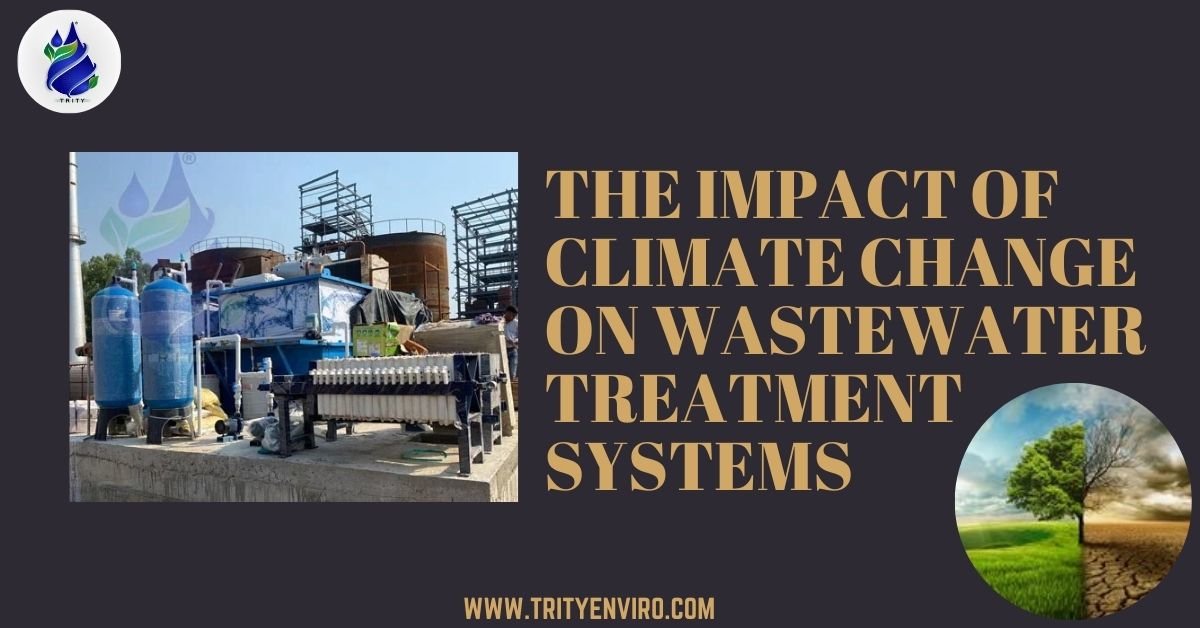
Climate change disrupts wastewater systems with rising temperatures, extreme storms, and droughts. Sustainable solutions and infrastructure upgrades are essential for resilience.
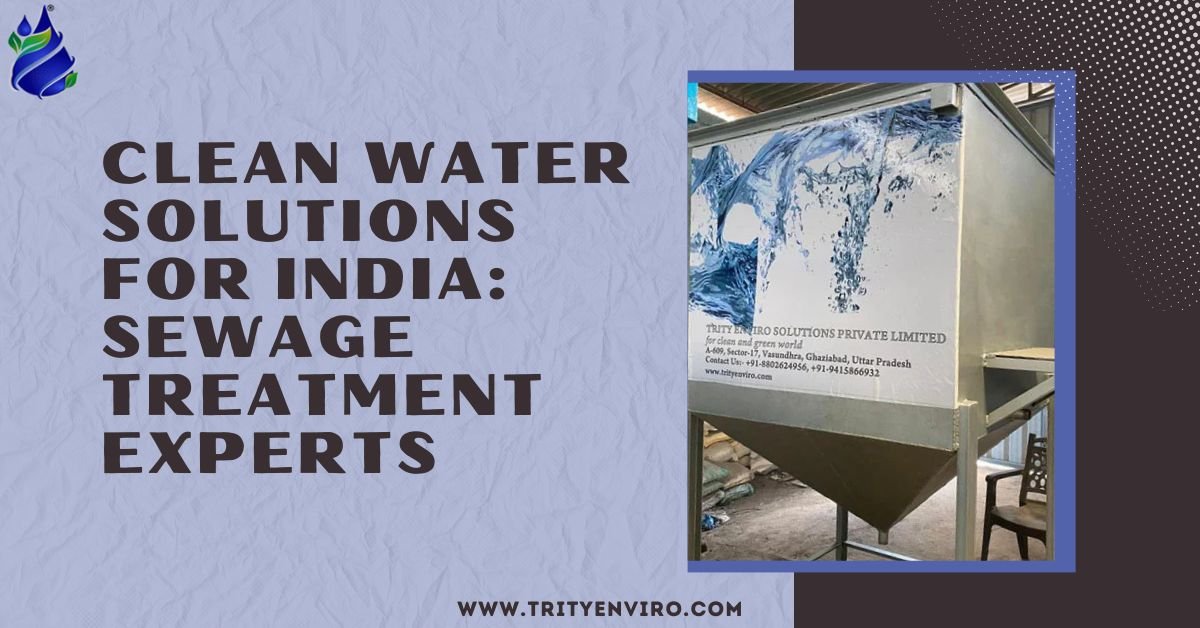
Trity Enviro Solutions offers advanced, affordable sewage treatment systems for residential, industrial, and environmental needs to solve India's water crisis.











Discuss your requirements with our engineering team and get practical guidance for your project.

