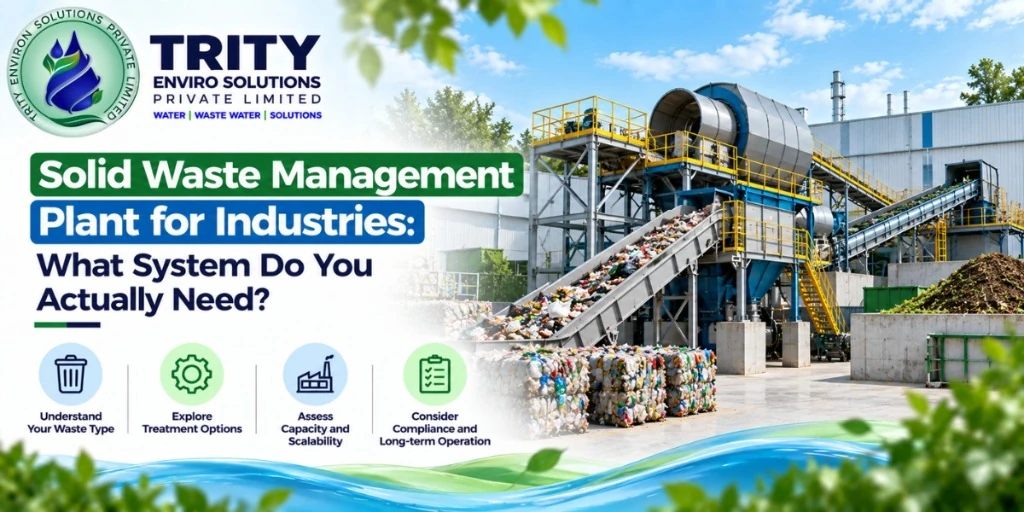
Solid Waste Management Plant for Industries: What System Do You Actually Need?
Find the right solid waste management plant for your industry under the SWM Rules 2026. Learn waste audits, system options, compliance steps and cost drivers.

 ISO 9001:2015 & QCI Approved
Our blog covers practical engineering topics for anyone planning or operating a Sewage Treatment Plant or Effluent Treatment Plant in India. You will find capacity calculation guides, technology comparisons like MBBR versus SBR versus MBR, industry specific treatment guides for pharma, textile and dairy effluent, and state wise pollution control board compliance requirements. These articles are written by our engineering team based on real project experience, not generic content, so you get information you can actually use when planning a plant or preparing for compliance.
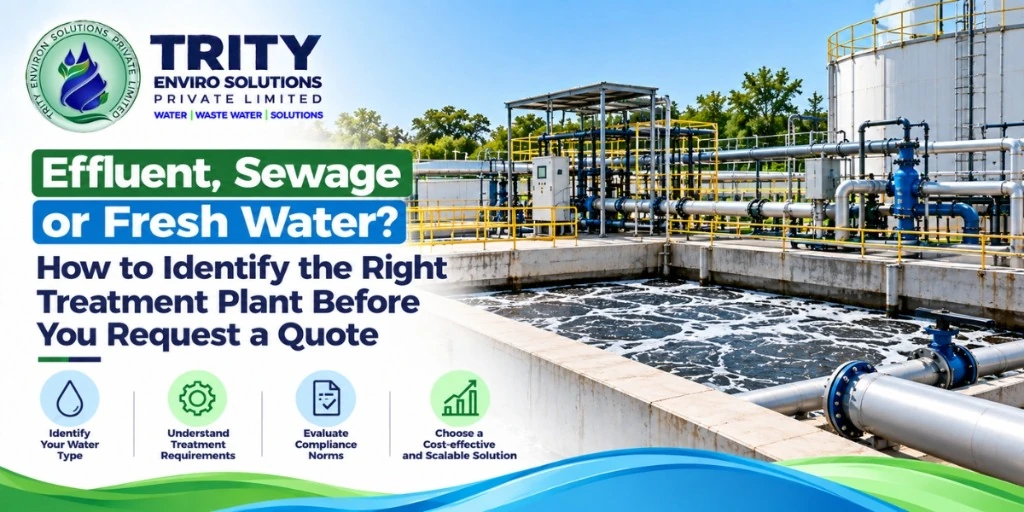
Not sure if you need an ETP, STP or water treatment plant? Learn how to identify your water type, what data to share and how to compare quotes before ordering.
Read Full Article
Find the right solid waste management plant for your industry under the SWM Rules 2026. Learn waste audits, system options, compliance steps and cost drivers.
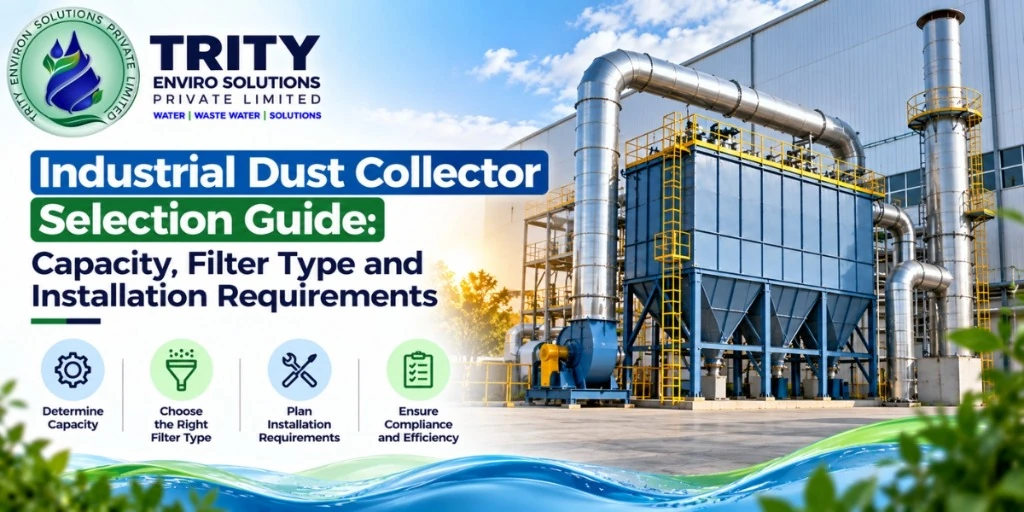
How to select an industrial dust collector: calculate airflow, choose bag or cartridge filters, set air-to-cloth ratio and plan ducting and safe installation.
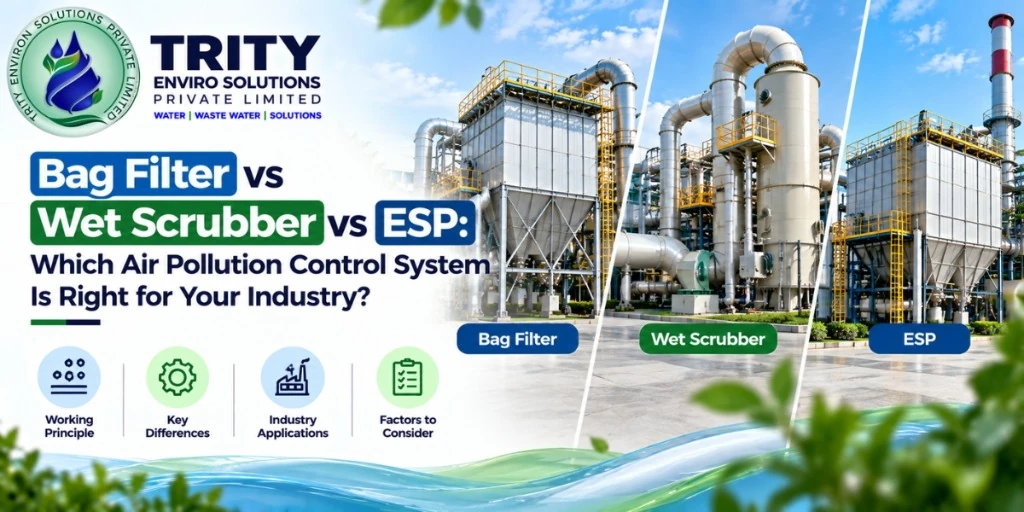
Bag filter vs wet scrubber vs ESP: compare efficiency, gas temperature limits, pressure drop, wastewater and cost to pick the right dust control system.
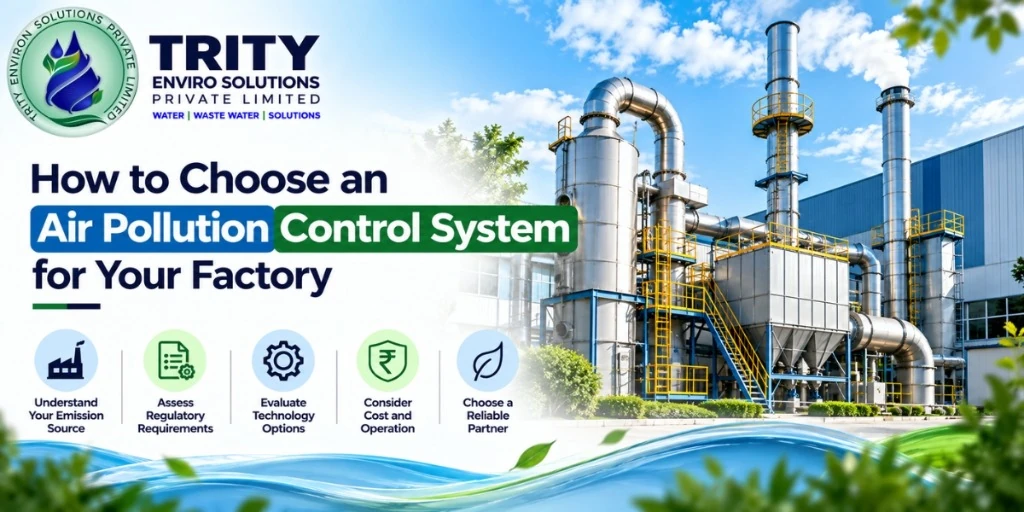
A step-by-step guide to choosing an air pollution control system for your factory: pollutants, gas data, technology options, cost drivers and supplier checks.
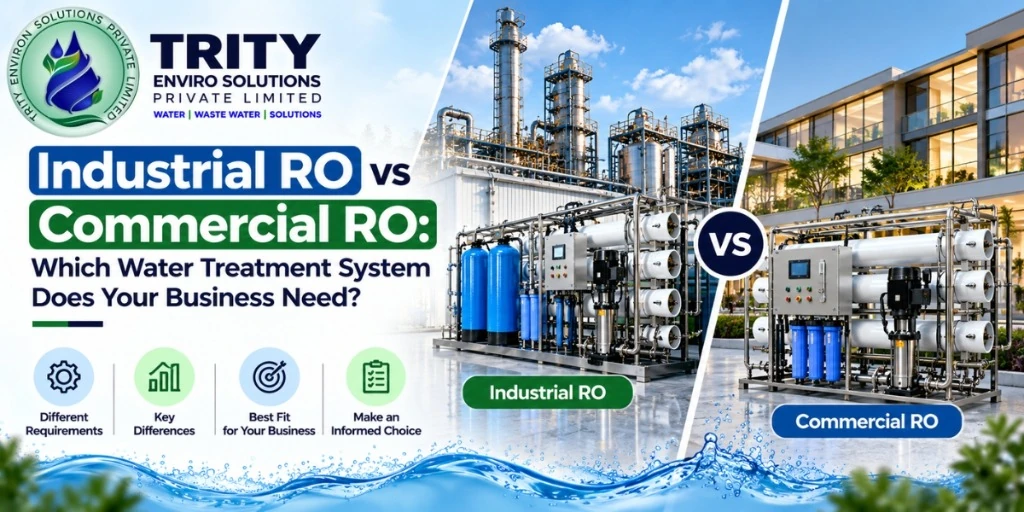
Industrial RO vs commercial RO: compare capacity, build quality, feed TDS, duty cycle and running cost to pick the right plant for your business and budget.
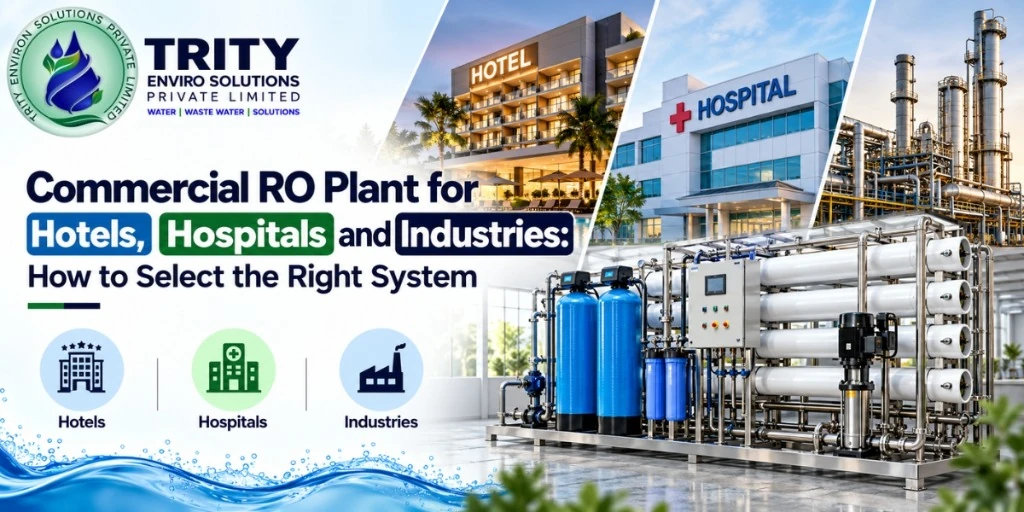
Choosing a commercial RO plant for a hotel, hospital or industry? Learn how to size capacity, read feed water reports, compare quotes and plan maintenance.
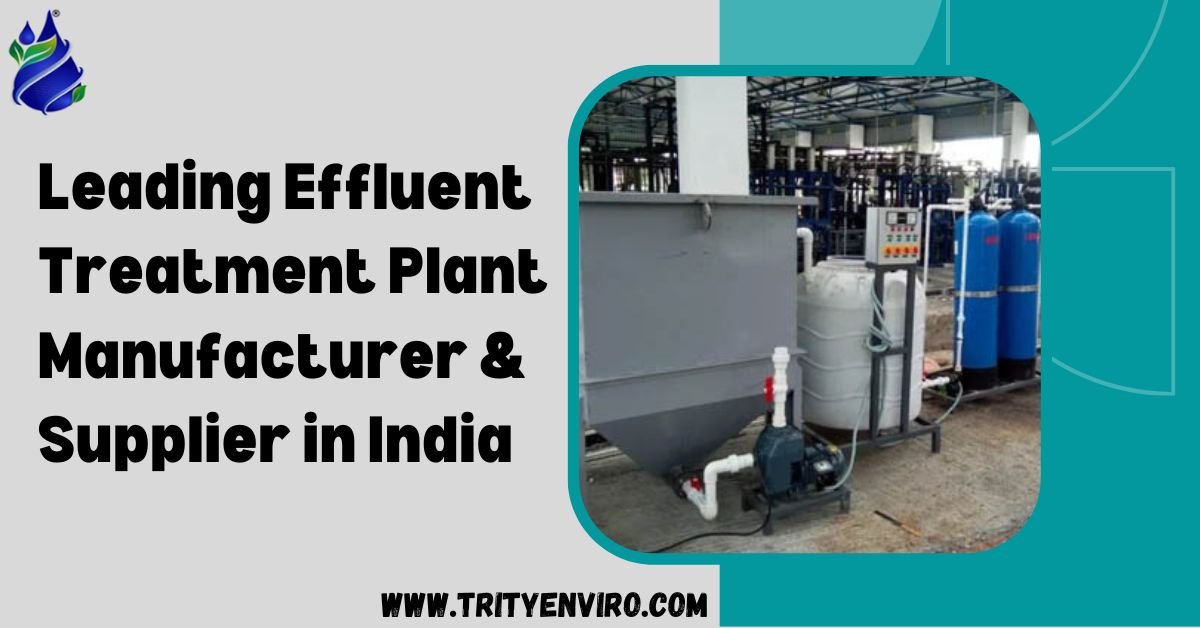
Trity Enviro Solution provides high-quality, customized effluent treatment plants in India, ensuring regulatory compliance, sustainability, and efficient water treatment.
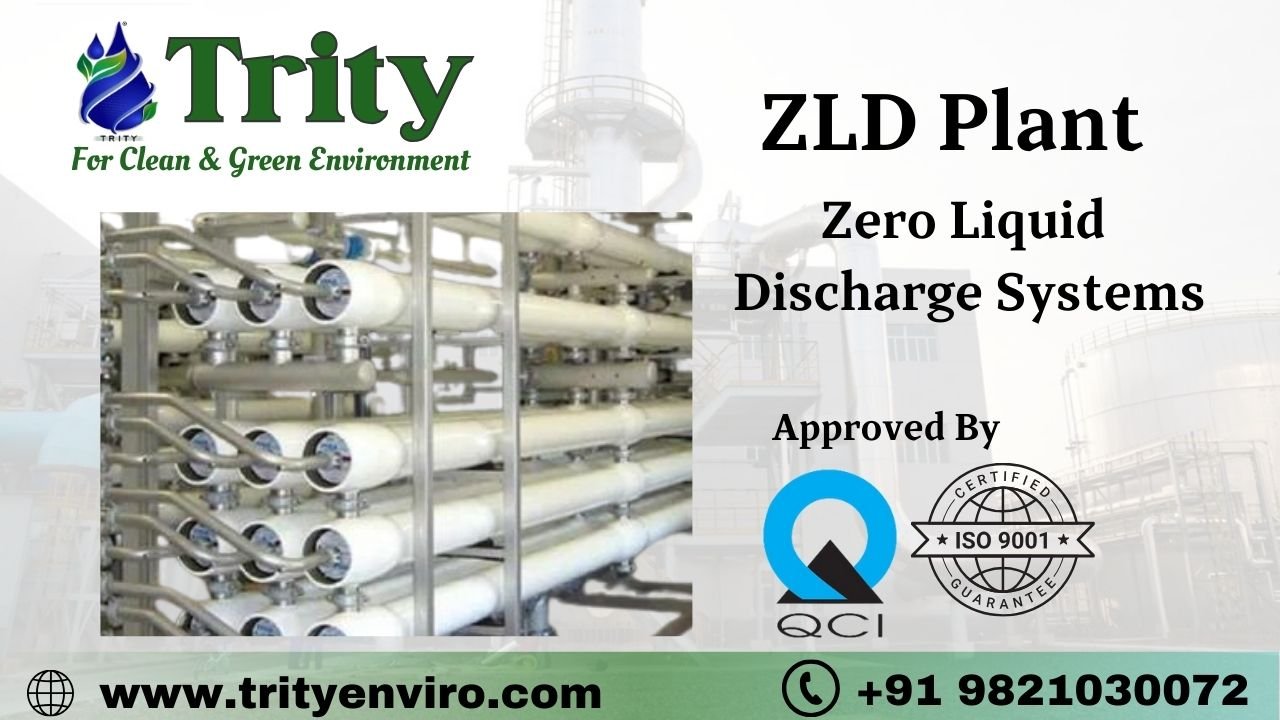
The core concept of Zero Liquid Discharge explained step by step: pretreatment, concentration, evaporation, crystallization, and what gets recovered.
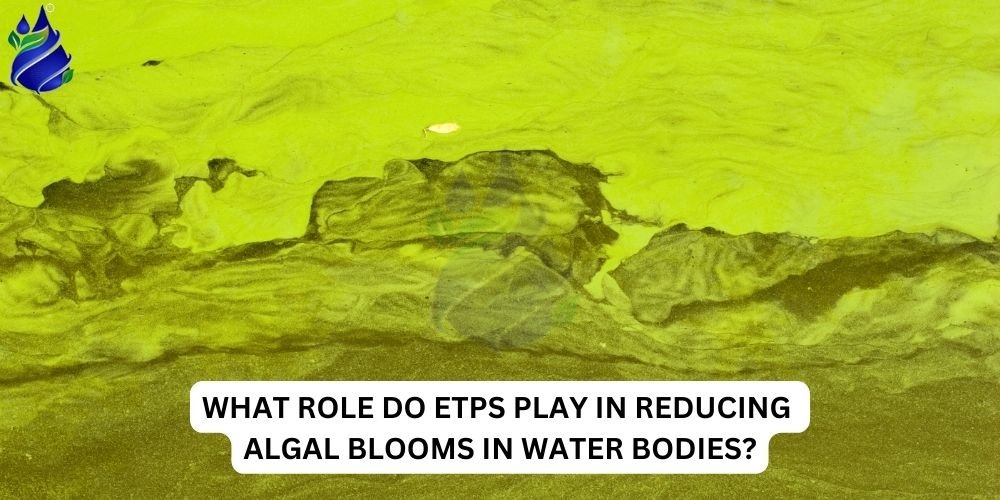
How ETPs prevent algal blooms through biological nutrient removal, the eutrophication chain explained, and why standard treatment often isn't enough.



Discuss your requirements with our engineering team and get practical guidance for your project.