Diagram of Water Pollution
Explore the water pollution diagram highlighting sources and effects of pollutants. Understand how industrial, agricultural, and residential waste impacts water.

 ISO 9001:2015 & QCI Approved
These three acronyms get used interchangeably far more often than they should. Getting the distinction right isn't just semantics, choosing the wrong one can mean installing a system that legally cannot treat your wastewater.
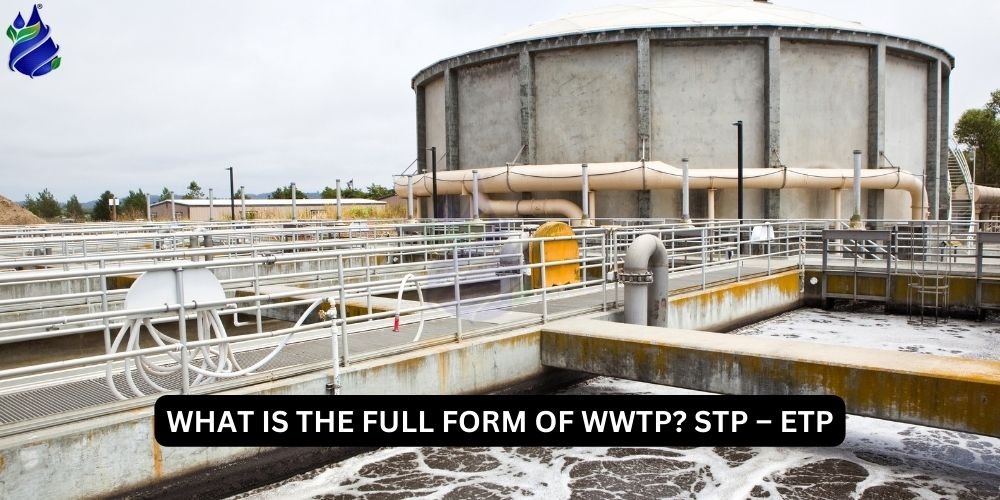
All three terms describe facilities that remove contaminants from water before it's discharged or reused. The difference lies in what kind of wastewater each one is built to treat.
Understanding this distinction matters practically, not just academically, since choosing the wrong system type for your project can mean expensive non-compliance down the line.
WWTP stands for Wastewater Treatment Plant, the broadest of the three terms. It's an umbrella category covering any facility that treats used water, regardless of source:
Internationally, particularly in the US and Europe, "WWTP" is often the default term used regardless of whether the facility is treating household sewage or industrial effluent. In India, the term appears in official and technical documentation but is used less in everyday conversation than the more specific "STP" and "ETP."
STP stands for Sewage Treatment Plant, and specifically treats domestic wastewater:
STPs are required under Indian regulations for apartments, commercial construction projects, educational institutions, townships, and area development projects meeting specified size thresholds. CPCB Class A discharge standards for a properly functioning STP require BOD at or below 10 mg/L, TSS at or below 10 mg/L, and faecal coliform at or below 100 MPN per 100 mL, water considered safe for flushing, irrigation, and cooling tower use.
ETP stands for Effluent Treatment Plant, and specifically treats industrial wastewater:
Because industrial effluent varies so dramatically by sector, a pharmaceutical plant's ETP looks meaningfully different from a textile unit's ETP, even though both fall under the same acronym.
A 2020 CPCB report submitted to the National Green Tribunal shows just how large each category actually is:
These numbers illustrate that ETPs and STPs are by far the more commonly referenced categories in Indian regulatory and industry conversation, which is why "WWTP" tends to appear more in academic or international contexts than in day-to-day Indian project discussions.
A few recurring errors show up when these terms get confused:
| Term | Full Form | Treats | Who Needs It |
|---|---|---|---|
| WWTP | Wastewater Treatment Plant | Any wastewater (broadest term) | Used as an umbrella term, especially internationally |
| STP | Sewage Treatment Plant | Domestic sewage | Apartments, hotels, hospitals, schools, offices |
| ETP | Effluent Treatment Plant | Industrial effluent | Factories, pharma, textile, chemical, food processing units |
| CETP | Common Effluent Treatment Plant | Combined industrial effluent | Industrial clusters sharing treatment infrastructure |
Knowing which acronym applies to your project matters most at the very beginning of planning, before a design gets finalized around the wrong contaminant profile. A quick way to check: identify where your wastewater actually comes from first (toilets and kitchens versus a manufacturing process), and let that answer determine the terminology and the technology, rather than starting from a term you've heard used loosely in conversation and working backward.
Part of why these terms blur together in everyday use is that all three systems share the same basic building blocks: screening, settling, biological treatment, and disinfection. The difference lies almost entirely in what gets added or adjusted around that core sequence to handle the specific contaminant profile involved, chemical precipitation stages for heavy metals in an ETP, or simpler biological treatment alone for straightforward domestic sewage in an STP. Vendors and contractors who understand this distinction well tend to ask detailed questions about your wastewater source before quoting a system; those who don't often quote a generic "treatment plant" without clarifying which category actually fits your project, a gap worth noticing during the vendor selection process itself.
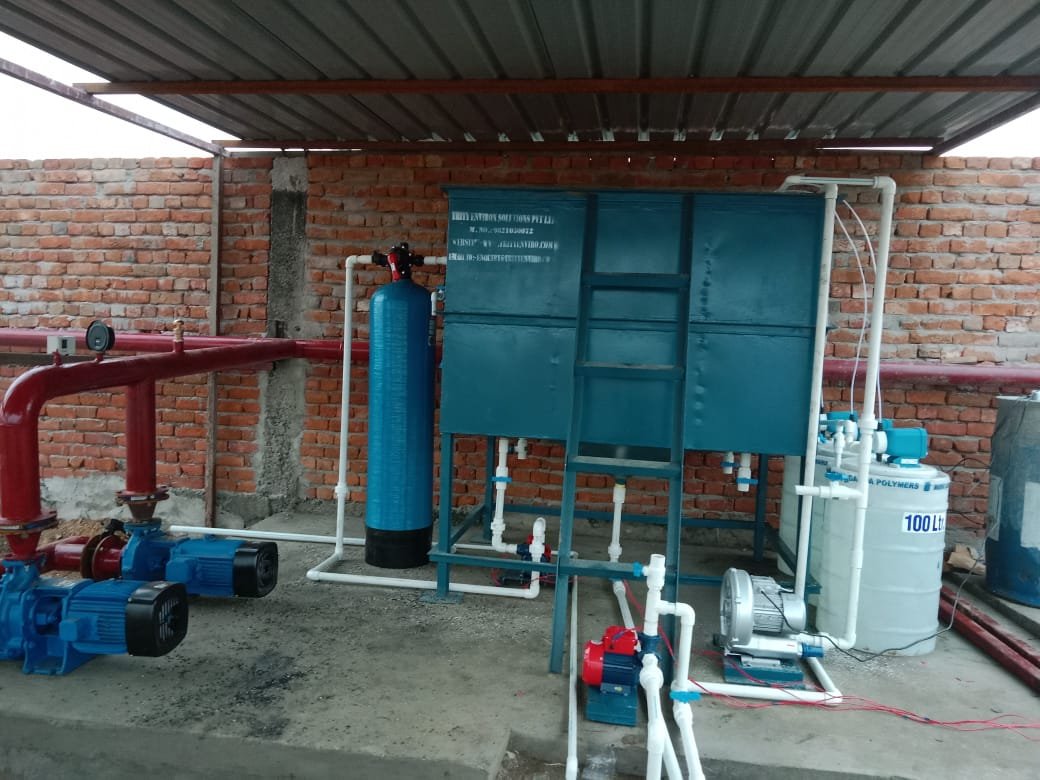
Trity Environ Solutions is an experienced STP and ETP manufacturer in India, and our engineering team helps clients determine exactly which system, or combination of systems, their specific facility actually needs, rather than defaulting to whichever term sounds most familiar. As a trusted wastewater treatment plant manufacturer and supplier, we design STPs, ETPs, and combined hybrid systems for facilities generating both domestic and industrial wastewater.
Every installation is backed by pan-India Annual Maintenance Contract and operation and maintenance support. We are ISO 9001:2015 certified, QCI approved, and deliver CPCB-compliant engineering nationwide.
Not sure whether your facility needs an STP, an ETP, or both? Call +91-9821030072 or email enquiry@trityenviro.com, or request a free site assessment from our engineering team.
Explore the water pollution diagram highlighting sources and effects of pollutants. Understand how industrial, agricultural, and residential waste impacts water.

Discover how wastewater treatment is reshaping the future by reclaiming, recycling, and reusing water to address global water shortages and drive sustainability.
Discover how circular economy transforms wastewater into clean water, energy, and fertilizers—promoting sustainability, reducing waste, and saving resources.

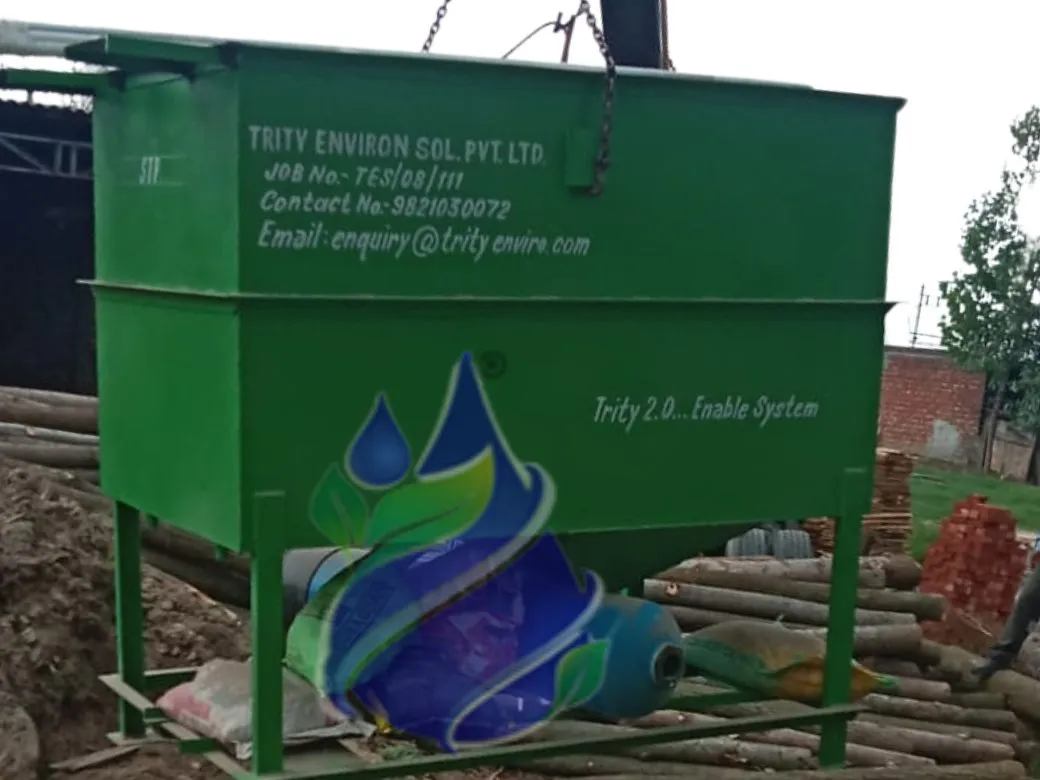
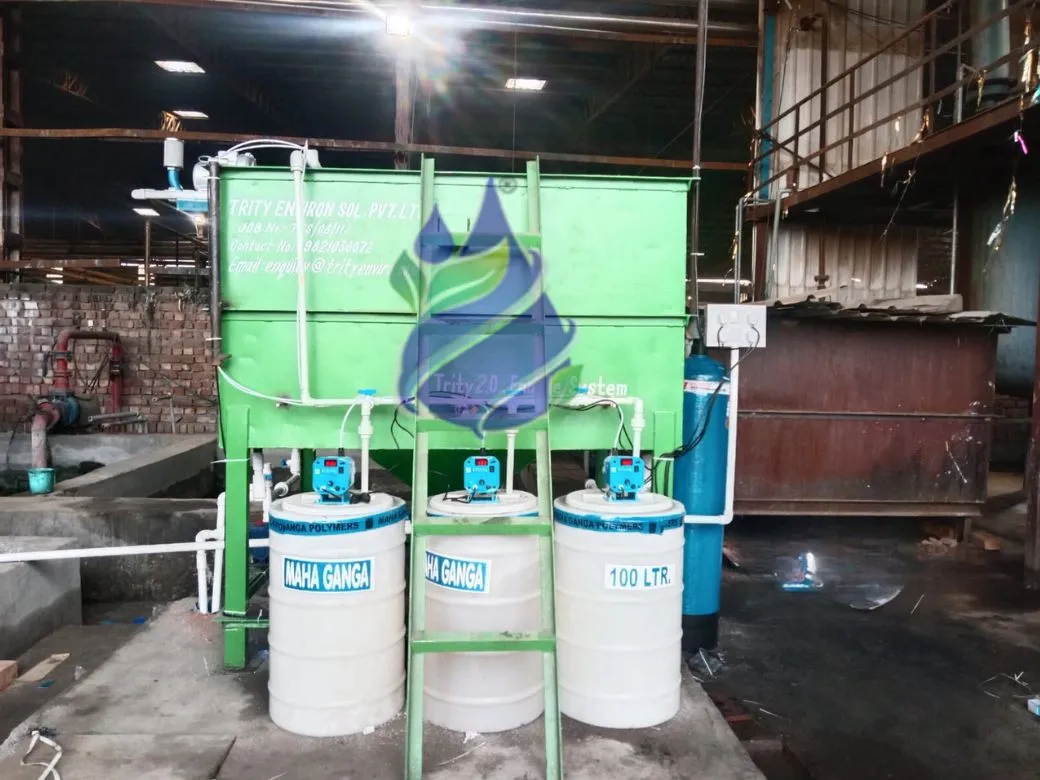



Discuss your requirements with our engineering team and get practical guidance for your project.