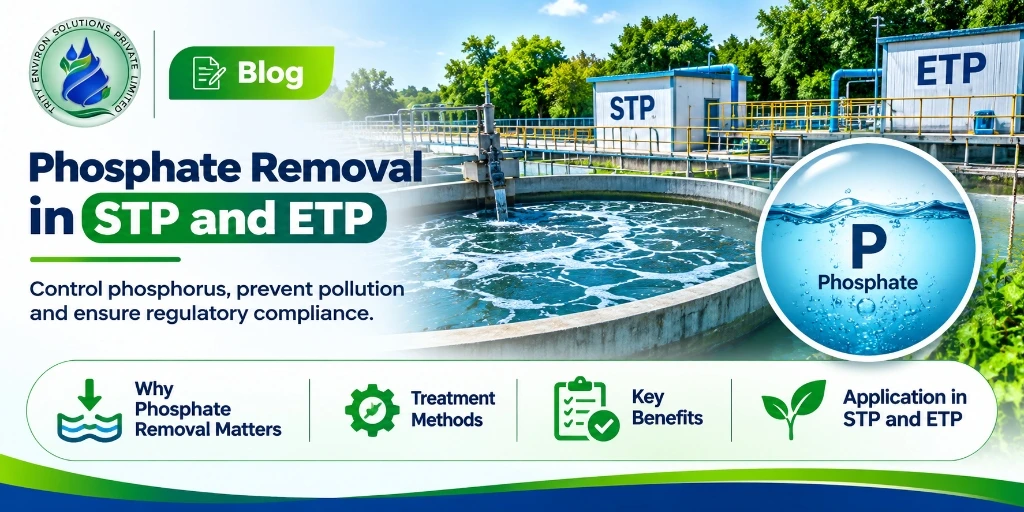
Phosphate Removal in STP and ETP
Trity Enviro explains phosphate removal in STP and ETP: sources, norms, alum and ferric dosing, biological removal and a worked dosing example.

 ISO 9001:2015 & QCI Approved
Our blog covers practical engineering topics for anyone planning or operating a Sewage Treatment Plant or Effluent Treatment Plant in India. You will find capacity calculation guides, technology comparisons like MBBR versus SBR versus MBR, industry specific treatment guides for pharma, textile and dairy effluent, and state wise pollution control board compliance requirements. These articles are written by our engineering team based on real project experience, not generic content, so you get information you can actually use when planning a plant or preparing for compliance.
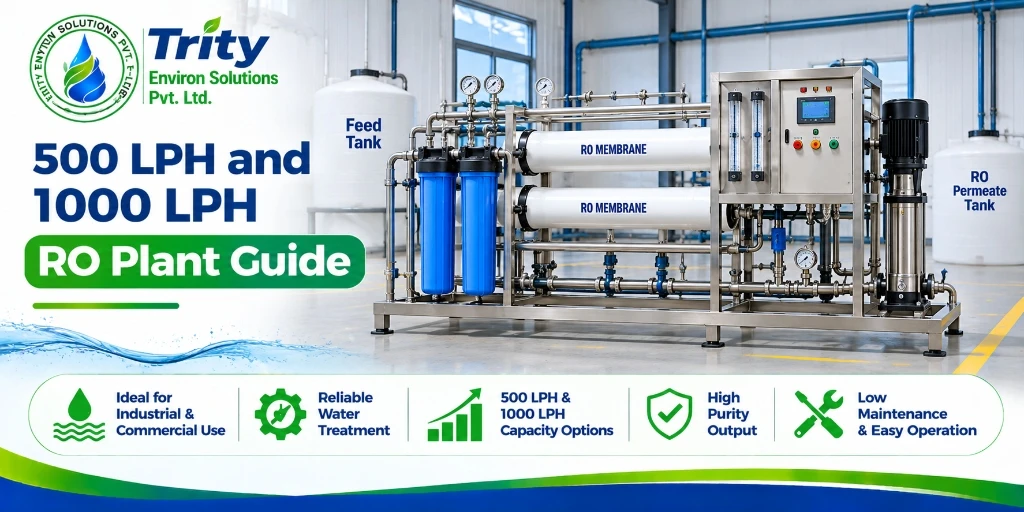
Trity Enviro explains 500 LPH and 1000 LPH RO plants: membranes, feed flow, recovery, power, pre-treatment and who each size suits, with a sizing example.
Read Full Article
Trity Enviro explains phosphate removal in STP and ETP: sources, norms, alum and ferric dosing, biological removal and a worked dosing example.
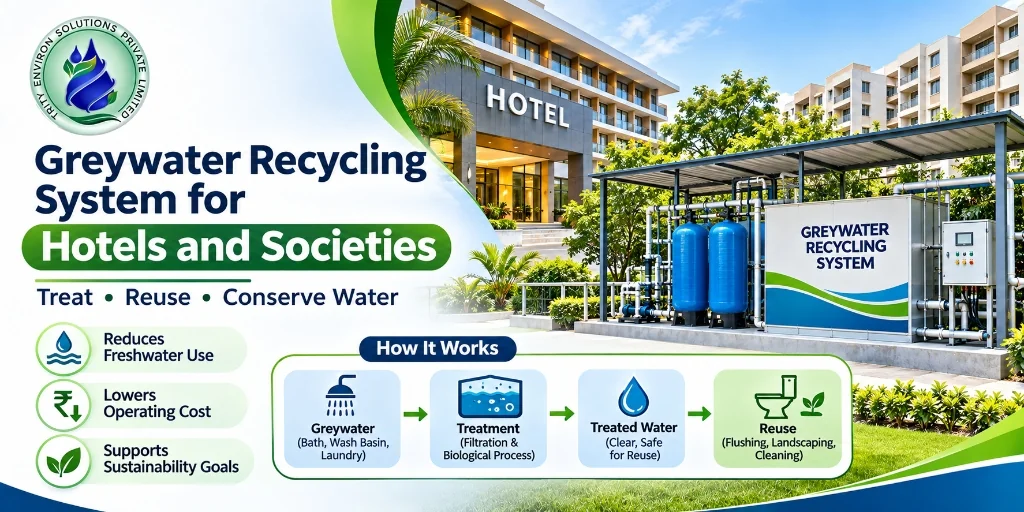
Trity Enviro explains greywater recycling for hotels and societies: sources, treatment train, dual plumbing, reuse quality and a worked 200 flat example.
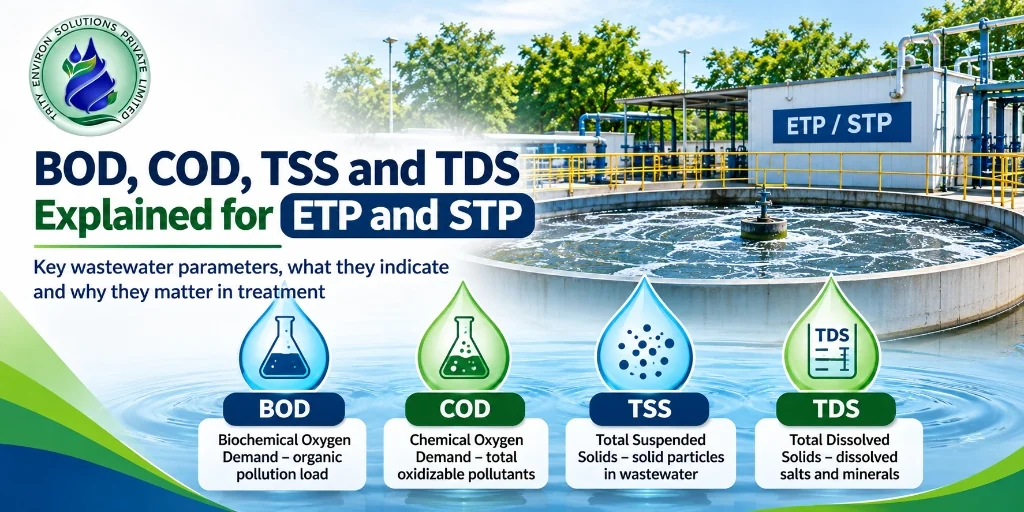
Trity Enviro explains BOD, COD, TSS, TDS and pH: what each test measures, typical values, CPCB limits and how to read your ETP or STP lab report.
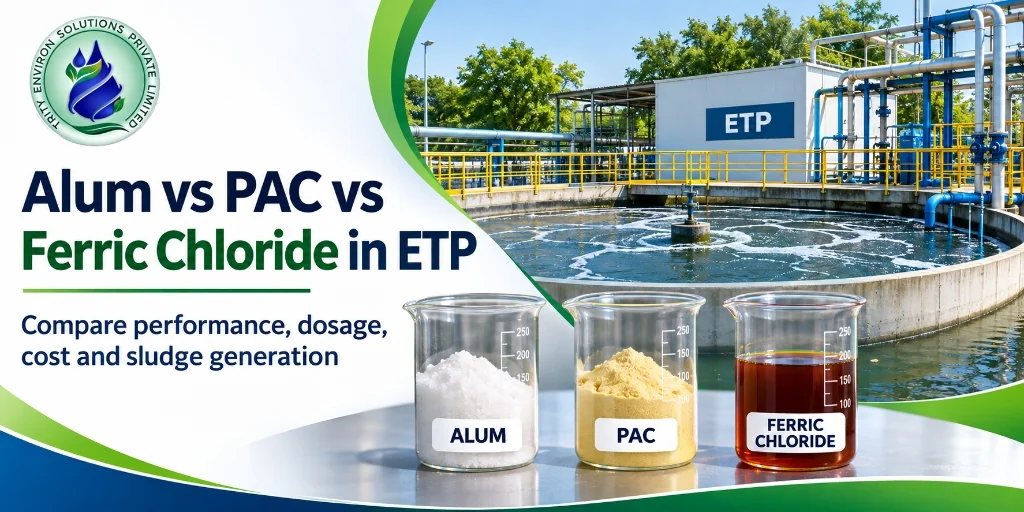
Trity Enviro compares alum, PAC and ferric chloride for ETP and STP: pH range, alkalinity use, sludge, cost, polymer choice and how to run a jar test.
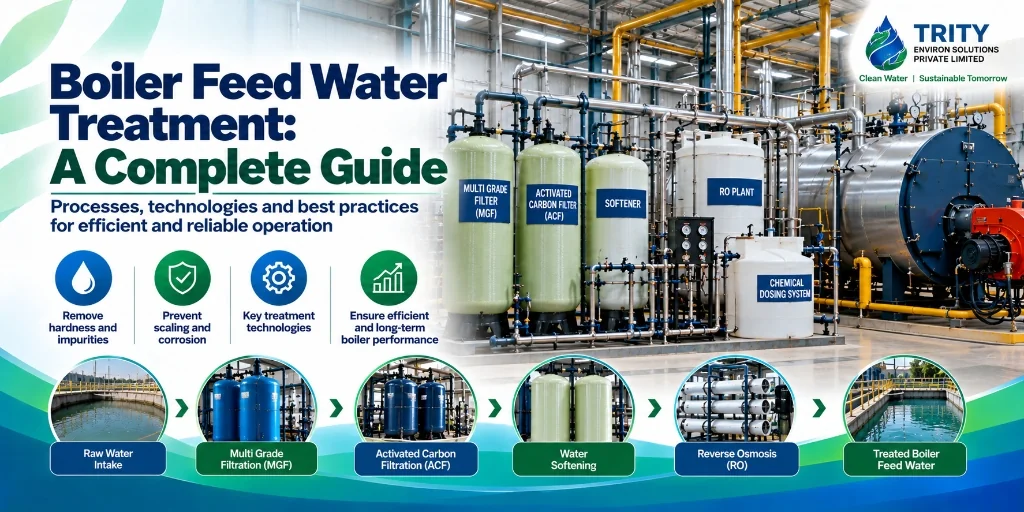
Trity Enviro explains boiler feed water treatment: softener, RO, DM, deaeration, dosing and blowdown, with a worked example and supplier checks.
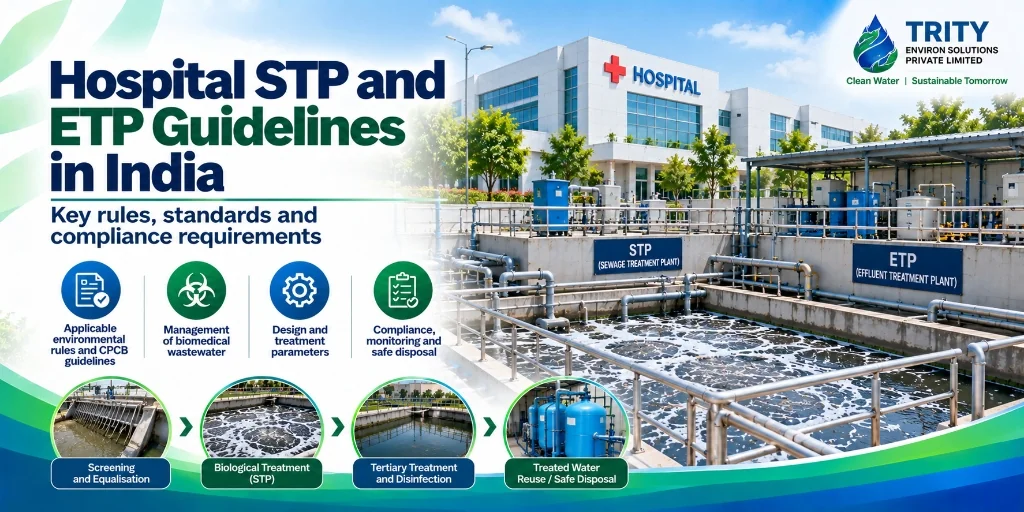
Trity Enviro explains hospital STP and ETP guidelines in India: BMW Rules standards, design per bed, treatment train, disinfection and records.
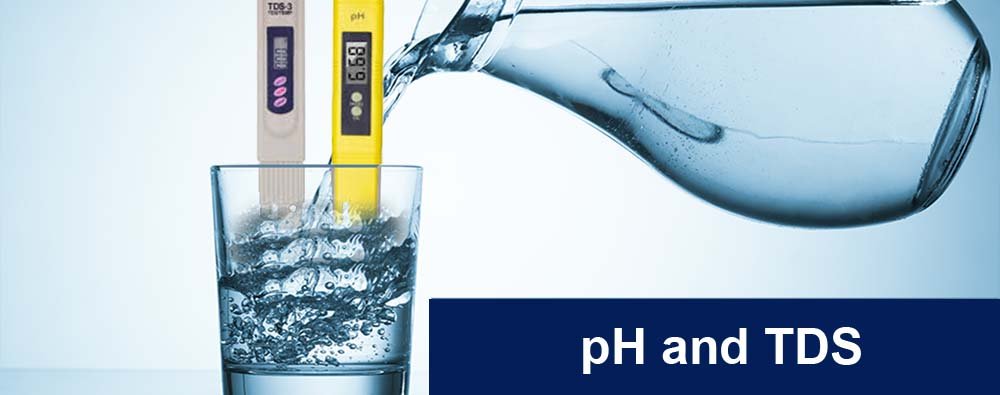
Learn the key difference between pH and TDS in water, their ideal ranges, health impacts, and industrial use. Expert water treatment guidance by Trity Environ Solutions.
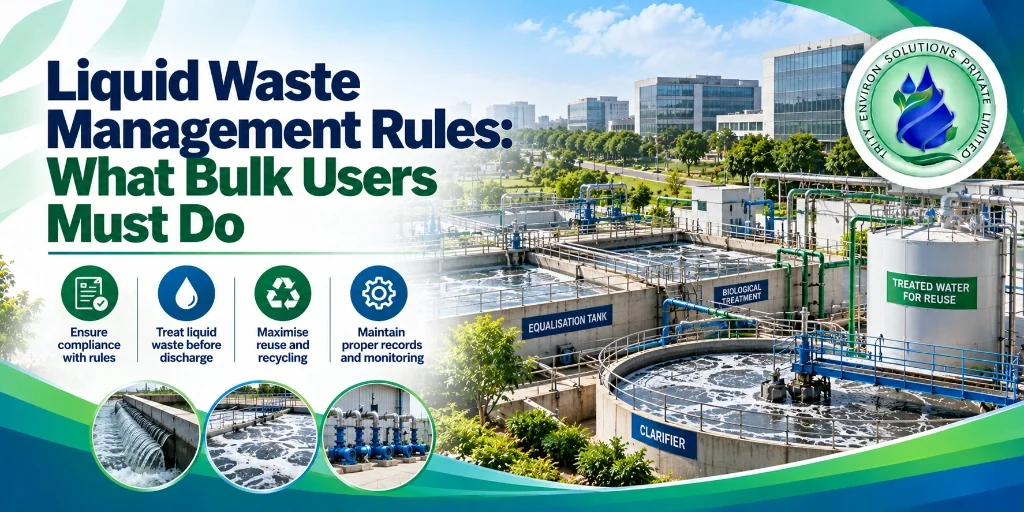
Trity Enviro explains the draft Liquid Waste Management Rules: bulk user limits, EUR certificates, reuse targets and how to prepare your wastewater system.
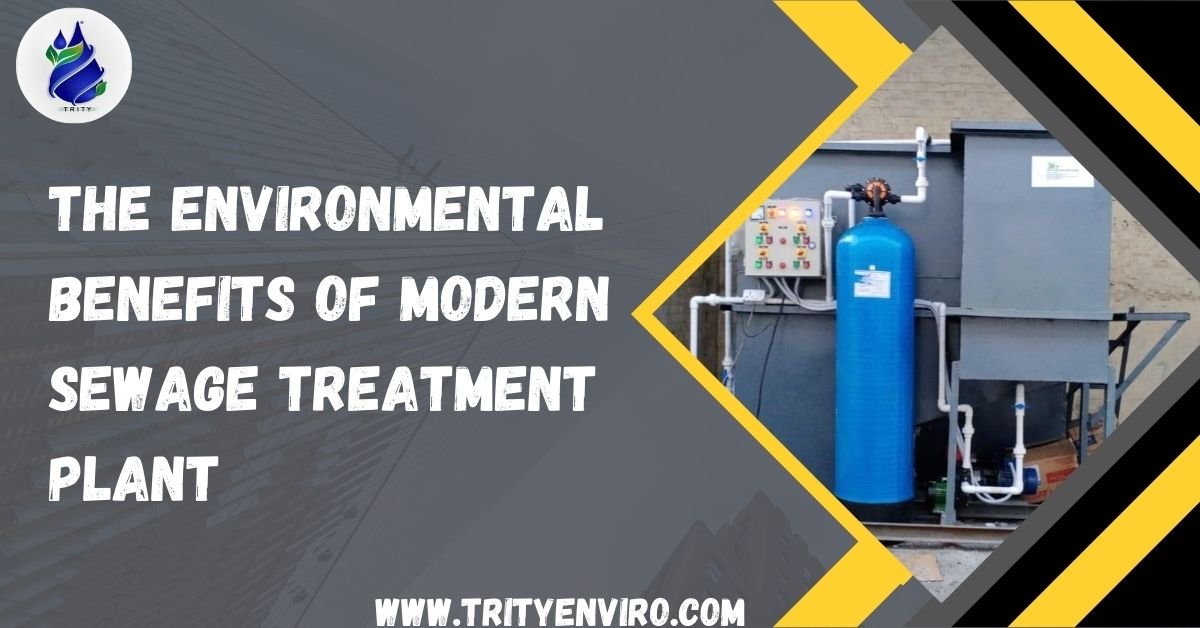
Modern sewage treatment plants reduce water pollution, conserve freshwater, cut greenhouse gases, improve soil, protect aquatic life, and promote public health.











Discuss your requirements with our engineering team and get practical guidance for your project.

