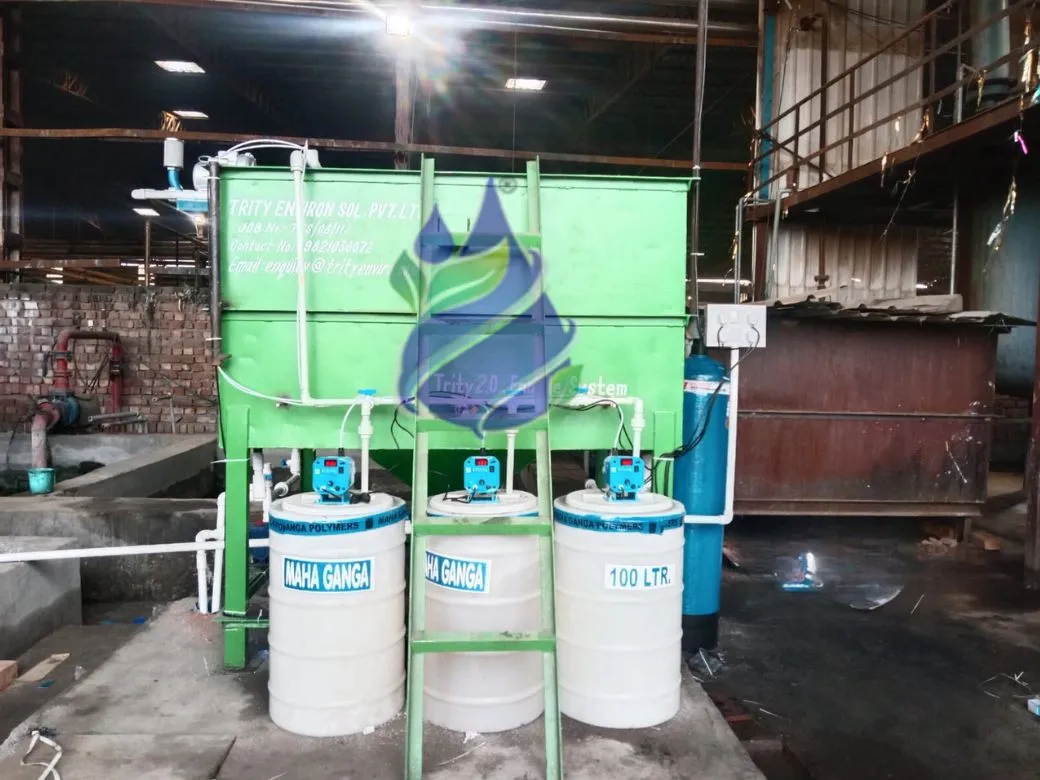
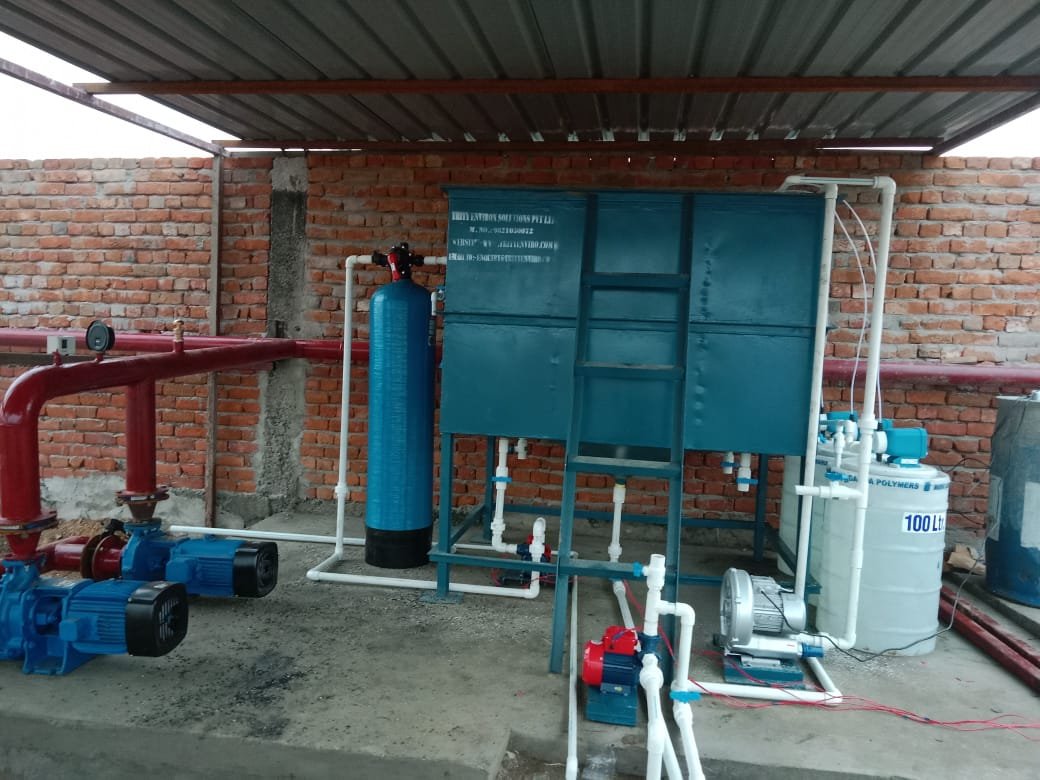
Electrocoagulation: Revolutionizing Industrial Wastewater Treatment
Discover how electrocoagulation offers a cost-effective, eco-friendly solution for industrial wastewater treatment with high pollutant removal.

 ISO 9001:2015 & QCI Approved
Our blog covers practical engineering topics for anyone planning or operating a Sewage Treatment Plant or Effluent Treatment Plant in India. You will find capacity calculation guides, technology comparisons like MBBR versus SBR versus MBR, industry specific treatment guides for pharma, textile and dairy effluent, and state wise pollution control board compliance requirements. These articles are written by our engineering team based on real project experience, not generic content, so you get information you can actually use when planning a plant or preparing for compliance.
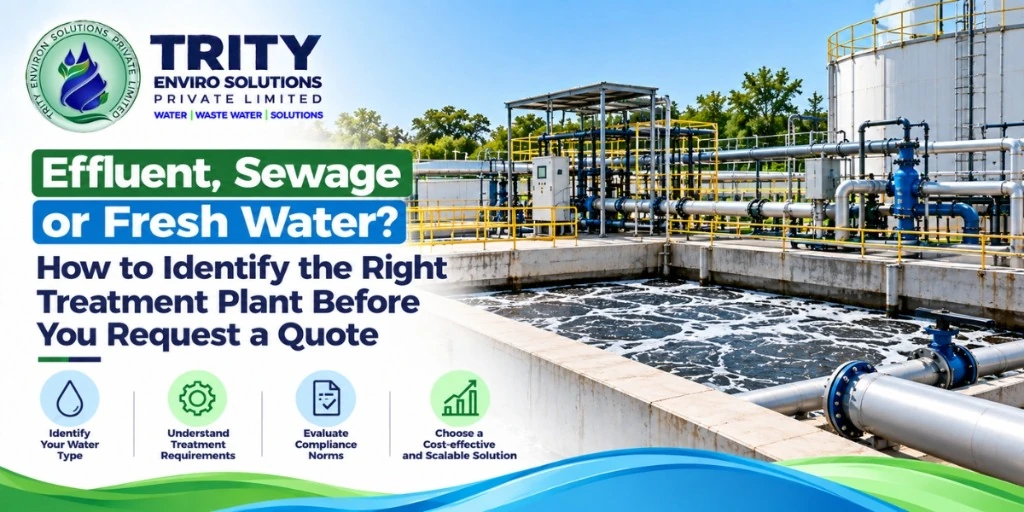
Not sure if you need an ETP, STP or water treatment plant? Learn how to identify your water type, what data to share and how to compare quotes before ordering.
Read Full Article
Discover how electrocoagulation offers a cost-effective, eco-friendly solution for industrial wastewater treatment with high pollutant removal.

Explore government policies, subsidies, and incentives driving sustainable water reuse for industries, agriculture, and urban infrastructure in India.

Empower communities with sustainable wastewater solutions. Learn how local participation boosts efficiency, education, and environmental care

Onsite water recycling systems reduce urban water scarcity, cut costs, and support sustainable reuse through smart, decentralized technology.

Integrate wastewater management with urban planning using Water-Sensitive Urban Design for sustainability, water reuse, and climate resilience

Discover how green bridges use eco-tech methods like biofiltration and wetlands to clean polluted rivers and lakes naturally and sustainably
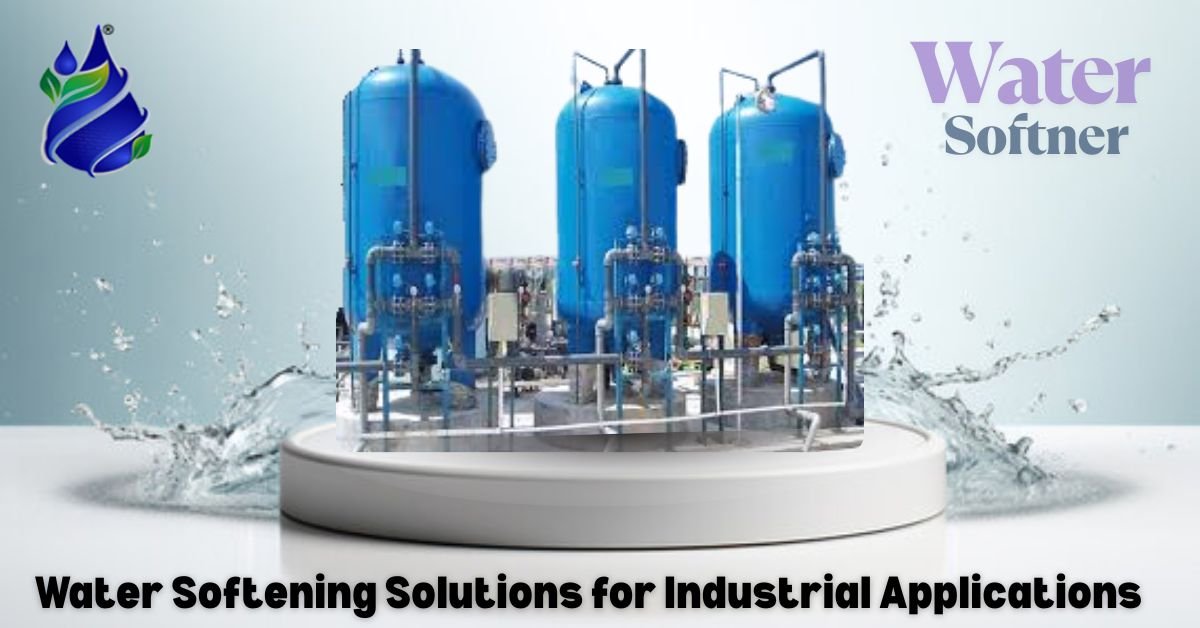
Protect industrial equipment with advanced water softening. Boost efficiency, cut downtime, and reduce costs with tailored softening solutions.
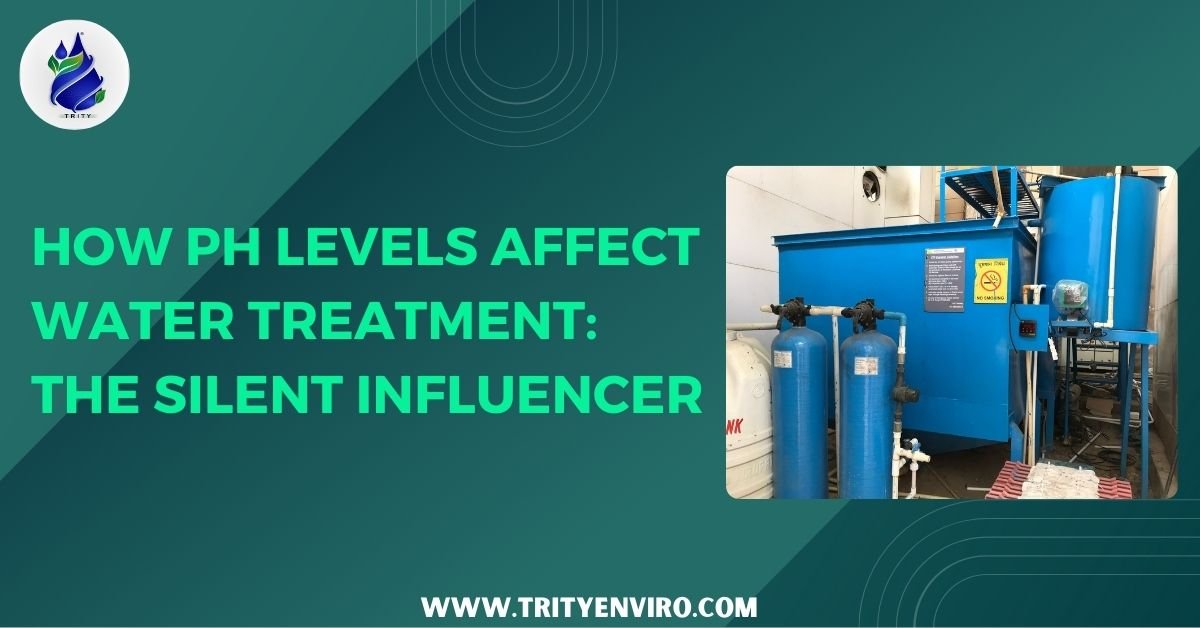
Learn how pH levels impact water treatment, filtration efficiency, corrosion, and disinfection, and why maintaining optimal pH balance is crucial for water quality.

Learn the normal TDS level in drinking water, BIS IS 10500 and WHO safe ranges, health effects of high/low TDS, and how to fix it with RO.

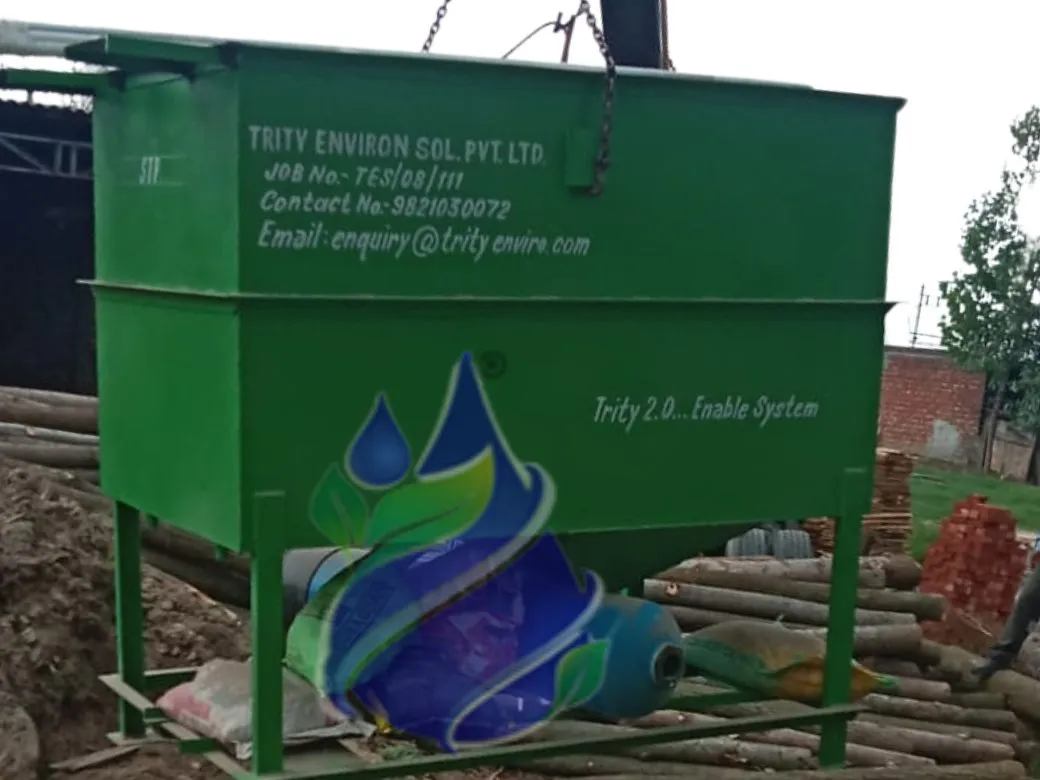



Discuss your requirements with our engineering team and get practical guidance for your project.