TRITY ENVIRO
WATER • WASTEWATER • RECYCLING

Are ETP and STP Plants Suitable for Small-Scale Industries?

Yes, ETPs and STPs are suitable for small-scale industries, but not in the same form or scale as a large plant's system. Getting the right-sized approach matters more than the yes-or-no answer itself.

Are ETP and STP Plants Suitable for Small-Scale Industries?

The Short Answer: Yes, With the Right Approach

ETPs and STPs are genuinely suitable for small-scale industries, but the approach has to be tailored to their specific constraints rather than scaled-down versions of large industrial designs. Done right, these systems deliver real advantages:

  • Environmental compliance: Meeting discharge norms and avoiding legal and financial penalties
  • Long-term cost savings: In-house treatment is often more economical than relying on external tanker disposal over time
  • Efficient resource use: Optimized water and energy consumption, reducing utility bills
  • Reuse opportunities: Treated water can potentially be reused within the same operation

The word "suitable" does a lot of work in this question, though. A conventional large-industry ETP scaled down proportionally rarely works well for a small unit, since the fixed costs of civil construction, specialized staffing, and chemical dosing infrastructure don't shrink proportionally with capacity. The right framing isn't "can small industries use the same treatment approach as large ones," it's "what treatment approach genuinely fits a small unit's actual constraints."

The Real Constraints Small Industries Face

Small-scale industries generally cannot benefit from economies of scale the way large plants can, and this creates specific, well-documented barriers:

  • Land and space limitations: Many small units operate in compact facilities with no room for a conventional multi-tank treatment system
  • Capital cost burden: Upfront investment for full-fledged treatment infrastructure often falls disproportionately heavy on smaller operations
  • Specialized manpower scarcity: Finding and retaining trained operators is genuinely harder for a single small unit than for a larger facility with dedicated staff
  • Unplanned growth patterns: Rapid, informal expansion common among small industries often outpaces any treatment infrastructure originally installed

Compact and Modular Technology Options

Modern treatment technology has closed much of the gap that once made small-scale ETPs impractical:

  • Membrane-based systems that run continuously, delivering constant high-quality discharge within a genuinely compact footprint
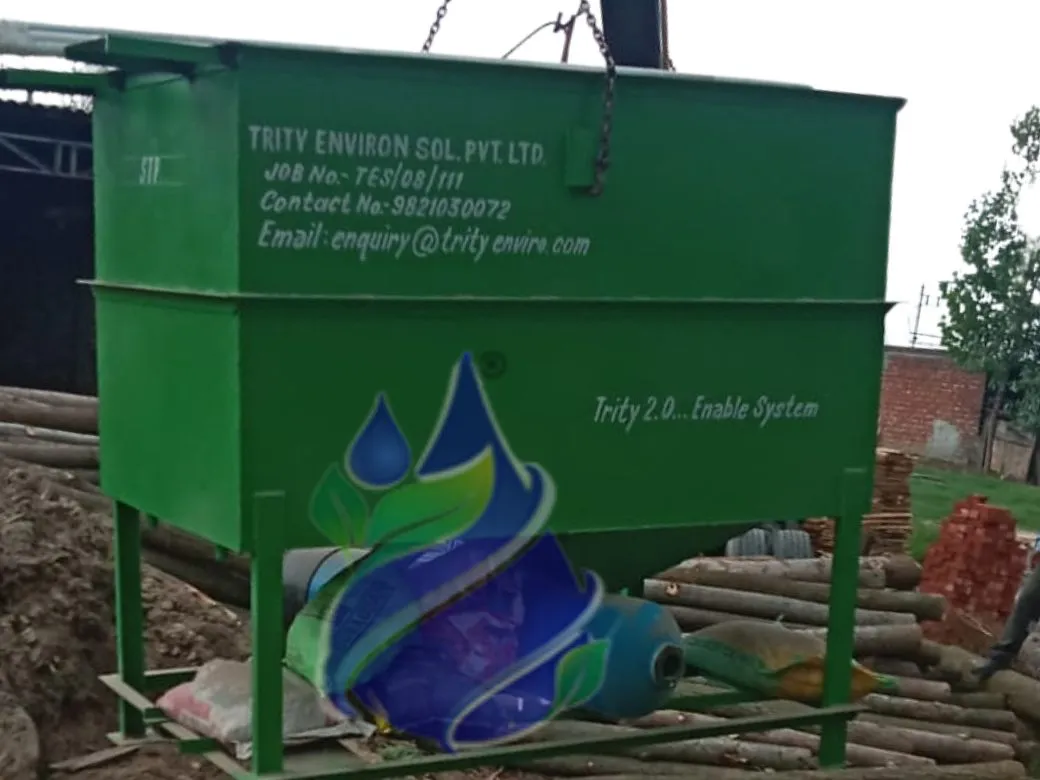
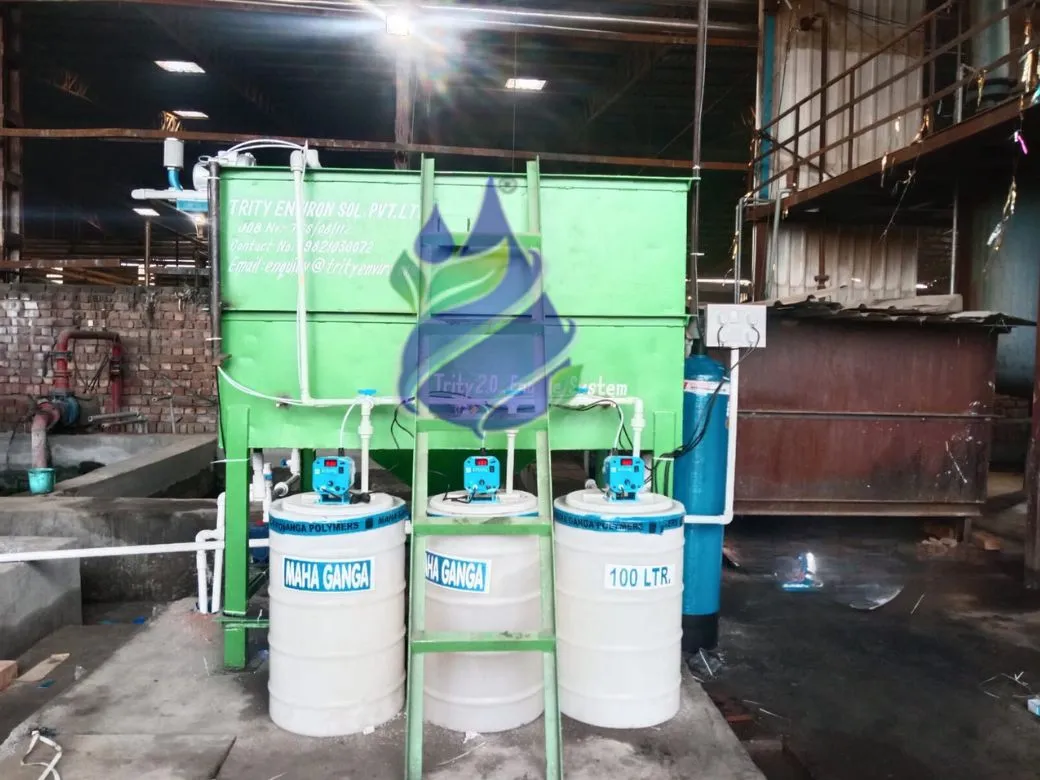
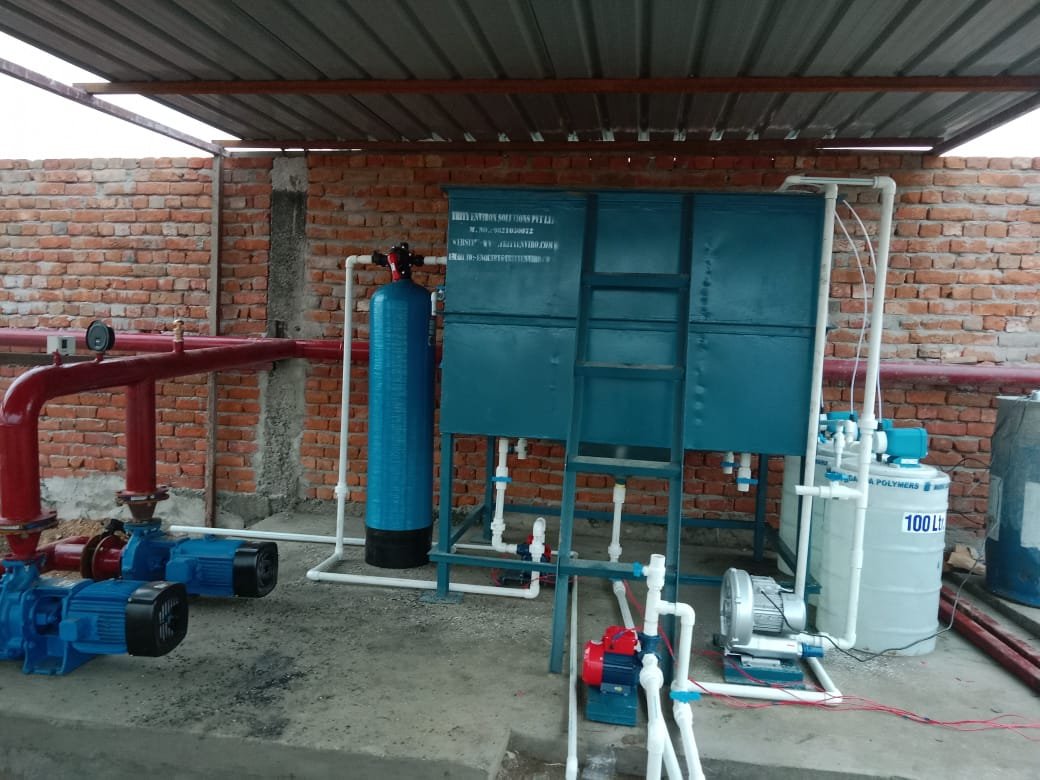
  • Skid-mounted, factory-built units requiring minimal on-site civil construction compared to a conventional built-in-place plant
  • Package plants sized specifically for the 1-25 KLD range common among small manufacturing and processing units

These options directly address the historical problem that a full-scale treatment plant, sized and priced for large industrial volume, was simply not viable for a small unit's actual footprint or budget. A decade ago, a small dyeing unit or food processing operation had genuinely limited options beyond an oversized, expensive conventional plant; today, factory-built package systems bring the same core treatment principles into a form small operators can actually afford and physically fit on-site.

When a Common ETP Makes More Sense Than Standalone

For small industries operating within an industrial cluster or estate, a Common Effluent Treatment Plant (CETP) frequently outperforms an individual standalone system:

  • Shared capital and operating cost, since expense spreads across all participating units rather than falling on one
  • Compact footprint through vertical, modular design, freeing up individual plot space for actual production
  • Access to better technology and expert staff that no single small unit could justify hiring on its own
  • Simplified regulatory monitoring, since authorities work with one centralized facility rather than dozens of individual small dischargers

A CETP is particularly well suited to clusters of similar industries, textile dyeing estates or chemical manufacturing zones, for instance, since combined effluent from related processes is easier to design a single treatment train around than a mix of completely unrelated waste streams.

Government Support Available

Multiple Indian states offer direct financial support specifically to reduce the barrier small units face:

  • Several states provide CETP-specific capital subsidies, in some cases up to 25% of investment cost
  • Interest subvention on loans taken for treatment infrastructure, commonly 50%, has been offered in multiple state MSME policies
  • Some states offer financial assistance of several crore rupees specifically earmarked for Common Effluent Treatment Plant establishment in approved industrial parks

These schemes vary meaningfully by state and change periodically, so checking current eligibility with your state's MSME or industries department before finalizing a budget is essential.

Making the Right Choice for Your Unit

The right path depends on your unit's specific circumstances:

  • Standalone compact ETP: Best for units with genuine space availability and effluent characteristics different enough from neighbouring units that shared treatment wouldn't fit well
  • CETP participation: Best for units within an established industrial cluster, especially where neighbouring units generate broadly similar effluent
  • Hybrid approach: Basic on-site primary treatment (removing gross solids and oil) before discharging into a CETP, reducing the load the shared facility needs to handle

Whichever route fits, the underlying principle stays the same: effluent treatment is not optional for small-scale industries, but the format it takes should be sized around genuine constraints, not a one-size-fits-all industrial template.

Common Concerns Small Business Owners Raise

A few recurring worries come up repeatedly when small-scale industry owners first consider treatment investment, and each has a genuine, practical answer:

  • "We don't have the space." Modern skid-mounted and vertical modular systems fit into a fraction of the footprint older civil-built plants required, and a CETP removes the space requirement from the individual unit entirely.
  • "We can't afford a full technical team." CETP participation shifts the specialized manpower requirement to the shared facility's staff, and even standalone compact systems increasingly use automated dosing and monitoring that reduces daily manual intervention.
  • "Our production volume is too unpredictable to size a plant around." Package plants with modest additional capacity margin, or CETP participation with its inherent flexibility across multiple contributing units, both absorb this variability far better than a single small unit trying to size its own system around its own unpredictable output alone.

Addressing these concerns directly, rather than assuming a small business owner already understands the available options, is often what actually moves a hesitant unit from indefinite postponement to a working, compliant treatment solution.

Industry Applications / Use Cases

Unit with severe space constraints Vertical/modular CETP or compact membrane system Minimal civil footprint

Why Choose Trity Enviro

Trity Environ Solutions is an experienced ETP and STP manufacturer in India, and our engineering team designs both standalone compact systems and shared CETP infrastructure specifically for small and mid-scale industrial units. As a trusted wastewater treatment plant manufacturer and supplier, we help small businesses evaluate whether an individual system or CETP participation genuinely fits their space, budget, and effluent profile, rather than defaulting to whichever is easier to sell.

Every installation is backed by pan-India Annual Maintenance Contract and operation and maintenance support. We are ISO 9001:2015 certified, QCI approved, and deliver CPCB-compliant engineering nationwide.

Need a right-sized ETP or STP solution for your small-scale unit?

Call +91-9821030072 or email enquiry@trityenviro.com, or request a free site assessment from our engineering team.

Previous Article Next Article
TECHNICAL QUESTIONS

Frequently Asked Questions

Yes, particularly with compact, skid-mounted systems designed for smaller daily volumes, combined with available state MSME subsidies that can cover a meaningful share of capital cost for treatment infrastructure.
Land and space limitations, capital cost burden, and lack of specialized manpower are the three most commonly documented barriers, since small industries generally cannot benefit from the economies of scale larger facilities enjoy.
CETP participation works best for units within an industrial cluster generating broadly similar effluent, since it spreads capital and operating cost, provides access to better technology and expert staff, and simplifies regulatory monitoring.
Yes, several Indian states offer CETP-specific capital subsidies (in some cases up to 25%), interest subvention on loans (commonly around 50%), and dedicated financial assistance for CETP establishment in approved industrial parks, though schemes vary by state.
Membrane-based systems and skid-mounted, factory-built package plants offer continuous, high-quality treatment within a genuinely compact footprint, making them well suited to small units without room for conventional multi-tank treatment designs.
KEEP READING

Related Technical Articles

View All Articles →
PROVEN EXPERIENCE

Featured Turnkey Installations

Need Expert Support for Your Water Treatment Project?

Discuss your requirements with our engineering team and get practical guidance for your project.


QCI Approved
seller
whatsapp-image