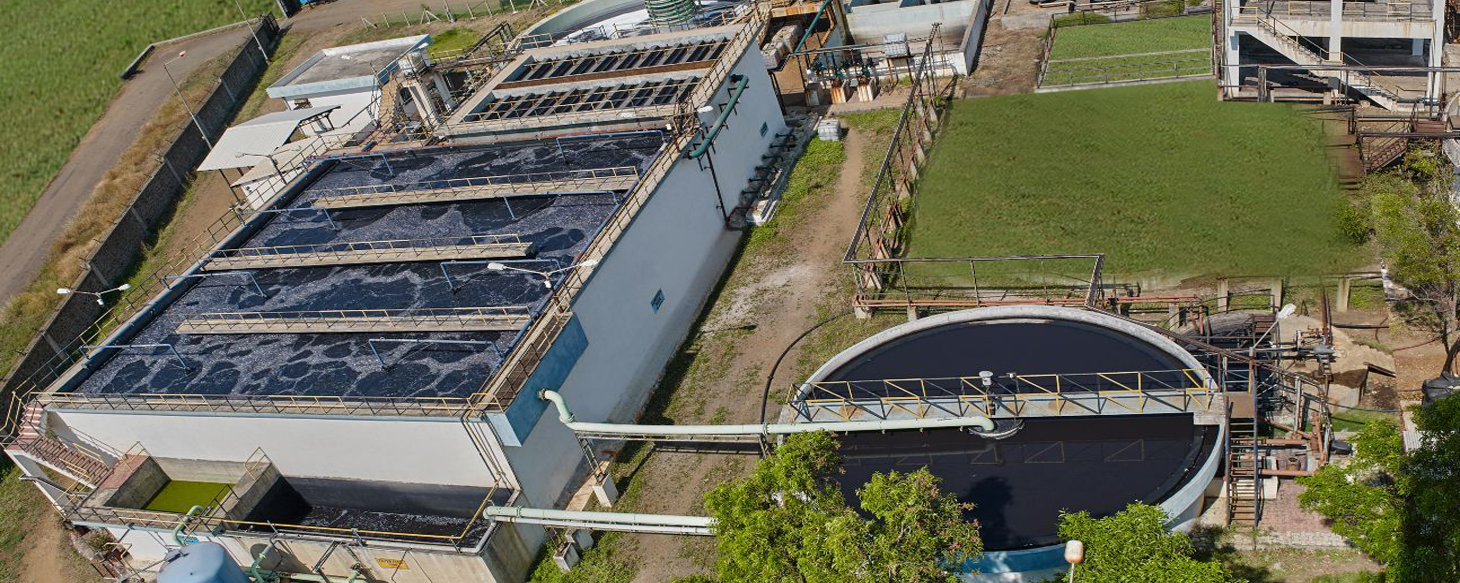
Effluent Treatment Plant : Process and Flow Diagram in Pharma Industry
Complete guide to Pharmaceutical Effluent Treatment Plants. Learn the 4-stage ETP process, treatment technologies, regulatory compliance, and environmental benefits.

 ISO 9001:2015 & QCI Approved
A complete guide to what an Effluent Treatment Plant does, its four treatment stages, CPCB discharge standards, legal requirements, and what actually drives ETP cost.

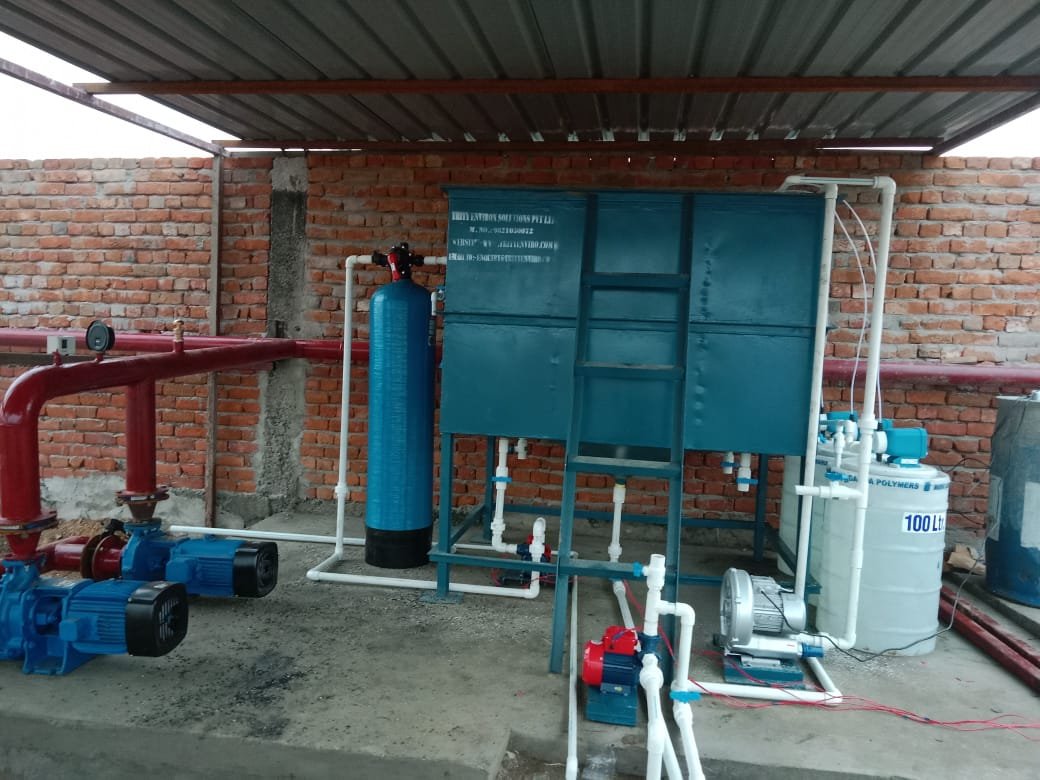
An Effluent Treatment Plant (ETP) is a facility that treats wastewater generated by industrial processes before it's discharged into the environment or reused on-site. Unlike domestic sewage, industrial effluent can carry heavy metals, solvents, dyes, oils, and complex organic compounds that a standard sewage treatment process isn't built to handle, which is why ETPs exist as a distinct category of infrastructure with their own design logic, legal requirements, and compliance obligations.
For any industry in India generating process wastewater, installing and operating a functional ETP isn't optional. It's a legal obligation under the Environment (Protection) Act, 1986 and the Water (Prevention and Control of Pollution) Act, 1974, with the Central Pollution Control Board's (CPCB) General Standards for Discharge of Environmental Pollutants, laid out under Schedule VI of the Environment Protection Rules, setting the specific outlet quality every facility has to meet.
Non-compliance with India's effluent discharge norms carries real consequences, and they've grown more serious over the past decade as enforcement has tightened. A facility operating without proper treatment, or discharging effluent that fails to meet CPCB standards, risks:
Beyond the legal exposure, discharging untreated or under-treated effluent contaminates groundwater and surface water sources that communities depend on, which is the underlying reason this regulatory framework exists in the first place.
Most effluent treatment plants follow a four-stage process, though the exact configuration depends on what the incoming wastewater actually contains and what the final water needs to be used for.
1. Preliminary Treatment
This first stage removes large solids, debris, and floating material through screens, grit chambers, and oil-and-grease traps. The goal is protecting downstream equipment, pumps, pipes, and treatment units, from damage or clogging caused by material that doesn't need chemical or biological treatment, just physical removal.
2. Primary Treatment
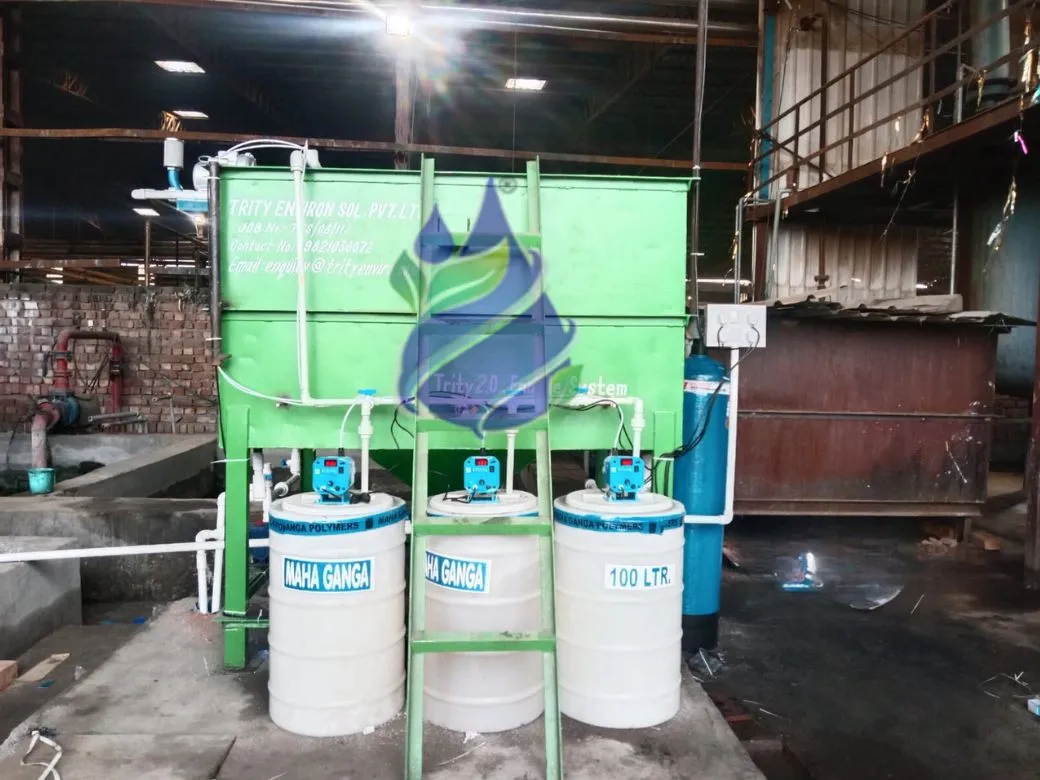
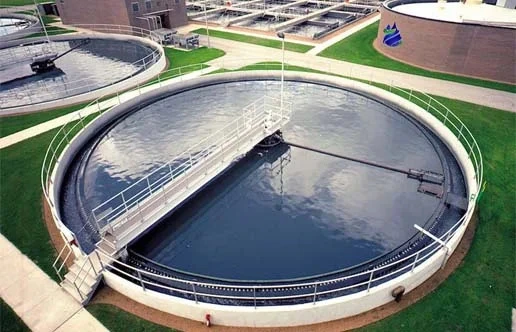
Primary treatment targets suspended solids and a portion of the organic load through coagulation, flocculation, and sedimentation. Coagulants like alum or polyaluminium chloride (PAC), along with polymers, are typically dosed in a flash mixer, causing fine suspended particles to clump together into larger flocs that settle out in a clarifier. This stage does much of the heavy lifting for effluent carrying high suspended solids content.
3. Secondary Treatment
Secondary treatment is where biological processes take over, using bacteria and other microorganisms to break down dissolved and colloidal organic matter that primary treatment can't remove. Technologies like the Activated Sludge Process (ASP), Moving Bed Biofilm Reactor (MBBR), and Sequencing Batch Reactor (SBR) are all common choices here, and the right one depends on effluent strength, available space, and how consistent the incoming flow is. This stage typically brings the biggest reduction in BOD and COD.
4. Tertiary Treatment
Tertiary treatment polishes the water to its final quality, using sand filtration, activated carbon adsorption, or UV disinfection depending on what the discharge or reuse standard requires. For facilities aiming to recycle treated water rather than discharge it, tertiary treatment usually precedes a final Reverse Osmosis (RO) stage, since RO membranes need consistently clean feed water to perform reliably and avoid premature fouling.
Both primary treatment (physico-chemical sludge from coagulation and settling) and secondary treatment (biological sludge from the microbial process) generate sludge that has to be properly dewatered and disposed of. Filter presses, belt presses, and decanter centrifuges reduce sludge's water content down to roughly 70 to 80 percent solids, producing a cake suitable for landfill disposal or, in some cases, composting.
This part of the process is frequently underestimated in ETP planning, both in terms of capital cost and ongoing operating expense. Poor sludge management is one of the more common causes of operational problems in facilities that otherwise have a reasonably well-designed treatment train, and if the sludge is classified as hazardous, which depends on what it contains, it requires specialised handling and disposal through a Treatment, Storage, and Disposal Facility (TSDF), adding meaningfully to operating cost.
An ETP is a standalone treatment facility dedicated to a single industrial unit's wastewater. A Common Effluent Treatment Plant (CETP), by contrast, treats combined wastewater from multiple industries sharing an industrial estate, and was specifically encouraged by government policy to help small and medium-sized industries that can't individually afford dedicated treatment infrastructure.
CETPs are further split into homogeneous systems, treating effluent from similar types of industries with relatively uniform characteristics, and combined or heterogeneous systems, handling a mix of industry types with more varied effluent profiles. CPCB's guidelines for CETPs, revised and notified on January 1, 2016, specifically focus on design inlet quality standards, addressing coastal pollution from industrial discharge, and monitoring the impact of treated effluent on soil and groundwater quality. Units connected to a CETP still typically need to pre-treat their effluent to whatever inlet standard the specific CETP operator sets, which is often stricter than CPCB's general discharge norms since the CETP has to keep its combined output within its own consent limits.
For discharge into inland surface water, CPCB's general standards set these baseline limits:
| Parameter | General Discharge Limit |
|---|---|
| BOD | Below 30 mg/L |
| COD | Below 250 mg/L |
| TSS | Below 100 mg/L |
| pH | 6.5 to 8.5 |
These are baseline figures. Many states enforce tighter limits than the CPCB general standard, and specific industries face additional sector-specific parameters, pharmaceutical manufacturing has API and heavy metal controls, textile units face colour and AOX limits, and CETPs frequently set inlet standards stricter than the general baseline for their connected units.
The right ETP design depends heavily on what a facility actually produces, since effluent composition varies enormously across sectors:
A treatment plant designed generically, without accounting for which of these profiles actually applies, tends to underperform against at least one of the parameters CPCB or the relevant SPCB is actually checking.
CPCB classifies industries into Red, Orange, Green, and White categories based on pollution potential, and this classification determines your compliance obligations. Red Category industries, which include sectors like distilleries, sugar processing, dairy and meat processing, and most chemical and pharmaceutical manufacturing, face the most stringent requirements, including mandatory Online Continuous Effluent Monitoring System (OCEMS) integration, which typically adds 5 to 15 lakh rupees to project cost depending on instrumentation scope.
Crucially, Red Category status is fixed by the nature of your manufacturing process, not by how well you treat the resulting effluent. A well-run Red Category facility with excellent treatment performance remains Red Category, though that treatment performance still directly affects inspection outcomes and actual environmental impact.
Several factors drive the real cost difference between one ETP project and another:
"A good ETP means my industry moves out of Red Category." This is one of the most persistent misunderstandings. As covered above, CPCB categorisation reflects process risk, not treatment outcome. Good treatment improves your actual environmental impact and inspection standing, but it doesn't reclassify your industry.
"Meeting the general CPCB standard is always enough." Many facilities design to CPCB's baseline BOD, COD, and TSS figures without checking whether their state board or their CETP operator, if connected to one, imposes tighter limits. A plant that clears the national standard can still fail a stricter local or CETP-specific inlet requirement.
"Sludge handling is a minor add-on, not core design." Underestimating sludge dewatering and disposal cost is one of the most common planning mistakes. For facilities generating hazardous sludge specifically, TSDF disposal cost and logistics need to be factored in from the design stage, not addressed after commissioning when options are more limited and more expensive.
"Biological treatment alone handles any organic effluent." Standard biological treatment works well for typical organic loads, but effluent carrying antibiotics, solvents, heavy metals, or persistent synthetic compounds, common in pharmaceutical, chemical, and textile dyeing effluent, often needs advanced chemical or oxidation stages that biological treatment alone can't substitute for.
"Once commissioned, an ETP runs itself." A treatment plant that passes commissioning inspection can still deteriorate significantly within a year or two without proper operator training and ongoing maintenance. Enforcement records across multiple Indian states consistently show that post-commissioning neglect, not poor initial design, is the leading cause of plants falling out of compliance, with real environmental consequences for the surrounding water sources when it happens.
Red Category status brings the strictest ETP and monitoring obligations, and it applies more broadly than many facility owners initially expect:
If your facility falls into any of these categories, OCEMS integration and more frequent inspection cycles should be treated as a given during ETP planning, not an unexpected add-on discovered after the fact.
These terms get used interchangeably sometimes, but they're not the same thing. An ETP treats industrial process wastewater, effluent carrying whatever contaminants a specific manufacturing process generates. A Sewage Treatment Plant (STP) treats domestic-strength sewage, from toilets, kitchens, and general facility use. Many industrial sites need both operating side by side, one handling process effluent, the other handling staff and facility sewage, since combining the two streams before treatment usually makes both harder to treat effectively.
Water reuse and conservation: properly treated effluent can be recycled for cooling, gardening, flushing, and in some cases back into process use, reducing a facility's freshwater dependency and lowering long-term water costs.
Reduced environmental impact: treatment protects rivers, lakes, and groundwater aquifers from pollutants that would otherwise accumulate in water sources many communities depend on.
Cost savings over time: while ETP installation is a genuine capital investment, it lowers ongoing water purchase and waste disposal costs compared to a facility with no treatment or reuse capability.
Reputation and market access: increasingly, business partners, export markets, and financing institutions expect documented environmental compliance, and a properly functioning ETP supports that standing directly.
Yes, for any industry generating industrial effluent. The Water Act, 1974, the Environment Protection Act, 1986, and CPCB's Schedule VI standards collectively make treatment to defined outlet standards mandatory before discharge, regardless of industry size.
An ETP is a standalone facility serving one industrial unit. A CETP treats combined wastewater from multiple industries within a shared industrial estate, typically to make treatment more affordable for smaller units that can't justify individual infrastructure.
Most ETPs use four stages: preliminary treatment for large debris removal, primary treatment for suspended solids via coagulation and sedimentation, secondary treatment for biological breakdown of organic matter, and tertiary treatment for final polishing before discharge or reuse.
Sludge from both primary and secondary treatment is dewatered using equipment like filter presses or decanter centrifuges, then disposed of as landfill material or compost if non-hazardous, or sent to a specialised Treatment, Storage, and Disposal Facility if classified as hazardous.
No. Red Category classification is based on the inherent pollution potential of the manufacturing process itself, not on treatment quality. A facility can maintain excellent treatment performance and still remain Red Category, since that status reflects process risk rather than outcome.
Zero Liquid Discharge (ZLD) is a treatment approach that eliminates liquid effluent discharge entirely, recovering essentially all water for reuse through reverse osmosis, evaporation, and crystallisation stages. It's not universally required, but it's mandatory for specific industries and regions where water stress or pollution sensitivity has led regulators to impose it.
Only if it meets the applicable CPCB or SPCB discharge standard for that water body, which can vary depending on whether the receiving water is used for bathing, drinking water supply, or general surface water. Direct discharge of inadequately treated effluent is a punishable offence under the Water Act.
Looking to design or upgrade an ETP for your facility? Get in touch with our team, or explore our full Effluent Treatment Plant range.
Complete guide to Pharmaceutical Effluent Treatment Plants. Learn the 4-stage ETP process, treatment technologies, regulatory compliance, and environmental benefits.
Sustainable sewage treatment goes beyond basic discharge compliance. Learn what actually makes an STP sustainable, from energy recovery to water reuse, and why it matters.
How air pollution leads to water pollution through acid rain, nitrogen deposition, and mercury transport, explained with the actual chemistry.

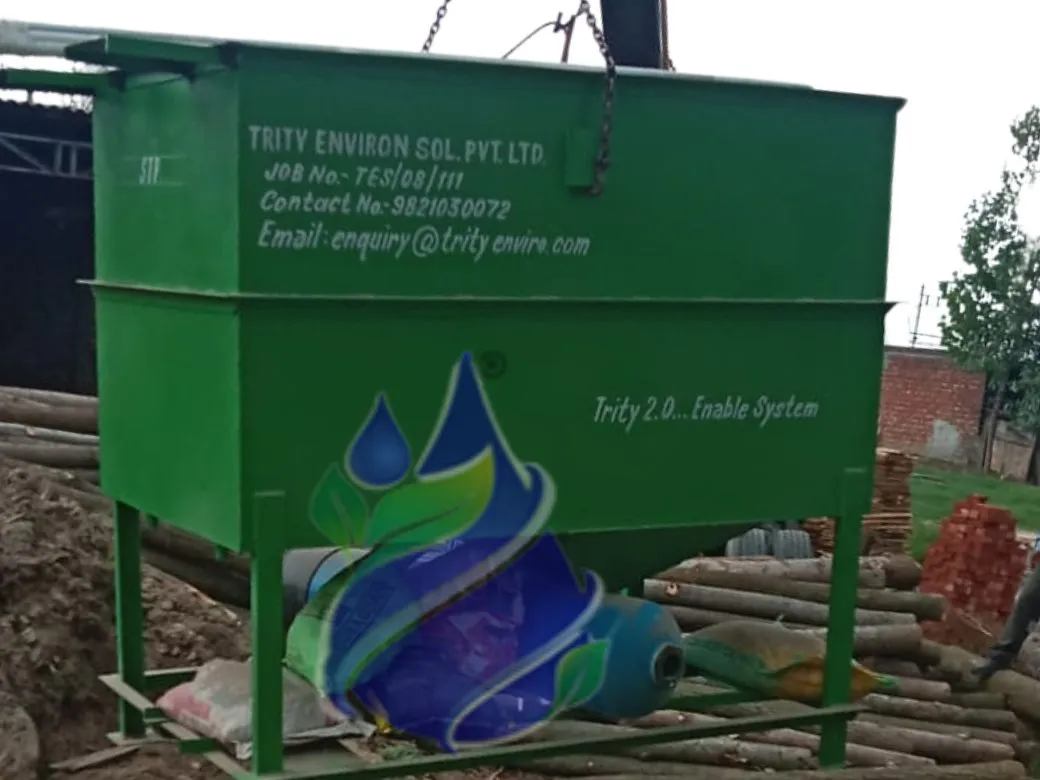



Discuss your requirements with our engineering team and get practical guidance for your project.