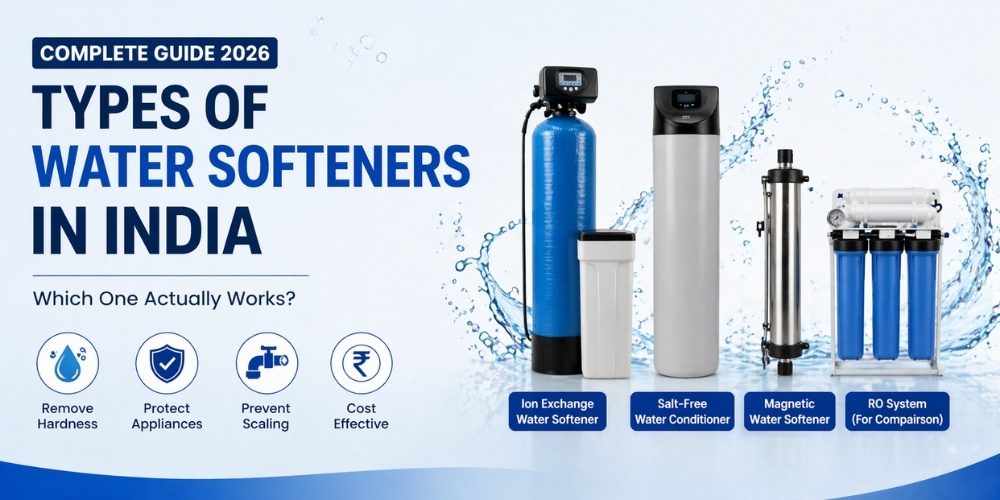
Types of Water Softeners in India: Which One Actually Works?
Explore all types of water softeners in India — ion exchange, salt-free, magnetic & more. Find the right hard water solution for your home or industry in 2026.

 ISO 9001:2015 & QCI Approved
Our blog covers practical engineering topics for anyone planning or operating a Sewage Treatment Plant or Effluent Treatment Plant in India. You will find capacity calculation guides, technology comparisons like MBBR versus SBR versus MBR, industry specific treatment guides for pharma, textile and dairy effluent, and state wise pollution control board compliance requirements. These articles are written by our engineering team based on real project experience, not generic content, so you get information you can actually use when planning a plant or preparing for compliance.
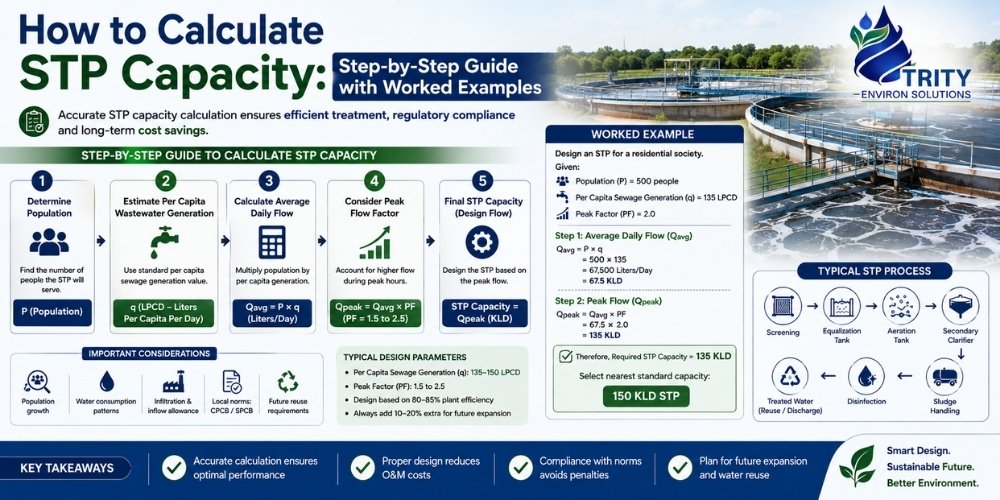
Calculate STP capacity correctly with worked examples for residential, hotel, hospital, and industrial projects. CPHEEO-based formulas, peak factors, and tank sizing explained.
Read Full Article
Explore all types of water softeners in India — ion exchange, salt-free, magnetic & more. Find the right hard water solution for your home or industry in 2026.
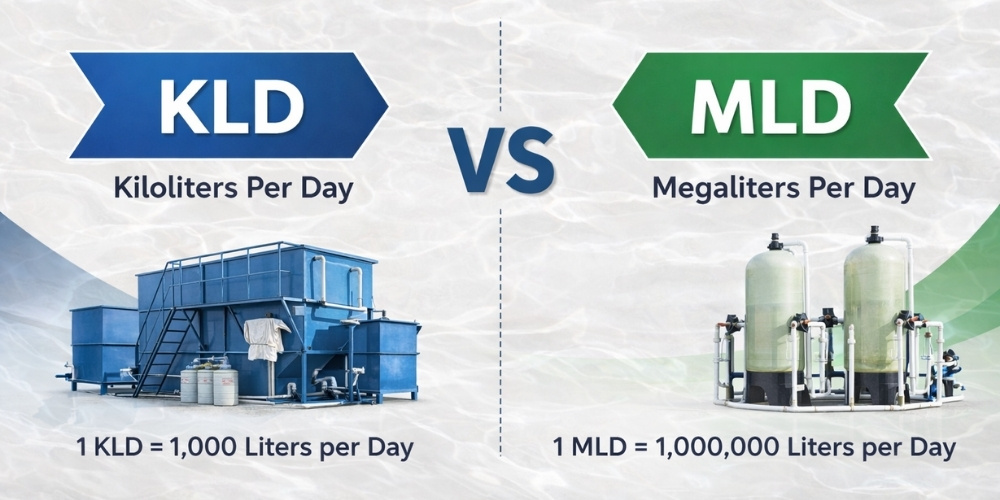
Confused about KLD and MLD in water treatment? Learn their full forms, key differences, conversion formula, and how they impact STP and ETP plant design in India.
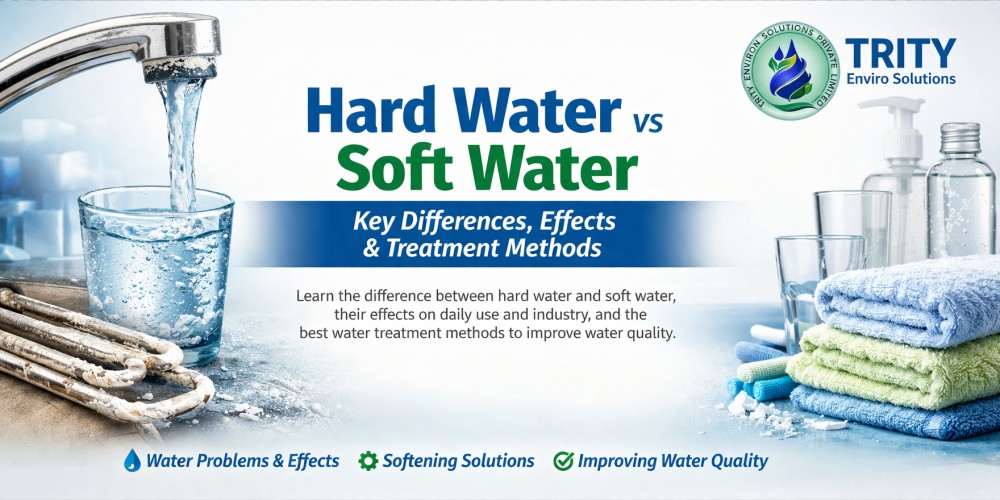
Learn the difference between hard water and soft water, their effects on daily use and industry, and the best water treatment methods to improve water quality.
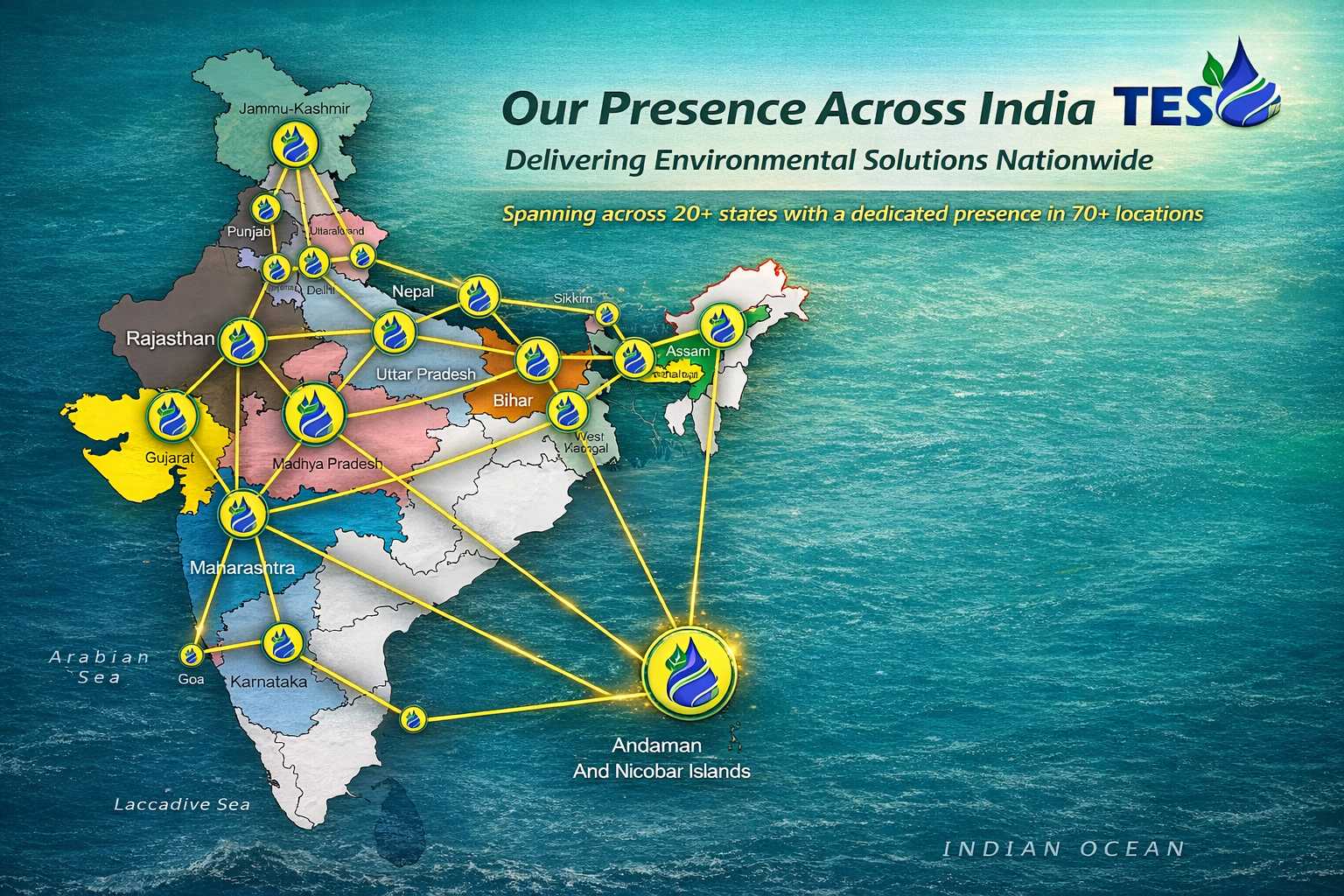
Discover nationwide environmental solutions across India. Expert wastewater treatment, ETP, STP & water management services for all industries.
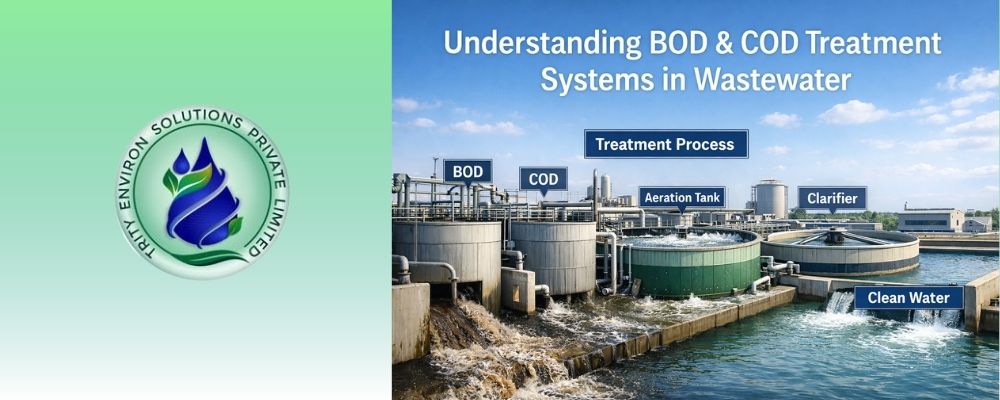
Learn how BOD and COD treatment systems work in wastewater treatment plants to reduce organic pollutants and improve treated water quality.
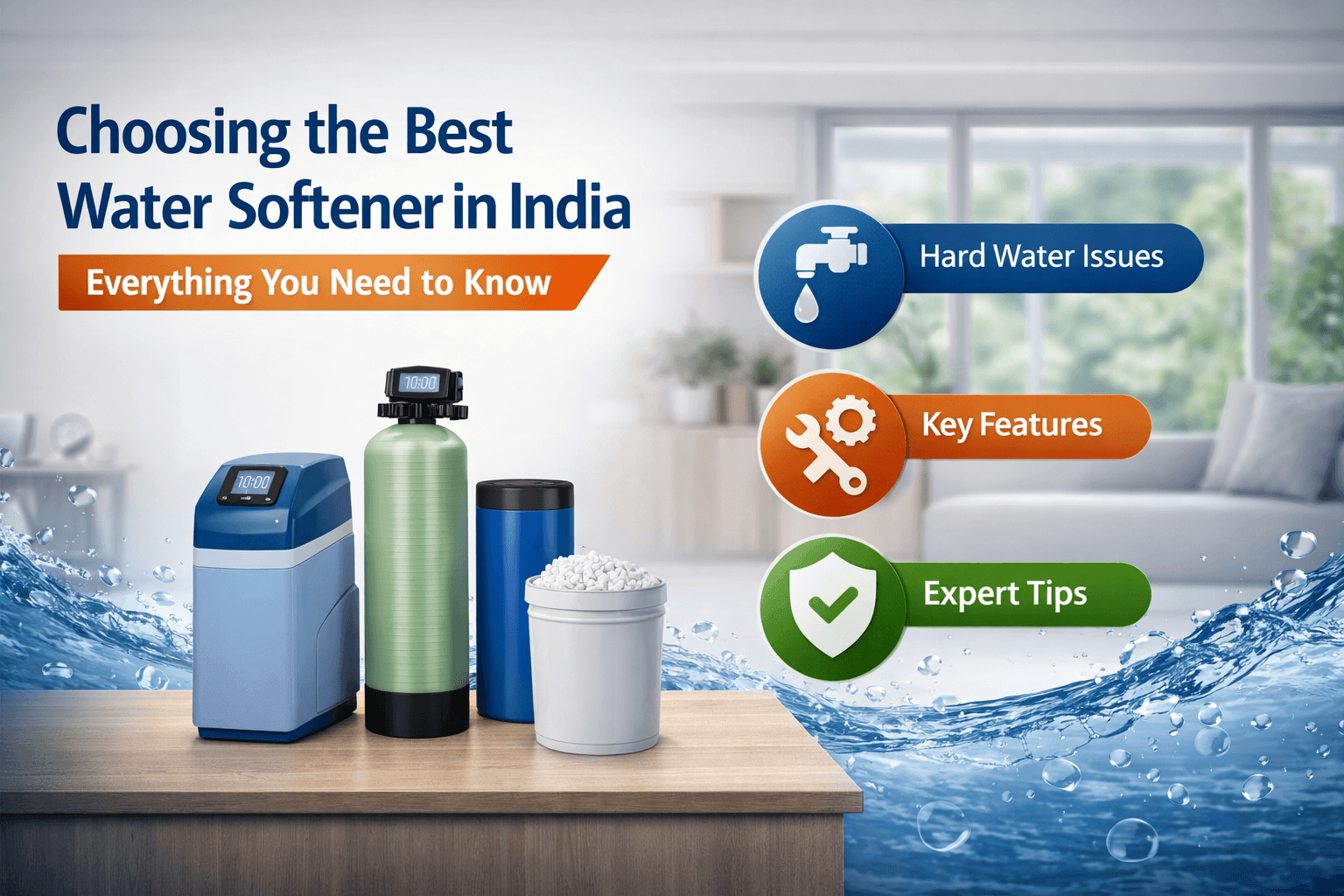
Discover how to choose the best water softener in India. Learn about types, features, benefits, and expert tips to ensure soft, clean water for your home or business.

Complete guide to starting a commercial RO water plant business in India: licenses, investment by capacity, real profit margins, and common mistakes.
How ETPs and STPs support sustainable food production, treating food industry effluent and enabling safe agricultural water reuse under WHO/India norms.

STPs and ETPs help companies achieve CSR goals, reduce pollution, conserve water, and comply with regulations, contributing to a sustainable future and better brand image.




Discuss your requirements with our engineering team and get practical guidance for your project.