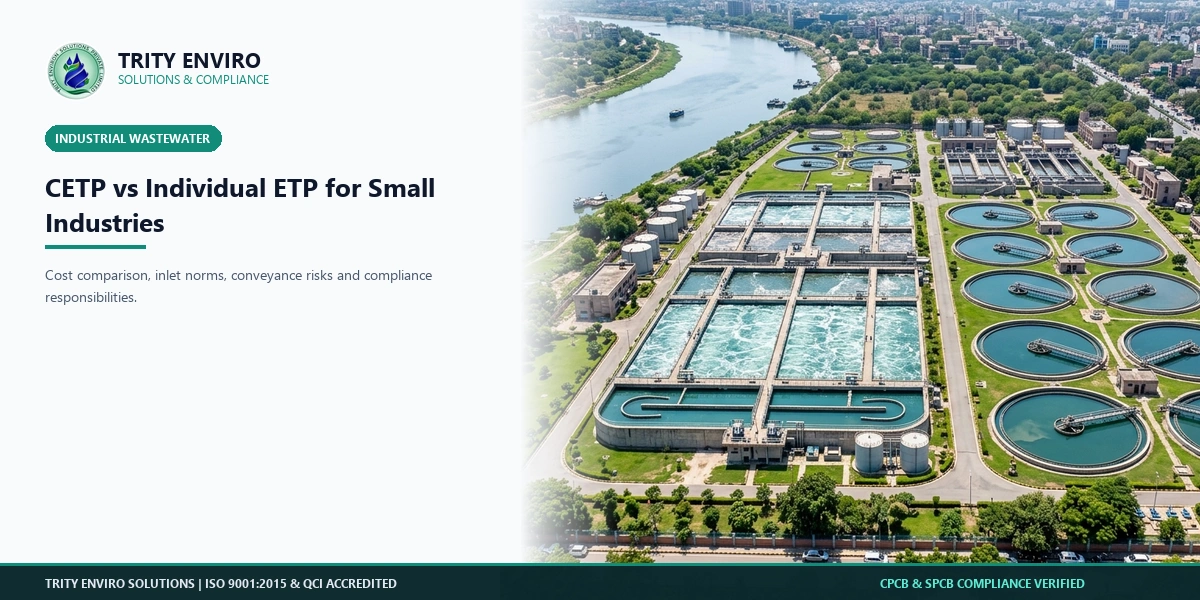
CETP vs Individual ETP: Which Is Right for Small Industries?
CETP membership or your own ETP? Compare cost, control, inlet norms, compliance risk and ZLD for small industries, with a decision checklist.

 ISO 9001:2015 & QCI Approved
Our blog covers practical engineering topics for anyone planning or operating a Sewage Treatment Plant or Effluent Treatment Plant in India. You will find capacity calculation guides, technology comparisons like MBBR versus SBR versus MBR, industry specific treatment guides for pharma, textile and dairy effluent, and state wise pollution control board compliance requirements. These articles are written by our engineering team based on real project experience, not generic content, so you get information you can actually use when planning a plant or preparing for compliance.
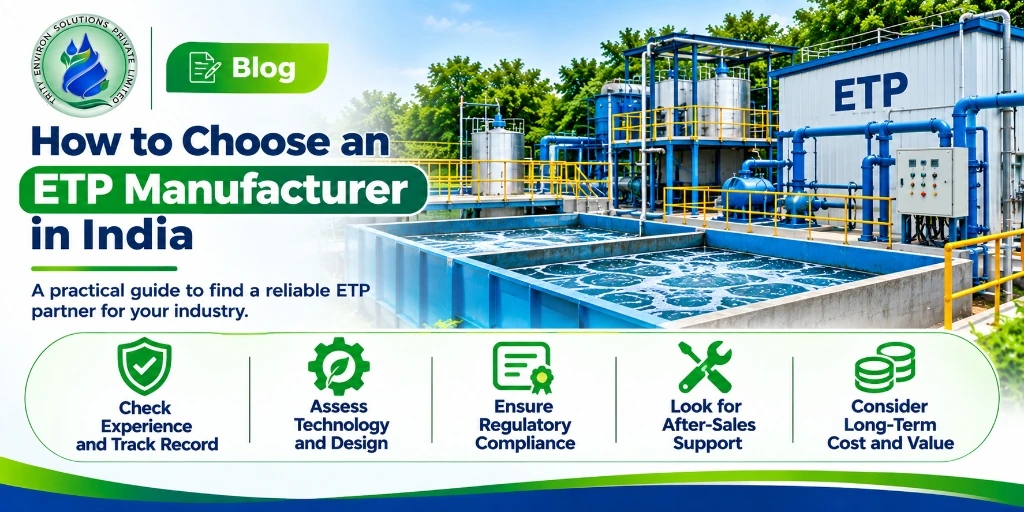
Trity Enviro gives a 12-point checklist to choose an ETP manufacturer in India: design basis, references, guarantees, AMC, consent support and red flags.
Read Full Article
CETP membership or your own ETP? Compare cost, control, inlet norms, compliance risk and ZLD for small industries, with a decision checklist.
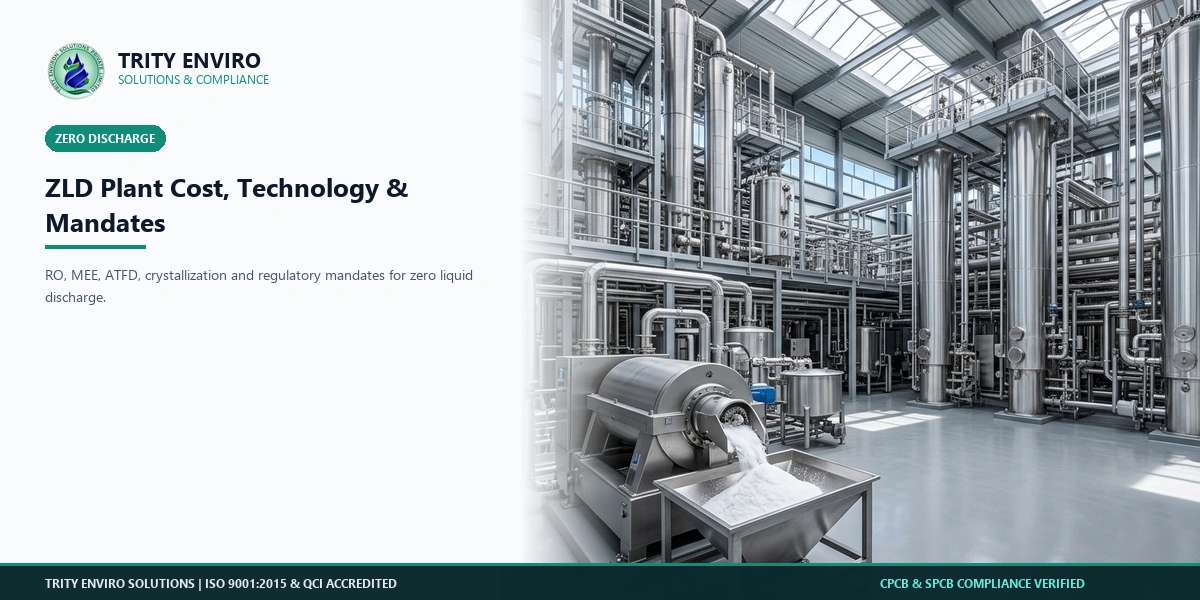
Zero liquid discharge explained: which Indian sectors face ZLD mandates, how RO, MEE and ATFD work, mass balance example, cost drivers and when to avoid it.
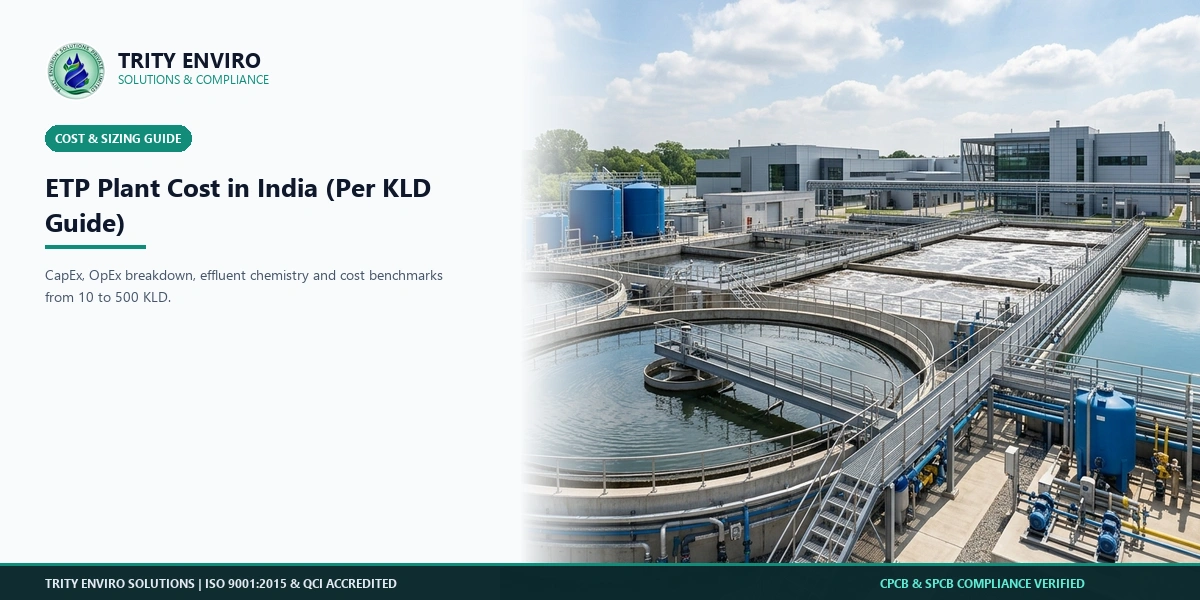
What does an ETP cost in India? See cost drivers by industry, the ZLD premium, capex split, running cost per m3 and how to compare quotes before you buy.
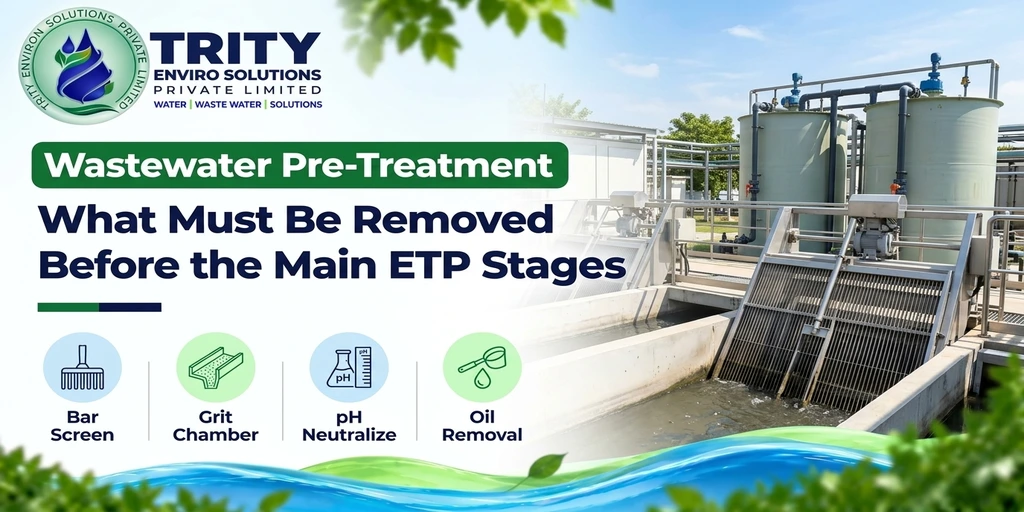
Know what to remove before your main ETP: solids, oil, extreme pH, heat and toxic streams. A stage-by-stage pre-treatment guide for industrial wastewater.
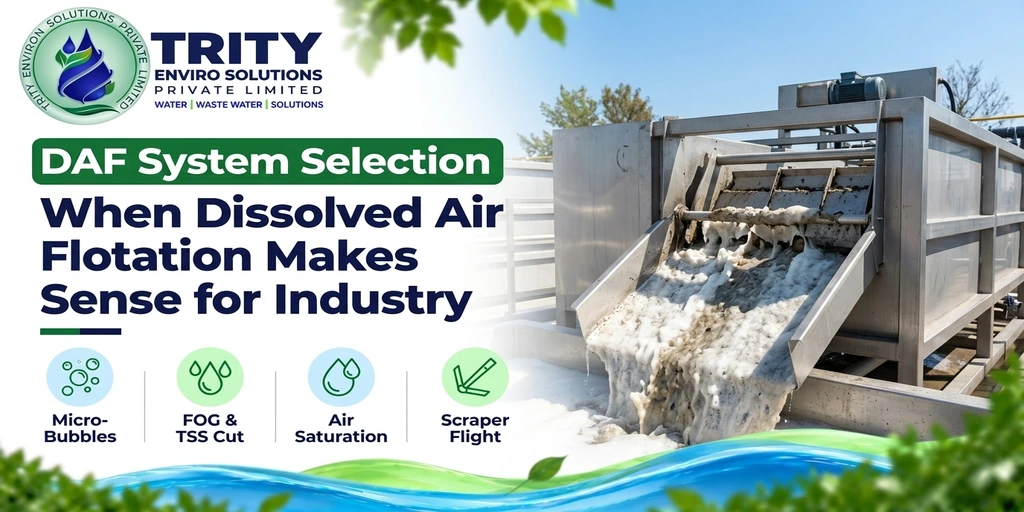
When does a dissolved air flotation system make sense? Compare DAF with settling and oil separators, and learn sizing, chemicals and supplier checks.
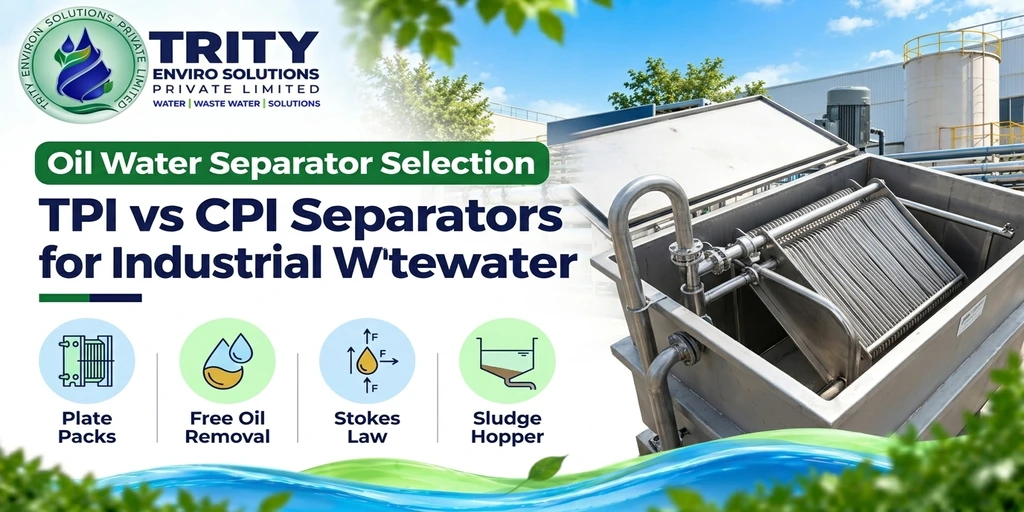
Choose between TPI and CPI oil water separators. Learn how plate packs work, how to size by droplet size and flow, and what outlet oil level to expect.

Practical STP modernization guide: MBBR retrofits, automation, and plug-and-play FRP upgrades that avoid a costly full rebuild of aging infrastructure.

Discover how anaerobic digestion of STP sludge generates biogas, reduces waste, and supports clean energy in sustainable wastewater treatment systems.

Sand filtration in STP plants improves treated water quality by removing suspended solids. Learn its importance, working, and role in wastewater treatment.

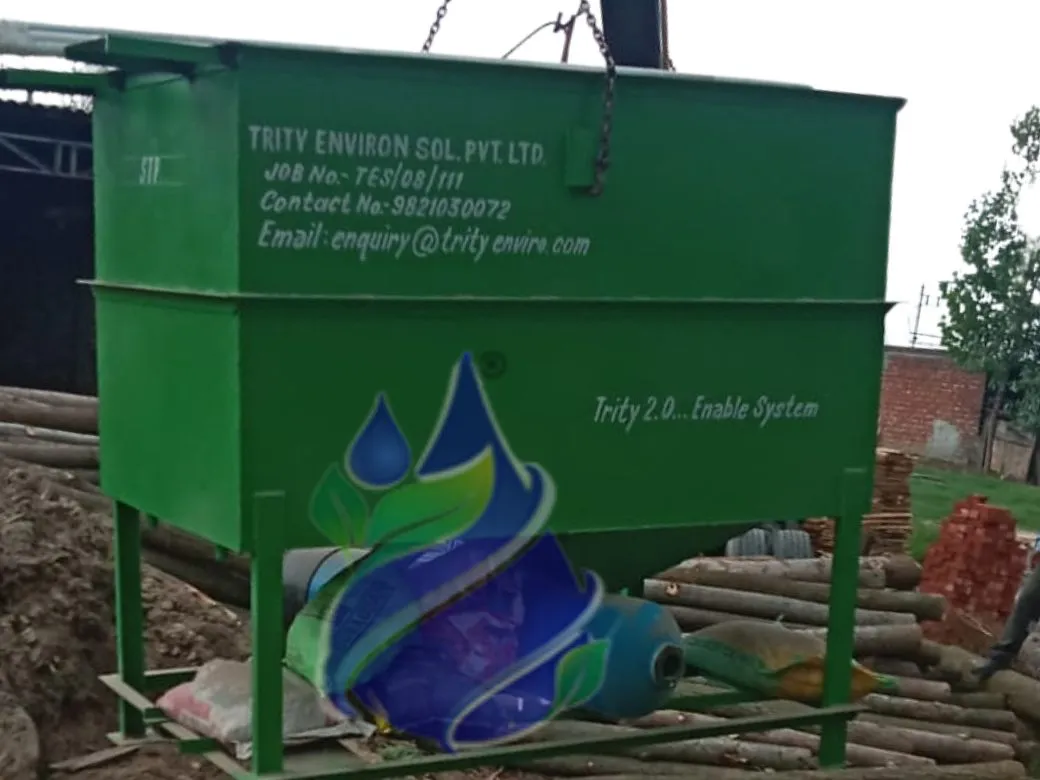



Discuss your requirements with our engineering team and get practical guidance for your project.