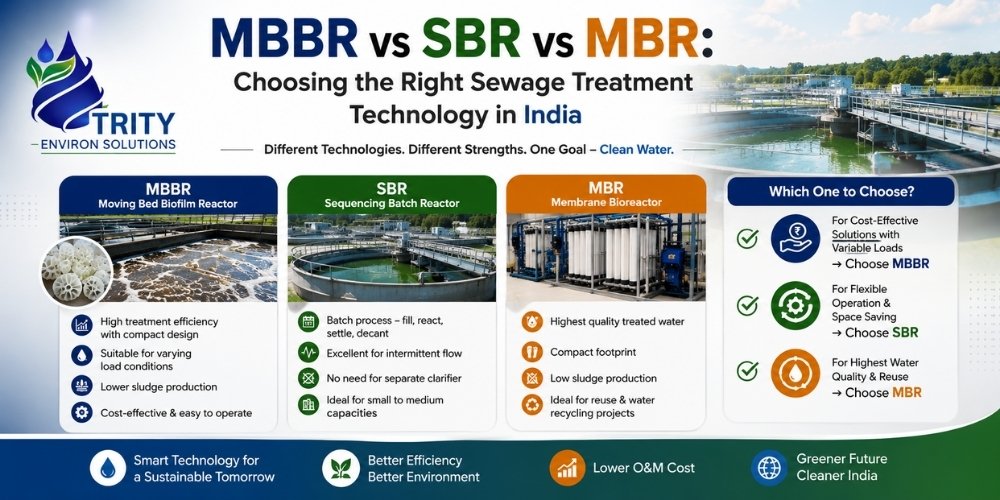
MBBR vs SBR vs MBR: Choosing the Right Sewage Treatment Technology in India
Compare MBBR, SBR, and MBR sewage treatment technologies on footprint, cost, effluent quality, and O&M. Find the right fit for your plant capacity and industry.

 ISO 9001:2015 & QCI Approved
Our blog covers practical engineering topics for anyone planning or operating a Sewage Treatment Plant or Effluent Treatment Plant in India. You will find capacity calculation guides, technology comparisons like MBBR versus SBR versus MBR, industry specific treatment guides for pharma, textile and dairy effluent, and state wise pollution control board compliance requirements. These articles are written by our engineering team based on real project experience, not generic content, so you get information you can actually use when planning a plant or preparing for compliance.
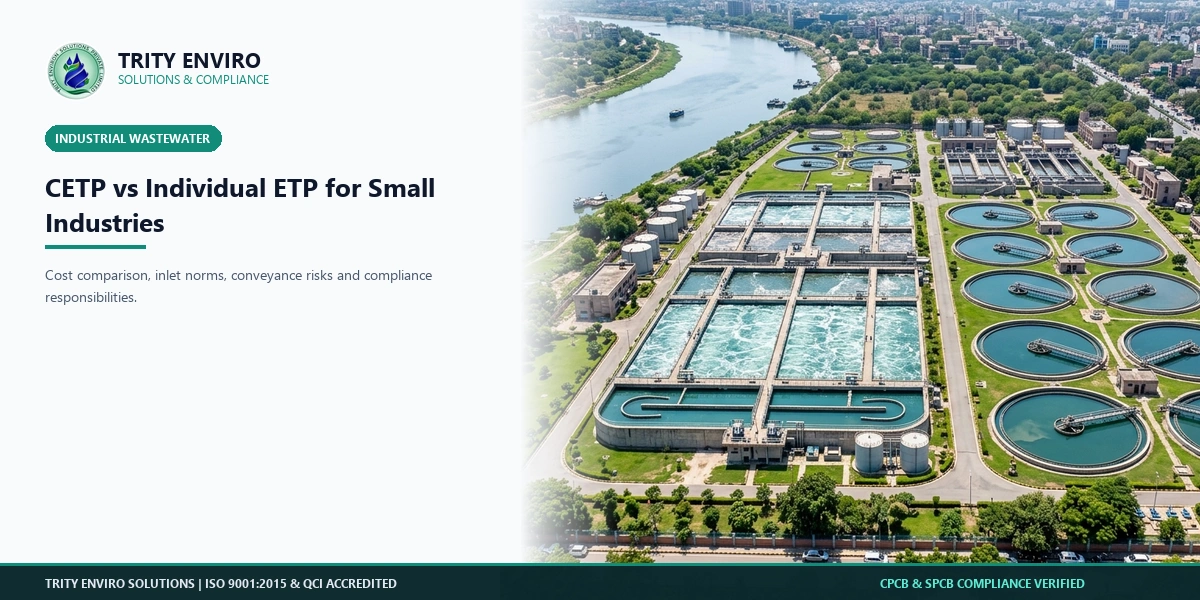
CETP membership or your own ETP? Compare cost, control, inlet norms, compliance risk and ZLD for small industries, with a decision checklist.
Read Full Article
Compare MBBR, SBR, and MBR sewage treatment technologies on footprint, cost, effluent quality, and O&M. Find the right fit for your plant capacity and industry.
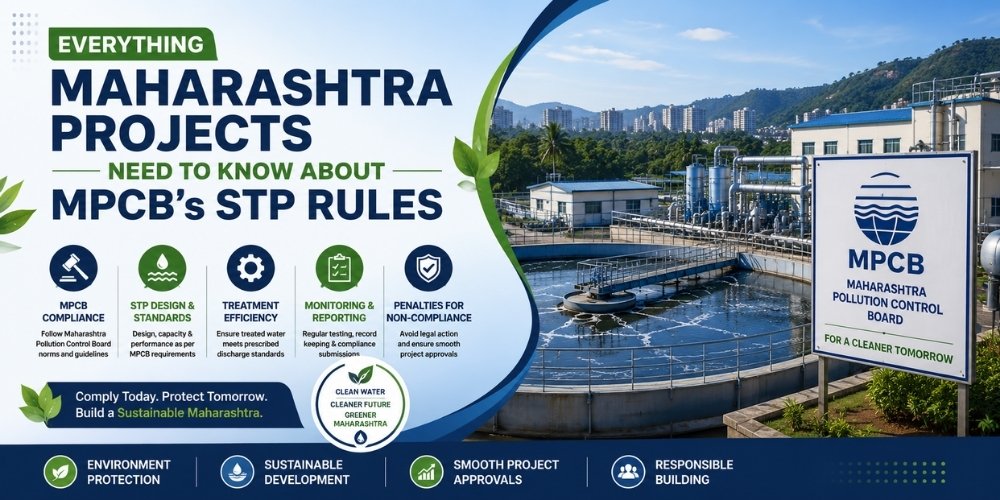
A guide to MPCB's sewage treatment plant requirements in Maharashtra, covering current discharge norms, mandatory reuse rules, and compliance steps.
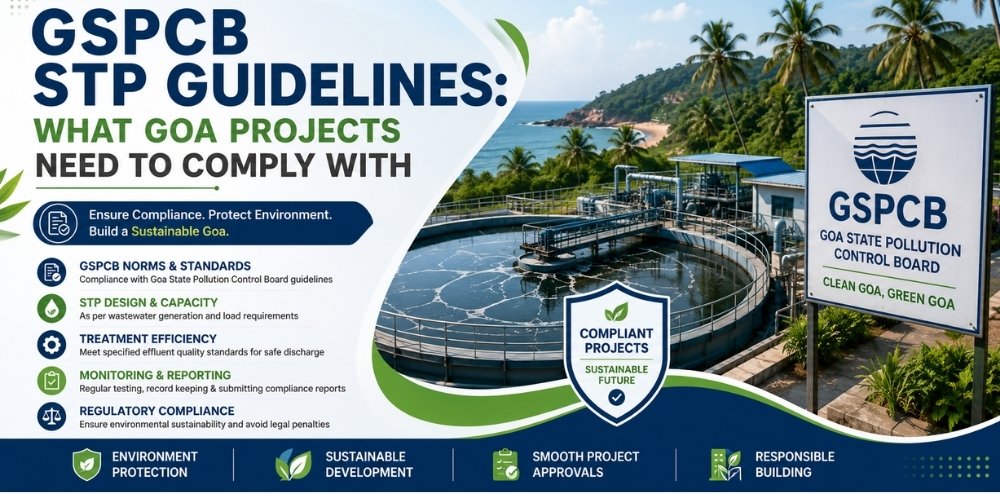
A guide to GSPCB's sewage treatment plant requirements in Goa, covering current discharge norms, CRZ considerations, and compliance steps for coastal projects.
A guide to DPCC's sewage treatment plant requirements in Delhi, covering current discharge norms, mandatory installation rules, and compliance steps.
A guide to UPPCB's sewage treatment plant requirements in Uttar Pradesh, covering discharge norms, mandatory installation rules, and compliance steps.
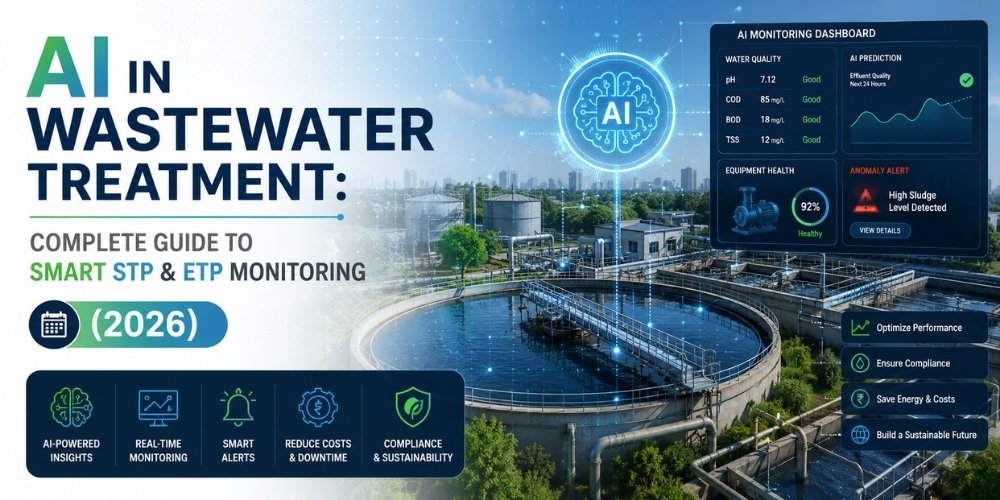
Discover how AI in wastewater treatment transforms STP and ETP operations with smart monitoring, predictive maintenance, and automation. Get expert insights for Indian industries.

Learn how pharmaceutical industries in India treat wastewater under CPCB norms. Understand ETP treatment process, regulations, and compliance requirements for 2025-2026.
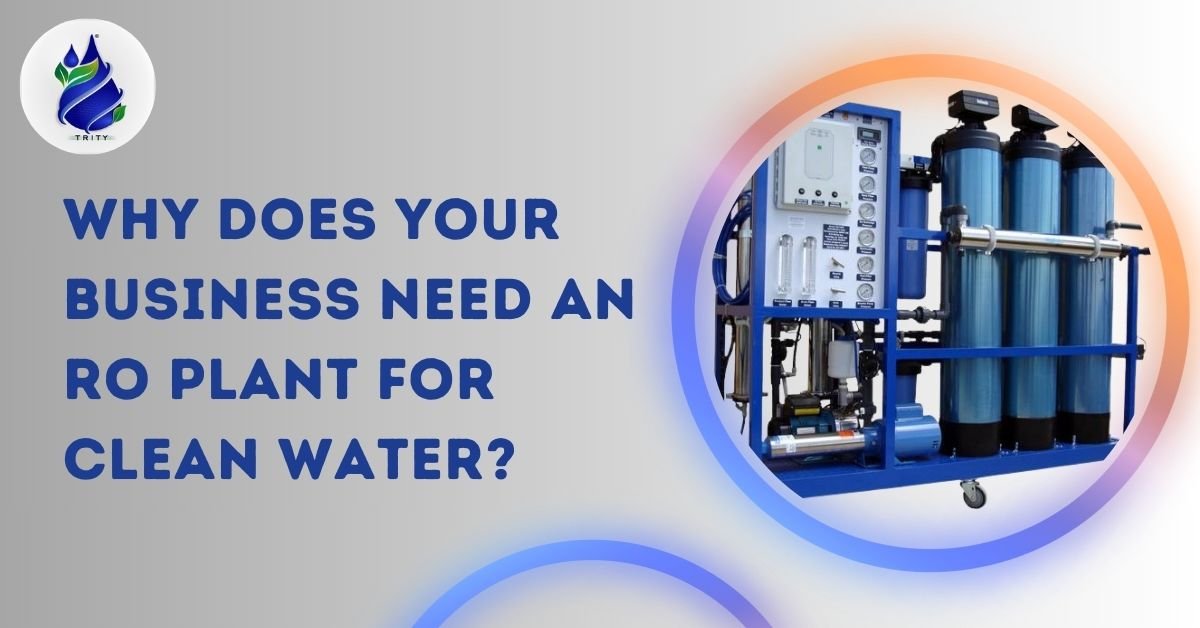
RO plants ensure clean, safe water for businesses, reduce costs, improve product quality, and enhance sustainability while meeting industry water purity standards.
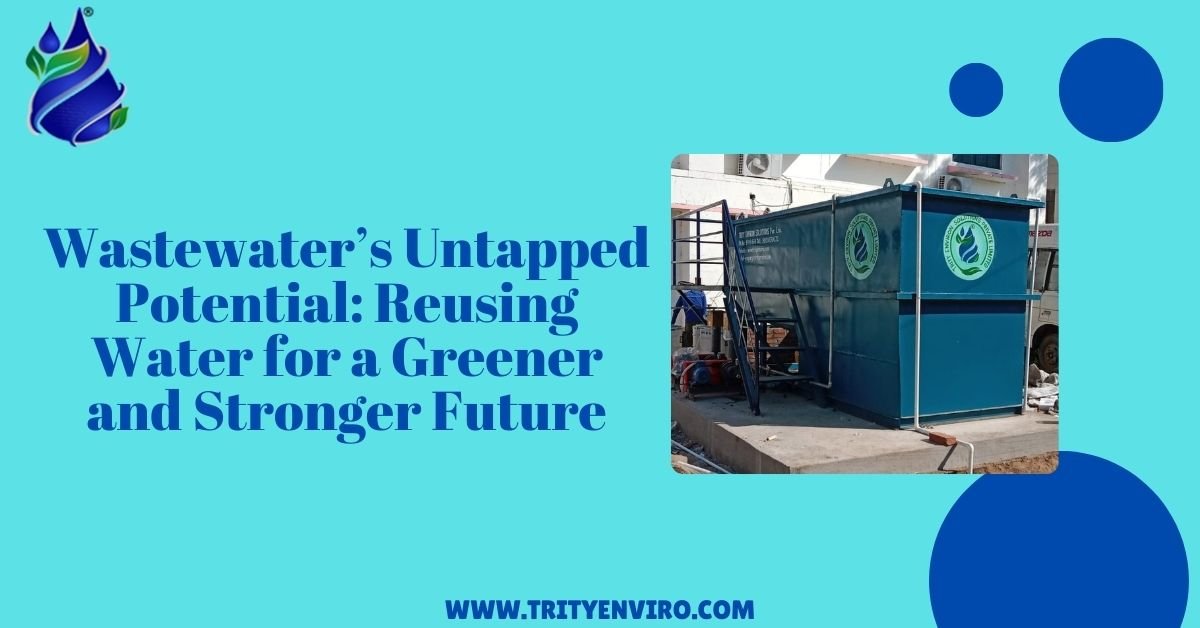
Explore the benefits, challenges, and innovations of wastewater reuse. Learn how it supports industries, agriculture, and green energy for a sustainable future.











Discuss your requirements with our engineering team and get practical guidance for your project.

