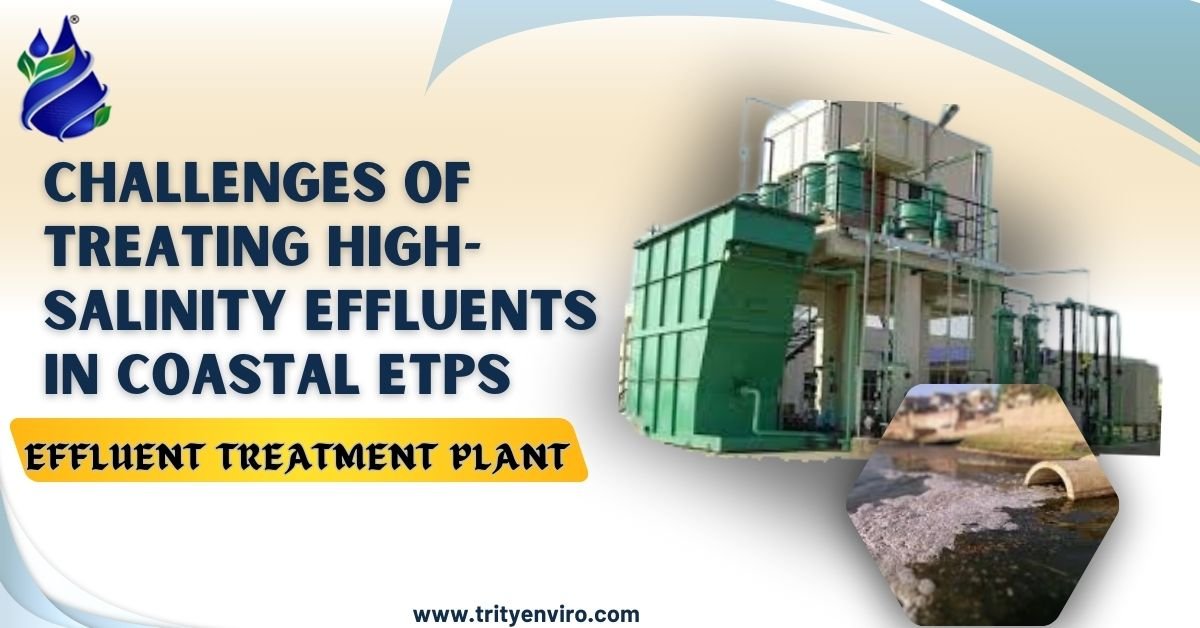
Challenges of Treating High-Salinity Effluents in Coastal ETPs
Explore key challenges and advanced solutions for treating high-salinity wastewater in coastal effluent treatment plants (ETPs) and industrial regions.

 ISO 9001:2015 & QCI Approved
A guide to UPPCB's sewage treatment plant requirements in Uttar Pradesh, covering discharge norms, mandatory installation rules, and compliance steps.
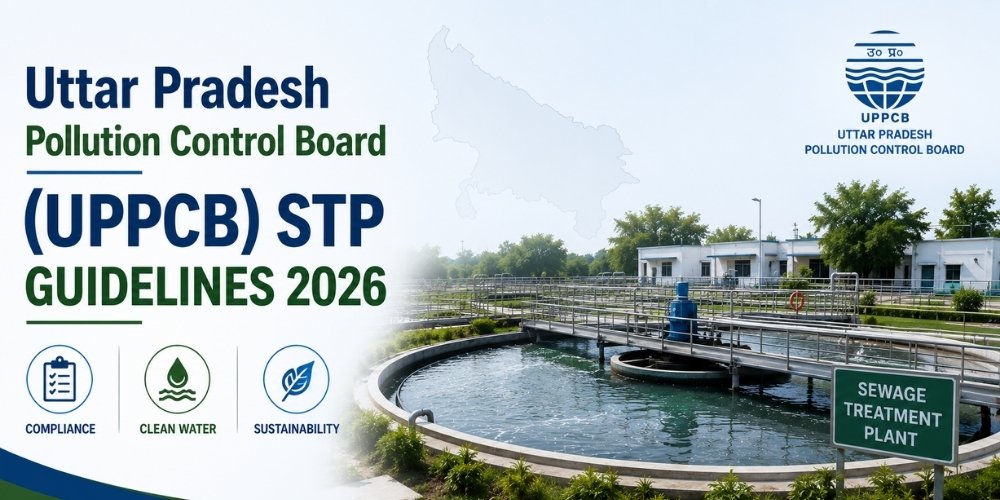
Uttar Pradesh runs one of India's largest and busiest industrial corridors, stretching from the NCR belt through Kanpur, Agra, and Varanasi, and every part of that corridor generates sewage that needs to be treated before it reaches a drain, river, or reuse point. The Uttar Pradesh Pollution Control Board (UPPCB) is the body responsible for enforcing that requirement, and understanding how it operates matters for anyone developing or operating a facility in the state.
UPPCB is a statutory body constituted under the Water (Prevention and Control of Pollution) Act, 1974, and further empowered by the Air Act, 1981, and the Environment Protection Act, 1986. Its mandate covers water and air pollution control across the state, and its STP-related responsibilities include:
UPPCB operates through regional offices covering Lucknow, Noida, Ghaziabad, Kanpur, Varanasi, Agra, Meerut, and other districts, with the Lucknow office generally handling head-office level technical and administrative approvals.
| Parameter | Commonly Cited Standard |
|---|---|
| pH | 6.5 – 8.5 |
| BOD (5-day) | ≤ 10 mg/L |
| COD | ≤ 50 mg/L |
| TSS | ≤ 10 mg/L |
| Ammoniacal Nitrogen | ≤ 5 mg/L |
| Fecal Coliform | ≤ 100 MPN/100 mL (some notifications cite higher limits depending on reuse application) |
These figures reflect CPCB's baseline standard as generally applied across UPPCB's current framework. Because SPCB notifications get revised periodically, confirming the exact figure applicable to your project category and location with UPPCB directly remains the safest approach before finalising plant design.
Uttar Pradesh's industrial base varies significantly by region, and this shapes how enforcement priorities play out across different districts.
New and existing residential, commercial, and industrial projects above a certain size threshold are required to install and operate a compliant STP. Beyond a specific capacity or built-up area, this typically applies more broadly to any project with a pollution NOC obligation, since UPPCB's Orange and Red category industries in particular are expected to have ETP/STP infrastructure in place as a condition of consent. Given how these thresholds get defined and occasionally revised, confirming the specific figure for your project category with your regional UPPCB office is worth doing early in project planning.
Uttar Pradesh carries particular enforcement weight around the Ganga basin, given the river's path through Kanpur, Varanasi, Prayagraj, and several other major cities. UPPCB has directed sustained attention toward treatment infrastructure in this corridor, including biological treatment upgrades for drains discharging into the Ganga and regular reporting cycles for STPs operating near the river. Larger STPs across the state are expected to run online monitoring for parameters like pH, BOD, COD, and TSS, transmitting data directly to UPPCB and CPCB servers, a requirement that has expanded in scope as digital compliance infrastructure has matured.
The penalty framework here has genuinely shifted in recent years, and it is worth understanding both the older structure and where things stand now.
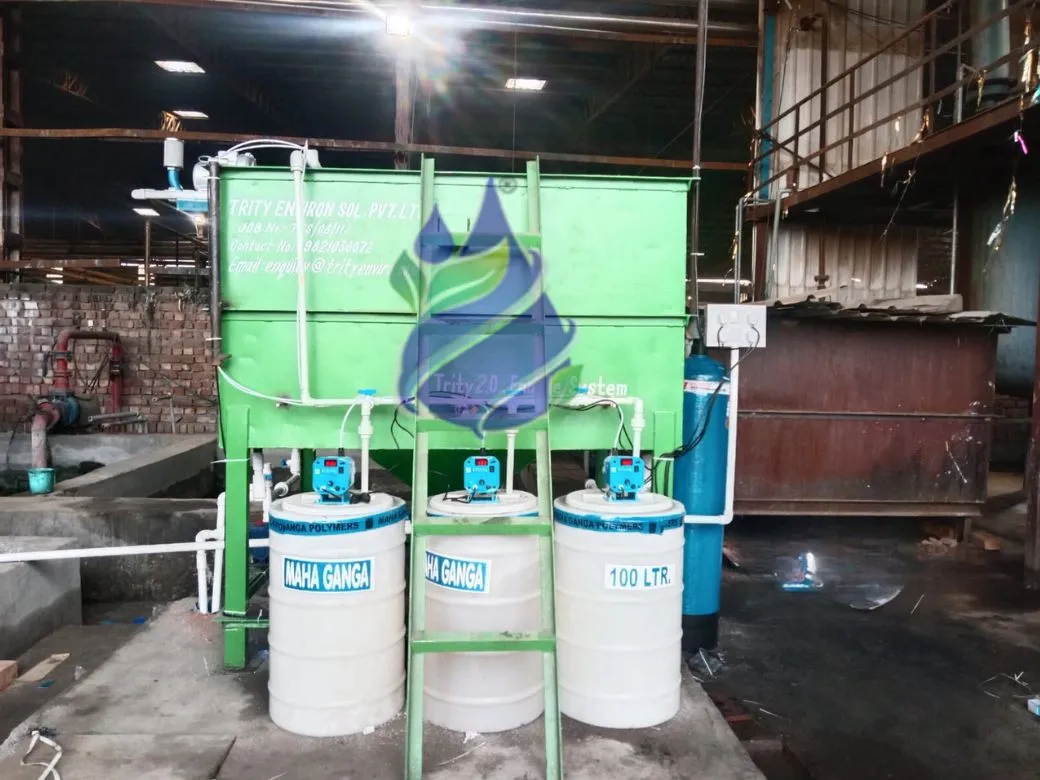
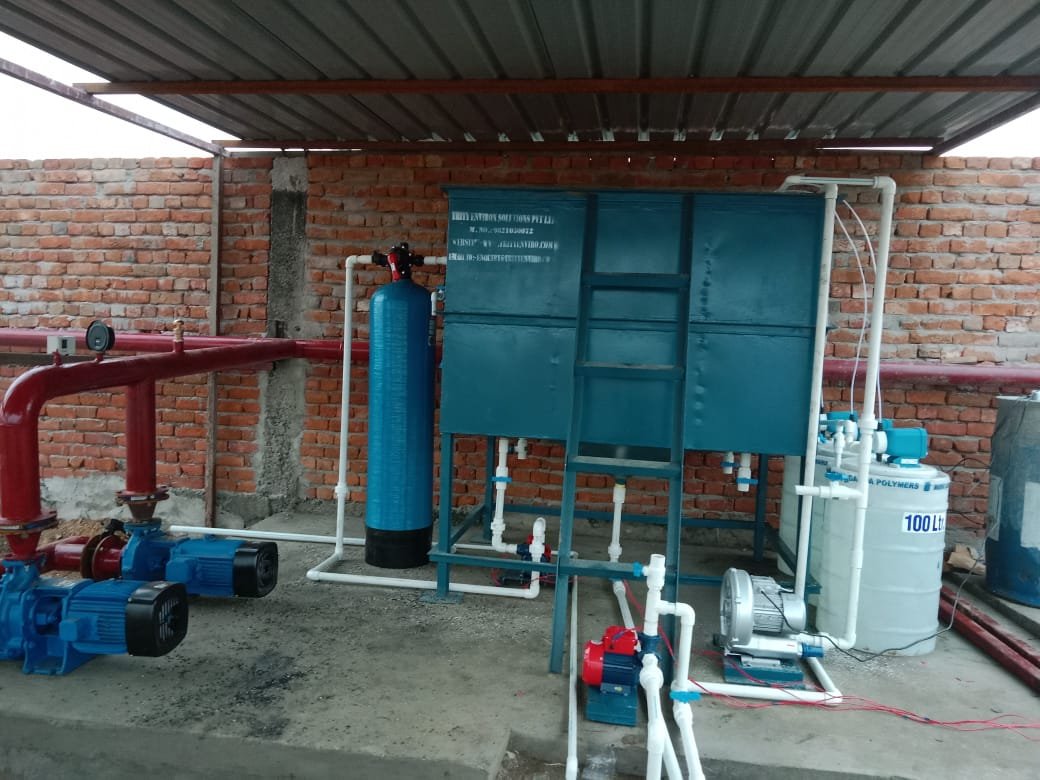
Trity Environ Solutions designs and installs STP and ETP systems across Uttar Pradesh, including our work in the Sikandrabad-Bulandshahr industrial belt and the broader Ghaziabad and Delhi/NCR corridor. Systems are sized against current UPPCB discharge norms and the specific consent category applicable to each project, backed by installation and ongoing AMC support.
If your project in Uttar Pradesh needs a compliance-ready STP or ETP, reach out through our services page or contact us at enquiry@trityenviro.com or +91-9821030072 for a site-specific assessment.
UPPCB grants Consent to Establish and Operate, sets and enforces effluent discharge standards aligned with CPCB's baseline, monitors STP performance, and takes enforcement action against violations across Uttar Pradesh.
Commonly cited figures include BOD ≤10 mg/L, COD ≤50 mg/L, TSS ≤10 mg/L, and pH 6.5–8.5, though these should be confirmed against UPPCB's current notification for your specific project category.
Larger STPs are generally required to run online sensors transmitting data on key parameters to UPPCB and CPCB servers, with particular emphasis on facilities near the Ganga basin.
Consequences can include financial penalties, closure orders, environmental compensation, and NGT intervention, with severity generally scaling with the extent and duration of the violation.
UPPCB maintains regional offices across Lucknow, Noida, Ghaziabad, Kanpur, Varanasi, Agra, Meerut, and other districts, with the Lucknow office typically handling head-office level technical approvals.
The Water (Prevention and Control of Pollution) Amendment Act, 2024 shifted many minor and procedural offences from imprisonment to monetary penalties nationally, but it initially applied only to Himachal Pradesh, Rajasthan, and Union Territories, with other states adopting it separately through a state resolution. Confirming whether Uttar Pradesh has formally adopted this amended framework is worth doing directly with UPPCB, since serious violations like unauthorised discharge remain criminally punishable under both the original and amended structures regardless.
Compliance in Uttar Pradesh comes down to matching your project to the right consent category, designing to UPPCB's current discharge standards, and building in the monitoring infrastructure larger plants now require, particularly for facilities operating anywhere near the Ganga basin. With UPPCB's enforcement posture continuing to tighten alongside the state's industrial growth, getting this right from the design stage is considerably more straightforward than retrofitting compliance onto an already-operating plant. Trity Environ Solutions works with developers and facility owners across Uttar Pradesh to get that design right the first time, backed by current regulatory knowledge and ongoing support well beyond commissioning.
Explore key challenges and advanced solutions for treating high-salinity wastewater in coastal effluent treatment plants (ETPs) and industrial regions.
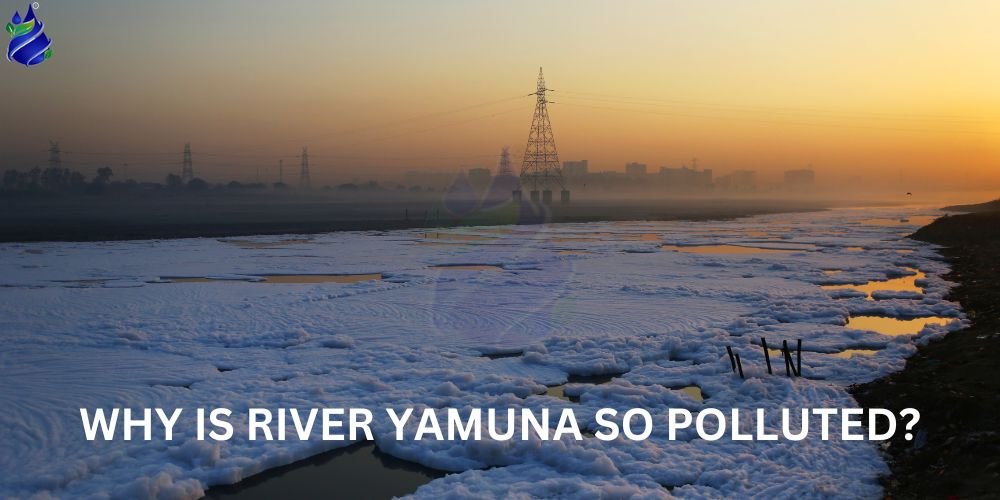
Why the Yamuna is so polluted: real CPCB data on sewage, industrial discharge, toxic froth, and why Delhi's 22 km stretch causes 80% of it.

Learn how economic valuation of wastewater works in India, from CPCB-driven ZLD mandates to replacement cost and shadow pricing methods for industries.

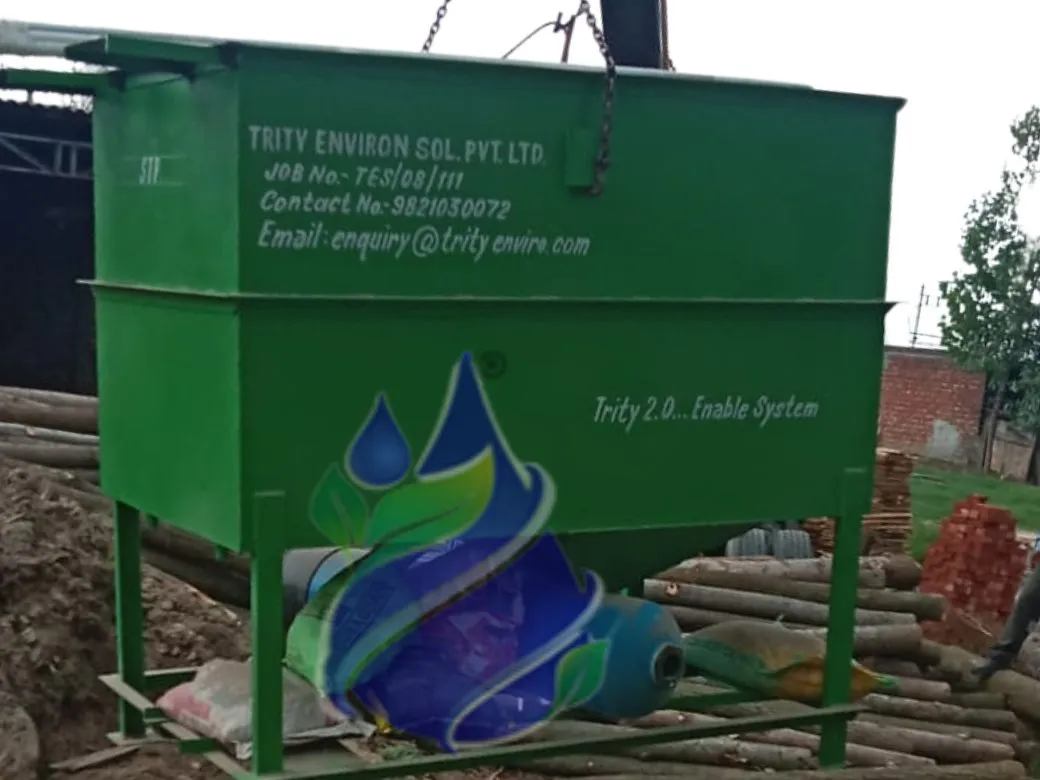



Discuss your requirements with our engineering team and get practical guidance for your project.