Improving Sludge Management: Sustainable Approaches for Wastewater Treatment Byproducts
Explore innovative, sustainable approaches to sludge management that cut costs, recover resources, and reduce environmental impact in wastewater treatment.

 ISO 9001:2015 & QCI Approved
A guide to DPCC's sewage treatment plant requirements in Delhi, covering current discharge norms, mandatory installation rules, and compliance steps.
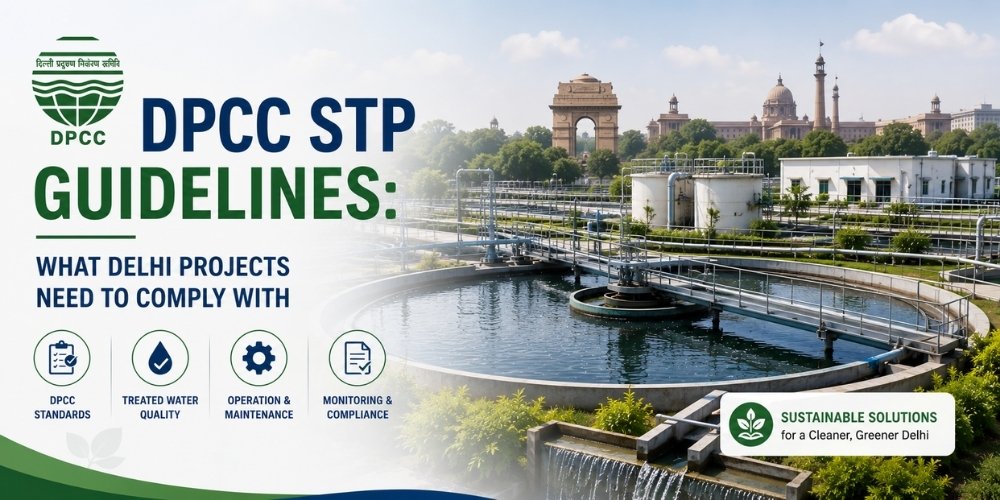
Norms last verified: July 2026. Regulatory figures are subject to periodic revision — always confirm current limits directly with DPCC before finalising a compliance decision.
Delhi's sewage treatment compliance runs through one specific authority, and getting its name right matters more than it might seem. The Delhi Pollution Control Committee (DPCC), not a "board," is the autonomous body responsible for enforcing sewage treatment norms across the National Capital Territory. Established on 1 June 1991 after the Central Pollution Control Board delegated its powers for Delhi under Section 4(4) of the Water Act and Section 6 of the Air Act, DPCC has been the working regulatory authority on the ground in the capital for over three decades.
DPCC operates under the Department of Environment, Government of NCT of Delhi, and its core responsibilities for STP compliance include:
| Parameter | Commonly Cited Standard |
|---|---|
| pH | 6.5 – 8.5 |
| BOD (5-day) | ≤ 10 mg/L |
| COD | ≤ 50 mg/L |
| Suspended Solids | ≤ 10 mg/L |
| Ammoniacal Nitrogen | ≤ 5 mg/L |
| Fecal Coliform | ≤ 100 MPN/100 mL (some notifications cite different limits depending on reuse application) |
These figures reflect CPCB's baseline standard as generally applied through DPCC's framework. Given how frequently environmental notifications get revised, particularly in Delhi where enforcement scrutiny has intensified in recent years, confirming the current figure applicable to your specific project category directly with DPCC remains the safest approach.
New and existing residential, commercial, and institutional projects above specified size thresholds, including large apartment complexes, hotels, malls, hospitals, and educational campuses, are required to install and operate a compliant STP. Beyond project-specific thresholds, any Orange or Red category industrial unit is generally expected to have treatment infrastructure in place as a condition of its consent. Given how these thresholds and category classifications can be revised, confirming the specific requirement for your project with DPCC early in the planning stage is worth the effort.
Delhi's enforcement environment is not limited to DPCC alone, which is worth understanding for any project in the capital.
As with the national framework, the Water (Prevention and Control of Pollution) Amendment Act, 2024 has shifted many minor procedural offences toward monetary penalties rather than imprisonment, though this amendment initially applied only to Himachal Pradesh, Rajasthan, and Union Territories, with other states and UTs adopting it separately. Confirming which penalty framework currently applies in Delhi is worth doing directly with DPCC, since serious violations like unauthorised discharge remain criminally punishable under both the original and amended structures regardless.
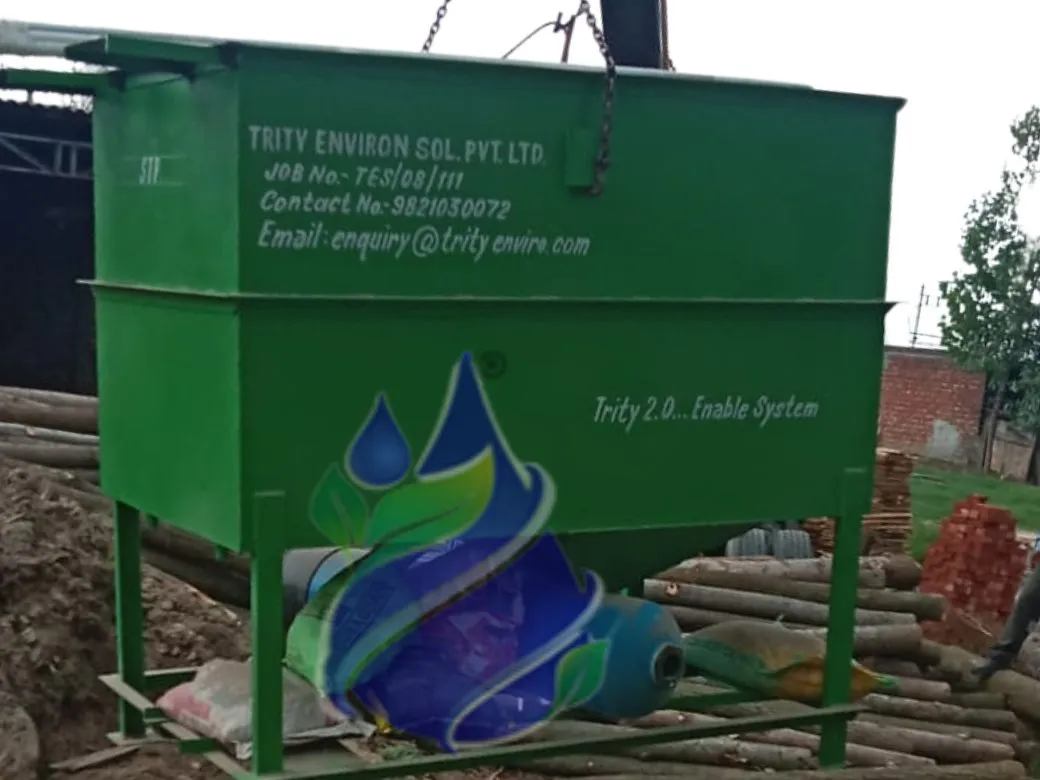
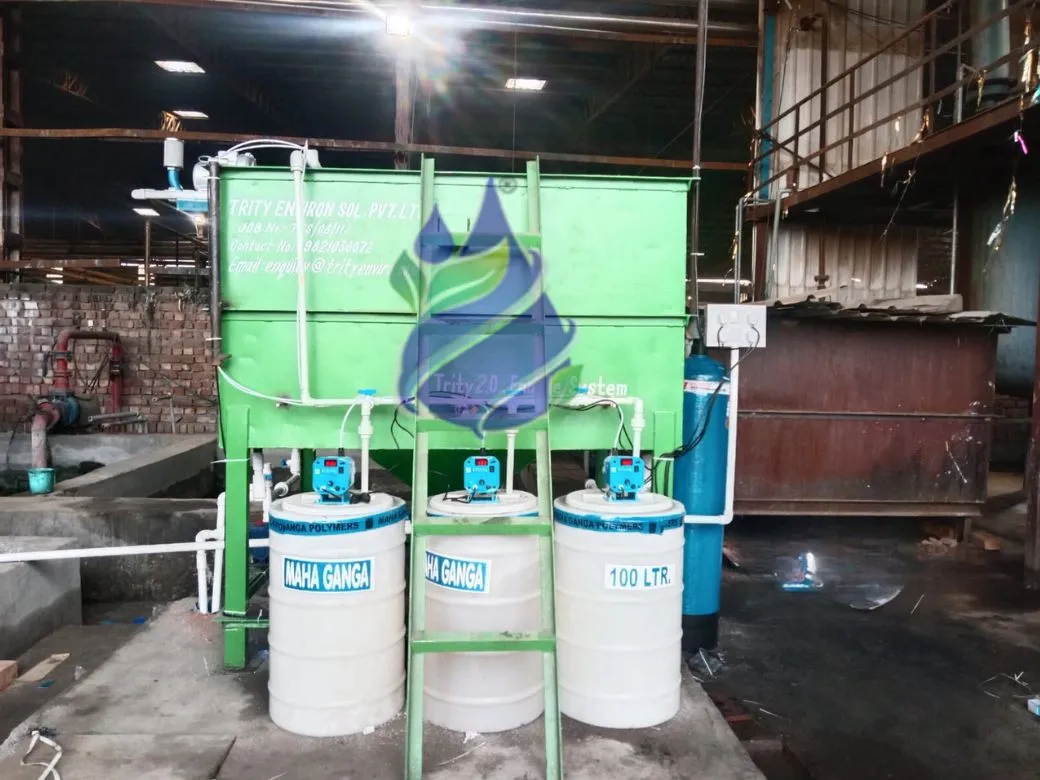
Trity Environ Solutions designs and installs STP and ETP systems across the Delhi/NCR corridor, including Ghaziabad and the wider western UP belt feeding into the region. Systems are sized against current DPCC and CPCB discharge norms and the specific consent category applicable to each project, backed by installation and ongoing AMC support.
If your project in Delhi needs a compliance-ready STP or ETP, reach out through our services page or contact us at enquiry@trityenviro.com or +91-9821030072 for a site-specific assessment.
It is formally the Delhi Pollution Control Committee (DPCC), not a board, though it is commonly referred to informally as the Delhi Pollution Control Board. The distinction matters for accurate compliance documentation and correspondence.
Commonly cited figures include BOD ≤10 mg/L, COD ≤50 mg/L, TSS ≤10 mg/L, and pH 6.5–8.5, though these should be confirmed against DPCC's current notification for your specific project category.
Larger STPs are generally required to run online sensors transmitting key parameters to DPCC and CPCB servers, consistent with the national push toward continuous digital compliance monitoring.
DPCC handles day-to-day consent, monitoring, and enforcement within Delhi's NCT boundaries. CAQM, established in 2021, coordinates policy and emergency-level air and environmental action across Delhi and the broader NCR states, working alongside DPCC rather than replacing its authority.
Consequences can include financial penalties, closure orders, environmental compensation, and NGT referral, with Yamuna-linked violations in particular attracting heightened scrutiny given the river's ongoing health concerns.
Compliance in Delhi means designing to DPCC's current discharge standards while staying aware of the capital's layered regulatory environment, from CAQM's coordinating role to the sustained NGT and parliamentary attention on the Yamuna's health. With enforcement scrutiny in the capital continuing to intensify, building a properly sized, CPCB-approved STP from the project's design stage is a considerably more straightforward path than retrofitting compliance later. Trity Environ Solutions works with developers and facility owners across Delhi/NCR to get that design right from the outset, backed by current regulatory knowledge and support well beyond commissioning.
Explore innovative, sustainable approaches to sludge management that cut costs, recover resources, and reduce environmental impact in wastewater treatment.

Explore pharmaceutical degradation in ETPs. Learn how persistent drugs, treatment tech, and microbial activity impact wastewater treatment efficiency.
Explore how data-driven technologies improve operational efficiency, predictive maintenance, sustainability, and regulatory compliance in modern wastewater treatment systems.





Discuss your requirements with our engineering team and get practical guidance for your project.