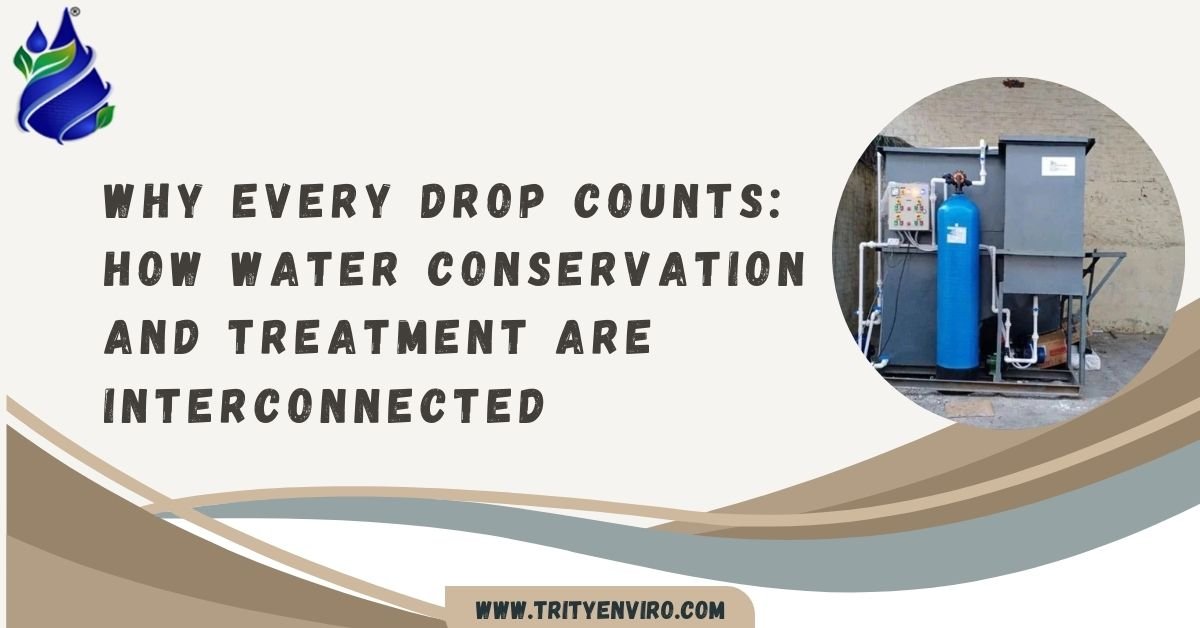
Why Every Drop Counts: How Water Conservation and Treatment Are Interconnected
Water conservation and treatment go hand in hand to ensure a sustainable future. Learn how responsible practices help secure clean water for generations to come.

 ISO 9001:2015 & QCI Approved
Explore water pollution in India, its major causes, health effects, and practical solutions. Learn how industries and sewage impact water quality.

Picture this: a country that holds just 4% of the world's freshwater but is home to 18% of the global population. Now add rapid industrialisation, crumbling sewage infrastructure, and decades of agricultural overuse and you begin to understand why water pollution in India is no longer just an environmental issue. It's a national emergency.
According to NITI Aayog, over 600 million people in India face extreme to high water stress. The Central Pollution Control Board (CPCB) has identified more than 351 polluted river stretches across 323 rivers. And yet, nearly 90% of India's sewage is discharged without any treatment whatsoever.
The rivers we worship the Ganga, the Yamuna are among the most polluted in the world. The groundwater that millions depend on is laced with arsenic, fluoride, and nitrates. And the cost? India's environmental degradation now runs to an estimated USD 80 billion annually, with water pollution alone threatening to shave off a significant share of GDP growth.
But the story doesn't end here. It can't. There are solutions technological, policy-driven, and community-led that can turn this around. This article breaks down the problem and what's actually being done about it.
Water pollution occurs when harmful substances — industrial chemicals, untreated sewage, agricultural runoff, plastics, or biological waste — enter rivers, lakes, groundwater, or coastal waters and degrade their quality to the point where they become unsafe for drinking, farming, or supporting aquatic life.
In technical terms, pollution is measured by parameters like BOD (Biochemical Oxygen Demand), COD (Chemical Oxygen Demand), and faecal coliform counts. The CPCB mandates a BOD of under 3 mg/L for safe river water. In stretches of the Yamuna and Sabarmati, BOD levels have been recorded at dozens of times that limit.
The numbers are stark.
The gap between sewage generation and treatment capacity is the single most telling statistic about India's water crisis. We are producing nearly 2.3 times more wastewater than we have the capacity to treat.
India's rapid industrial growth has come at a steep cost to its waterways. Between 2016 and 2017, industrial plants generated 7.17 million tonnes of hazardous waste. The CPCB reported that 746 industries were directly discharging wastewater into the Ganga alone as of 2016 — untreated effluent containing heavy metals like lead, cadmium, chromium, arsenic, and zinc.
Only about 60% of large industries comply with effluent discharge standards. Small and medium enterprises particularly in textiles, leather, electroplating, and pharmaceuticals — are frequent violators, often lacking affordable Effluent Treatment Plants (ETPs).
This is the single biggest contributor. Every day, 40 million litres of wastewater flow into India's water bodies, the majority of it raw domestic sewage. The Ganga alone receives an estimated 258.67 million litres of untreated sewage daily, as reported by the National Green Tribunal in 2024.
The infrastructure deficit is massive. Many Sewage Treatment Plants (STPs) either operate below capacity or remain non-functional due to power cuts, maintenance gaps, and administrative failures. Fast-growing cities simply haven't built treatment infrastructure fast enough.
India is one of the world's largest consumers of nitrogen-based fertilisers, using over 67,000 tonnes of pesticides annually. Monsoon rains wash these chemicals — nitrates, phosphates, and pesticide residues directly into rivers and groundwater, causing a host of problems:
India generates enormous quantities of municipal solid waste, and a significant portion ends up in water bodies — especially during monsoons, when floods flush waste from streets and landfills into rivers. Microplastics have now been detected in multiple Indian rivers, including the Ganga and Brahmaputra.
Delhi alone generates over 11,300 tonnes of garbage every day, with only a fraction processed through proper waste management channels.
Rapid, unplanned urbanisation puts immense pressure on ageing water infrastructure. But there's a more insidious multiplier at work: climate change.
The Gangotri Glacier is retreating at 22 metres per year, reducing the natural dry-season flows that dilute river pollutants. Intense rainfall events flush untreated agricultural runoff and sewage directly into rivers, bypassing treatment systems entirely. Meanwhile, rising temperatures are accelerating algal blooms in urban lakes.
Contaminated water is responsible for an estimated 80% of stomach ailments in India. Waterborne diseases like cholera, typhoid, dysentery, diarrhoea, hepatitis A, and jaundice are endemic in regions with poor water quality. Long-term exposure to heavy metals causes neurological damage, kidney failure, and developmental disorders in children.
The health burden is disproportionately borne by rural and lower-income communities people who cannot afford RO systems or bottled water, and who have no choice but to drink from contaminated sources.
Polluted water kills fish, amphibians, and aquatic insects collapsing food chains and destroying ecosystems. High levels of nutrients from agricultural runoff trigger algal blooms that choke oxygen out of water bodies, creating "dead zones" where no aquatic life can survive. Several rivers in India, including the Sutlej in Punjab, have experienced exactly this.
India generated nearly 340 million tonnes of fly ash in 2024–25 from coal-fired power plants, much of which leaches into rivers and groundwater.
The cost is staggering. India's environmental degradation costs approximately USD 80 billion annually, with water pollution responsible for a significant portion. The World Bank estimates that water pollution costs India around 3% of its GDP each year through healthcare costs, lost productivity, reduced agricultural yields, and the collapse of fisheries and tourism.
The government has spent USD 1.63 billion on Ganga cleanup and USD 1 billion on the Yamuna since 1993 yet both rivers remain critically polluted. This underscores how reactive, under-scaled investment consistently fails to match the scale of the problem.
The Yamuna (Delhi–Mathura stretch) is perhaps the most visible symbol of India's water crisis. By one 2012 estimate, Delhi's stretch of the Yamuna contained 7,500 coliform bacteria per 100 cc of water — many times the safe limit. The CPCB's 2024 assessment continues to list it among the country's most critically polluted stretches.
The Ganga, sacred to over 500 million Indians and ritually bathed in by an estimated 2 million people daily, still receives massive loads of untreated sewage and industrial effluent. Cities along its banks contribute about 33% of the country's total wastewater.
The Damodar River (Jharkhand) receives approximately 770 MLD of polluted water from mines and industries, ranking it among CPCB's Priority-I critically polluted stretches.
Sabarmati (Ahmedabad) recorded a BOD of 292 mg/L (CPCB 2023) — nearly 100 times the safe limit.
Musi (Hyderabad) is so degraded that an estimated 90% of the river's flow has effectively become sewage.
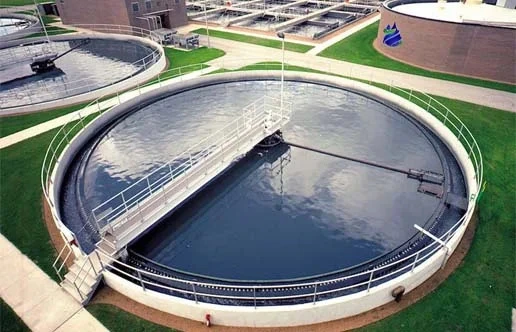
The most effective way to stop industrial water pollution at the source is through certified wastewater treatment infrastructure:
Constructed wetlands, riparian buffer zones, and urban lake restoration programmes have shown promising results across India. These low-cost, high-impact approaches filter pollutants naturally and restore biodiversity while requiring far less energy than conventional treatment plants.
India cannot solve its water pollution crisis through government policy alone. Private sector expertise, especially from dedicated wastewater treatment specialists, plays a critical role in bridging the gap between intent and implementation.
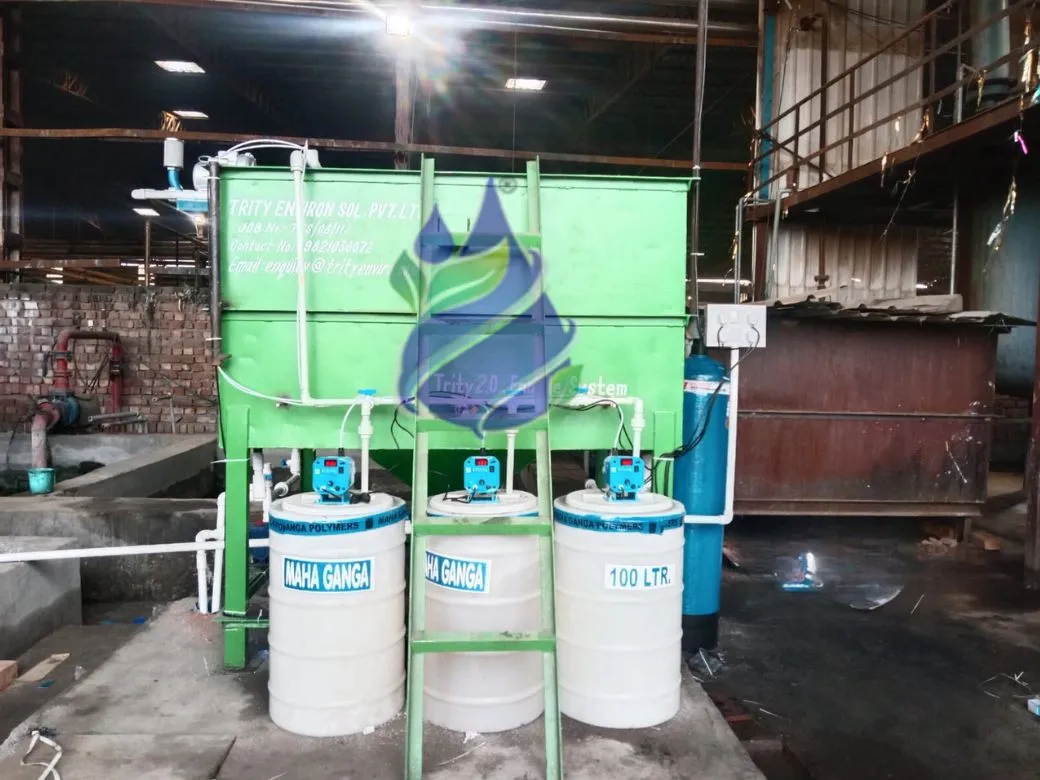
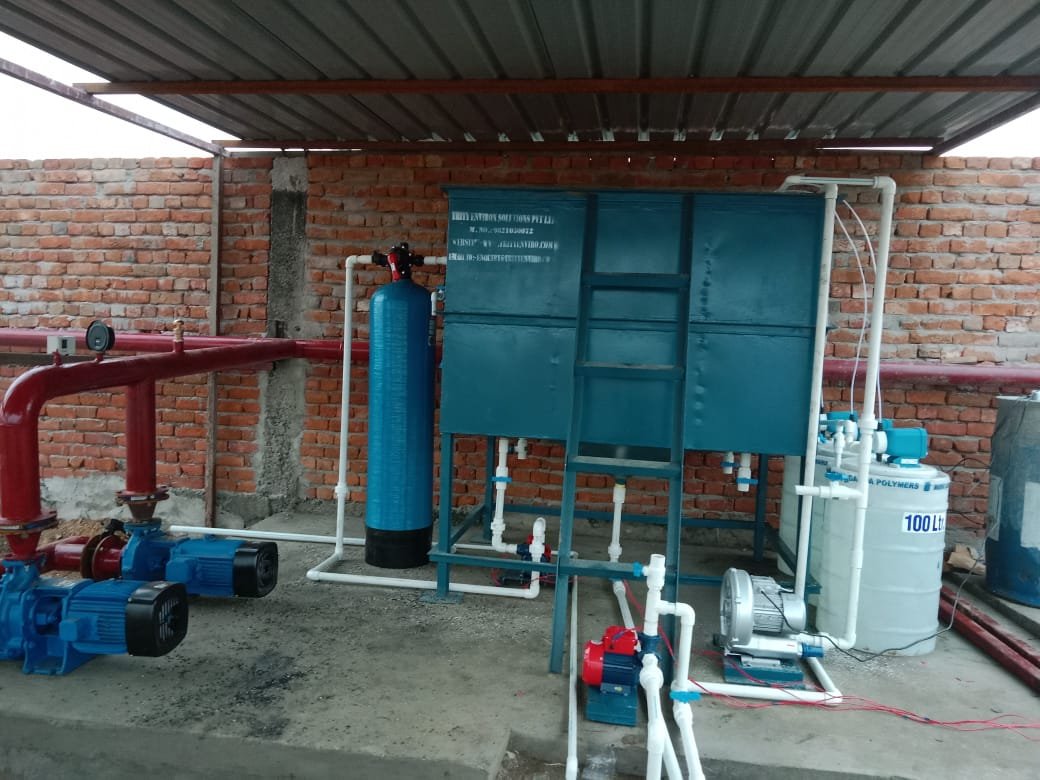
Companies like Trity Environ Solutions design and manufacture end-to-end treatment systems ETPs, STPs, and ZLD plants customised for industries ranging from pharmaceuticals and chemicals to food processing and textiles. Based in Ghaziabad, Trity Environ works across India with a focus on CPCB-compliant engineering, helping industries meet regulatory norms while minimising their environmental footprint.
Whether you're an industrial unit facing NGT compliance requirements or a real estate developer planning an STP for a new residential township, working with an experienced, ISO 9001:2015-certified partner ensures that your treatment system is not just installed but actually works.
Learn more about Trity Environ's Sewage Treatment Plants, Effluent Treatment Plants, Commercial RO Plants, ZLD Systems, and our Wastewater Treatment Solutions by Industry.
Water pollution in India is a crisis decades in the making and it won't be reversed overnight. But the tools, the technology, and the regulatory framework are increasingly in place. What's needed now is scale, speed, and accountability.
Every untreated litre of sewage that enters a river is a policy failure, an infrastructure failure, and a collective one. But every ETP commissioned, every STP upgraded, every ZLD system installed is a step in the right direction. The question isn't whether India can fix this it's whether it will act fast enough.
The primary causes are untreated domestic sewage (which accounts for the largest share), industrial effluent discharge, agricultural runoff from fertilisers and pesticides, plastic and solid waste dumping, and rapid unplanned urbanisation. Climate change is increasingly acting as a force multiplier, intensifying all of these.
According to CPCB's 2024 assessment, the Yamuna (particularly the Delhi–Mathura stretch), Ganga (Kanpur–Varanasi), Sabarmati (Ahmedabad), Musi (Hyderabad), and Damodar (Jharkhand) are among India's most critically polluted river stretches. The Yamuna and Ganga consistently top pollution lists due to the scale of sewage and industrial discharge they receive.
Drinking or even bathing in polluted water can cause cholera, typhoid, dysentery, hepatitis A, and diarrhoea. Long-term exposure to heavy metals like arsenic and fluoride leads to neurological damage, kidney failure, skeletal fluorosis, and developmental disorders. Contaminated water is linked to roughly 80% of stomach illnesses in India.
Control requires action on multiple fronts: mandatory installation of ETPs in industries, expansion of municipal STP capacity, strict enforcement of ZLD norms, sustainable agricultural practices, better solid waste management, and community awareness. Government programmes like Namami Gange and Jal Jeevan Mission are important, but private sector compliance and innovation are equally essential.
The three most important industrial solutions are: (1) Effluent Treatment Plants (ETPs), which treat wastewater before discharge; (2) Sewage Treatment Plants (STPs), for domestic and mixed wastewater; and (3) Zero Liquid Discharge (ZLD) systems, which recycle all effluent within the plant, eliminating river discharge entirely. These systems are now mandated by the NGT and CPCB for many industrial categories.
Yes and the scale is alarming. India is the world's largest consumer of groundwater, and the Central Ground Water Board's 2024 report found dangerous levels of nitrates, fluoride, arsenic, and uranium across multiple states. Fluoride contamination alone affects over 60 million people in 21 states. Arsenic pollution is severe in West Bengal and Bihar.
Water conservation and treatment go hand in hand to ensure a sustainable future. Learn how responsible practices help secure clean water for generations to come.
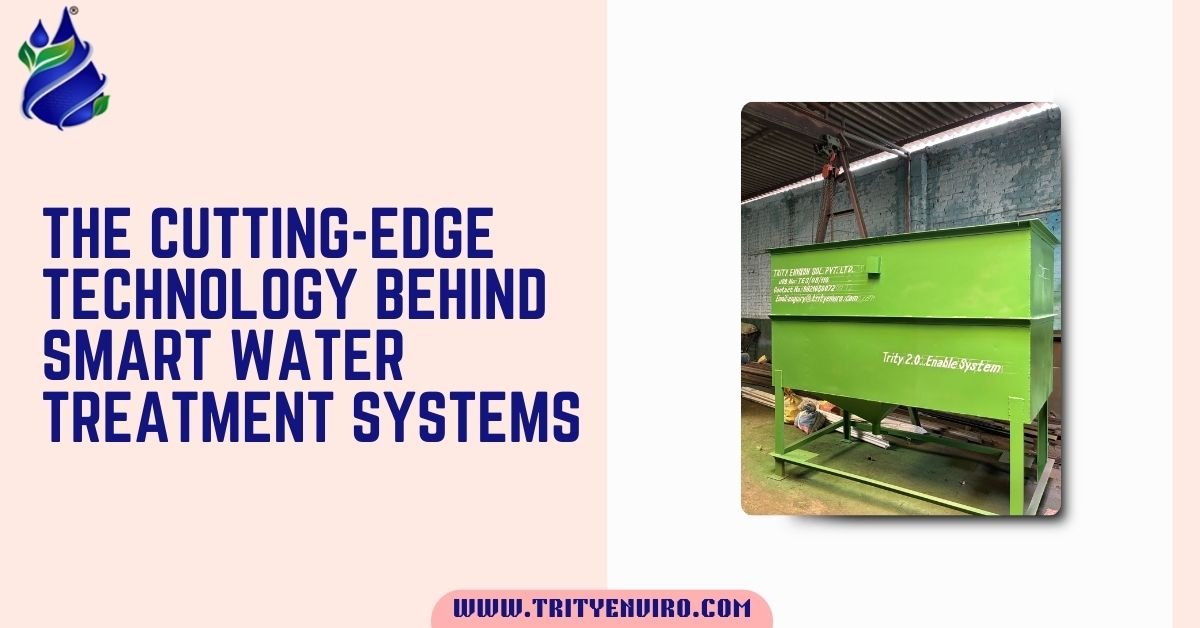
Discover how IoT, AI, and advanced filtration are revolutionizing water treatment, ensuring cleaner, smarter, and more sustainable water management for a greener future.
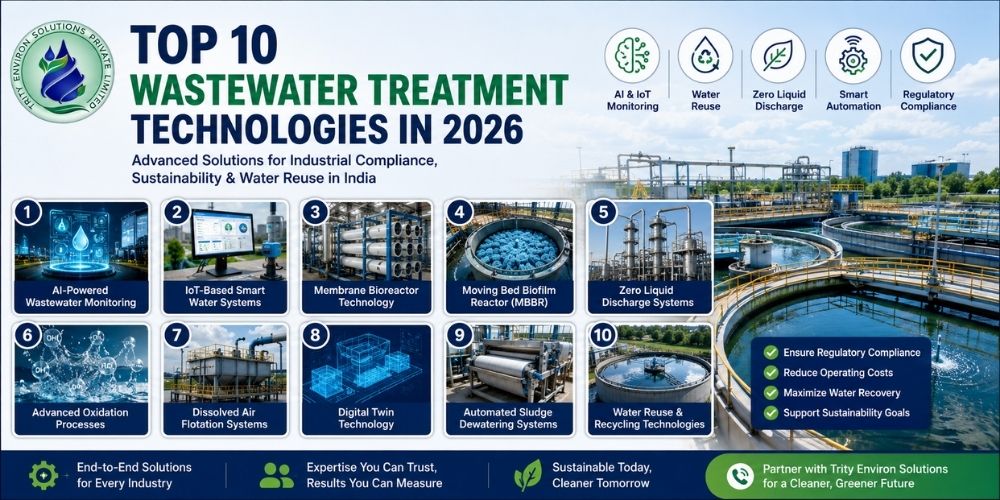
Explore the top wastewater treatment technologies in 2026 including AI monitoring, MBR, MBBR, ZLD, and smart water reuse systems for industrial compliance in India.

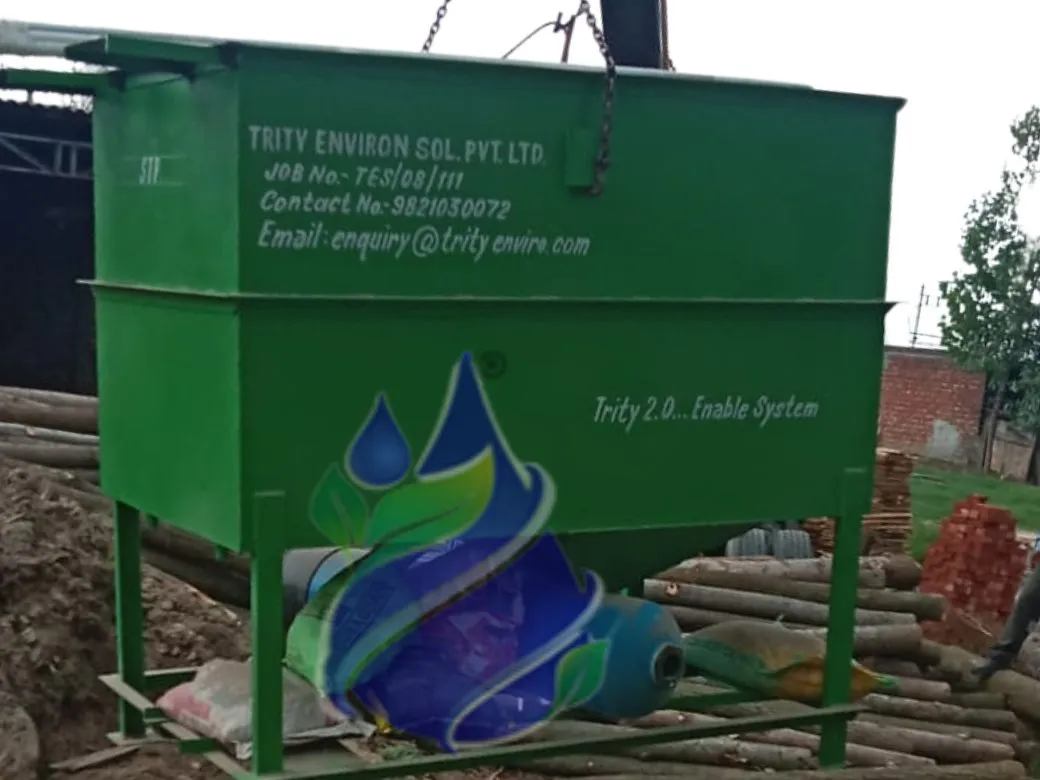



Discuss your requirements with our engineering team and get practical guidance for your project.