ISO 9001:2015 & QCI Approved
Research
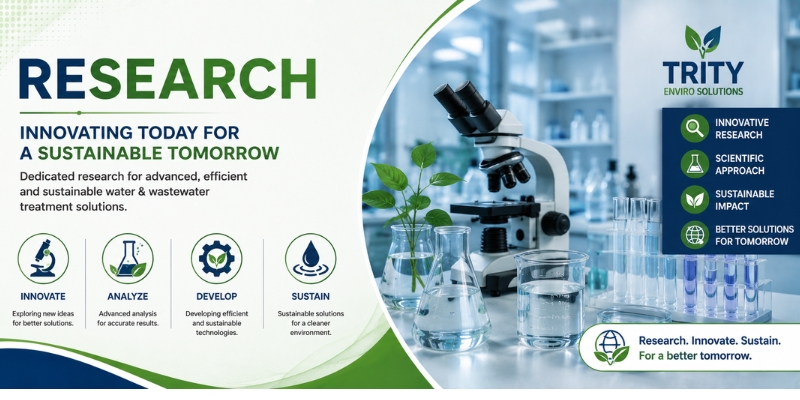
Trity Enviro conducts applied research in water and wastewater treatment, air pollution control, and climate resilience to develop better, more efficient treatment solutions.
Why a Manufacturer Also Needs to Be a Research Team
Treatment technology that was standard practice five years ago is often not the most efficient option available today, and the gap between "meets consent standards" and "actually efficient" is exactly where research work matters. Trity Environ Solution runs applied research alongside its manufacturing work because a plant that just barely clears CPCB norms and a plant that runs efficiently, uses less energy per KLD treated, and produces less sludge, are not the same design decision, and getting there requires actually testing what works rather than defaulting to whatever was specified last time.
Where Our Research Focus Sits
- Water and wastewater treatment technology: evaluating biological treatment approaches (MBBR, SBR, extended aeration, anaerobic pre-treatment) for real-world performance under Indian operating conditions, not just laboratory conditions, since load variability, power reliability, and operator consistency all affect outcomes differently than a controlled test environment suggests
- Air pollution control: effectiveness of scrubbing and filtration approaches paired with the treatment systems we manufacture, particularly where odour control and air emission compliance intersect with plant siting near residential areas
- Climate resilience and water reuse: how treatment plant design needs to adapt to more extreme rainfall variability and water stress, both of which are increasingly shaping how STPs and ETPs get sized and specified in India
- Urban ecology and biodiversity impact: understanding how treated effluent discharge interacts with receiving water bodies, beyond just meeting the numeric discharge limit on a compliance report
- Environmental awareness and sustainable practice: translating technical findings into guidance that's actually usable by facility operators and project developers, not just published for its own sake
-
Why Lab-Ideal Results Don't Always Hold Up On-Site
A treatment configuration that performs well under controlled test conditions doesn't automatically perform the same way once it's dealing with real Indian sites: inconsistent power supply that disrupts continuous aeration, seasonal load swings that a lab test never accounts for, and operators with varying levels of training all change the outcome. This is exactly the gap most published treatment research doesn't address, since it's usually validated in a lab setting or a single showcase installation rather than across the kind of varied, imperfect conditions most facilities actually operate under. Our research specifically tests for this gap, because a technology recommendation that only works in ideal conditions isn't actually a useful recommendation for most clients.
How Research Feeds Back Into What We Build
Research that doesn't change what gets manufactured or installed is an academic exercise, not applied work. When our research points to a genuinely better approach, whether that's a more efficient aeration configuration, a sludge management method that reduces disposal cost, or a treatment sequence better suited to a specific industry's effluent profile, it shows up in how we design STP and ETP systems for new projects, not in a report that sits separately from the manufacturing side of the business. This is also why our project execution and operation and maintenance teams stay connected to what the research side is finding, since a technology choice that looks good in principle needs to also hold up over months of real operation before it's worth recommending to a client.
Why This Matters for a Client Choosing a Treatment System
Most facilities choosing between treatment technologies are relying on a vendor's recommendation without an easy way to independently verify it. Our research work means that recommendation is grounded in actual comparative performance data we've gathered, not just manufacturer literature or whatever technology happens to be easiest for us to supply. It's also why we're comfortable being specific about trade-offs rather than presenting every technology as universally ideal, since an honest comparison based on real operating data serves a client better than a sales pitch dressed up as a recommendation. A client evaluating our recommendation for, say, MBBR versus extended aeration for their specific effluent profile is getting an answer grounded in how each has actually performed under comparable conditions, not just which one happens to be more profitable for us to supply.
Frequently Asked Questions
Does Trity Environ Solution's research work affect the systems I'd actually get installed?
Yes. Research findings that hold up under real operating conditions inform how we design and specify treatment systems for new projects, they're not kept separate from what we manufacture and install.
Do you publish research findings, or is this internal only?
We share findings through blog content and technical guidance on our site, aimed at being genuinely useful to facility operators and project developers rather than purely academic.
How does climate resilience research affect a standard STP or ETP design?
It shapes sizing and design margins, particularly around handling more variable rainfall and water stress than older design standards assumed, which affects tank sizing, equalization capacity, and reuse system design on newer projects.
Is this research specific to Indian conditions, or general water treatment science?
Our focus is specifically on how treatment technologies perform under Indian operating conditions, power reliability, load variability, operator consistency, and climate patterns, since results from controlled or international settings don't always transfer directly.
Scope Highlights
Why Choose Trity Enviro Solutions?
Industry-certified environmental engineers delivering compliant, high-efficiency turnkey systems across India.
100% SPCB/CPCB Compliance
Complete regulatory clearance & legal liaison support.
Certified Engineers
Over a decade of industrial wastewater expertise.
Turnkey Execution
End-to-end design, fabrication, setup & commissioning.
Pan-India AMC & Service
24/7 technical hotline, scheduled visits & spare parts.
Frequently Asked Questions
Q1. What is a MBBR Media?
Moving bed biofilm reactor (MBBR) is a type of wastewater treatment process that was first invented by Prof. Hallvard Ødegaard at Norwegian University of Science and Technology in the late 1980s. For more detail call us on 8802624956
Q2. What is a digester tank?
The wet anaerobic digestion process is applied to liquid waste streams that are conveyable by liquid pumping. Sometimes wet systems are called Low Solids AD (LSAD). The Wet AD process can be done in reactors of two main configurations, continuously stirred tank reactors (CSTR) and plug flow reactors.
Q3. Which air pollutant is produced in anaerobic decomposition of organic matter?
Methane is the largest natural source of hydrocarbons. It's produced by the anaerobic decomposition of organic matter in bodies of water. -Trees and plants produce most of the remaining natural VOC's called terpenes. Volatile Organic Compounds - VOCs -Petroleum is the key source of man-made VOC pollution.
Q4. What is a sewage treatment plant?
The Sewage Treatment Plant process is similar to the way that a Septic Tank works but mechanical components provide a process to help break down solids to produce a cleaner, more environmentally friendly effluent.
Q5. What is the tertiary treatment of sewage?
Tertiary treatment is the final cleaning process that improves wastewater quality before it is reused, recycled or discharged to the environment. The treatment removes remaining inorganic compounds, and substances, such as the nitrogen and phosphorus.
Related Service Solutions
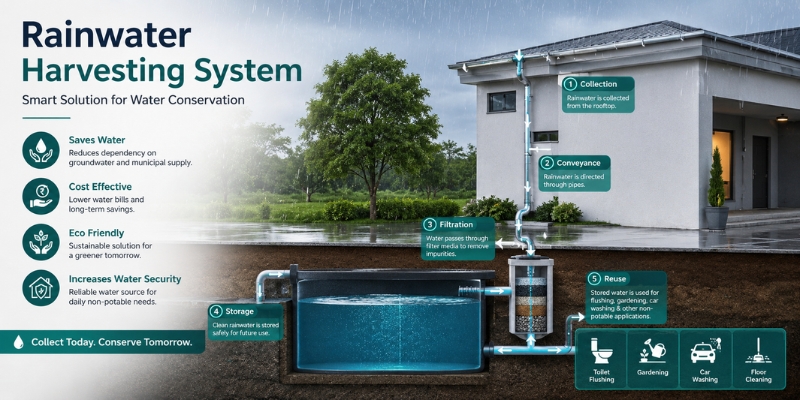
Rainwater Harvesting System

Technical Assistance on Web
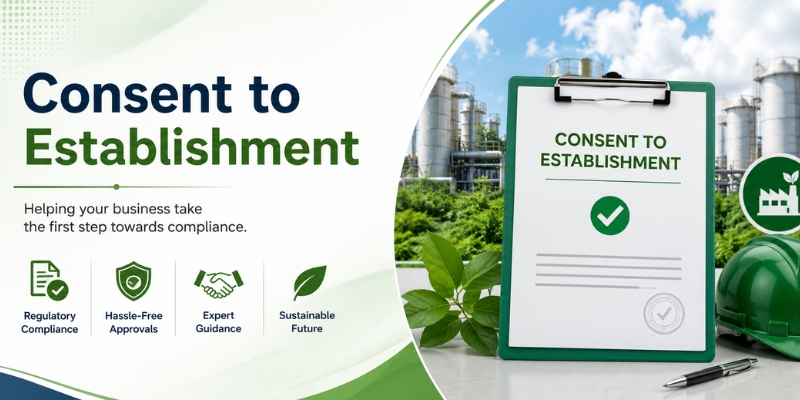
Consent to Establishment
Related Industry Insights
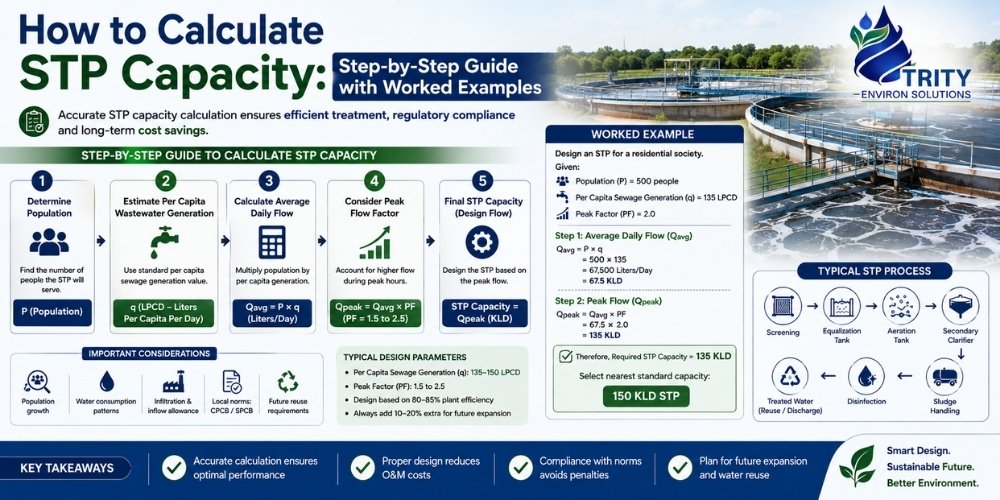
How to Calculate STP Capacity: Step-by-Step Guide with Worked Examples
Calculate STP capacity correctly with worked examples for residential, hotel, hospital, and industrial projects. CPHEEO-based formulas, peak factors, and tank sizing explained.
Read Article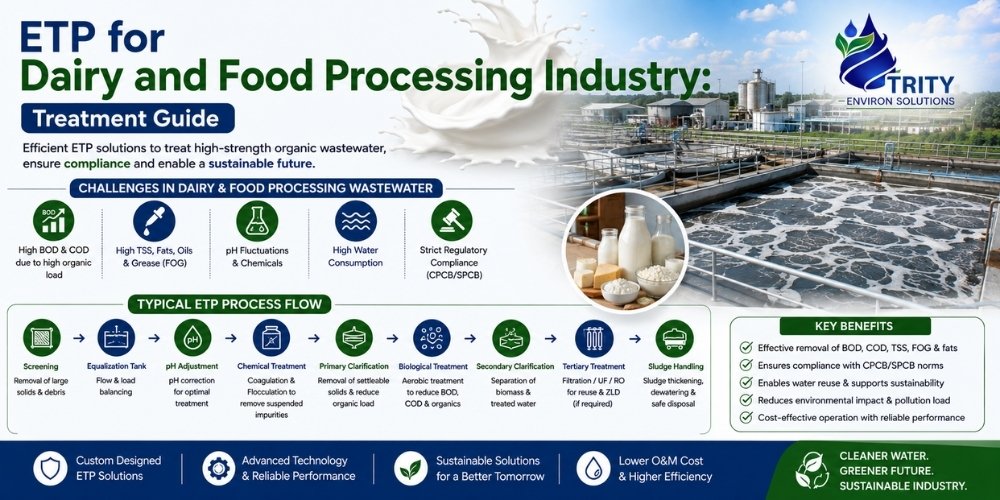
ETP for Dairy and Food Processing Industry: Treatment Guide
Dairy and food processing effluent carries high BOD, COD, and FOG that standard ETPs struggle with. See the treatment stages and technology choices that actually work.
Read Article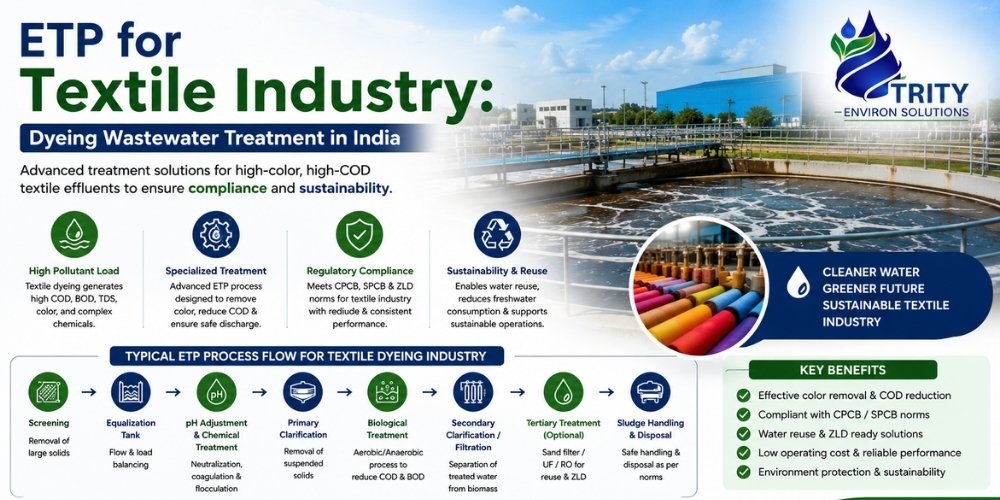
ETP for Textile Industry: Dyeing Wastewater Treatment in India
Textile effluent brings colour, high TDS, and variable pH that generic ETPs can't handle. See the treatment stages, technology choices, and compliance norms that actually work.
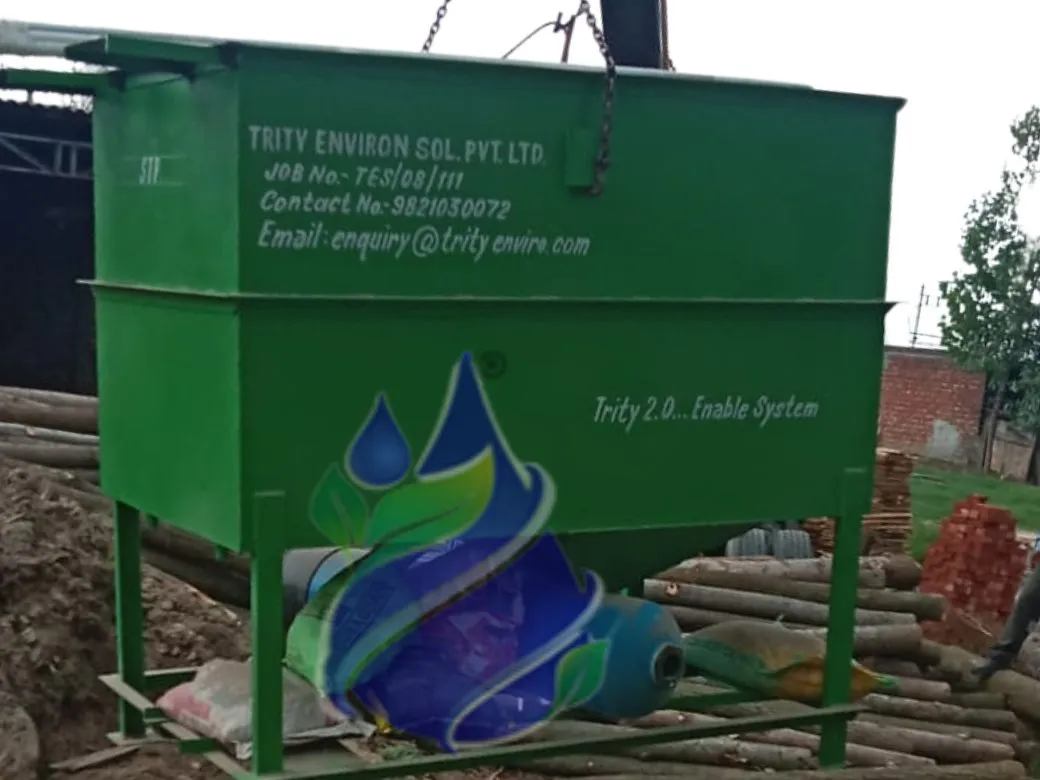
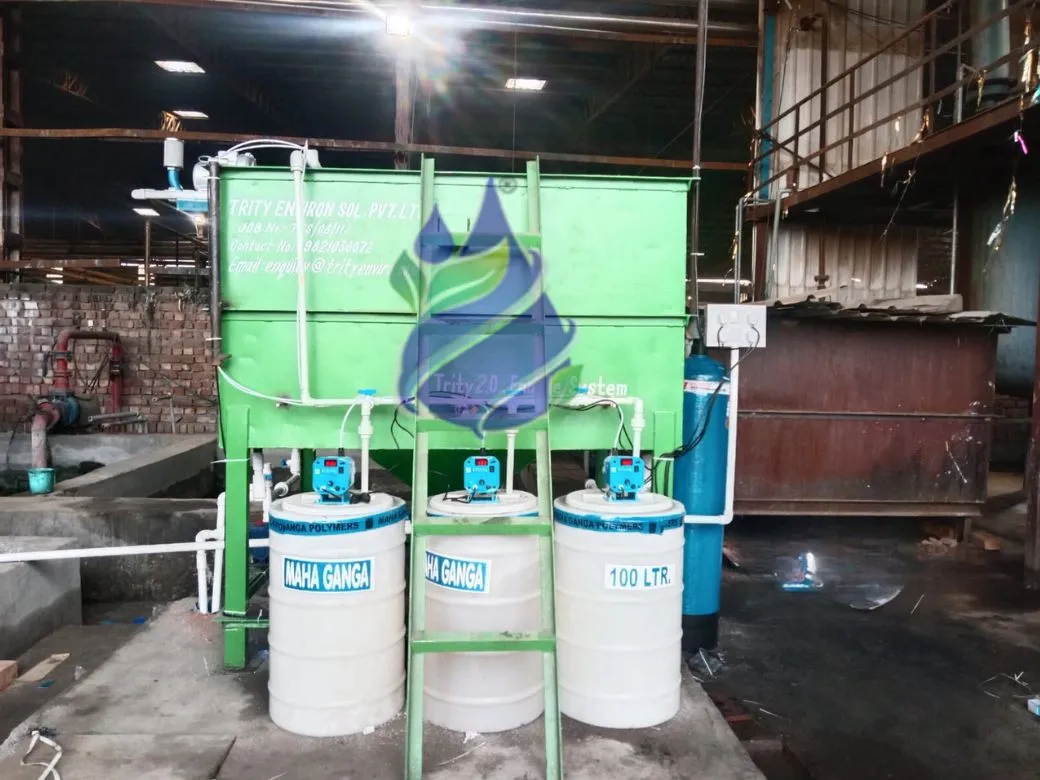
Read ArticleFeatured Turnkey Installations



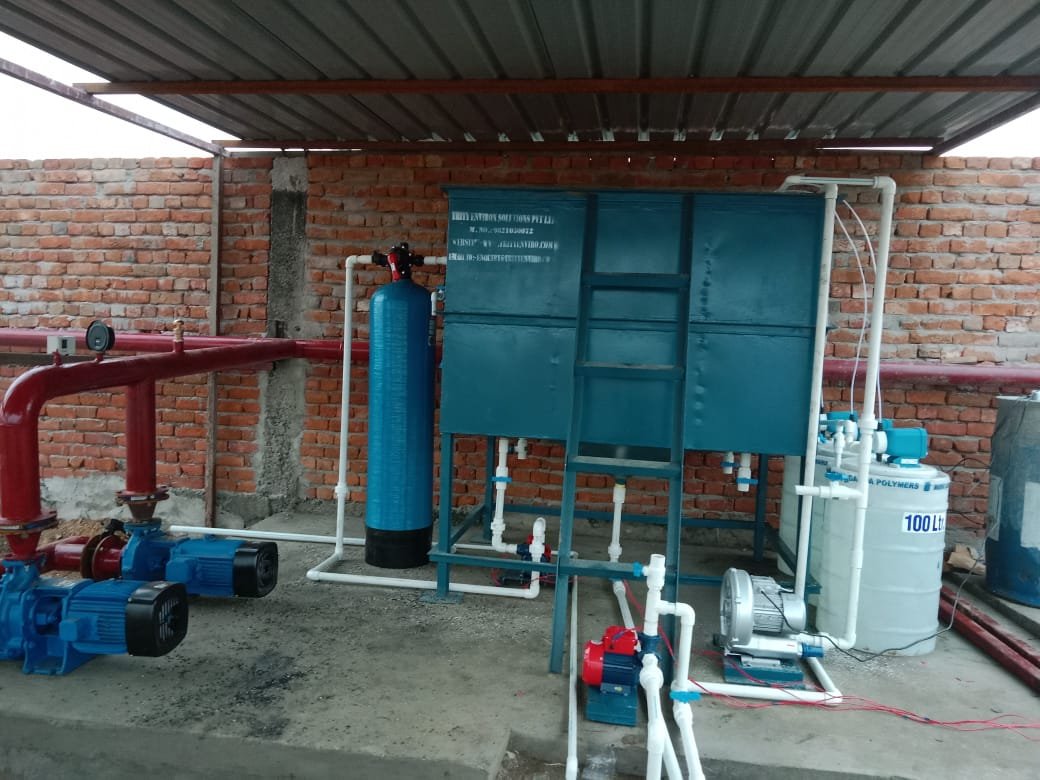

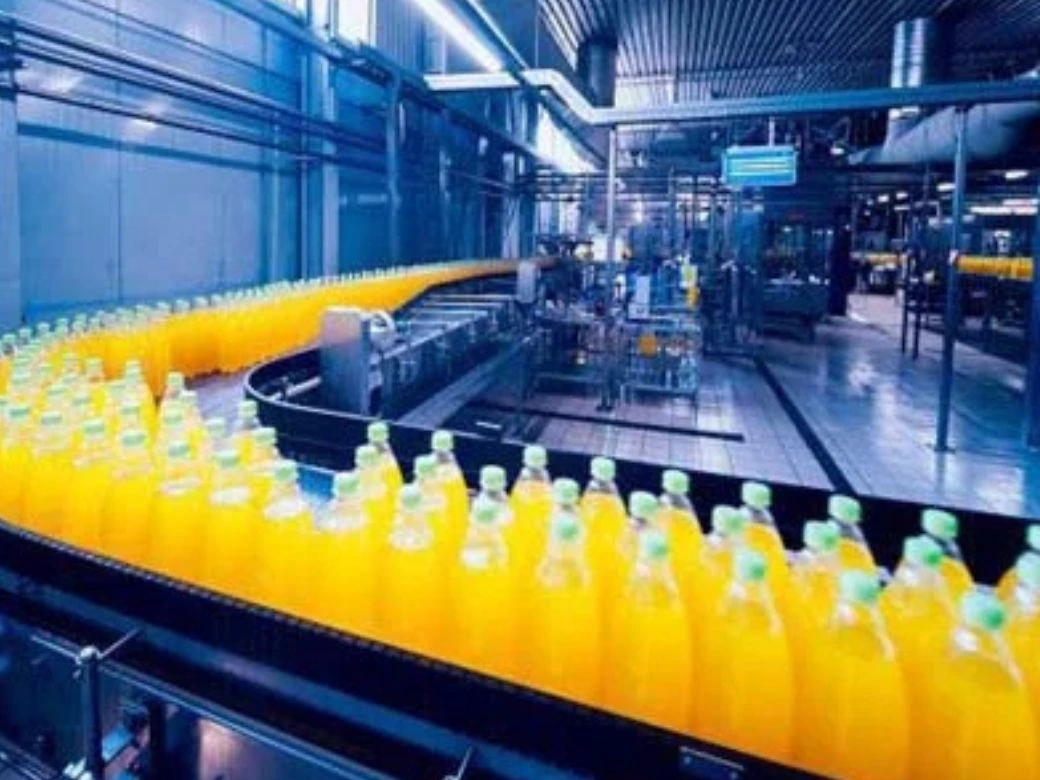
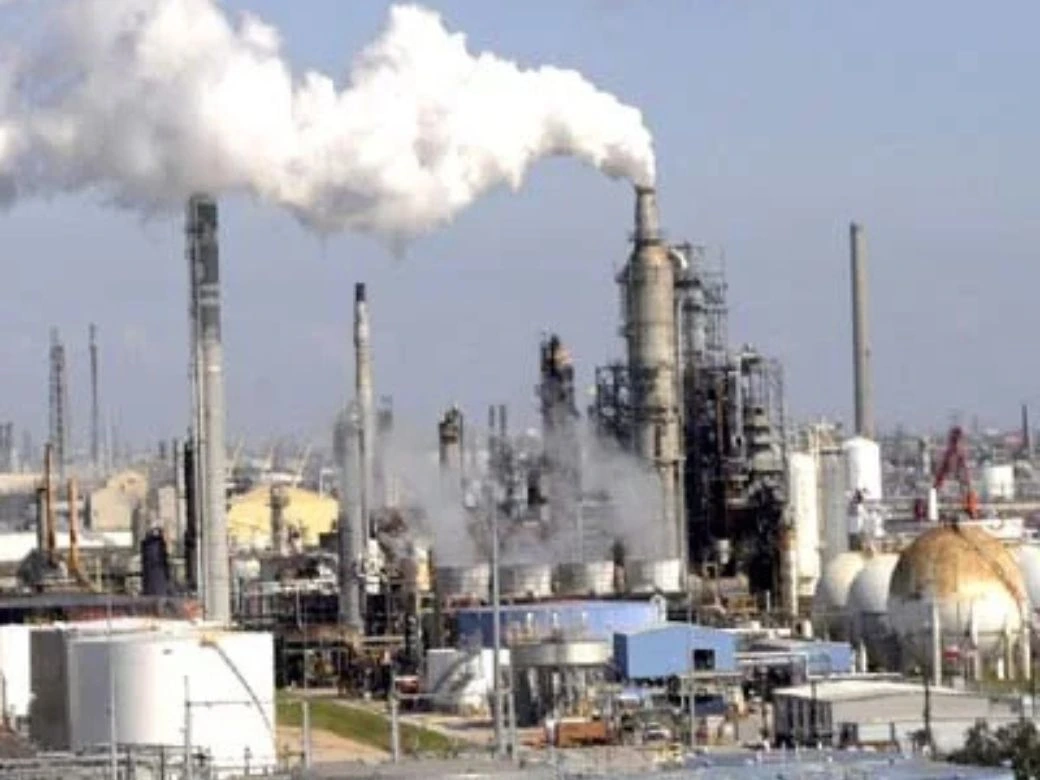
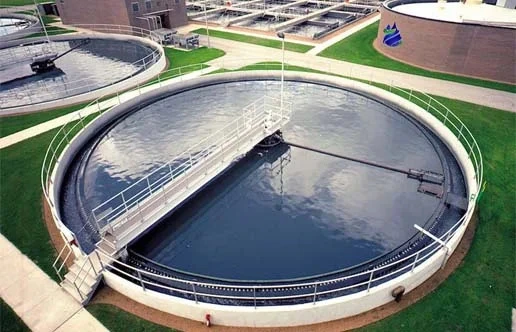
Need Expert Support for Your Water Treatment Project?
From regulatory compliance to turnkey engineering and O&M, our certified environmental engineers are ready to assist.