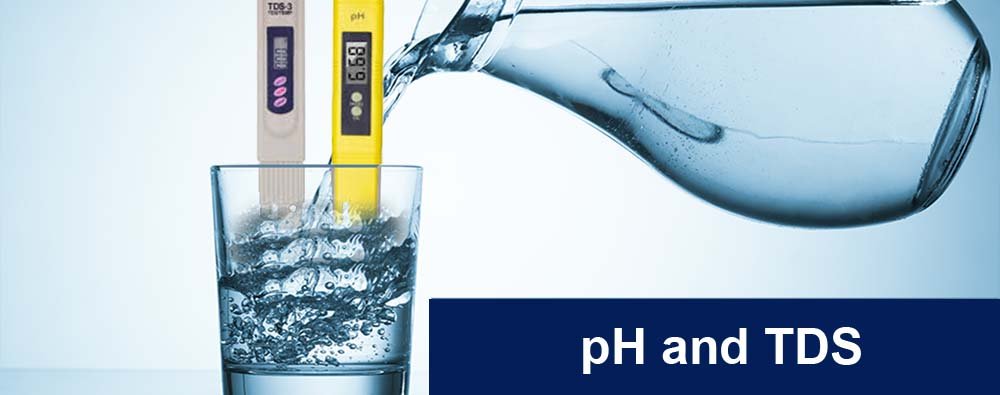
Difference Between pH and TDS: A Complete Guide for Water Quality Management
Learn the key difference between pH and TDS in water, their ideal ranges, health impacts, and industrial use. Expert water treatment guidance by Trity Environ Solutions.

 ISO 9001:2015 & QCI Approved
WHO estimates that about 1 million people die every year from diarrhoea linked to unsafe water, sanitation and hygiene. In India, arsenic and fluoride in groundwater add a slower, quieter kind of damage on top of that.

Water pollution is usually discussed as an environmental issue, with rivers, fish and ecosystems at the centre of the story. For people, the damage starts much closer to home: the glass of water, the cooked meal, the irrigation water that grows the rice on the plate.
Polluted water harms in two very different ways. The fast way is infectious disease, where pathogens cause illness within days. The slow way is chemical exposure, where metals and minerals build up in the body over years.
Knowing which pathway applies to a given source decides what treatment will actually fix it. A system that kills bacteria does nothing about fluoride, and a system that removes fluoride may do nothing about a bacterial outbreak.
Untreated sewage and contaminated surface water carry bacteria, viruses and parasites that cause some of the most common and most preventable illnesses:
All of these follow the same route: human waste reaches a water source, and people then drink it, wash with it or use it to prepare food.
The scale of the problem is documented by health agencies, not guesswork:
These figures also help explain why a "tap connection" is not the same thing as safe water. What matters is what happened to the water before it reached the tap.
Arsenic is naturally present in the aquifers of several Indian states, and the Ganga basin is among the most affected regions:
The exposure does not stop at the drinking glass. A cohort study of more than 400 people in West Bengal found elevated genotoxic effects in people who ate cooked rice containing more than 200 g/kg of arsenic, even when their drinking water was not a significant source.
This is why arsenic is a food-chain problem as well as a drinking-water problem. Contaminated irrigation water carries arsenic into crops, and treating only the drinking supply leaves part of the exposure untouched.
Fluoride is a good example of a contaminant where the dose decides everything:
A field-survey review of arsenic and fluoride in India put the population living in endemic districts at over 480 million people, which shows how widespread these two contaminants are.
Two more groundwater and river contaminants deserve attention:
Because these metals accumulate up the food chain, people can be exposed through fish, vegetables and irrigated crops long after the original discharge happened. Our guide on how toxins travel through the ecosystem explains this pathway in more detail.
Polluted water does not harm everyone equally. The burden falls most heavily on specific groups:
This unequal exposure is one reason water treatment infrastructure is as much a public health investment as an engineering one.
Pathogens are removed in stages, and each stage handles a different part of the problem:
Dissolved contaminants need a different tool, because they pass straight through filters and disinfection:
The most effective protection is to stop pollution entering the water in the first place:
Practical steps matter more than general awareness:
Hotels, hospitals, schools and food businesses carry a higher duty here, since a single contamination event affects many people at once. Periodic lab testing and a documented maintenance plan are part of responsible operation.
| Contaminant | Main Health Effect | Typical Treatment Response |
|---|---|---|
| Bacteria, viruses, parasites | Diarrhoea, cholera, typhoid, hepatitis A | Filtration, ultrafiltration, chlorine or UV disinfection |
| Arsenic | Skin lesions, cancers, neurological and developmental effects | RO or specialised arsenic removal, designed after lab analysis |
| Fluoride above 1.5 mg/L | Dental and skeletal fluorosis | RO with remineralisation |
| Heavy metals | Organ damage, build-up in fish and crops | Physico-chemical ETP stage, source control |
| Nitrate | Risk to infants | RO or ion exchange, depending on level |
Trity Environ Solutions is an experienced water treatment plant manufacturer and commercial RO plant manufacturer in India, and our engineering team designs every system from your actual water analysis rather than a generic template. As a trusted water treatment equipment supplier, we combine filtration, ultrafiltration, RO and carbon stages to match the specific contaminants affecting your source, whether that is bacteria, fluoride, arsenic or heavy metals.
Membrane cleaning, consumable replacement and performance checks are covered under our Annual Maintenance Contract, so protection holds up long after commissioning. We are ISO 9001:2015 certified, QCI approved, and deliver CPCB-compliant engineering nationwide.
Speak directly with our senior environmental engineers for technical guidance, sizing calculations, or a tailored project proposal.
Call +91-9821030072 or email enquiry@trityenviro.com
Looking to test water quality, size an RO plant, or upgrade your industrial treatment setup? Speak with our senior water engineers today for comprehensive lab water analysis, custom plant sizing, and CPCB/SPCB compliance support.
Request a Free Site Assessment
Learn the key difference between pH and TDS in water, their ideal ranges, health impacts, and industrial use. Expert water treatment guidance by Trity Environ Solutions.

Learn how economic valuation of wastewater works in India, from CPCB-driven ZLD mandates to replacement cost and shadow pricing methods for industries.
Learn how small changes in water pressure affect treatment systems, causing inefficiency, equipment wear, and poor water quality. Discover monitoring and regulation strategies.











Discuss your requirements with our engineering team and get practical guidance for your project.

