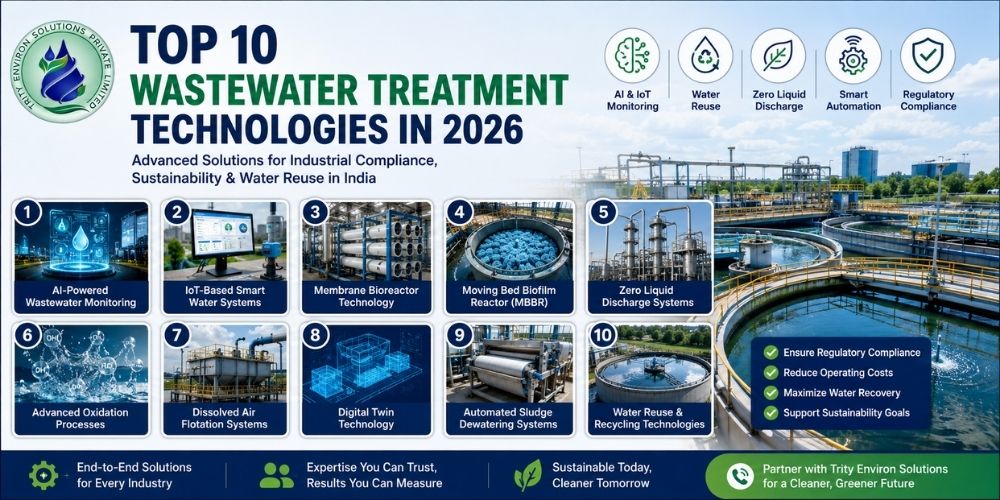
Top 10 Technologies Transforming Wastewater Treatment in 2026
Explore the top wastewater treatment technologies in 2026 including AI monitoring, MBR, MBBR, ZLD, and smart water reuse systems for industrial compliance in India.

 ISO 9001:2015 & QCI Approved
Our blog covers practical engineering topics for anyone planning or operating a Sewage Treatment Plant or Effluent Treatment Plant in India. You will find capacity calculation guides, technology comparisons like MBBR versus SBR versus MBR, industry specific treatment guides for pharma, textile and dairy effluent, and state wise pollution control board compliance requirements. These articles are written by our engineering team based on real project experience, not generic content, so you get information you can actually use when planning a plant or preparing for compliance.
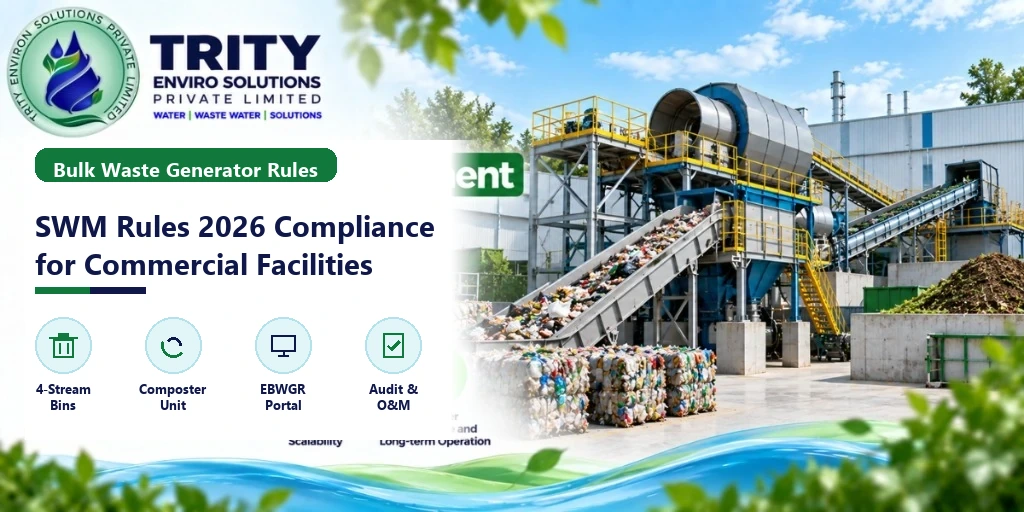
A practical checklist for bulk waste generators under SWM Rules 2026: registration, four-stream segregation, on-site processing, EBWGR certificates and records.
Read Full Article
Explore the top wastewater treatment technologies in 2026 including AI monitoring, MBR, MBBR, ZLD, and smart water reuse systems for industrial compliance in India.
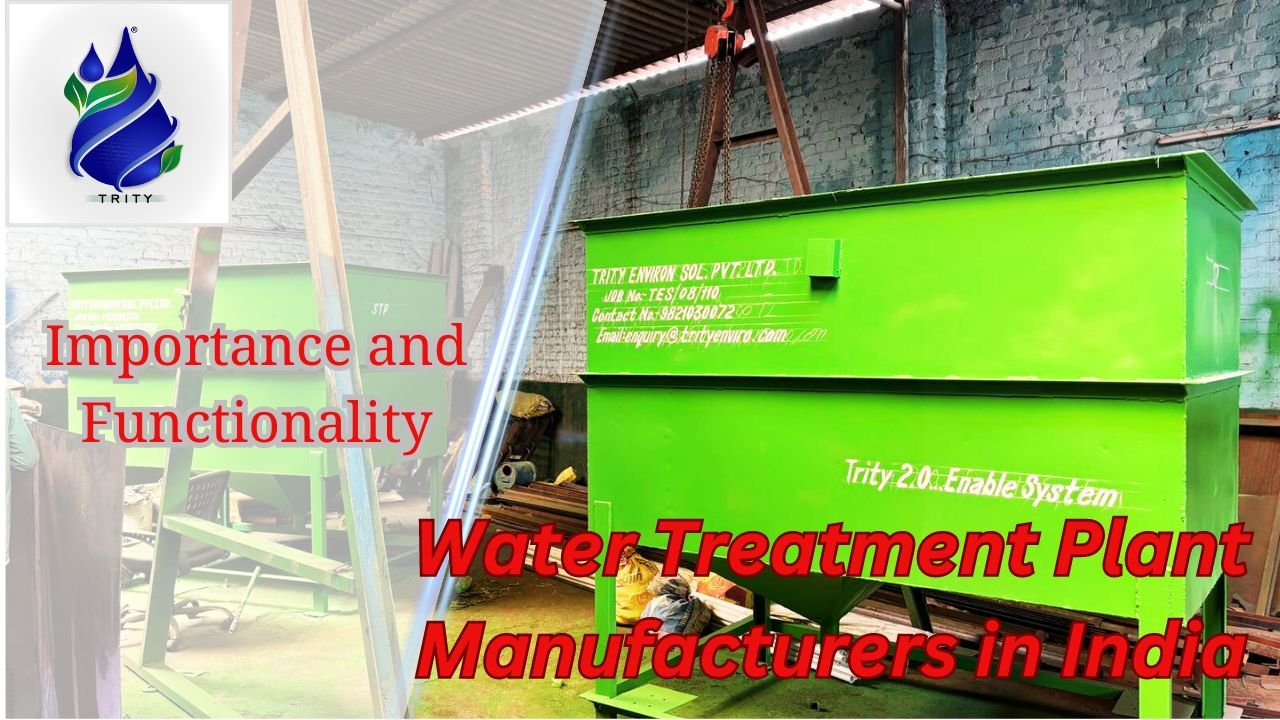
Why water treatment plants matter in India, how they work, real Jal Jeevan Mission and AMRUT 2.0 data, and the contamination challenges still unresolved.
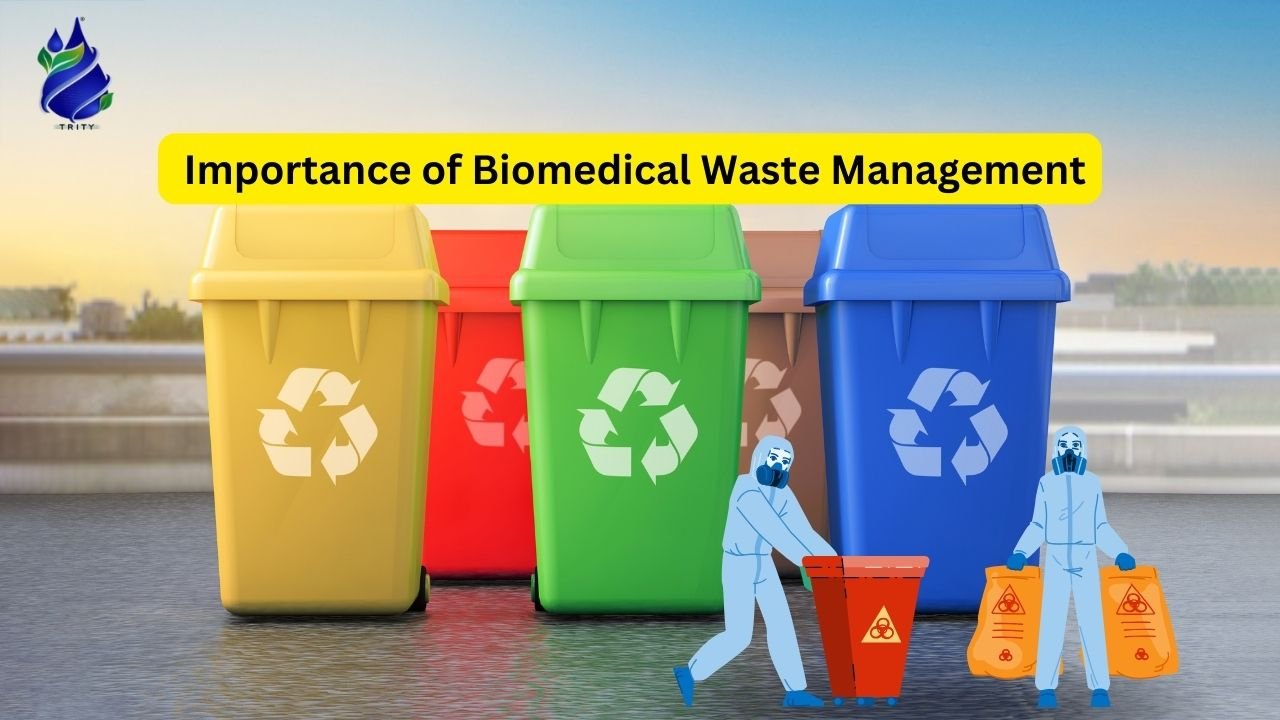
Why biomedical waste management matters in India: the 2016 Rules, four-category system, real generation data, and what happens when segregation fails.
In late 2025, contaminated municipal water in Indore killed dozens of people. Here's what actually goes into water purification, the real health and industrial stakes, and how Trity Environ Solutions builds systems that address them.
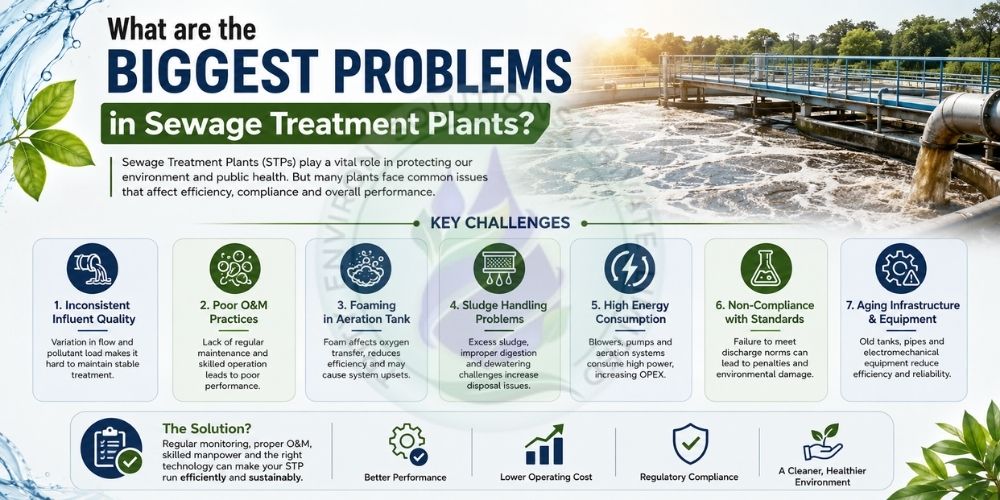
The real problems that cause STPs to fail, undersizing, power loss, operator neglect, and more, illustrated with actual documented cases from Indian cities, not generic theory.
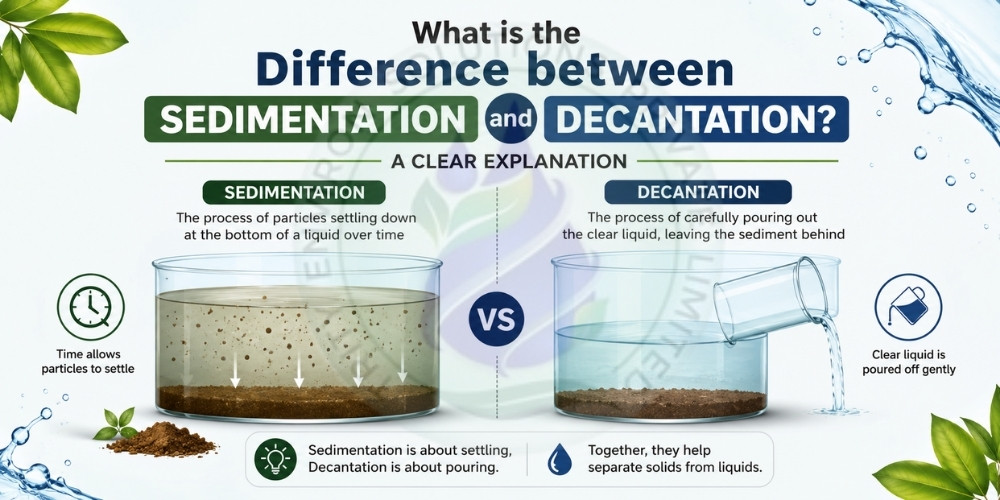
Sedimentation and decantation aren't just two separation methods, they're two connected stages of the same process. Here's the actual physics, the four types of settling, and where each is used in real treatment plants.

STPs and ETPs help companies achieve CSR goals, reduce pollution, conserve water, and comply with regulations, contributing to a sustainable future and better brand image.
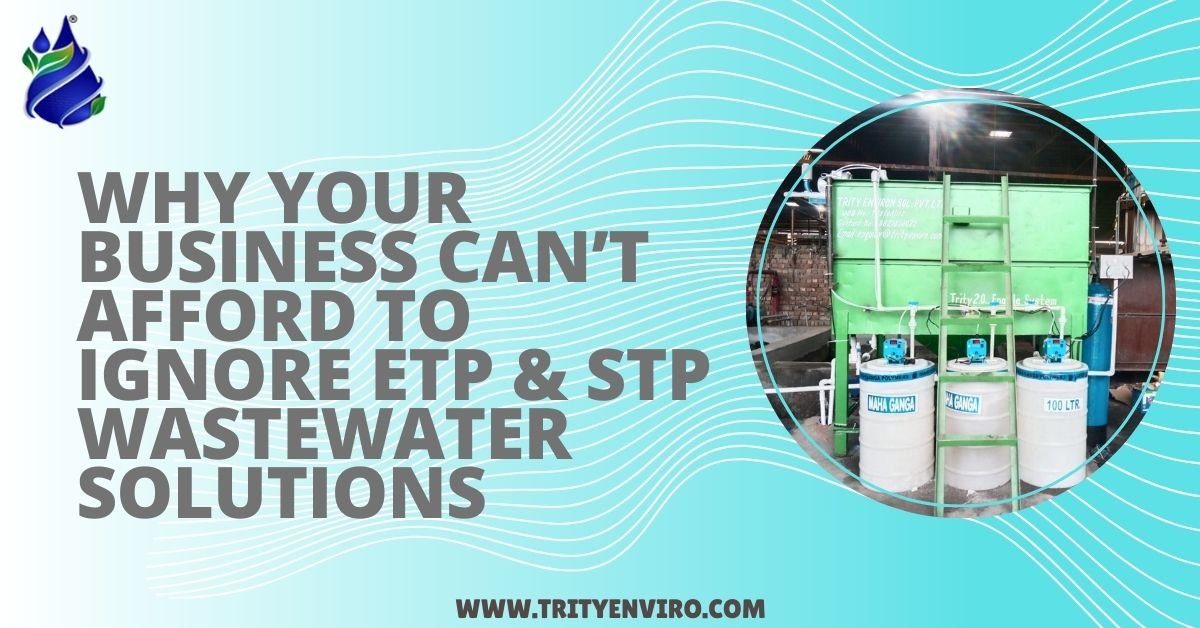
Learn why businesses must adopt ETP & STP wastewater solutions to ensure regulatory compliance, reduce costs, and protect the environment. Stay ahead of risks and grow sustainably.

Proven approaches to raising wastewater treatment awareness, from Singapore's NEWater model to school partnerships and facility tours.











Discuss your requirements with our engineering team and get practical guidance for your project.

