Are ETP and STP Plants Adaptable to Various Industries?
How ETP and STP plants are customized for textile, pharma, food, and oil & gas industries, with the specific technology each sector actually needs.

 ISO 9001:2015 & QCI Approved
India generates roughly 700 tonnes of biomedical waste every day. Despite having 1,590 tonnes of combined treatment capacity available nationally, only around 640 tonnes actually get treated. The gap between capacity and practice is where the real risk lies.
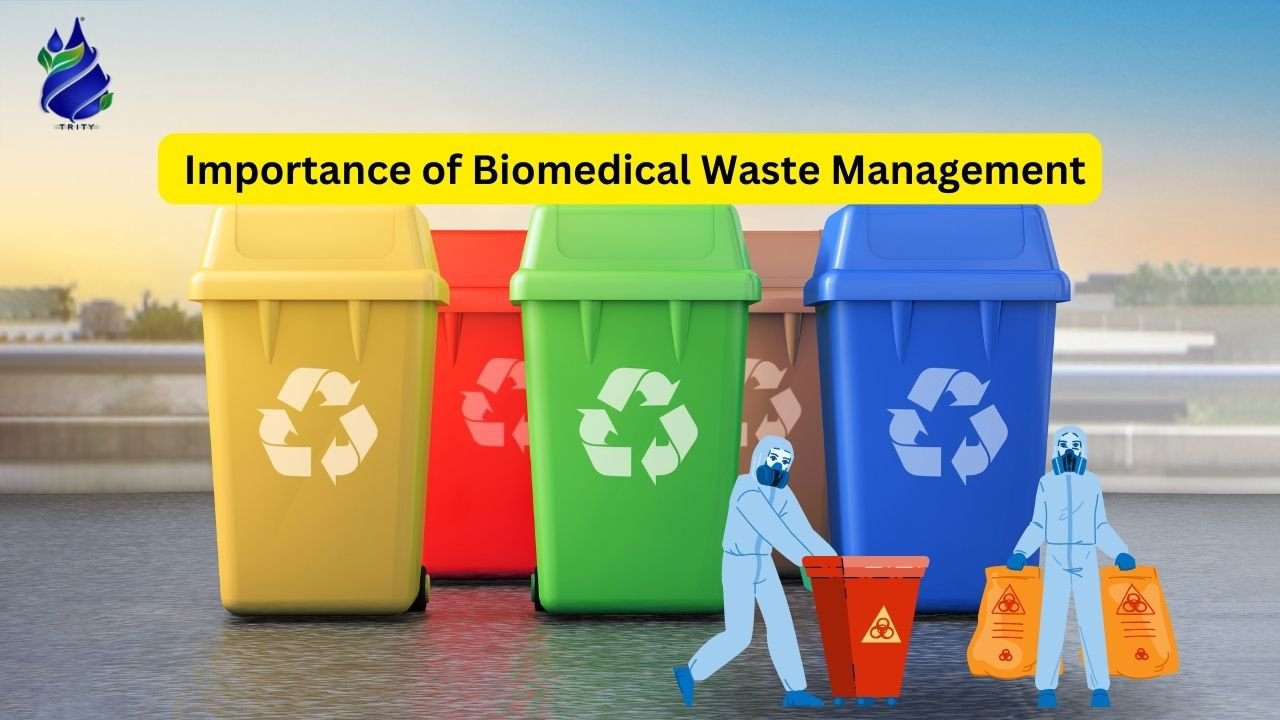
Biomedical waste is any waste generated during the diagnosis, treatment, immunisation, or research activities involving humans or animals, including needles, syringes, contaminated dressings, expired medicines, and body fluids.
The scale, and the gap, is significant:
The gap between installed capacity and actual treatment volume is worth sitting with for a moment, since it mirrors a pattern seen across other Indian environmental infrastructure sectors: the country has, on paper, built enough treatment capacity to handle its biomedical waste generation with meaningful headroom to spare. What's missing is consistent utilization of that capacity, largely because waste isn't reliably collected, segregated, and routed to the facilities equipped to handle it, rather than any fundamental shortage of treatment infrastructure itself.
The Biomedical Waste Management Rules, 2016, sort healthcare waste into four categories, each with its own colour code and handling protocol:
This is a deliberate simplification from an earlier, more complicated 10-category system, specifically implemented to make correct segregation easier and more consistent across healthcare facilities of every size.
Improper segregation isn't a minor procedural lapse, it has direct, documented consequences:
Many healthcare facilities implementing the rules still dispose of waste inappropriately due to negligence, inadequate training, or simple oversight, according to reviews of India's biomedical waste practices, which is precisely why the gap between rules on paper and actual practice remains a genuine ongoing concern.
India's biomedical waste governance is anchored by rules notified by the Ministry of Environment, Forest & Climate Change:
Most Indian healthcare facilities don't operate their own treatment infrastructure; they rely on shared, centralized processing:
The pandemic exposed both the system's capability and its real vulnerabilities simultaneously:
The pandemic essentially served as a real-world stress test of India's entire biomedical waste governance system, and the gaps it exposed weren't primarily about the four-category classification framework itself, which held up reasonably well even under sudden volume pressure. The gaps were about collection logistics reaching non-institutional generators, a structural weakness that any future public health emergency involving home-based care would likely surface again unless collection infrastructure is deliberately expanded to cover this scenario proactively rather than reactively.
| Facility Type | Primary Biomedical Waste Risk | Key Requirement |
|---|---|---|
| Hospitals and clinics | High-volume, mixed category generation | Proper 4-category segregation at source |
| Diagnostic and pathology labs | Sharps, chemical, and cultured waste | Careful handling of White and Yellow categories |
| Vaccination and blood donation camps | Sharps and contaminated consumables | Compliance despite non-permanent facility status |
| Home-based patient care | Residential biomedical waste | Awareness of proper collection channels |
Trity Environ Solutions works across the broader environmental compliance landscape that biomedical waste management is part of, and our engineering team understands how proper waste segregation practices connect to the wider water and wastewater infrastructure many healthcare facilities also depend on. As an experienced effluent treatment plant manufacturer and sewage treatment plant manufacturer, we help hospitals and healthcare campuses design complete environmental compliance systems, not just isolated pieces addressed one at a time.
Every installation is backed by pan-India Annual Maintenance Contract and operation and maintenance support. We are ISO 9001:2015 certified, QCI approved, and deliver CPCB-compliant engineering nationwide.
Need help designing complete environmental compliance infrastructure for a healthcare facility? Call +91-9821030072 or email enquiry@trityenviro.com, or get in touch with our engineering team to discuss your project.
India generates approximately 700 tonnes per day of biomedical waste, but only around 640 tonnes per day actually gets treated, despite a combined national treatment capacity of 1,590 tonnes per day, revealing a significant gap between available capacity and actual treatment.
Under the Biomedical Waste Management Rules, 2016, waste is classified into Yellow (anatomical, soiled, expired medicine, chemical waste), Red (contaminated recyclable plastics), White (sharps), and Blue (glass and metallic implants) categories, each with a distinct colour code.
Improper segregation contaminates the entire waste stream, increases health risks to waste handlers, and during COVID-19 was linked to secondary infection concerns when hospital and residential waste was managed like general municipal waste.
Most healthcare facilities rely on around 198 Common Biomedical Waste Treatment Facilities (CBWTFs) across India, which treat waste collected from member facilities, though this system depends entirely on correct segregation and labelling at the point of generation.
The pandemic exposed a significant gap in handling residential biomedical waste from home-isolating patients, since existing collection infrastructure was built primarily around institutional healthcare facilities, prompting CPCB to develop dedicated tracking tools and updated guidance.
How ETP and STP plants are customized for textile, pharma, food, and oil & gas industries, with the specific technology each sector actually needs.
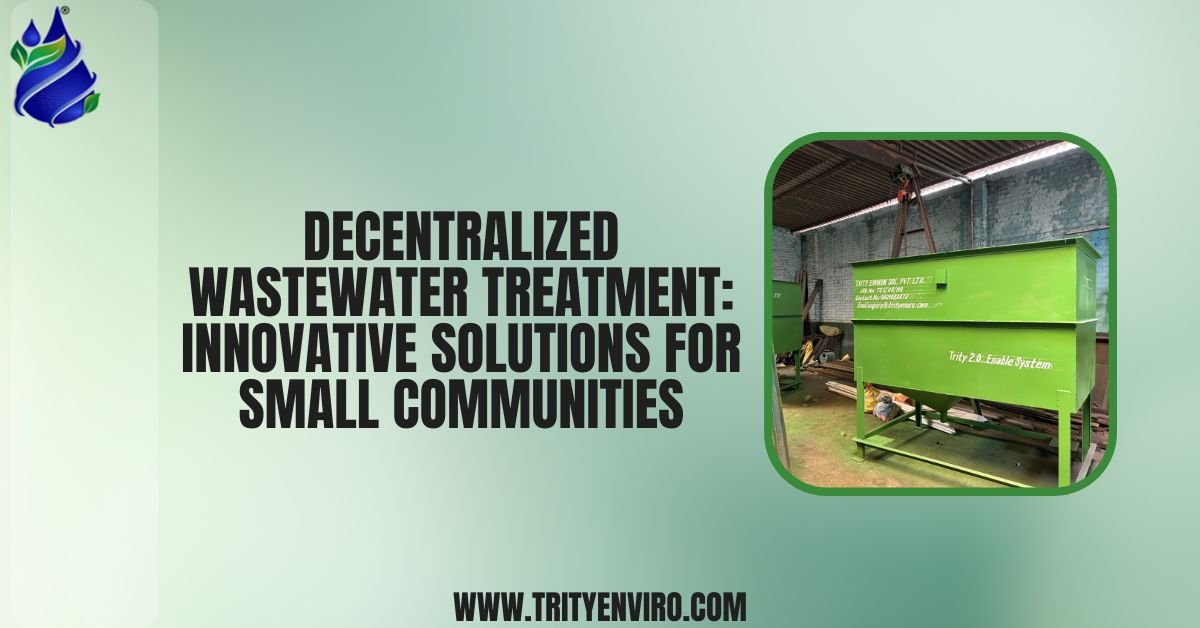
Explore decentralized wastewater treatment solutions for small communities. Affordable, eco-friendly systems reduce pollution and promote water conservation and reuse.

Molar ratio meaning explained simply, how to calculate it from a balanced equation, and why it drives accurate chemical dosing in ETP and STP systems.

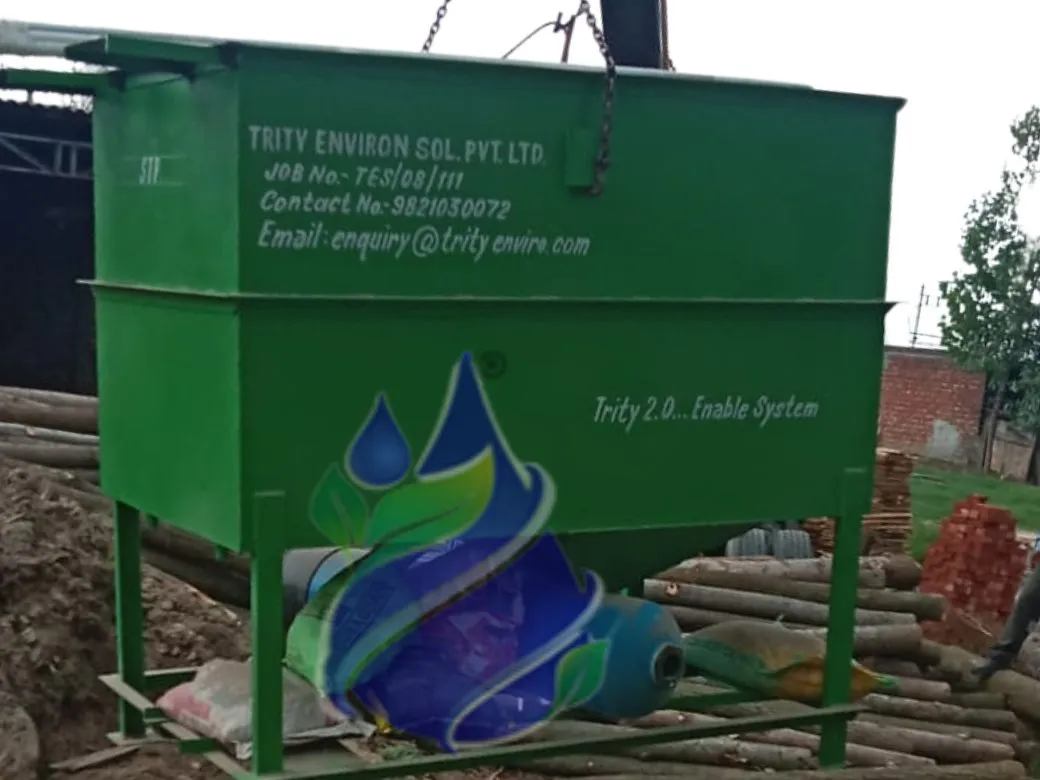
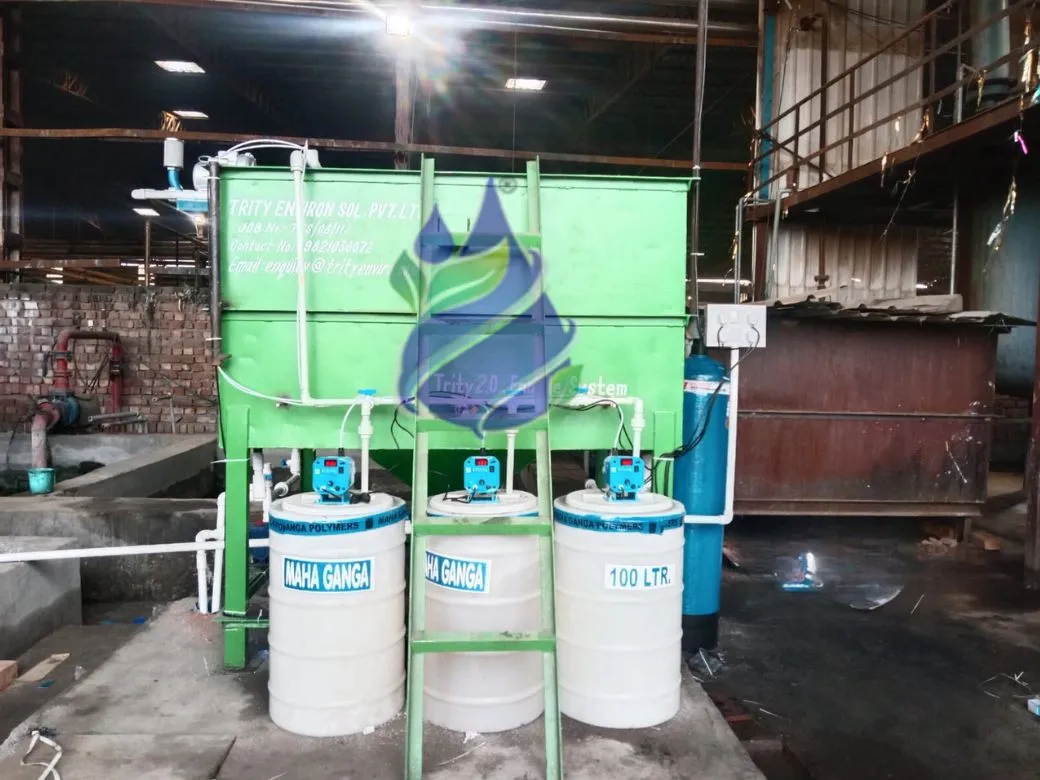



Discuss your requirements with our engineering team and get practical guidance for your project.