
Understanding Total Suspended Solids in Water and Their Significance
What Total Suspended Solids (TSS) actually measures, how it's tested, why it matters for aquatic life, and standard reference levels.

 ISO 9001:2015 & QCI Approved
Our blog covers practical engineering topics for anyone planning or operating a Sewage Treatment Plant or Effluent Treatment Plant in India. You will find capacity calculation guides, technology comparisons like MBBR versus SBR versus MBR, industry specific treatment guides for pharma, textile and dairy effluent, and state wise pollution control board compliance requirements. These articles are written by our engineering team based on real project experience, not generic content, so you get information you can actually use when planning a plant or preparing for compliance.
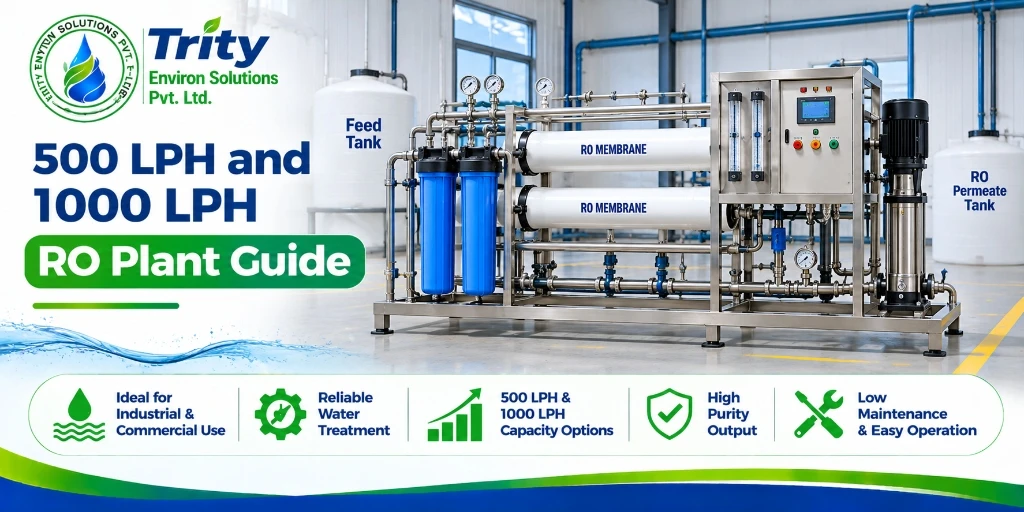
Trity Enviro explains 500 LPH and 1000 LPH RO plants: membranes, feed flow, recovery, power, pre-treatment and who each size suits, with a sizing example.
Read Full Article
What Total Suspended Solids (TSS) actually measures, how it's tested, why it matters for aquatic life, and standard reference levels.

Can treated sewage water be drinkable? Yes, real cities already do this. See how Singapore's NEWater and California's DPR rules actually work.
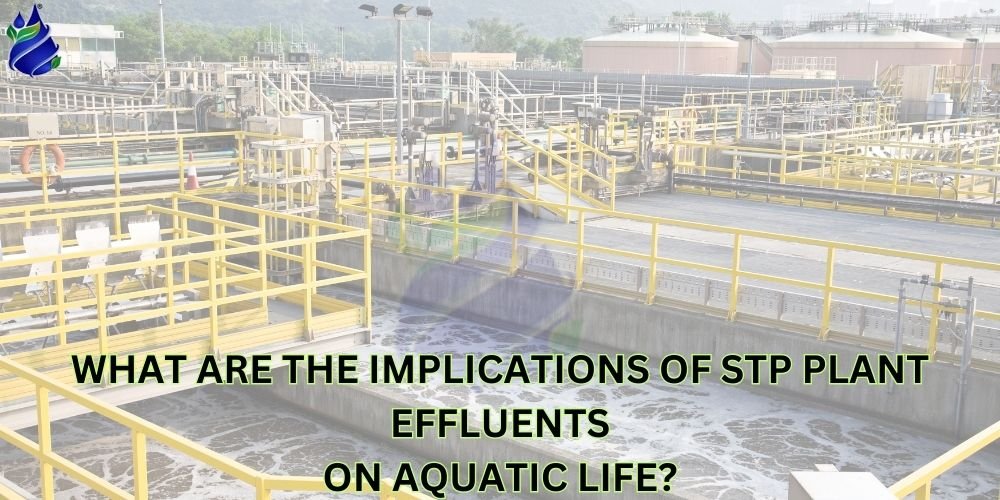
How STP effluent affects aquatic life through endocrine disruption, with real fish studies showing sex ratio and reproductive impacts.
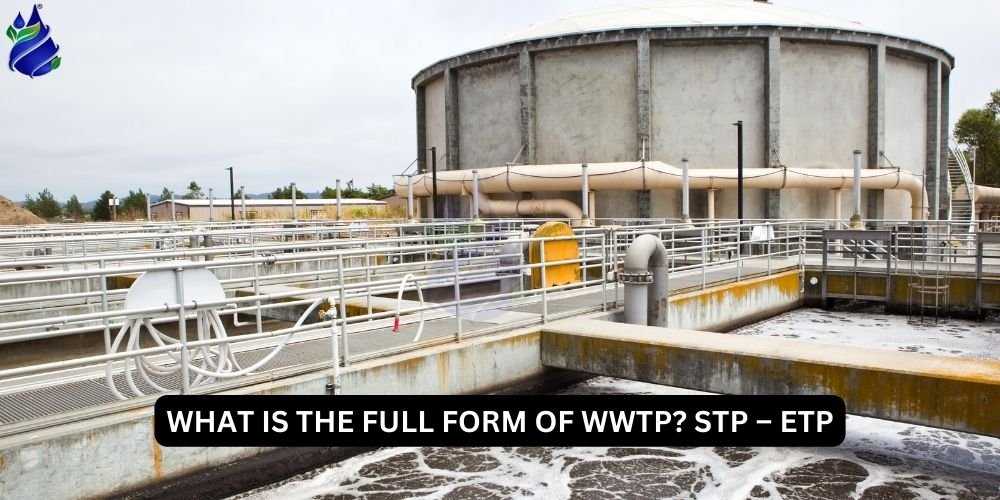
WWTP, STP, and ETP full forms explained with real CPCB data on how many exist in India, and which term actually applies to your project.

Is RO water good for cooking and nutrition? An honest, evidence-based look at mineral loss, real health impact, and when remineralization matters.

How ETPs and STPs address India's water scarcity crisis through reuse, biogas, and nutrient recovery, backed by real CPCB and NITI Aayog data.
WWTP, STP, and ETP full forms explained with real CPCB data on how many exist in India, and which term actually applies to your project.
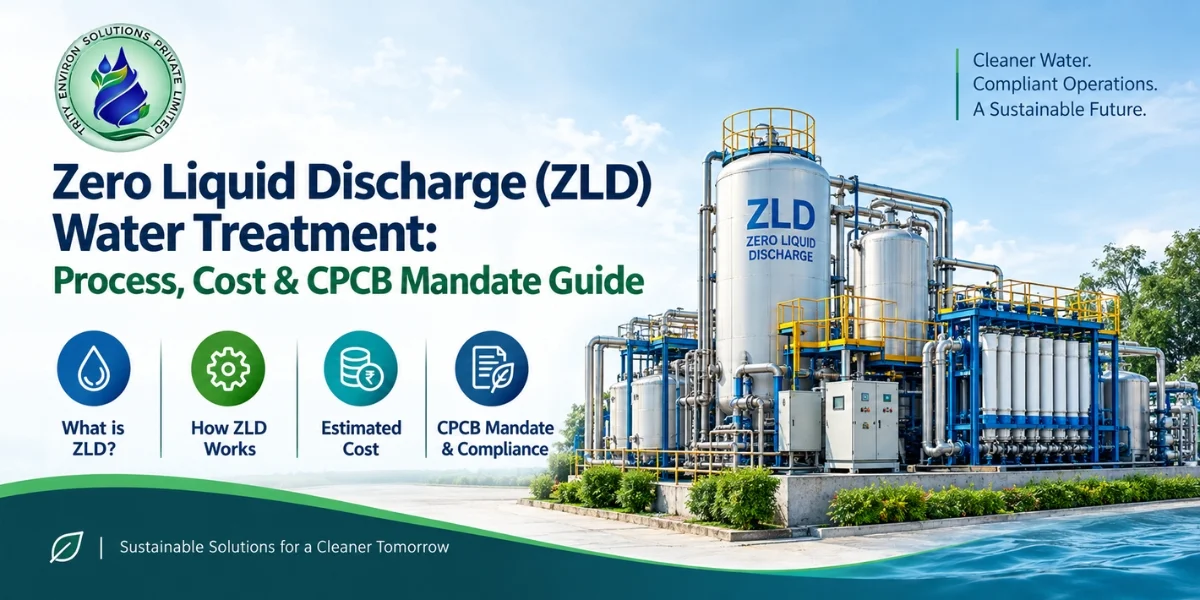
A complete guide to Zero Liquid Discharge (ZLD) technology, who needs it under CPCB rules, how it works, real costs, and choosing a ZLD manufacturer.

Dissolved oxygen in wastewater treatment explained: the ideal 2-3 mg/L range, why treatment plants need less oxygen than rivers, and DO control methods.











Discuss your requirements with our engineering team and get practical guidance for your project.

