Why Polluted Water Is a Human Health Problem Before It Is Anything Else
Water pollution is usually discussed as an environmental issue, with rivers, fish and ecosystems at the centre of the story. For people, the damage starts much closer to home: the glass of water, the cooked meal, the irrigation water that grows the rice on the plate.
Polluted water harms in two very different ways. The fast way is infectious disease, where pathogens cause illness within days. The slow way is chemical exposure, where metals and minerals build up in the body over years.
Knowing which pathway applies to a given source decides what treatment will actually fix it. A system that kills bacteria does nothing about fluoride, and a system that removes fluoride may do nothing about a bacterial outbreak.
Pathogen-Driven Illness
Untreated sewage and contaminated surface water carry bacteria, viruses and parasites that cause some of the most common and most preventable illnesses:
- Diarrhoeal disease, the single biggest killer linked to unsafe water
- Cholera, which can cause fatal dehydration within hours if untreated
- Typhoid and dysentery, spread through water contaminated with faecal matter
- Hepatitis A, a viral liver infection transmitted the same way
- Giardiasis and amoebiasis, parasitic infections common where drinking water and sewage mix
All of these follow the same route: human waste reaches a water source, and people then drink it, wash with it or use it to prepare food.
The Global and Indian Numbers
The scale of the problem is documented by health agencies, not guesswork:
- WHO estimates that about 1 million people die each year from diarrhoea caused by unsafe drinking water, sanitation and hand hygiene
- Of these deaths, roughly 395,000 are children under five, and WHO states they are largely avoidable
- Microbiologically contaminated drinking water alone is estimated to cause around 505,000 diarrhoeal deaths a year
- UN estimates put the number of Indians suffering from waterborne diseases at about 37.7 million every year
- Reporting based on WHO data estimates that around 21% of communicable diseases in India are water-related
- The Central Pollution Control Board reports more than 350 polluted river stretches across the country
These figures also help explain why a "tap connection" is not the same thing as safe water. What matters is what happened to the water before it reached the tap.
Chemical Contamination: The Slow Damage
Arsenic: From the Tube Well to the Rice Plate
Arsenic is naturally present in the aquifers of several Indian states, and the Ganga basin is among the most affected regions:
- Groundwater arsenic in parts of the Ganga basin has been recorded at levels as high as 4,730 g/L, against a WHO guideline value of just 10 g/L
- Long-term exposure is linked to skin lesions, neurological and cognitive effects, reproductive harm and several cancers
- Many children in affected areas have been diagnosed with arsenicosis symptoms, and early deaths have been reported in the worst-hit communities
The exposure does not stop at the drinking glass. A cohort study of more than 400 people in West Bengal found elevated genotoxic effects in people who ate cooked rice containing more than 200 g/kg of arsenic, even when their drinking water was not a significant source.
This is why arsenic is a food-chain problem as well as a drinking-water problem. Contaminated irrigation water carries arsenic into crops, and treating only the drinking supply leaves part of the exposure untouched.
Fluoride: Useful in Small Amounts, Harmful in Excess
Fluoride is a good example of a contaminant where the dose decides everything:
- Below about 1.0 mg/L, fluoride in drinking water is considered beneficial for preventing dental caries
- Continuous exposure above 1.5 mg/L can cause dental fluorosis and skeletal fluorosis
- Higher exposure is also linked to more bone fractures, kidney stones, impaired thyroid function and impaired intellectual development in children
- Fluoride contamination is reported across roughly 20 Indian states, while arsenic affects about 10
A field-survey review of arsenic and fluoride in India put the population living in endemic districts at over 480 million people, which shows how widespread these two contaminants are.
Two more groundwater and river contaminants deserve attention:
- Nitrate enters groundwater from fertilizer runoff and sewage, and is a particular concern for infants
- Heavy metals such as lead, cadmium and chromium do not break down; they settle into sediment and build up in fish and crops
- A Central Water Commission report found 42 Indian rivers carrying at least two heavy metals above permissible limits
Because these metals accumulate up the food chain, people can be exposed through fish, vegetables and irrigated crops long after the original discharge happened. Our guide on how toxins travel through the ecosystem explains this pathway in more detail.
Who Is Hit Hardest
Polluted water does not harm everyone equally. The burden falls most heavily on specific groups:
- Children under five, who account for roughly 395,000 of the avoidable annual diarrhoeal deaths WHO describes
- Rural households that depend on hand pumps and tube wells, since India still relies on over 30 million groundwater access points with varying quality
- Poorer communities, which have less ability to buy treatment or alternative water and are more exposed to untreated sources
- Communities downstream of untreated discharge, where sewage and industrial effluent enter the same river people use for bathing and drinking
This unequal exposure is one reason water treatment infrastructure is as much a public health investment as an engineering one.
How Treatment Breaks the Chain
Removing Pathogens
Pathogens are removed in stages, and each stage handles a different part of the problem:
- Coagulation, flocculation and sedimentation remove the bulk of suspended solids that shelter microorganisms
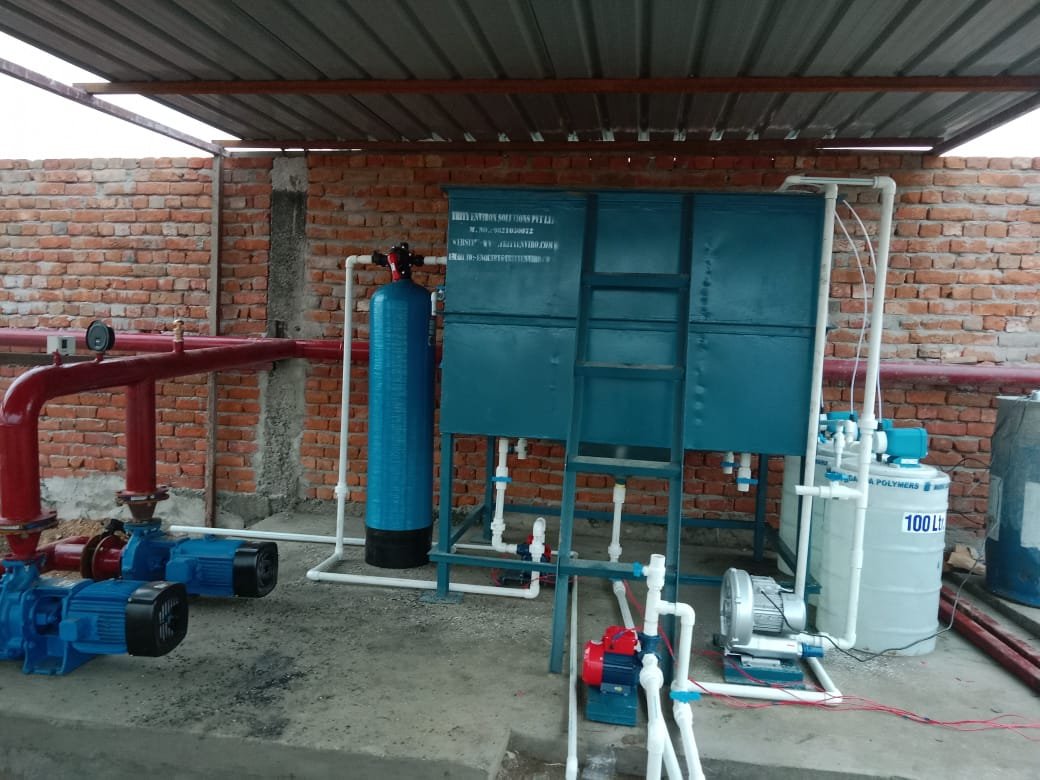
- A properly sized multi grade filter polishes out fine particles before disinfection
- An ultrafiltration system adds a physical membrane barrier that blocks bacteria and many other pathogens
- Disinfection by chlorine or UV is the final safeguard; our guide on UV disinfection explains where it works best and where it needs support
Removing Dissolved Chemicals
Dissolved contaminants need a different tool, because they pass straight through filters and disinfection:
- Reverse osmosis physically rejects dissolved salts and ions; well-maintained industrial systems commonly reach 97-99.5% TDS rejection
- A commercial RO plant is widely used to reduce dissolved fluoride and arsenic, though results depend on the arsenic form and the water chemistry, so a lab analysis should always come before system design
- Activated carbon filters remove chlorine, organics and taste-causing compounds, and protect RO membranes; our guide on types of activated carbon helps match the carbon to the contaminant
- After RO, remineralisation can restore a healthy balance; see our guide on the normal TDS level of drinking water
Treating the Source: Sewage and Effluent
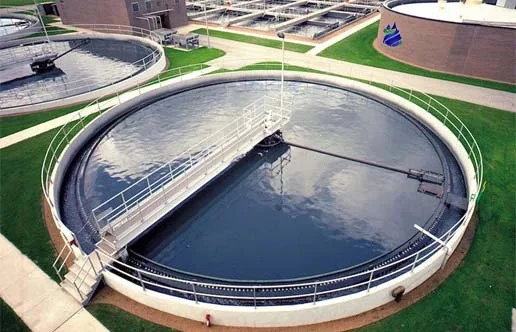
The most effective protection is to stop pollution entering the water in the first place:
What Households and Facilities Can Do Today
Practical steps matter more than general awareness:
- Test the actual source. A TDS meter does not detect bacteria, arsenic or fluoride; a lab test covering coliform, arsenic, fluoride and nitrate does
- Match the treatment to the contaminant. Disinfection, filtration and RO each solve different problems, and the right combination depends on the test result
- Remember that boiling has limits. Boiling kills pathogens but does not remove fluoride or arsenic, and it can concentrate dissolved solids as water evaporates
- Maintain filters and membranes on schedule. A neglected system can stop protecting people without any visible warning
- Take extra care for infants and young children, who are the most exposed to waterborne disease
Hotels, hospitals, schools and food businesses carry a higher duty here, since a single contamination event affects many people at once. Periodic lab testing and a documented maintenance plan are part of responsible operation.
Industry Applications / Use Cases
| Contaminant |
Main Health Effect |
Typical Treatment Response |
| Bacteria, viruses, parasites |
Diarrhoea, cholera, typhoid, hepatitis A |
Filtration, ultrafiltration, chlorine or UV disinfection |
| Arsenic |
Skin lesions, cancers, neurological and developmental effects |
RO or specialised arsenic removal, designed after lab analysis |
| Fluoride above 1.5 mg/L |
Dental and skeletal fluorosis |
RO with remineralisation |
| Heavy metals |
Organ damage, build-up in fish and crops |
Physico-chemical ETP stage, source control |
| Nitrate |
Risk to infants |
RO or ion exchange, depending on level |
Why Choose Trity Enviro
Trity Environ Solutions is an experienced water treatment plant manufacturer and commercial RO plant manufacturer in India, and our engineering team designs every system from your actual water analysis rather than a generic template. As a trusted water treatment equipment supplier, we combine filtration, ultrafiltration, RO and carbon stages to match the specific contaminants affecting your source, whether that is bacteria, fluoride, arsenic or heavy metals.
Membrane cleaning, consumable replacement and performance checks are covered under our Annual Maintenance Contract, so protection holds up long after commissioning. We are ISO 9001:2015 certified, QCI approved, and deliver CPCB-compliant engineering nationwide.
Free Engineering Consultation
What Polluted Water Actually Does to the Human Body: Disease, Metals and Long-Term Damage
Looking to test water quality, size an RO plant, or upgrade your industrial treatment setup? Speak with our senior water engineers today for comprehensive lab water analysis, custom plant sizing, and CPCB/SPCB compliance support.
Request a Free Site Assessment