Why Is pH Control Crucial in ETP and STP Systems?
How pH balance affects biological treatment, coagulation, and equipment life in STP and ETP systems, with real control methods and dosing chemicals.

 ISO 9001:2015 & QCI Approved
India's 7,500 km coastline sits next to an unlimited source of raw water, the ocean, yet many coastal cities and industries still depend on overstressed groundwater and rainfall-dependent sources. RO desalination is changing that equation, and this guide covers exactly how.
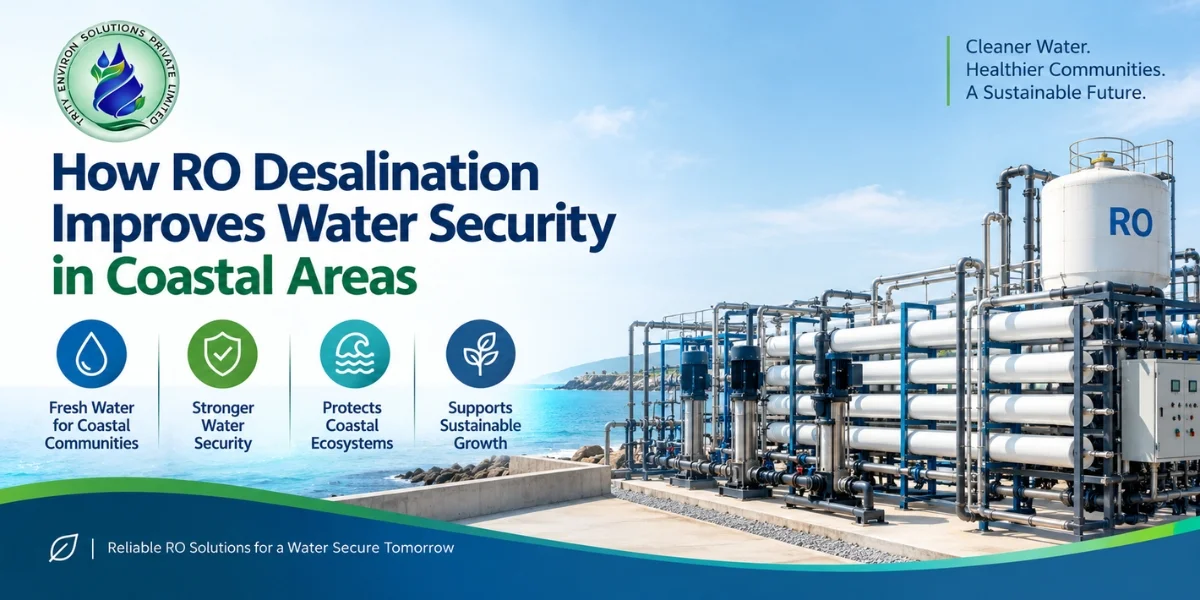
India's 7,500 km coastline is home to some of the country's most densely populated cities, industrial corridors, and economic hubs. Yet, despite being surrounded by unlimited seawater, coastal regions face severe freshwater scarcity. Groundwater in coastal belts is increasingly depleted and salinized due to saltwater intrusion, while surface water reservoirs struggle to keep up with urban expansion. RO desalination (Reverse Osmosis seawater and brackish water treatment) has emerged as the most viable, scalable technology to secure reliable freshwater supplies for coastal municipal bodies, hotels, ports, power plants, and industrial complexes.
Over-extraction of coastal groundwater lowers the water table, allowing denser seawater to penetrate freshwater aquifers. Once an aquifer is contaminated with saltwater, natural recovery can take decades. RO desalination bypasses depleting groundwater entirely, converting raw seawater with 35,000 ppm TDS into potable and process-grade water with TDS under 300 ppm.
Seawater RO uses high-pressure pumps to force saline water through semi-permeable polyamide thin-film composite membranes, overcoming osmotic pressure (typically 55-70 bar). Key stages include:
Historically, desalination was energy-intensive. Modern SWRO plants incorporate Energy Recovery Devices (ERDs) like pressure exchangers that transfer hydraulic pressure from the high-pressure reject brine directly to the feed water, slashing power consumption to under 3.5 kWh per cubic metre of potable water.
Proper environmental management requires safe brine disposal. Submerged multiport diffusers disperse concentrated brine into ocean currents rapidly to avoid affecting local marine life, in full compliance with Coastal Regulation Zone (CRZ) norms.
While SWRO plants require an upfront capital investment, the levelized cost of desalinated water has fallen drastically. For coastal commercial establishments, resorts, and industries relying on expensive water tankers, an on-site SWRO plant typically pays for itself within 2-3 years while guaranteeing uninterrupted water supply.
Trity Environ Solutions manufactures turnkey commercial RO plants and industrial RO plants across India, delivering customized brackish and seawater RO desalination systems with comprehensive Annual Maintenance Contract and operation and maintenance services.
How pH balance affects biological treatment, coagulation, and equipment life in STP and ETP systems, with real control methods and dosing chemicals.
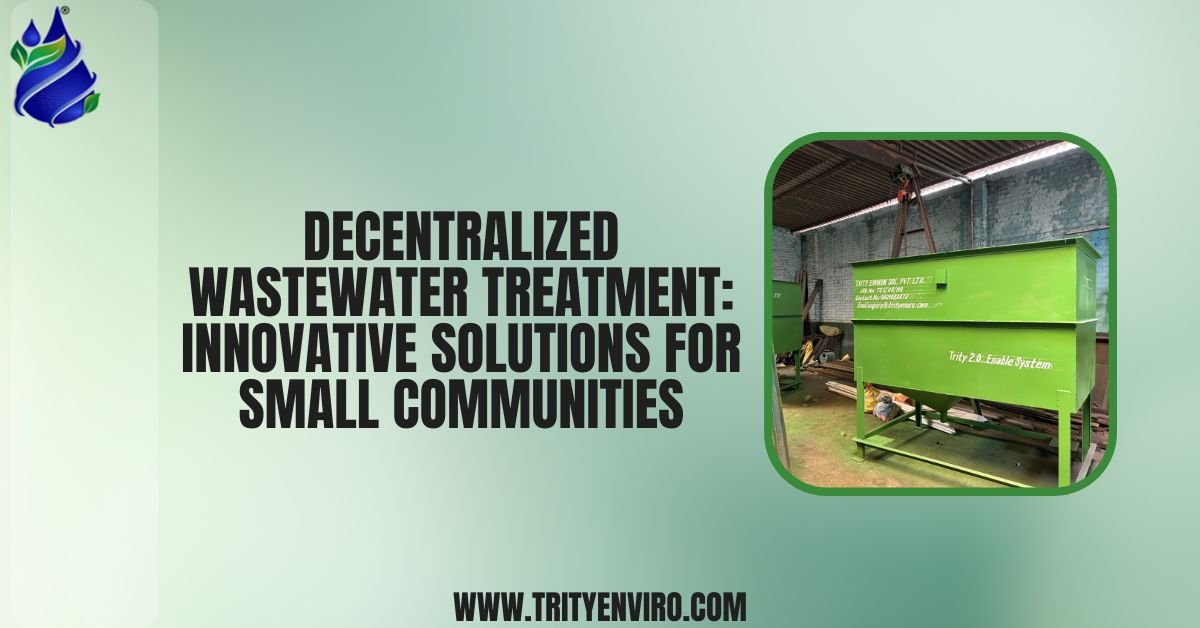
Explore decentralized wastewater treatment solutions for small communities. Affordable, eco-friendly systems reduce pollution and promote water conservation and reuse.

Sand filtration in STP plants improves treated water quality by removing suspended solids. Learn its importance, working, and role in wastewater treatment.

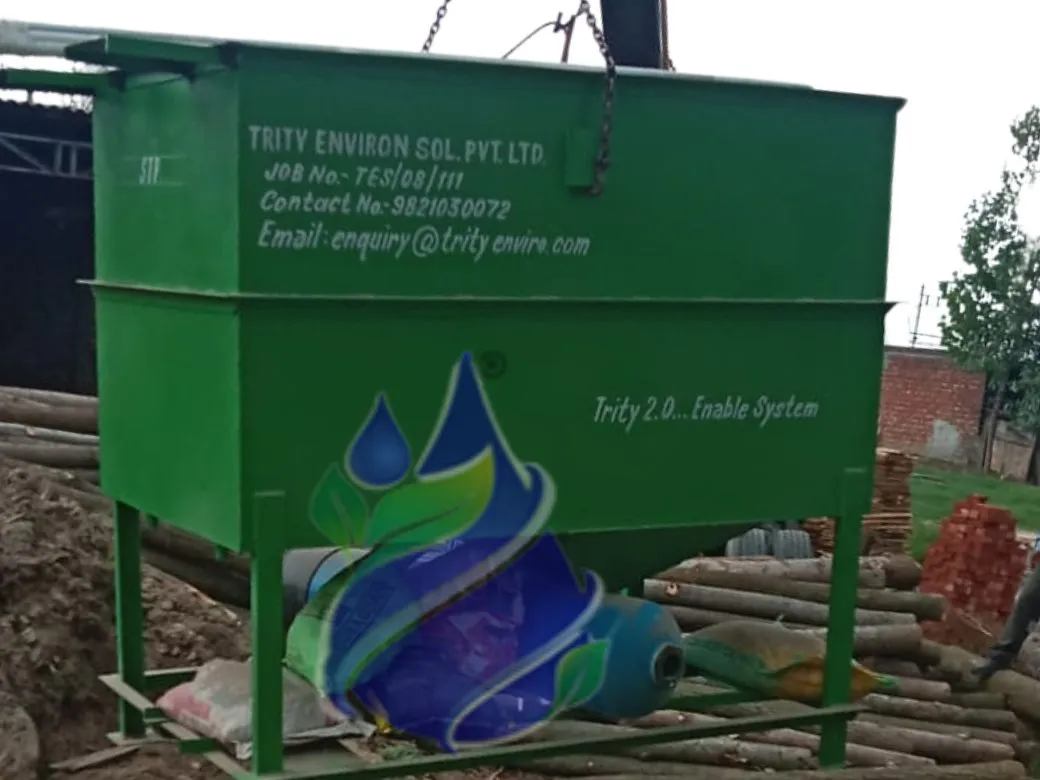
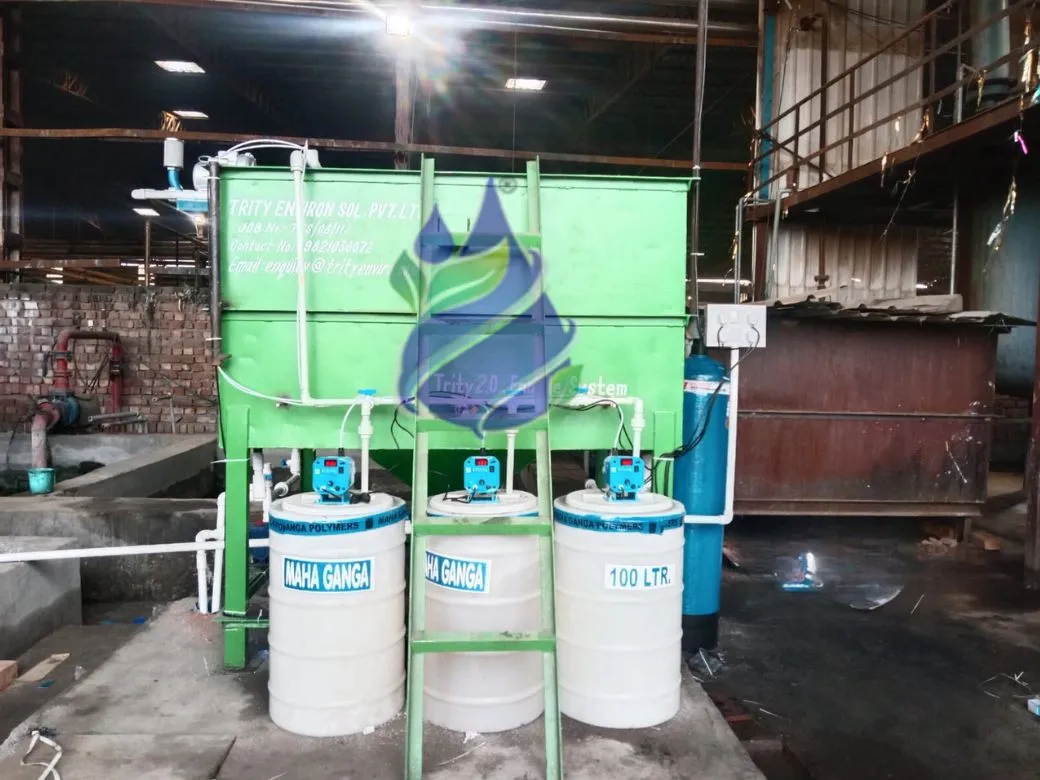



Discuss your requirements with our engineering team and get practical guidance for your project.