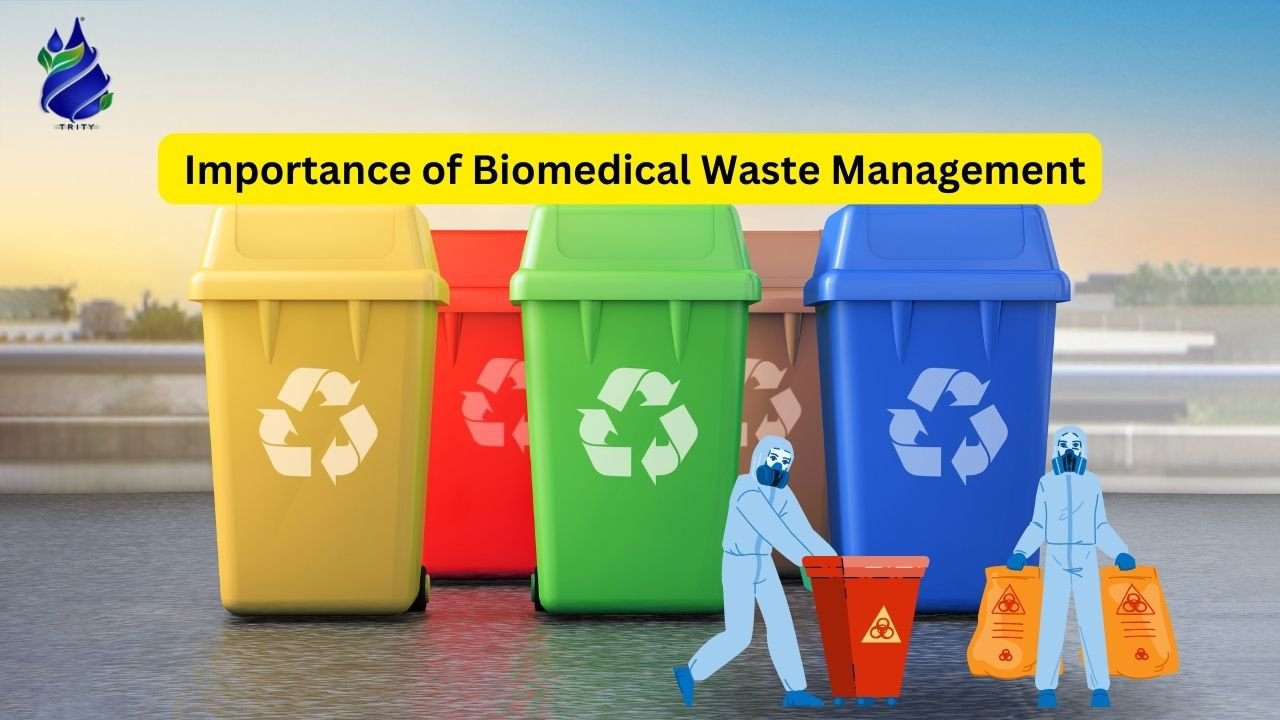
Why Proper Biomedical Waste Management Can't Be an Afterthought
Why biomedical waste management matters in India: the 2016 Rules, four-category system, real generation data, and what happens when segregation fails.

 ISO 9001:2015 & QCI Approved
Discover 8 major causes of water pollution in India with CPCB data, river impacts & treatment solutions via ETP, STP & Zero Liquid Discharge systems.

Water pollution is one of India's most critical environmental challenges. According to the Central Pollution Control Board (CPCB), over 40% of monitored river stretches in India fail to meet basic water quality standards. Every day, an estimated 40 million litres of untreated wastewater flows into our rivers, lakes, and groundwater — threatening public health, agricultural productivity, and aquatic ecosystems.
Rivers like the Yamuna, Ganga, Sabarmati, and Musi carry dangerously high levels of Biochemical Oxygen Demand (BOD), Dissolved Oxygen deficits, and Faecal Coliform bacteria. Arsenic contamination has been found in 230 districts across 25 states. Yet over 72% of India's sewage remains untreated before entering water bodies.
Understanding the root causes of water pollution is the first step toward protecting India's water resources. In this guide, we cover all 8 major causes with India-specific data and actionable treatment solutions.
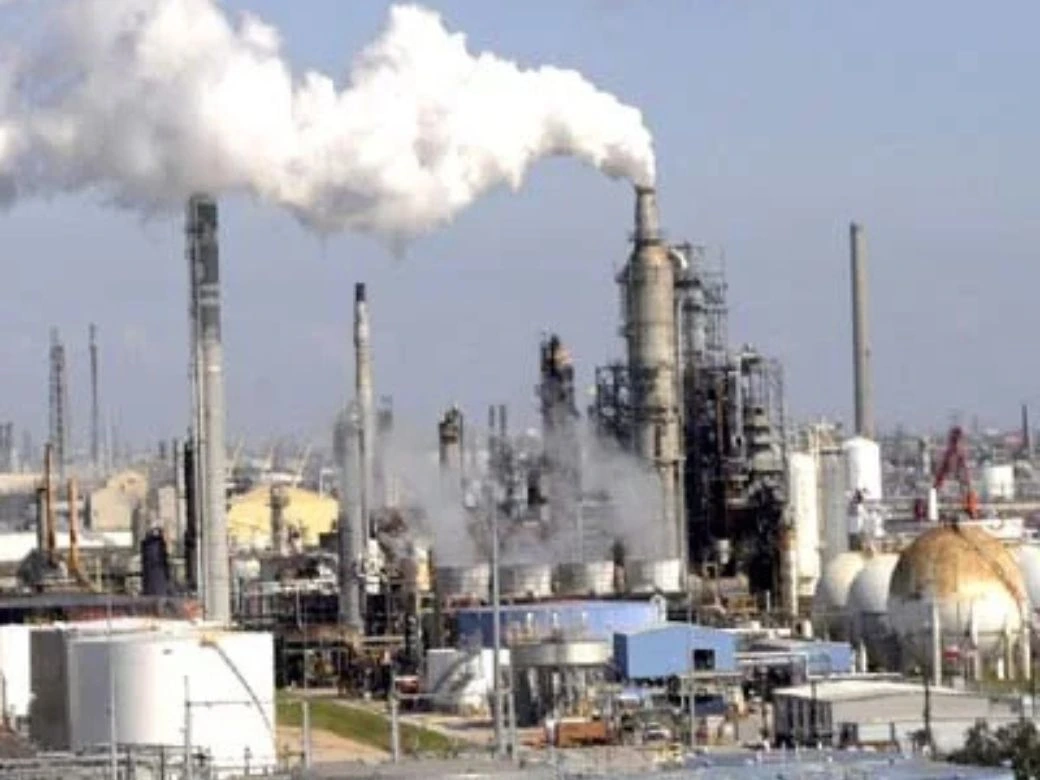
Industrial effluents remain the leading cause of river and groundwater pollution in India. Factories in textile, pharmaceutical, chemical, leather tanning, and paper industries discharge heavy metals, dyes, solvents, and toxic chemicals — often directly into nearby water bodies.
Key pollutants from industries include:
The solution lies in certified Effluent Treatment Plants (ETP) that treat industrial wastewater before discharge. A properly designed Wastewater Treatment Plant can reduce BOD by over 95%, bringing effluent within CPCB discharge norms.
CPCB Data: India has over 37,000 industries in highly polluting categories. Only ~60% are compliant with effluent discharge standards as of 2024.
India uses over 67,000 tonnes of pesticides annually and is one of the world's largest consumers of nitrogen-based fertilizers. Rainwater washes these chemicals from farmlands into rivers and groundwater through agricultural runoff — a major non-point source of pollution.
Understanding BOD & COD levels in agricultural runoff is critical for designing effective treatment systems. Constructed wetlands, bio-filters, and river buffer zones can significantly reduce contamination loads.
India generates approximately 72,000 MLD (million litres per day) of sewage from urban areas. Installed treatment capacity covers only ~31,841 MLD — meaning over 40,000 MLD of raw sewage enters rivers every single day.
The solution is large-scale Sewage Treatment Plants (STP) in every urban local body. SBR, MBR, and UASB technologies are being deployed under India's Namami Gange programme to treat Ganga basin sewage effectively.
Yamuna Example: The Yamuna receives ~3,800 MLD of sewage from Delhi alone, but the city's total STP capacity is only ~2,700 MLD — a 1,100 MLD daily gap of untreated sewage going directly into the river.
India generates over 62 million tonnes of solid waste annually, of which less than 20% is scientifically processed. Waste dumped near rivers generates leachate — a toxic liquid that seeps into groundwater and surface water over time.
Proper wastewater treatment systems combined with scientific landfill management and leachate collection are essential for preventing this type of groundwater contamination.
Air pollution doesn't stay in the air. SO₂ and NOₓ from thermal power plants and vehicles combine with moisture to form acid rain, which falls into lakes, rivers, and reservoirs — acidifying water bodies and leaching heavy metals from soil into groundwater.
Reducing industrial air emissions and deploying Zero Liquid Discharge Systems helps reduce the combined environmental burden on both air and water simultaneously.
India's coastline stretches over 7,500 km and hosts major ports at Mumbai, Chennai, Visakhapatnam, Paradip, and Kandla. Oil spills from tankers, offshore platforms, and port operations are a persistent threat to marine and coastal ecosystems.
Oil removal from water requires specialised Effluent Treatment Plants with API separators, dissolved air flotation (DAF), and activated carbon filtration — all available from Trity Environ Solutions for refineries and port-adjacent industries.
Coal mining in Jharkhand and Chhattisgarh, iron ore extraction in Odisha and Goa, and uranium mining in Jharkhand generate massive volumes of toxic waste that contaminate surrounding rivers, streams, and aquifers.
Treating AMD requires advanced wastewater treatment systems combining lime neutralisation, sedimentation, and ion exchange — custom-engineered for each mine's specific water chemistry.
CPCB Priority: The Damodar River basin receives ~770 MLD of polluted water from mines and industries, making it one of India's 351 critically polluted river stretches as per CPCB's 2024 assessment.
Climate change is the multiplier. Rising temperatures, erratic monsoons, glacial retreat, and sea-level rise are fundamentally altering the quality and availability of water across India — and making every other pollution source more severe.
Climate resilience requires decentralised and modular wastewater treatment systems that handle variable flow loads. Trity Environ Solutions incorporates flow equalisation tanks and scalable designs to manage these fluctuations effectively.
|
River / Location |
Key Pollutant |
BOD (mg/L) |
Status |
|
Yamuna (Delhi stretch) |
Faecal Coliform, Ammonia |
100–250+ |
Critically Polluted |
|
Damodar (Jharkhand) |
Heavy metals, AMD |
60–180 |
Critically Polluted |
|
Ganga (Kanpur) |
Tannery effluents, BOD |
30–90 |
Severely Polluted |
|
Sabarmati (Ahmedabad) |
Industrial dyes, COD |
40–120 |
Severely Polluted |
|
Musi (Hyderabad) |
Sewage, heavy metals |
50–100 |
Polluted |
Source: CPCB Annual Report 2024. BOD values are indicative ranges for polluted stretches.
Addressing India's water pollution crisis requires industrial accountability, municipal infrastructure investment, and proven engineering solutions. Here are the most impactful approaches:
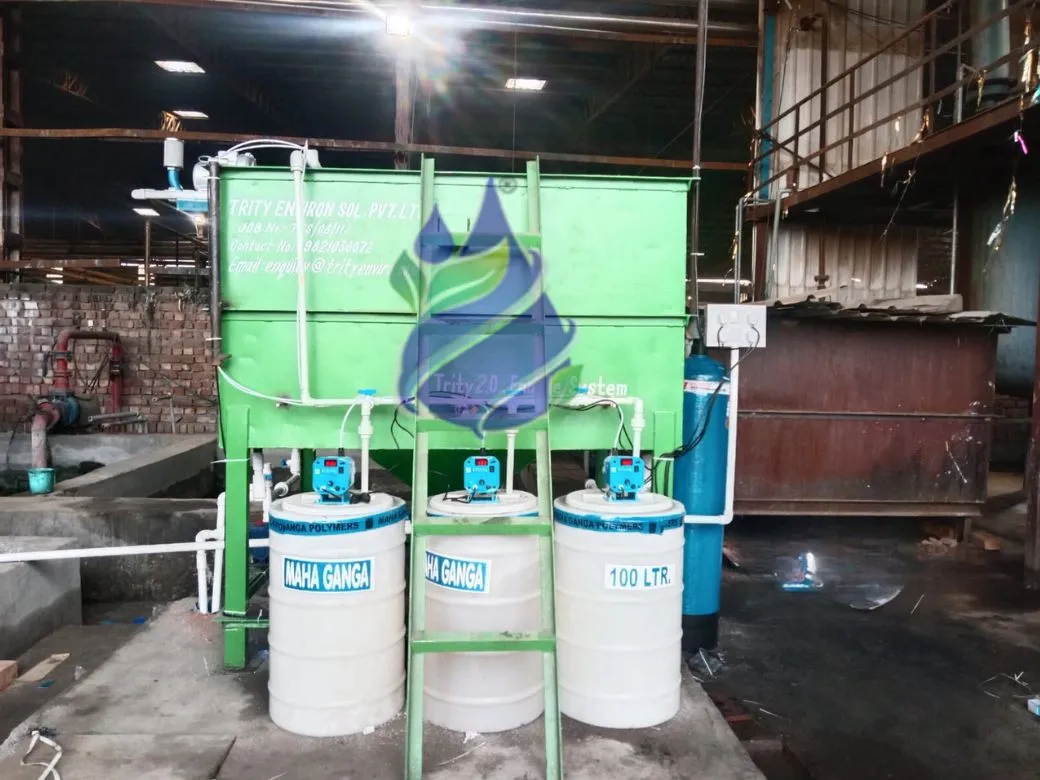
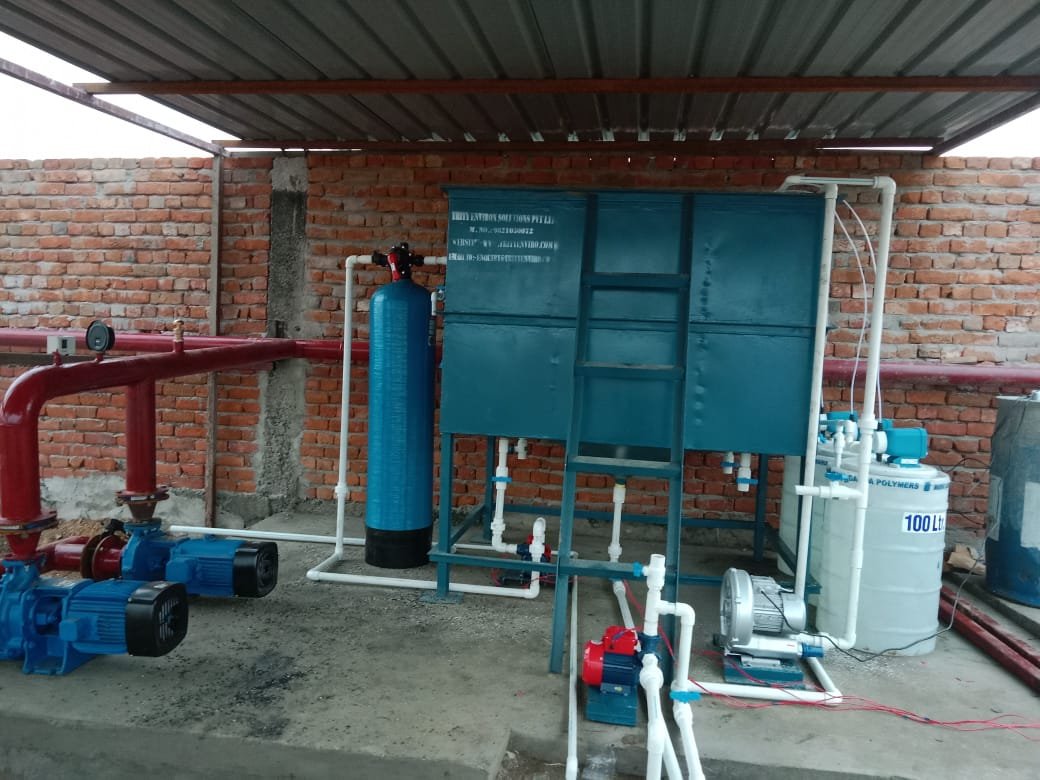
Every industry generating liquid waste must install a certified Effluent Treatment Plant (ETP). ETPs remove physical, chemical, and biological contaminants from industrial effluent through multi-stage treatment. Trity Environ Solutions designs custom ETPs for chemical, pharmaceutical, textile, food processing, and mining industries across India.
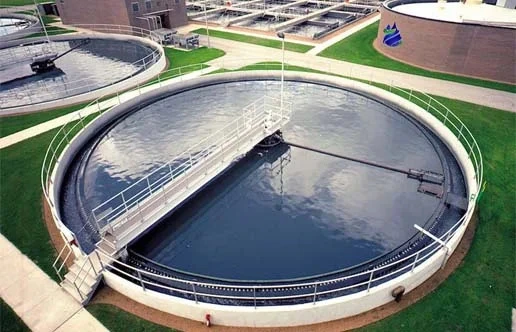
Municipalities and housing societies must install certified Sewage Treatment Plants. Modern STPs using SBR and MBR technology achieve BOD removal above 95%, producing treated water suitable for irrigation and horticulture reuse — reducing freshwater demand simultaneously.
For facilities generating both industrial and domestic effluent, integrated Wastewater Treatment Plants offer a combined, cost-effective solution. Trity Environ Solutions has installed Hybrid ETP-STP systems in hospitals, hotels, industrial townships, and food processing parks across 20+ states in India.
Industries in water-scarce zones or near sensitive rivers must adopt Zero Liquid Discharge Systems. ZLD recycles 100% of process water — eliminating treated effluent discharge entirely. CPCB mandates ZLD for textile, distillery, tannery, and pulp & paper industries in environmentally sensitive areas.
Regular monitoring and treatment of BOD & COD levels is essential for gauging treatment performance and maintaining regulatory compliance. CPCB norms require industrial effluent BOD below 30 mg/L and COD below 250 mg/L before discharge into surface water bodies.
Untreated domestic sewage is the largest cause by volume. India generates over 72,000 MLD of urban sewage daily, but treatment capacity covers only ~44%. The remainder flows untreated into rivers, making it the primary source of BOD, Faecal Coliform, and pathogen contamination in Indian water bodies.
According to CPCB 2024 data, the most polluted river stretches include the Yamuna (Delhi–Mathura), Damodar (Jharkhand), Ganga (Kanpur–Varanasi), Sabarmati (Ahmedabad), and Musi (Hyderabad). These rivers suffer from simultaneous industrial effluent, sewage discharge, and agricultural runoff.
An Effluent Treatment Plant (ETP) treats industrial wastewater through physical (screening, sedimentation), chemical (coagulation, pH correction), and biological (aeration, activated sludge) processes — removing 90–99% of pollutants before water is discharged or recycled.
BOD (Biochemical Oxygen Demand) measures the oxygen consumed by microbes breaking down organic matter in water. High BOD signals heavy organic pollution. CPCB requires river water BOD to stay below 3 mg/L for safe use. Learn more in our detailed blog on BOD & COD Treatment Systems in Wastewater Management.
Yes. Water treated through advanced Wastewater Treatment Plants with tertiary filtration can be safely reused for irrigation, industrial cooling, toilet flushing, and horticulture — significantly reducing freshwater consumption and operational costs.
CPCB mandates Zero Liquid Discharge (ZLD) for textile (wet processing), distilleries, tanneries, and pulp & paper mills located in environmentally sensitive areas. Trity Environ Solutions provides custom ZLD systems engineered to each industry's wastewater characteristics.
Climate change intensifies water pollution in multiple ways: glacial melt reduces river dilution capacity in dry months, extreme rainfall overwhelms treatment systems flushing raw sewage into rivers, higher temperatures accelerate harmful algal blooms, and droughts concentrate pollutants to dangerous levels in low-flow rivers.
CPCB General Effluent Standards for discharge into surface water require: pH 6.0–9.0, BOD ≤30 mg/L, COD ≤250 mg/L, Total Suspended Solids ≤100 mg/L, and Oil & Grease ≤10 mg/L. Industries handling heavy metals, toxic dyes, or radioactive material have additional specific parameters.
Water pollution in India is a complex, multi-source challenge — but it is solvable. With the right combination of industrial Effluent Treatment Plants, municipal Sewage Treatment Plants, and Zero Liquid Discharge Systems, India's rivers and groundwater can be restored to safe, usable quality.
Trity Environ Solutions is a leading ISO 9001:2015 certified manufacturer of Wastewater Treatment Plants with installations across 20+ states. Whether you need an ETP, STP, ZLD, or hybrid system — our engineers will design the right solution for your facility's compliance and operational needs.
Contact us today: +91-9821030072 | enquiry@trityenviro.com
Why biomedical waste management matters in India: the 2016 Rules, four-category system, real generation data, and what happens when segregation fails.
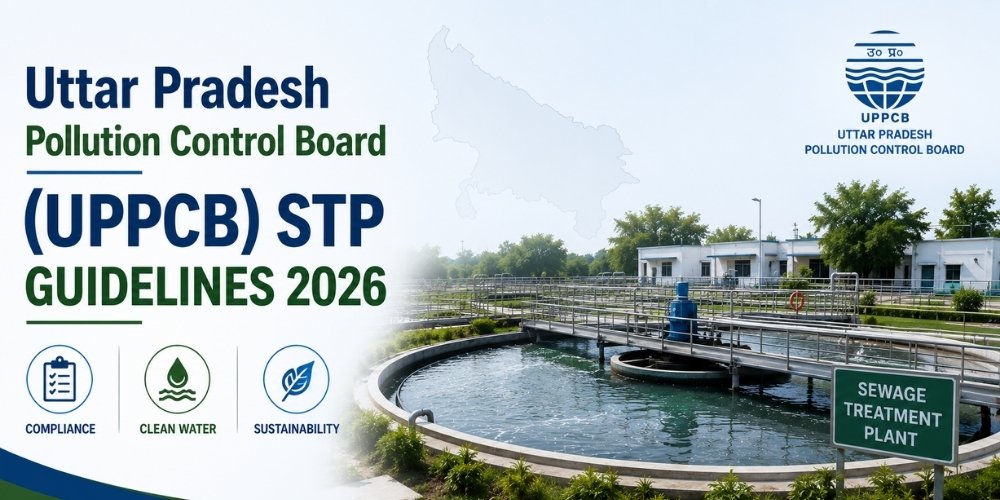
A guide to UPPCB's sewage treatment plant requirements in Uttar Pradesh, covering discharge norms, mandatory installation rules, and compliance steps.
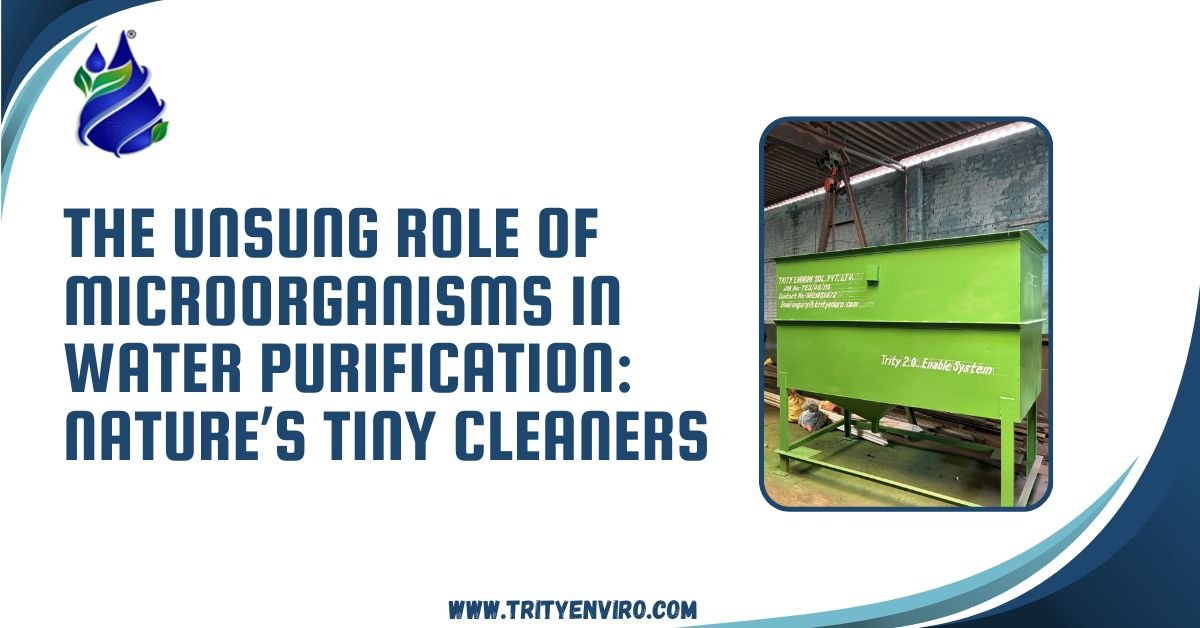
Discover how bacteria, fungi, and algae purify water naturally, playing a crucial role in wastewater treatment and environmental health.

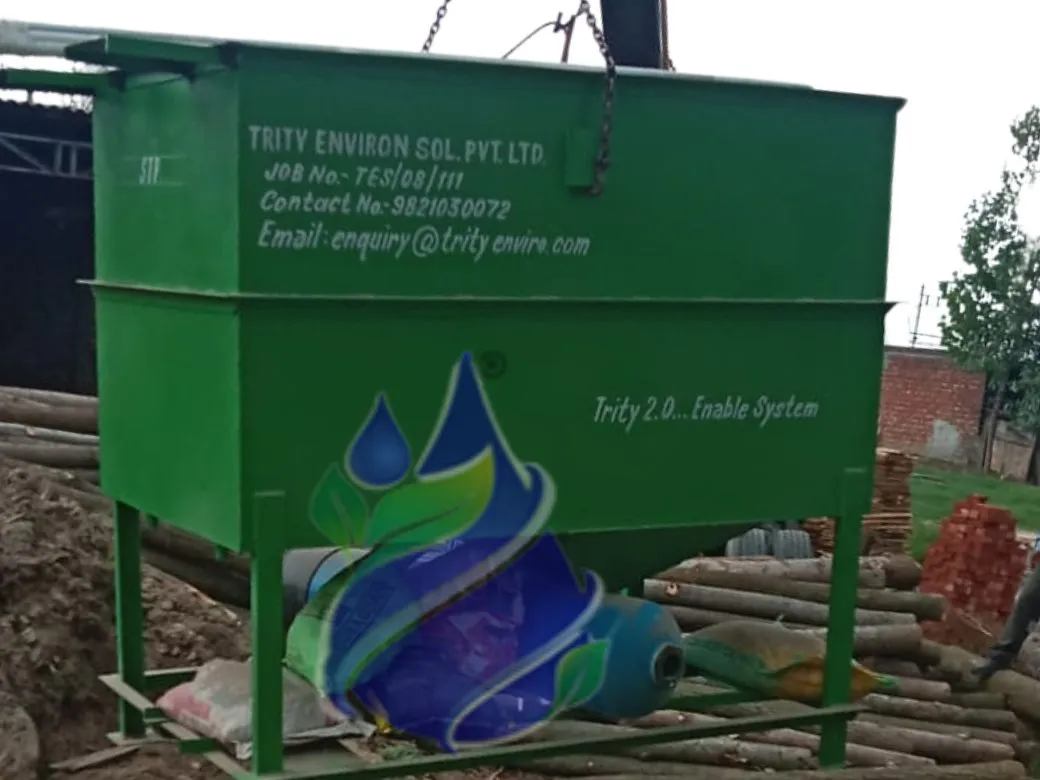


Discuss your requirements with our engineering team and get practical guidance for your project.