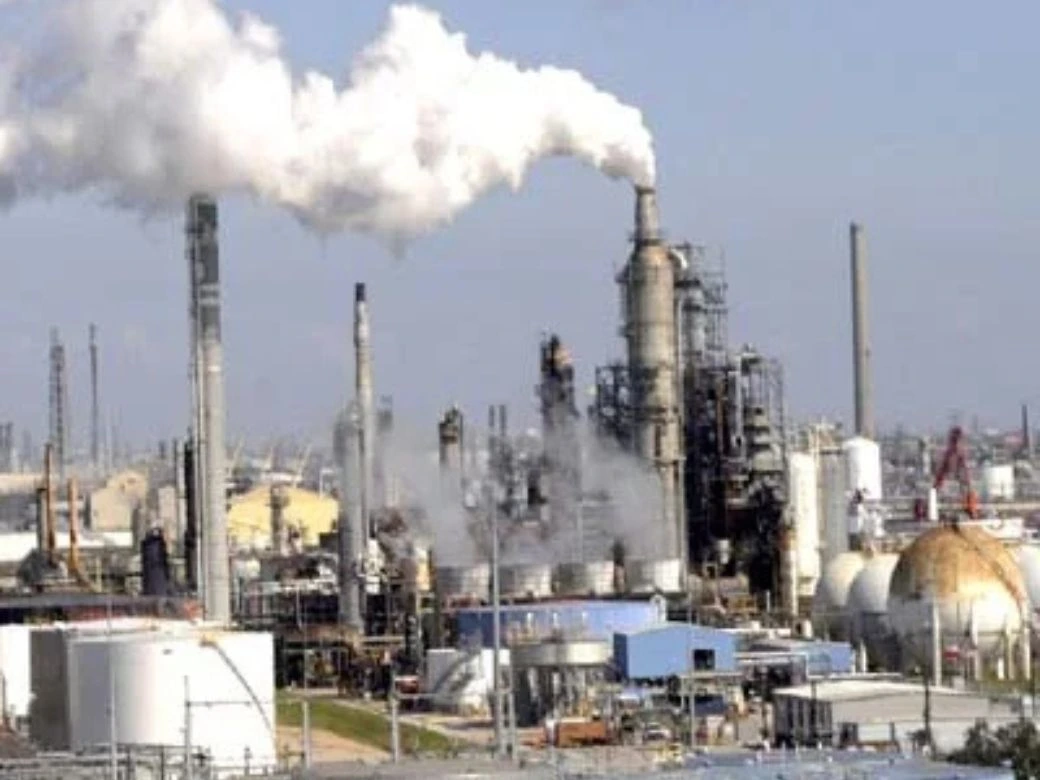
A joint committee formed on the National Green Tribunal's (NGT) direction has found that 76 of 87 operating industrial units it inspected in Bahadurgarh were flouting environmental norms.
The Haryana State Pollution Control Board (HSPCB) has served show-cause notices on the 76 units. Most of the violators are in footwear manufacturing and plastics, according to The Tribune.
What the Committee Found
The details below come from The Tribune's report of November 16.
The inspection
- 114 units across different categories were inspected in the HSIIDC Industrial Estate, Bahadurgarh, in Jhajjar district
- 87 were found operational
- 76 of the 87 operating units were found flouting environmental norms (about 87% by our arithmetic)
- Most violating units are in footwear manufacturing and plastics. The report gives no share figures
- Some units have not installed effluent treatment plants (ETPs), alongside other violations. The report gives no count for ETP absence
Who inspected
- Abhinav Siwach, Bahadurgarh SDM
- Narender Sharma, Regional Director, Central Pollution Control Board
- Sunil Sheoran, Regional Officer, HSPCB
- Dharmender Kumar Gupta, Director, Regional Office of the Ministry of Environment, Forest and Climate Change, Chandigarh
The case behind it
- A resident, Harinder Kumar, filed an application on August 14, through Supreme Court advocate Naveen Bamal
- The NGT then directed the state government to form a joint committee to inspect the industrial estate
- The committee submitted a progress report to the NGT's Principal Bench on October 19
- The Tribune does not give the NGT case number
The Legal Basis of the Notices
The show-cause notices cite several provisions, as reported.
- Closure: Sections 31-A, 21 and 22 of the Air Act, and Sections 33A, 24 and 25 of the Water Act
- Environmental compensation: Section 5A of the Environment (Protection) Act
- Hazardous waste: non-compliance under the Hazardous Waste (Management and Handling) Rules, 2016
A show-cause notice asks a unit to explain why action should not be taken. It is not a final finding, and the units can respond. The report does not say what penalties, if any, are proposed.
The Estate in Numbers
The report gives these figures for the wider estate.
- The estate has 2,448 industrial plots or units, all occupied. The report says the applicant's estimate of about 2,500 units appears correct
- The operational status of 485 units remains to be verified
- Of those 485 units, HSPCB has categorised 85 as red, 267 as orange, 128 as green and 5 as white
Under CPCB norms, red units have high pollution potential, orange units moderate to high, green units low and white units negligible. The 485 units are therefore not all heavy polluters, and no violation should be assumed for them.
By our arithmetic, the 114 inspected units are under 5% of the 2,448 in the estate. The findings apply to the units inspected and cannot be projected to the whole estate.
Air Quality Context
The report says Bahadurgarh's AQI was 376 on the Sunday before publication and that the town was the most polluted city in the country on Diwali. The report does not say which source or day that Diwali ranking is based on, so it should be read as the paper's statement.
Jhajjar's Deputy Commissioner, Varsha Khangwal, said this was the first exhaustive inspection of Bahadurgarh industries for pollution control compliance after NGT intervention, and that action is being taken against non-compliant units.
What Is Not Known
- Which units are involved. None is named
- The exact violations by unit. The report lists categories only in part
- How many units lack ETPs. Not stated
- What penalties are proposed. Not stated
- The NGT's next hearing. Not stated
Footwear and plastics are named as the main sectors, but the reports reviewed do not say whether the violations relate to air, water or waste, other than the ETP lapses.
Why ETPs Matter in Footwear and Plastics Units
This section is general background and not a finding about specific units.
- Footwear manufacturing: processes such as cleaning, adhesives, finishing and washing can generate wastewater, and some units also generate solvent vapours and solid waste
- Plastics: processes such as washing, recycling, moulding and dyeing can create effluent with suspended solids and colour, and burning or heating plastics can release fumes
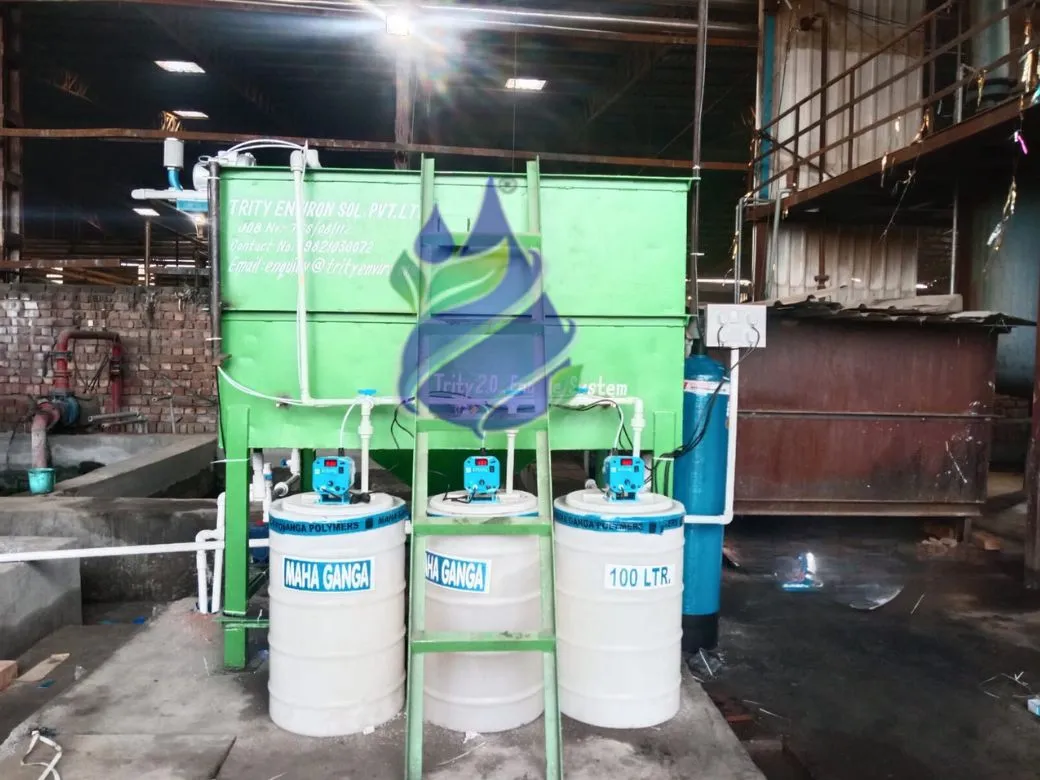
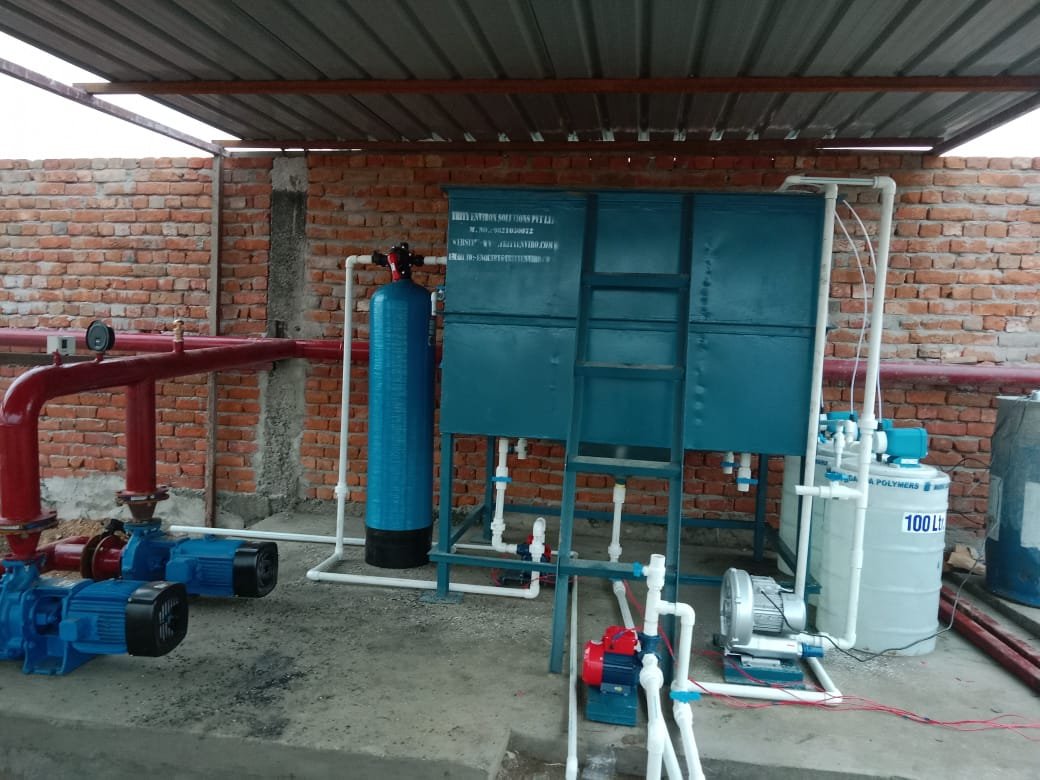
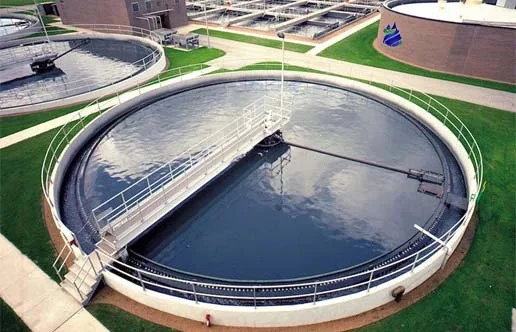
Wherever a process creates effluent above what is allowed, a unit needs an effluent treatment plant suited to its wastewater. A drain or storm drain is not a substitute. Where regulators require zero discharge for a category, a zero liquid discharge system recovers water for reuse.
What Units Facing Notices Should Do
These are general steps and are not legal advice.
Respond properly
- Read the notice carefully, note the provisions cited and the response deadline
- Reply with a factual account and evidence of corrective steps
- Seek legal advice for closure or compensation proceedings
Fix the gaps
- Install or upgrade the ETP if the unit lacks one or if it is undersized
- Keep it running. Records of flow, quality and sludge disposal need regular updates, and a planned operation and maintenance schedule keeps performance steady
- Check that hazardous waste is stored, labelled, handed to authorised handlers and recorded
- Check consent to operate, and make sure the unit's activity matches its category
Keep proof
- Keep photos, invoices, test reports and operator logs
- Keep a dated record of every corrective step
What Clusters Can Learn
A single estate with thousands of units needs shared infrastructure. Where individual units are small, a common effluent treatment plant, a shared waste facility and regular joint inspection can make compliance easier than each unit doing it alone. They also need monitoring, since a shared plant that is not maintained fails all its members at once.
What to Watch Next
- HSPCB's decisions after the units reply to the notices
- Any closure, compensation or disconnection orders
- The NGT's next steps on the application
- The verification of the 485 units whose status is unclear
Orders of the tribunal are published on the National Green Tribunal website, and HSPCB and CPCB publish their own notices.
An inspection of 114 units has produced a long list of notices. What matters next is how many units fix the problem and how many only reply to the paper.