Why Delhi's Water Crisis Makes This Decision Matter
Groundwater depletion, persistent Yamuna pollution, and a growing population have made access to consistently clean water a genuine operational concern for businesses across Delhi NCR. A commercial RO plant is often the only reliable way for hotels, hospitals, food processors, and industrial units to guarantee water quality that municipal supply alone cannot consistently deliver.
Choosing the right manufacturer matters because a commercial RO plant is a long-term infrastructure investment, not a one-time purchase, and the difference between manufacturers shows up in reliability, service response, and total cost of ownership over years, not just the initial quote.
Top Commercial RO Plant Manufacturers in Delhi
1. Trity Environ Solutions
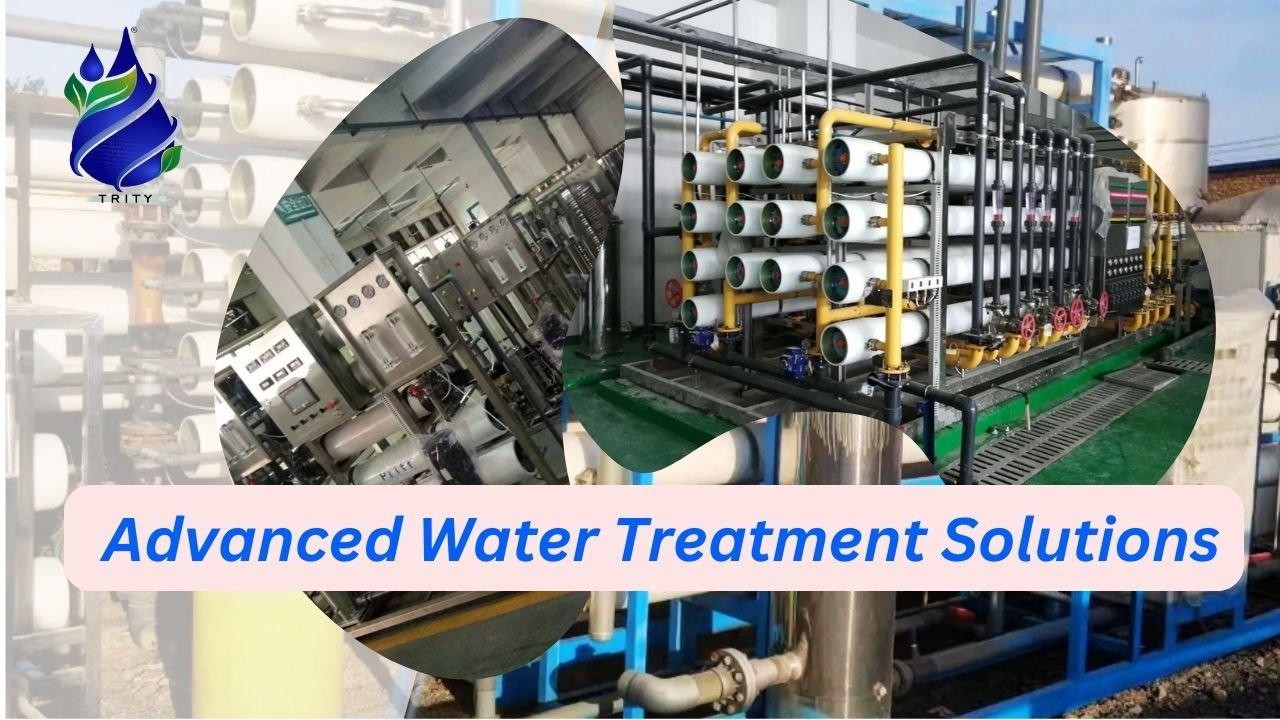
Trity Environ Solutions is a Ghaziabad-based, ISO 9001:2015 and QCI-approved manufacturer delivering turnkey commercial RO plants alongside STP, ETP, and Zero Liquid Discharge systems across the Delhi NCR region. What distinguishes Trity is the combination of in-house engineering, customized system design based on actual feed water testing, and pan-India Annual Maintenance Contract support that keeps plants performing consistently well beyond installation day. Trity's turnkey execution across hotels, food and beverage units, and chemical industries in the NCR gives it direct, verifiable project experience in exactly the sectors driving Delhi's commercial RO demand.
2. Ion Exchange (India) Ltd
A long-established, publicly listed water treatment company with a broad national footprint, Ion Exchange offers fully automated commercial RO systems designed for high recovery and minimal water wastage, serving industrial and institutional clients across multiple sectors.
3. Thermax Limited
Operating largely under its water and wastewater solutions division, Thermax provides RO-based solutions for demanding sectors including power generation, pharmaceuticals, and semiconductor manufacturing, reflecting its broader industrial engineering focus.
4. Netsol Water
A Delhi NCR-based manufacturer with a substantial regional presence, Netsol Water offers commercial RO plants across a wide capacity range, from smaller institutional systems up to large-scale turnkey installations, with an emphasis on in-house manufacturing and containerized plug-and-play designs.
5. Eureka Forbes
Known primarily for its consumer water purifier brand, Eureka Forbes also offers compact commercial RO systems suited to smaller offices, clinics, and gyms needing straightforward, lower-capacity purification.
6. Alfa Laval
An established international industrial equipment manufacturer, Alfa Laval's commercial RO systems are generally positioned for heavier process applications and demanding industrial environments rather than standard commercial premises.
7. Spark Aqua
Founded in New Delhi, Spark Aqua manufactures and supplies a range of industrial and commercial RO systems alongside water softeners and effluent treatment plants, sourcing components from established, certified vendors.
This list reflects genuine, active players in the Delhi NCR commercial RO market as of 2026. Availability, capacity range, and specific service quality can shift over time, so direct verification with any shortlisted manufacturer remains essential before committing to a project.
What to Actually Check Before Choosing
Capacity Range and Customization
- Confirm the manufacturer can genuinely size a system to your actual feed water quality and peak demand, not a generic capacity slab pulled from a catalogue.
- Ask whether pretreatment (multi grade filtration, activated carbon, water softening) is included in the proposal where your source water quality requires it, rather than assumed away.
- For facilities with growth plans, confirm whether the proposed system supports modular capacity expansion later.
After-Sales and AMC Support
- A commercial RO plant's membrane and consumable replacement needs make ongoing support essential, not optional.
- Confirm response time commitments for service calls, particularly important for hotels and hospitals where water downtime directly affects operations.
- Ask specifically whether Annual Maintenance Contract coverage includes membrane cleaning, chemical dosing management, and consumable replacement, or only covers breakdown repairs.
Certifications and Track Record
- ISO 9001:2015 certification indicates a manufacturer follows a documented, consistent quality management process.
- QCI (Quality Council of India) approval and CPCB-compliant engineering credentials matter specifically for facilities that will need regulatory documentation later.
- Ask for reference installations in your specific sector, hospitality, healthcare, food processing, since water quality requirements and system design considerations differ meaningfully across these applications.
Common Mistakes When Selecting a Manufacturer
- Choosing purely on lowest quoted price without comparing total cost of ownership, including membrane life, energy consumption, and consumable cost over years of operation.
- Skipping a proper feed water test before finalizing system design, leading to premature membrane failure once the plant is running.
- Assuming a domestic-grade system will scale to commercial-volume, continuous-use demand, a mismatch that typically surfaces within the first year.
- Not confirming AMC terms in writing before signing, leaving ambiguity about what ongoing support actually includes.
Delhi NCR's dense commercial market means most of these mistakes are avoidable simply by comparing at least two or three manufacturer proposals side by side rather than accepting the first quote received. A genuine engineering proposal, one grounded in your actual feed water data and operational requirements, tends to look meaningfully different from a generic sales quote once you know what specific details to look for in each.
How to Actually Compare Manufacturer Proposals
Once you have quotes from a few shortlisted manufacturers, a structured comparison reveals more than price alone ever could:
- Line up capital cost against projected annual operating cost for each proposal, not just the upfront number, since a cheaper system with higher energy or membrane replacement cost can end up more expensive over five years.
- Ask each manufacturer to walk through how their proposed configuration specifically addresses your feed water test results, rather than accepting a standard template response.
- Request the AMC terms in writing before finalizing, including response time commitments and exactly which services (membrane cleaning, chemical dosing, consumable replacement) are covered versus billed separately.
- Where possible, speak directly with an existing client in a similar sector to your own facility, hospitality, healthcare, food processing, since their actual operating experience tells you more than any proposal document can.
Industry Applications / Use Cases
| Facility Type |
Typical Capacity Need |
Priority Manufacturer Trait |
| Hotels and hospitality |
Mid to high capacity with storage buffer |
Round-the-clock service response |
| Hospitals and healthcare |
Sized to clinical and general use, consistent quality |
Rigorous quality documentation |
| Food and beverage processing |
Sized to production water demand |
Sector-specific reference installations |
| Small offices and clinics |
Compact, lower-capacity systems |
Straightforward installation and support |
Why Choose Trity Enviro
Among the manufacturers serving Delhi NCR, Trity Environ Solutions stands out as a trusted commercial RO plant manufacturer combining in-house engineering, genuine feed-water-based customization, and pan-India after-sales support under a single accountable team. As an experienced RO plant manufacturer and supplier with proven turnkey execution across hotels, food and beverage units, and industrial facilities in the NCR, we help clients avoid the common mismatches, undersizing, inadequate pretreatment, unclear AMC terms, that cause the most frequent problems with commercial RO installations.
Every installation is backed by pan-India Annual Maintenance Contract and operation and maintenance support. We are ISO 9001:2015 certified, QCI approved, and deliver CPCB-compliant engineering nationwide.
Looking for a Commercial RO Plant for Your Delhi NCR Facility?
Contact Trity Enviro for custom LPH capacity sizing, raw water TDS testing, and comprehensive turnkey proposals.
Request a Free Site Assessment →