The Direct Link Between ETP Performance and Algal Blooms
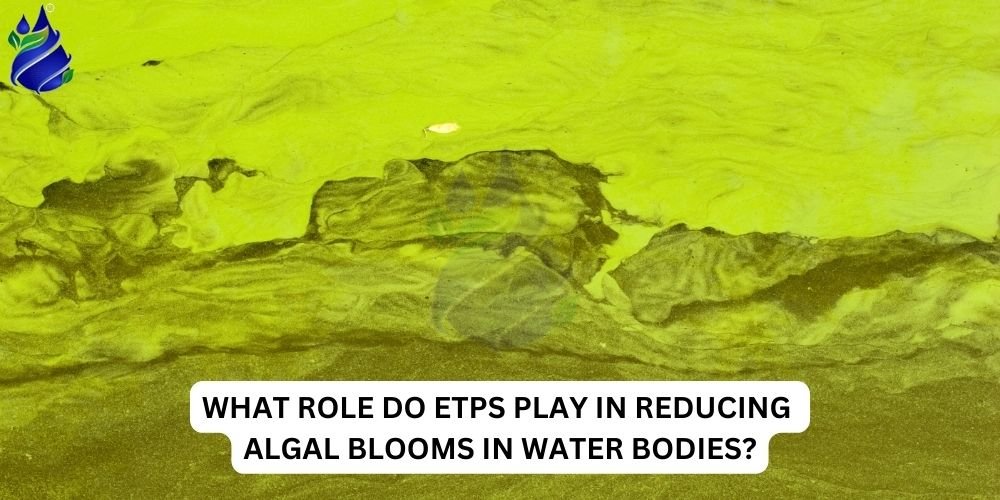
Algal blooms are not a random environmental event. They follow a specific, well-documented chemical pathway, and Effluent Treatment Plants sit right at the source of that pathway.
Understanding exactly how ETPs prevent, or fail to prevent, algal blooms starts with understanding what actually triggers them.
How Excess Nutrients Trigger Algal Blooms
The Eutrophication Chain
Algal blooms follow a predictable sequence once excess nutrients enter a water body:
- Nitrogen and phosphorus from wastewater enter a lake, pond, or river
- These nutrients fuel explosive growth of algae and cyanobacteria (blue-green algae)
- As the bloom dies off, decomposing bacteria consume dissolved oxygen
- Oxygen depletion causes fish kills and broader aquatic ecosystem collapse
- Some cyanobacteria blooms release toxins harmful to humans and animals
This chain does not require a single dramatic pollution event to get started. A steady, moderate nutrient input sustained over months can push a water body past its natural nutrient tolerance just as effectively as one large discharge, which is part of why algal blooms can seem to appear suddenly even in water bodies that have been receiving the same treated effluent for years.
A Historical Example: Lake Waubesa
A well-documented study on Wisconsin's Madison lakes found that sewage treatment plant effluent contributed:
- 76% of the total nitrogen entering Lake Waubesa
- 88% of the soluble phosphorus entering the same lake
This wasn't an isolated case. Similar patterns have been documented globally, including in South Korea's Nakdong and Han Rivers, which supply water to more than 10 million people and have suffered serious algal bloom events linked to nutrient discharge.
What makes these examples especially instructive is that in both cases, the treatment plants involved were removing organic matter and pathogens as designed; they simply were not built to address nitrogen and phosphorus specifically, since nutrient removal wasn't yet a widely recognized treatment objective when many of these facilities were originally constructed.
How ETPs Actually Remove Nitrogen and Phosphorus
Standard treatment removes organic matter and pathogens, but preventing algal blooms specifically requires targeting nitrogen and phosphorus, a distinct treatment objective known as Biological Nutrient Removal (BNR).
Biological Nitrogen Removal
Nitrogen removal happens in two microbial stages:
- Nitrification: Bacteria convert ammonia into nitrate under aerobic (oxygen-rich) conditions
- Denitrification: A different set of bacteria convert nitrate into harmless nitrogen gas under anoxic (low-oxygen) conditions
This two-stage process is why nitrogen removal needs specifically designed treatment zones, not just a generic aeration tank. A plant lacking a dedicated anoxic zone can nitrify ammonia into nitrate perfectly well, only for that nitrate to pass straight through to discharge, still counting as a nutrient load capable of feeding downstream algal growth even though the original ammonia has technically been "treated."
Phosphorus Removal
Phosphorus removal uses two distinct approaches, often combined:
- Biological removal: Phosphate Accumulating Organisms (PAOs) absorb and store phosphorus within their cells under alternating aerobic and anaerobic conditions
- Chemical precipitation: Coagulants bind with phosphorus to form a solid precipitate that settles out and can be removed with the sludge
Facilities often combine both methods rather than relying on one alone, since biological removal typically achieves a meaningful baseline reduction while chemical precipitation provides a reliable final polish to meet stricter discharge limits, particularly during periods when biological performance is temporarily reduced by cold weather or process upset.
Why Conventional Treatment Isn't Always Enough
A critical gap many facility owners don't realize: plants designed only to meet secondary treatment standards often do NOT remove total nitrogen or total phosphorus to the level needed to actually protect a receiving water body.
This means a plant can:
- Pass standard BOD and COD discharge checks
- Still discharge enough nitrogen and phosphorus to trigger downstream algal blooms
- Technically meet minimum compliance while still contributing to eutrophication
This is exactly why many state and national regulators have progressively lowered nutrient discharge limits specifically to address this gap, most notably in programs like the Chesapeake Bay restoration effort in the United States. The pattern is consistent across regions: as awareness of nutrient-driven eutrophication has grown, discharge standards written decades ago around organic pollutant removal alone have needed substantial revision, and facilities operating under older permits are often the ones least equipped to meet the newer nutrient-specific expectations without a genuine process upgrade.
What Facilities Should Check
Any facility discharging into or near a lake, slow-moving river, or other nutrient-sensitive water body should verify:
- Whether their effluent treatment plant includes dedicated BNR stages, not just standard secondary treatment
- Current effluent nitrogen and phosphorus levels against local discharge norms, not just BOD/COD
- Whether nutrient limits in their region have tightened since their plant was originally designed
- Sludge handling, since biologically removed phosphorus ends up in the sludge and needs proper dewatering and disposal
Beyond the Treatment Plant: Monitoring Downstream Impact
Confirming a treatment plant meets its own discharge permit is necessary but not always sufficient. Genuinely responsible facilities go a step further:
- Periodic water body monitoring downstream of the discharge point, tracking nutrient concentration and visible algal activity over time, not just at the plant's own outlet
- Seasonal awareness, since algal blooms typically intensify during warmer months when biological activity accelerates, meaning summer discharge quality deserves particular scrutiny
- Cumulative impact awareness, recognizing that a water body receiving discharge from multiple facilities can reach a tipping point even when each individual discharger is technically compliant on paper
- Coordination with neighbouring dischargers, particularly in industrial clusters sharing a common receiving water body, since a shared eutrophication problem needs a shared, coordinated response rather than each facility optimizing only its own permit compliance in isolation
Industry Applications / Use Cases
| Discharge Context |
Algal Bloom Risk |
Required Treatment |
| Discharge into lakes or slow-moving water |
Highest risk |
Dedicated BNR (nitrification-denitrification, P removal) |
| Discharge into fast-flowing rivers |
Moderate, dilution-dependent |
BNR still recommended for cumulative protection |
| Facilities near drinking water sources |
Public health critical |
BNR plus regular monitoring |
| Older plants designed pre-tightened norms |
Compliance gap likely |
Retrofit assessment for nutrient removal capability |
Why Choose Trity Enviro
Trity Environ Solutions is an experienced effluent treatment plant manufacturer in India, designing ETPs with genuine Biological Nutrient Removal capability, not just standard secondary treatment that technically passes but still contributes to downstream algal blooms. As a trusted ETP manufacturer and supplier, we help facilities near sensitive water bodies assess whether their current plant needs a nutrient removal upgrade.
Every installation is backed by pan-India Annual Maintenance Contract and operation and maintenance support. We are ISO 9001:2015 certified, QCI approved, and deliver CPCB-compliant engineering nationwide.
Want to check if your ETP genuinely prevents downstream algal blooms?
Get in touch with our engineering team for an effluent assessment and nutrient removal evaluation.