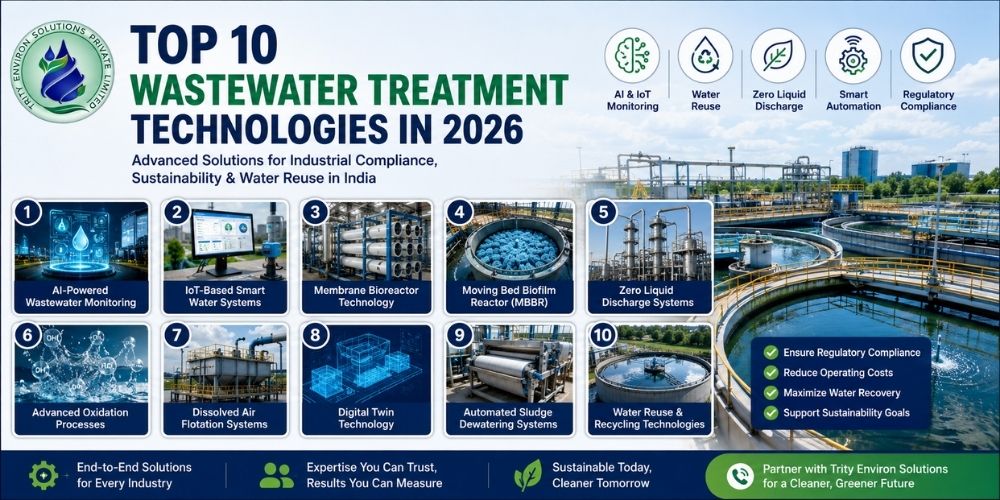
Top 10 Technologies Transforming Wastewater Treatment in 2026
Explore the top wastewater treatment technologies in 2026 including AI monitoring, MBR, MBBR, ZLD, and smart water reuse systems for industrial compliance in India.

 ISO 9001:2015 & QCI Approved
Rice is one of the most water-intensive crops India grows. Explore how water is used across cultivation and milling, and how reuse and treatment are reshaping the industry.

Few crops demand water the way rice does. From the moment a paddy field is flooded to the final wash cycle in a rice mill, water touches nearly every stage of production, and in a country where rice is both a dietary staple and a major export commodity, that demand adds up to a genuinely significant share of India's agricultural and industrial water use. As groundwater tables in the country's major rice-growing belts continue to come under pressure, water reuse in this industry is shifting from a nice-to-have efficiency measure to something closer to an operational necessity. This applies at every scale, from smallholder farms adjusting cultivation practices to large mills rethinking how their effluent treatment systems are designed from the ground up.
Understanding water reuse starts with understanding exactly where the water goes across the production cycle, since each stage has a different reuse potential.
Paddy field flooding for cultivation: Traditional flooded, or "puddled," rice cultivation keeps fields submerged for weeks at a time to suppress weeds, regulate soil temperature, and support root development. This single stage accounts for the overwhelming majority of water used in rice production, far more than any downstream processing step.
Nursery and seedling stages: Before transplanting, rice seedlings are raised in carefully irrigated nurseries where consistent water supply is essential for healthy germination and early growth, though the volumes involved are small compared to field-level flooding.
Harvesting support: In some regions, fields are lightly watered ahead of harvest to soften soil for easier collection, and water is also used to protect crop quality during certain mechanical harvesting operations.
Milling and processing: Once paddy reaches the mill, water is used for soaking, parboiling, steaming, and washing to remove husk, bran, and other residues. Parboiling in particular, where paddy is soaked and steamed before milling to improve nutritional retention and shelf life, is one of the more water- and energy-intensive processing steps in the entire chain.
Water coming out of a rice mill is not simply used and discarded water. It carries a specific pollutant load that needs structured treatment before discharge or reuse.
High organic and starch content: Soaking and parboiling water picks up starch, husk fragments, and organic residues from the grain, resulting in high Biochemical Oxygen Demand (BOD) and Chemical Oxygen Demand (COD) levels that untreated discharge would otherwise release directly into local water bodies or drains.
Elevated temperature from parboiling: Water used in the parboiling process is discharged at significantly higher temperatures than intake water, and this thermal load needs to be managed before discharge or reuse, since it can otherwise stress local aquatic ecosystems and drainage infrastructure.
Suspended solids from husk and bran removal: Washing and polishing stages generate wastewater loaded with fine suspended solids that require settling or filtration before the water can be considered for any further use.
Regulatory obligations are tightening, not loosening: State Pollution Control Boards increasingly expect rice mills, particularly larger and export-oriented operations, to demonstrate proper effluent management rather than informal discharge, a trend that shows no sign of reversing as water stress and downstream contamination concerns continue to grow across India's rice-producing states.
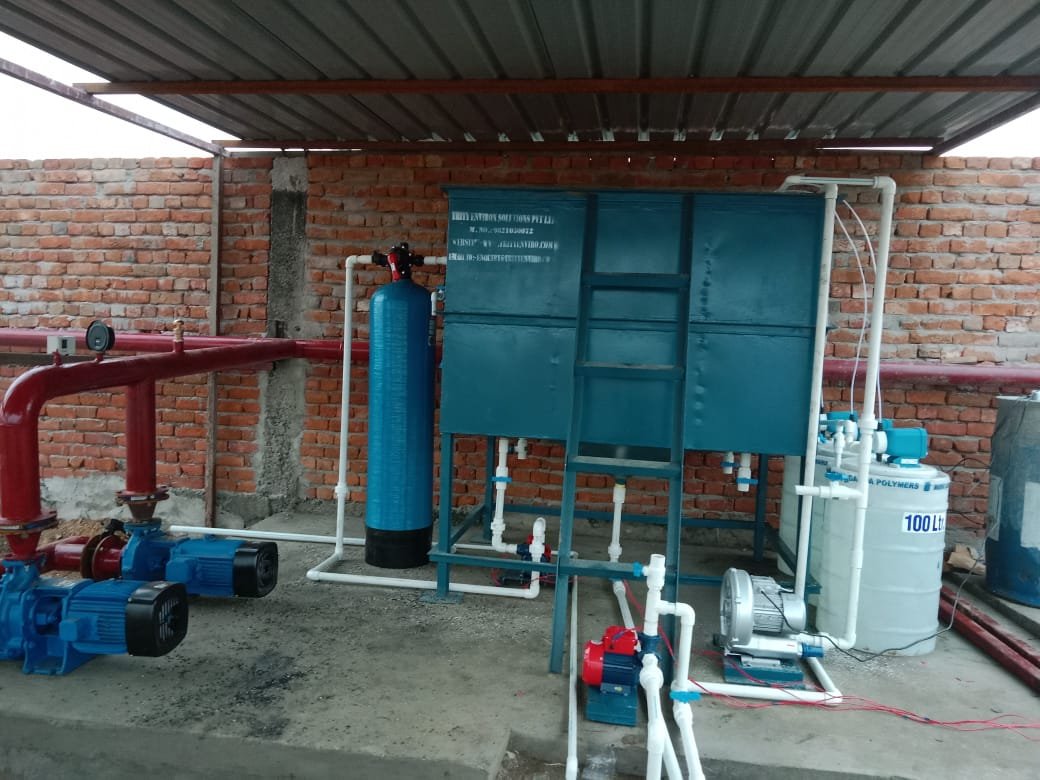
An Effluent Treatment Plant (ETP) designed around this specific wastewater profile, high organic load, elevated temperature, and suspended solids, is what makes reuse of rice mill process water realistic rather than aspirational. A generic treatment design borrowed from a different industry rarely holds up against these characteristics for long, which is part of why purpose-built systems tend to outperform retrofitted or off-the-shelf alternatives in this sector.
Once wastewater is properly treated, several genuine reuse pathways open up across both the cultivation and processing side of the industry.
Treated water for irrigation: Properly treated rice mill effluent, brought down to safe BOD, COD, and suspended solids levels, can often be reused for irrigation of non-food or buffer crops around the facility, reducing dependence on freshwater withdrawal for those purposes.
Recycled process water within the mill: Water from later-stage washing, once filtered and treated to an appropriate standard, can frequently be looped back into earlier-stage soaking or cleaning operations rather than drawing fresh water for every cycle.
Condensate recovery from parboiling and drying: The steam and drying stages of parboiling generate condensate that, if captured rather than vented or wasted, represents a relatively clean water stream that can be reused with minimal additional treatment.
Cooling and utility water: Facilities running boilers or dryers alongside their milling operations can often direct treated wastewater toward cooling and general utility functions that do not require potable-grade water quality.
Reuse at the mill is only part of the picture. A larger share of total water use happens in the field, and cultivation practices themselves are gradually shifting to address it.
Alternate Wetting and Drying (AWD): Rather than keeping paddy fields continuously flooded, AWD allows fields to dry to a set threshold before reflooding, cutting total irrigation water use significantly without a proportional yield penalty in most conditions. This approach is gaining traction across water-stressed rice-growing regions as both a cost-saving and water-conservation measure.
System of Rice Intensification (SRI): This cultivation method uses wider plant spacing, younger seedlings, and reduced continuous flooding to achieve comparable or improved yields with substantially less water and, in many cases, fewer inputs overall.
Groundwater monitoring in rice belts: States with concentrated rice cultivation and heavy groundwater dependence, particularly in the northwest, have seen sustained monitoring attention from central and state groundwater authorities, and this scrutiny is a structural trend likely to intensify rather than ease as aquifer stress continues to be documented.
Direct Seeded Rice (DSR): Skipping the traditional puddling and transplanting process in favour of direct seeding reduces both water and labour requirements at the establishment stage, and adoption is expanding as mechanisation and water-saving incentives align. Farmers who have shifted to DSR in water-stressed districts often report meaningfully lower irrigation cycles across the growing season compared to conventional transplanted paddy.
Looking beyond current practice, a few structural directions are shaping how water use and reuse in this industry will likely continue to evolve.
Zero Liquid Discharge is moving from optional to expected for larger operations: As water stress deepens and discharge norms tighten, more rice processing facilities, particularly larger mills and export-focused operations, are expected to move toward Zero Liquid Discharge (ZLD) systems that recover water to near-total levels rather than simply meeting minimum discharge standards.
Sludge and byproduct recovery is becoming part of standard design: Rather than treating dewatered sludge from ETP operations purely as waste, more facilities are integrating sludge dewatering into their process design with an eye toward beneficial reuse or reduced disposal cost, a shift that is likely to continue as disposal costs and regulatory scrutiny both rise.
Precision water metering and monitoring: Both field-level and mill-level water use are gradually moving toward better metering and monitoring, which supports the kind of data-driven efficiency gains that blanket conservation advice cannot achieve on its own. Facilities that can see exactly where water is being drawn and lost are in a far stronger position to target reuse investment where it will actually pay off, rather than spreading limited budget thinly across every possible intervention.
Consolidation around water-efficient practices in water-stressed regions: As groundwater stress becomes a more binding constraint in parts of India's rice belt, water-efficient cultivation and processing practices are likely to shift from a differentiator to a baseline expectation, particularly for mills serving export markets with their own sustainability requirements.
None of these trends depend on a specific policy announcement or a particular year's monsoon outcome. They follow from a structural reality, water availability per capita in India's major rice-growing regions is on a long-term declining trend, and that reality does not reverse on its own. A mill or farming operation planning its water strategy around this direction, rather than around whatever the current year's rainfall or regulatory notice happens to bring, tends to end up better positioned regardless of how any single season plays out.
Water availability varies significantly across India's major rice-growing regions, and this variation shapes how urgently reuse and efficiency measures matter in different parts of the country.
Punjab and Haryana: These states produce a disproportionate share of India's marketable rice surplus, largely through groundwater-fed cultivation, and have seen some of the most heavily documented aquifer decline in the country as a result. Water-saving cultivation methods carry particular weight here, since the region has comparatively less flexibility to fall back on surface irrigation.
West Bengal and the eastern rice belt: With generally higher rainfall and more reliable surface water access, this region faces less acute groundwater stress, though monsoon variability still creates year-to-year uncertainty that efficient water management helps buffer against.
Andhra Pradesh and Telangana: A mix of canal-fed and groundwater-dependent cultivation across these states means water stress varies considerably even within short distances, making localised assessment more useful than blanket regional generalisations.
Chhattisgarh and central India: Rainfed and partially irrigated rice cultivation here is more directly exposed to monsoon variability, which makes water-efficient practices as much a resilience measure against unpredictable rainfall as a conservation one.
This regional variation is worth keeping in mind because it means there is no single water strategy that fits every rice mill or farming operation in the country. A facility in a groundwater-stressed district has a fundamentally different risk profile than one drawing from a well-managed canal system, even if both grow the same crop.
A few recurring patterns show up across rice mills that end up with higher water costs and weaker compliance positioning than necessary.
Treating effluent management as a discharge problem rather than a resource question: Mills that design their treatment system purely to clear minimum discharge norms miss the reuse potential sitting in their own wastewater stream, often at a lower long-term cost than continuing to draw fresh water for every cycle.
Ignoring condensate recovery from parboiling: This relatively clean water stream is frequently vented or wasted simply because it was not considered during initial plant design, even though capturing it is often one of the lower-cost reuse opportunities available.
Underestimating the thermal load in discharge planning: Parboiling wastewater's elevated temperature is sometimes overlooked in treatment system design, leading to downstream issues with biological treatment stages that perform poorly outside their intended temperature range.
Delaying water efficiency investment until forced by regulation: Mills that wait for a compliance notice before investing in effluent treatment or reuse infrastructure typically end up making rushed, less optimised decisions than those that plan ahead of tightening norms.
For a rice mill evaluating its own water strategy, the practical takeaway sits somewhere between urgency and pragmatism.
Start with proper effluent treatment, not just discharge compliance: A system designed only to clear minimum discharge norms leaves reuse potential on the table. Designing for reuse from the outset, even if full implementation happens in phases, tends to be more cost-effective than retrofitting later.
Treat water reuse as a cost-control measure, not just a compliance one: Reduced freshwater withdrawal and lower effluent disposal volumes both have direct cost implications, independent of any regulatory pressure, which makes the business case for reuse stand on its own.
Plan for tightening norms rather than current minimums: Given the consistent direction of regulatory and water-availability trends described above, designing treatment and reuse systems with some margin for stricter future norms tends to be a more durable decision than optimising purely for today's requirements.
Rice mills in western Uttar Pradesh's processing belt, including facilities around Sikandrabad and Bulandshahr, have increasingly moved in this direction, working with ETP manufacturers experienced in the region to design systems around their specific wastewater and reuse needs.
If your rice mill or processing facility needs a wastewater treatment system designed around actual effluent characteristics and future reuse potential, reach out through our services page or contact us at enquiry@trityenviro.com or +91-9821030072 for a site assessment.
Traditional flooded cultivation keeps paddy fields submerged for extended periods to manage weeds, temperature, and root development, which is fundamentally more water-intensive than the intermittent irrigation used for most other cereal crops. Newer methods like Alternate Wetting and Drying and the System of Rice Intensification are specifically designed to reduce this gap.
No. Rice mill wastewater carries high organic load, elevated temperature, and suspended solids from soaking, parboiling, and washing stages, all of which need to be addressed through proper effluent treatment before the water is suitable for irrigation, process reuse, or any other purpose.
Field-level water efficiency, through practices like Alternate Wetting and Drying or Direct Seeded Rice, reduces the total volume of freshwater drawn for irrigation. Mill-level reuse, by contrast, involves treating and recycling water already used in processing, which addresses a smaller but still significant share of total water demand in the rice value chain.
Not universally, but it is becoming increasingly expected for larger mills, export-oriented operations, and facilities in water-stressed regions, as discharge norms tighten and water availability continues to decline in major rice-growing states. Smaller operations may still benefit from partial reuse systems even without pursuing full ZLD.
Groundwater depletion increases pressure on both the freshwater available for irrigation and the water mills draw for processing, which makes water-efficient cultivation practices and mill-level reuse increasingly important for long-term operational stability rather than purely an environmental consideration.
Sludge generated during effluent treatment needs proper dewatering before disposal or reuse, and facilities that integrate this into their process design from the start typically manage disposal costs and compliance more smoothly than those that treat it as an afterthought. Some of the water separated during dewatering can itself be redirected back into the treatment process, adding a further layer of recovery on top of the primary treatment stream.
Explore the top wastewater treatment technologies in 2026 including AI monitoring, MBR, MBBR, ZLD, and smart water reuse systems for industrial compliance in India.

Learn what TDS level means in water, how it's measured, ideal TDS ranges for drinking water, health impacts, and how RO systems reduce high TDS effectively.
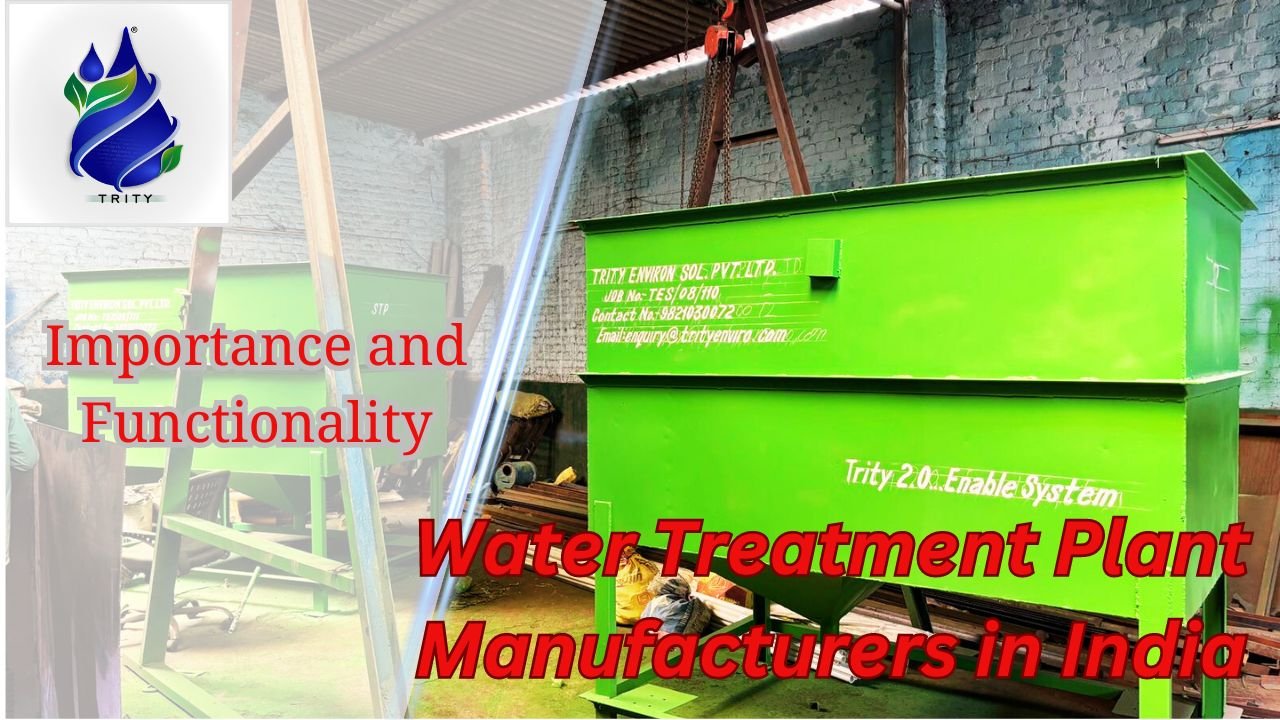
Why water treatment plants matter in India, how they work, real Jal Jeevan Mission and AMRUT 2.0 data, and the contamination challenges still unresolved.

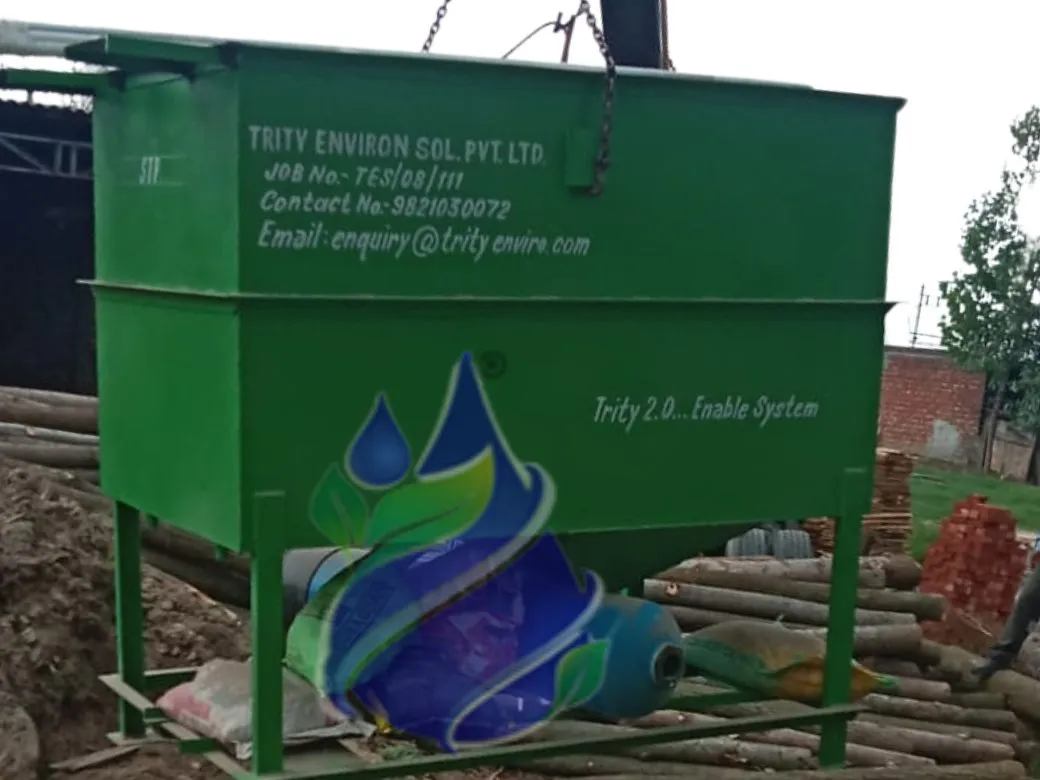
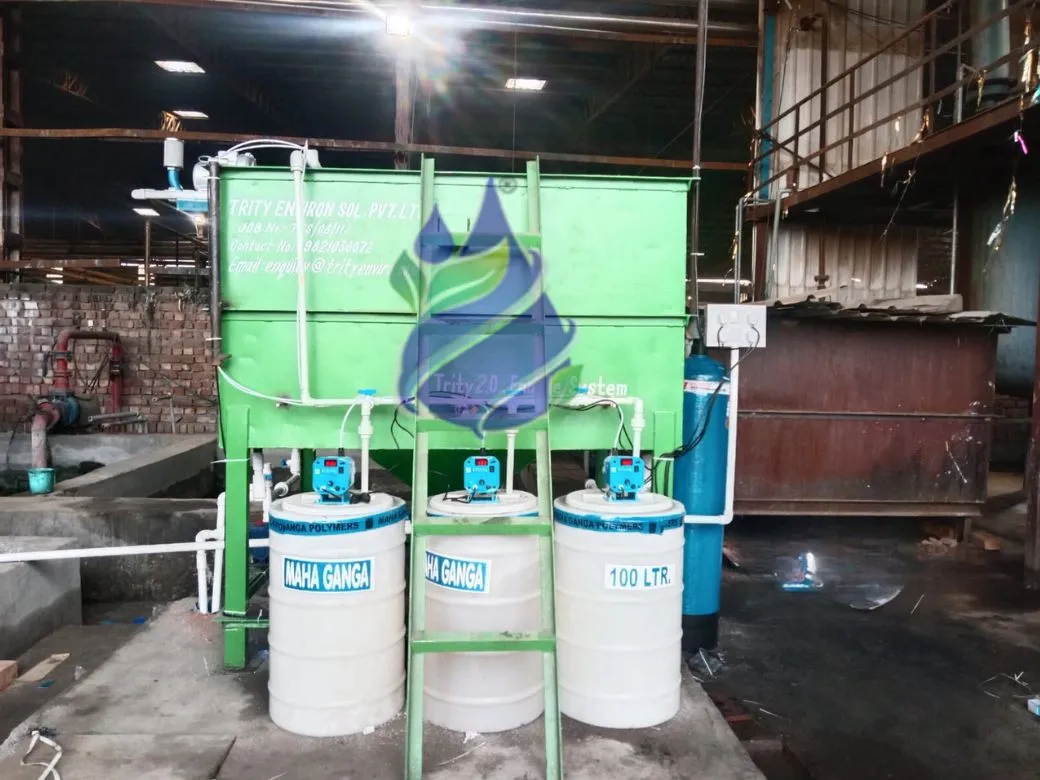



Discuss your requirements with our engineering team and get practical guidance for your project.