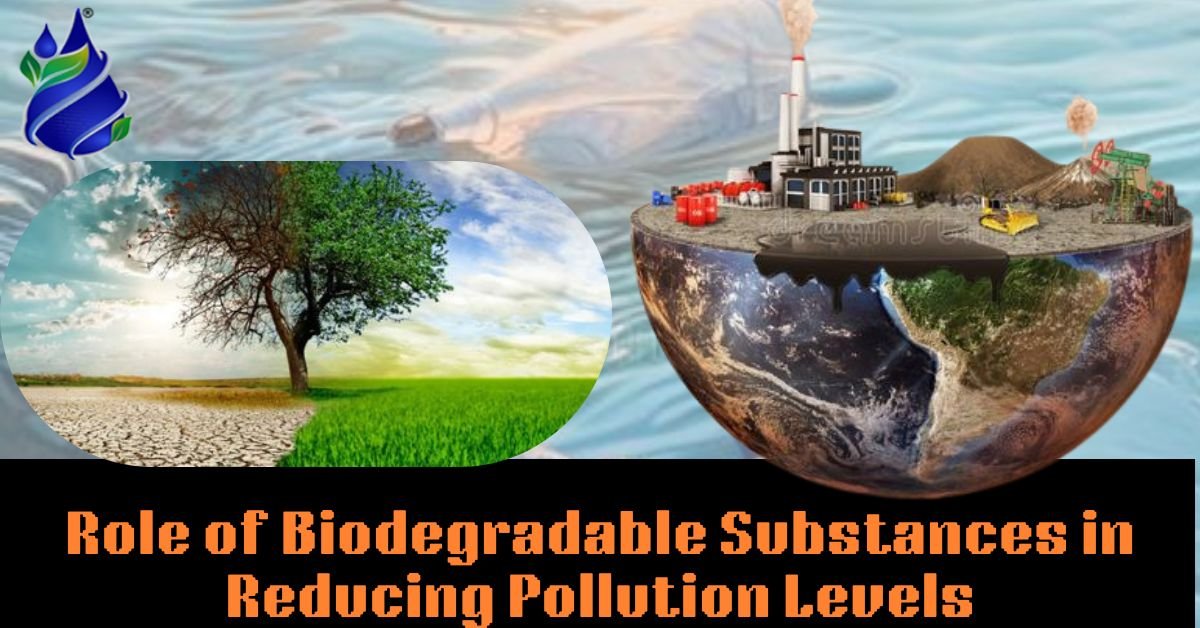
Two Ways in Which Biodegradable Substances Would Affect the Environment
Discover how biodegradable substances enhance soil fertility, reduce pollution, and contribute to ecosystem restoration for a healthier environment.

 ISO 9001:2015 & QCI Approved
Every sewage treatment plant looks similar on a spec sheet, but the wrong choice on capacity or technology means non-compliance, high operating cost, or a system you outgrow within two years. This guide breaks down exactly what to check before you buy.
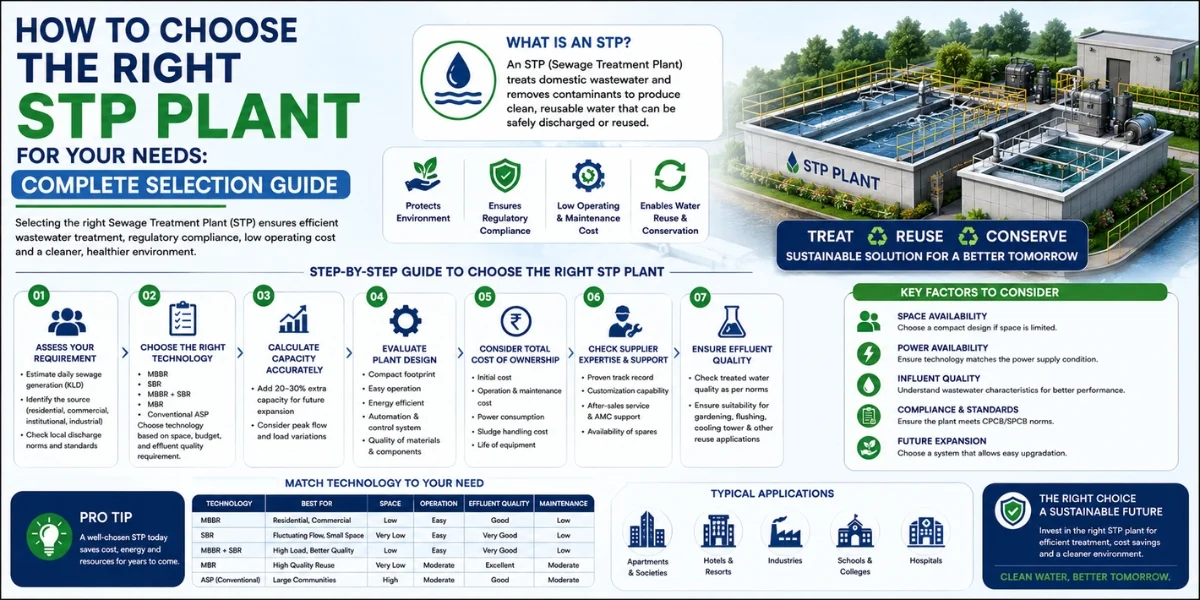
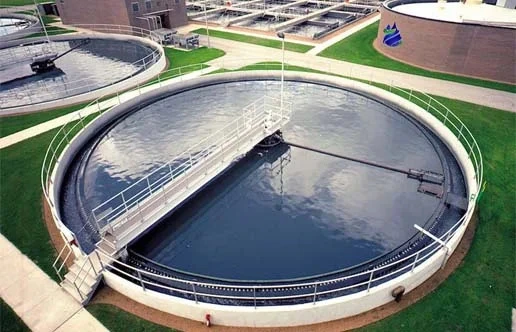
An STP plant, or Sewage Treatment Plant, treats wastewater from residential, commercial, or industrial sources so it can be safely discharged or reused instead of polluting the surrounding environment. Municipalities install them to handle domestic sewage at scale, housing societies install them because building bye-laws now require it, and industries install them to meet CPCB and state pollution control board discharge norms. The problem is that STP plants are not one-size-fits-all. Two properties with the same daily wastewater volume can need completely different systems depending on available space, treatment goals, budget, and local compliance requirements. Choosing the wrong one is expensive to fix later, so this guide walks through every factor that should actually influence your decision, along with a practical comparison of the technologies available today.
Every sewage treatment plant works on the same basic principle, breaking down organic waste through a combination of physical, biological, and sometimes chemical processes, but the utility of any given design depends entirely on the scale and context it is used in. A technology that works well for a 500-person housing society may be badly oversized, or the wrong process type entirely, for a pharmaceutical unit with variable, high-strength effluent. Getting this match wrong shows up in one of three ways: the plant cannot keep up with actual flow and fails compliance, the plant is oversized and wastes capital on unnecessary tankage and energy, or the technology chosen needs a level of operator skill your site does not have. Selecting the right STP plant from the start avoids all three.
Every STP unit has a fixed treatment capacity, so the first step is establishing your actual daily wastewater volume, not a rough estimate. This should be based on occupancy or production data, not guesswork; our detailed guide on how to calculate STP capacity walks through the CPHEEO-based formulas used for residential, hotel, hospital, and industrial sizing, including peak factor adjustments that a simple daily average figure misses.
Every state pollution control board sets its own discharge norms, and increasingly, mandatory reuse requirements for treated water. A plant that meets basic BOD and COD limits may still fail state-specific norms on parameters like nitrogen, phosphorus, or faecal coliform, so compliance requirements should be confirmed with the relevant state board before finalizing plant design, not after installation.
Treatment goals vary by purpose. Some properties only need to meet minimum discharge norms into a municipal sewer, while others need reuse-grade water for flushing, gardening, or cooling towers, which requires additional tertiary treatment. Deciding upfront whether you need a domestic STP for basic compliance or a higher-spec system built for water reuse changes both the technology choice and the budget significantly.
STP plant footprint varies enormously by technology. Conventional extended aeration systems need larger civil tankage, while MBBR and MBR based systems use biofilm carriers or membranes to achieve the same treatment in a significantly smaller footprint. For sites with real space constraints, particularly urban housing societies with underground parking below the STP location, footprint should be one of the first filters applied when shortlisting technology.
The purchase price of an STP plant is only part of the total cost. Installation, civil work, electrical infrastructure, and ongoing operating costs, energy consumption, chemical dosing, and manpower, all add up over the plant's operating life. A cheaper plant with high energy consumption or frequent breakdowns often costs more over five years than a slightly pricier, better-engineered system.
Some STP technologies need a trained operator managing sludge age, dissolved oxygen levels, and dosing on a daily basis. Others, particularly modern SBR and packaged systems, are designed with automated controls that need minimal manual intervention. If your site does not have dedicated technical staff, either choose a lower-maintenance technology or budget for professional operation and maintenance support from the start rather than discovering the gap after commissioning.
Odour, noise, and energy consumption all affect how well an STP fits into its surroundings, particularly for plants located near residential blocks or within a hotel or hospital campus. Enclosed, low-odour technologies are worth the modest cost premium in any location where nearby occupants will notice a poorly managed plant.
If wastewater volume is expected to grow, whether from a phased residential development or planned industrial expansion, choose a system that can be scaled up in modules rather than one that requires a complete rebuild once demand exceeds current capacity.
Compliance norms tend to tighten over time, not loosen. An STP plant selected purely for today's minimum requirement risks needing costly retrofits within a few years as discharge and reuse mandates become stricter across most Indian states.
Different biological treatment technologies suit different capacity ranges, space constraints, and effluent quality targets. Here is how the major options compare.
| Technology | Footprint | Best Suited For | Operator Skill Needed |
|---|---|---|---|
| Extended Aeration STP | Larger | Small to mid-size projects on a budget | Low to moderate |
| MBBR STP | Compact | Space-constrained societies, hotels, hospitals | Moderate |
| SBR STP | Moderate | Variable flow sites, batch processing needs | Low, largely automated |
| FAB STP | Compact | Sites needing low power consumption | Moderate |
| MBR STP | Very compact | Reuse-grade water requirements, tight space | Higher, membrane care needed |
| SAFF STP | Compact | Low-odour requirements near occupied buildings | Moderate |
| Packaged / Containerized STP | Minimal civil work | Fast deployment, factory-built quality | Low |
For a deeper technical breakdown of the three most commonly compared technologies, our guide on MBBR vs SBR vs MBR covers footprint, cost, and effluent quality trade-offs in more detail, useful if you have already narrowed your shortlist to these three.
Before finalizing any STP purchase, work through this sequence rather than starting from a vendor's brochure:
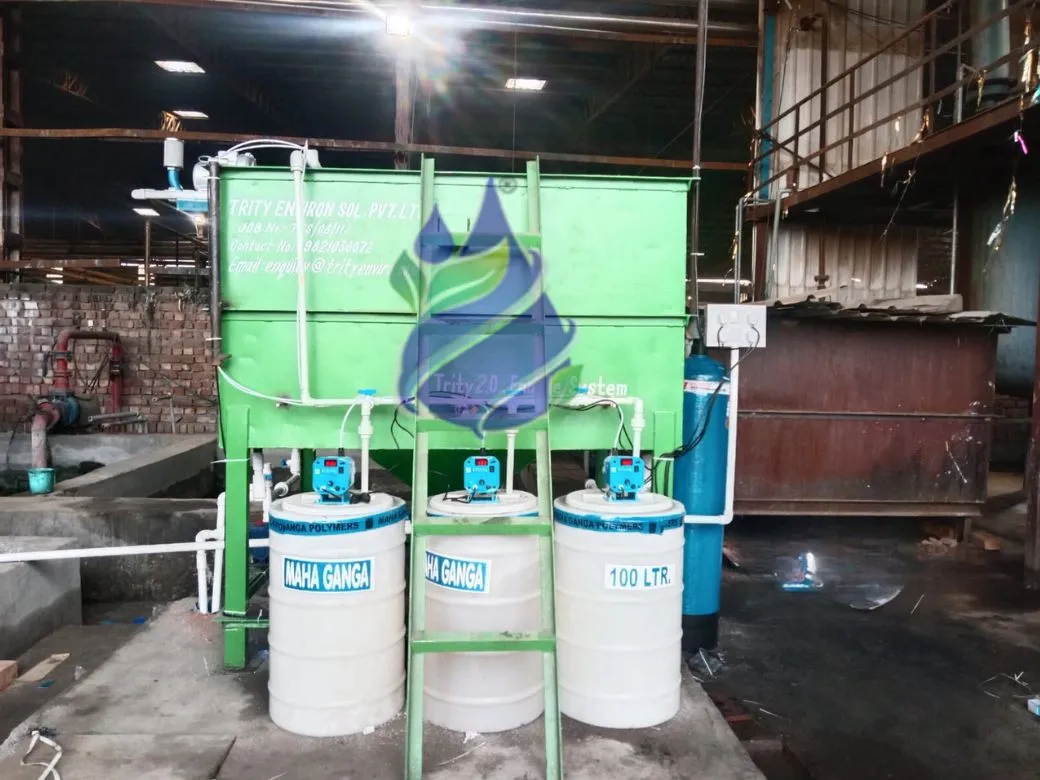
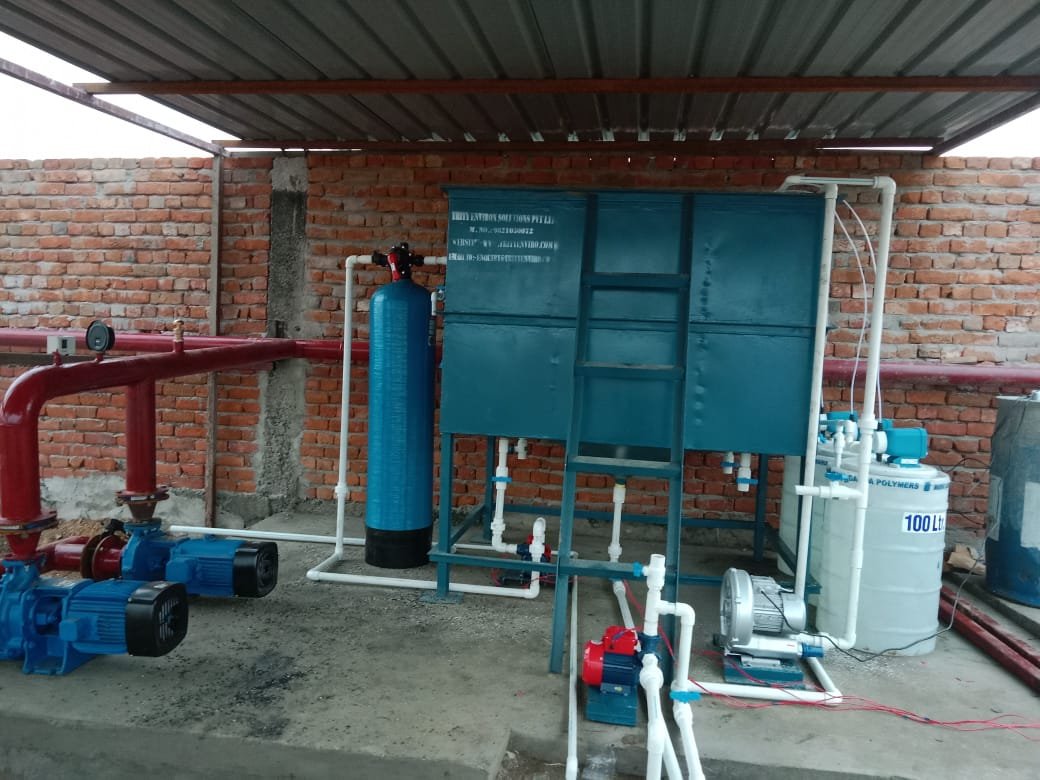
Trity Environ Solutions manufactures the full range of sewage treatment plant technologies covered in this guide — MBBR, SBR, MBR, FAB, SAFF, extended aeration, and packaged/containerized systems — so our recommendation is based on what actually fits your site rather than pushing a single fixed product line. Our engineering team sizes every plant around real occupancy and flow data, handles STP plant installation end to end, and backs every project with Annual Maintenance Contract and operation and maintenance support across India, so the plant you choose keeps meeting its design output and compliance standard for years, not just at commissioning. We are ISO 9001:2015 certified, QCI approved, and deliver CPCB-compliant engineering across residential, hospitality, healthcare, and industrial projects nationwide.
Get expert engineering advice on STP capacity sizing, technology selection, and complete plant design tailored to your site conditions.
Discover how biodegradable substances enhance soil fertility, reduce pollution, and contribute to ecosystem restoration for a healthier environment.

Learn how machine learning optimizes aeration in sewage treatment plants, cutting energy use, improving compliance, and supporting sustainability
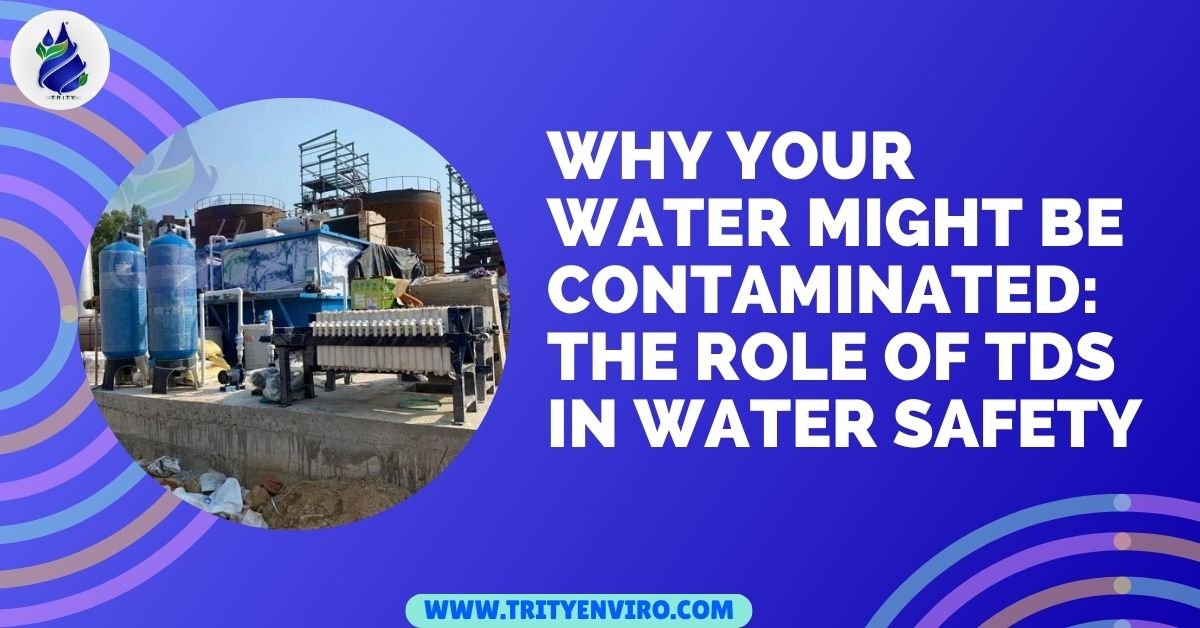
Learn how Total Dissolved Solids (TDS) affect water quality and safety. Understand TDS levels, risks, testing, and methods to ensure clean, safe water for your home.

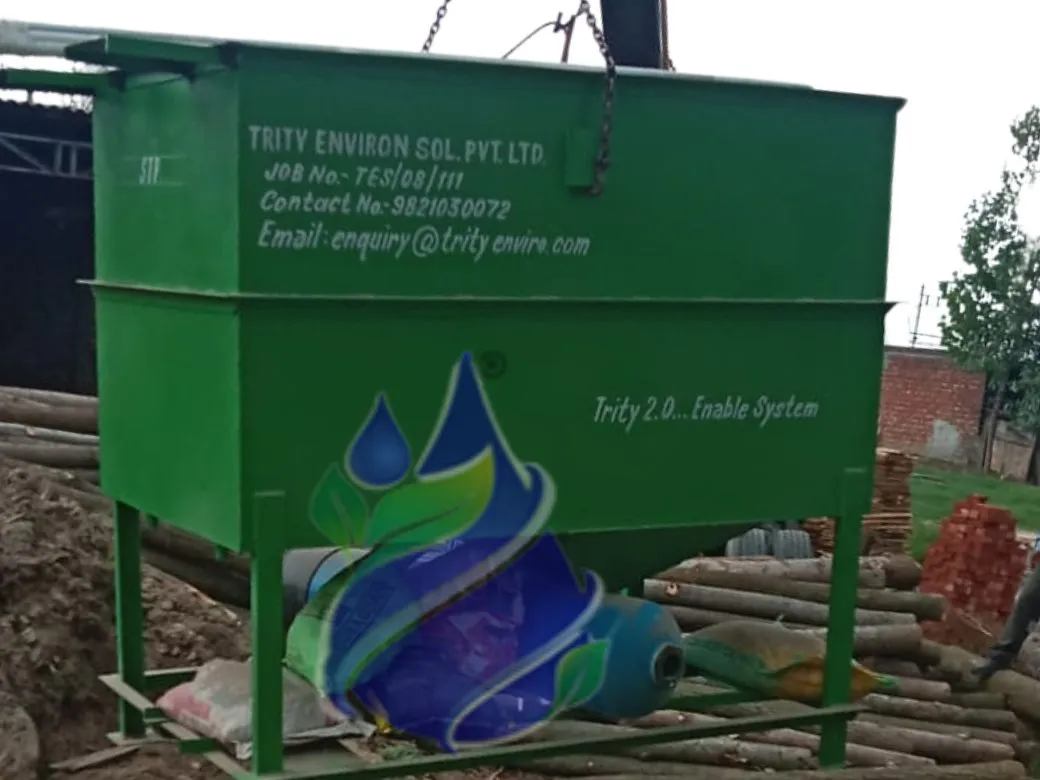



Discuss your requirements with our engineering team and get practical guidance for your project.