Dissolved Oxygen in Wastewater Treatment: Why Getting the Level Right Matters
Dissolved oxygen in wastewater treatment explained: the ideal 2-3 mg/L range, why treatment plants need less oxygen than rivers, and DO control methods.

 ISO 9001:2015 & QCI Approved
"Biodegradable" sounds like an automatically good word, but the same food scrap can end up helping the environment or actively harming it, depending entirely on whether it decomposes with oxygen or without it.

Biodegradable substances, organic waste that microorganisms can break down naturally, get discussed as an unambiguous environmental positive far more often than the full picture actually supports. The truth is more specific: the same food scrap, garden waste, or paper product can have a genuinely beneficial environmental outcome or a genuinely harmful one, and the difference comes down to exactly how it's processed, not whether it's "biodegradable" in the first place.
When biodegradable waste decomposes aerobically, with adequate oxygen present, the outcome is genuinely positive:
Beyond the direct soil benefit, properly composted biodegradable waste supports a broader sustainability shift:
The exact same biodegradable material, when buried in a landfill under anaerobic (oxygen-free) conditions, produces a dramatically different outcome:
Beyond the greenhouse gas concern, decomposing waste in a landfill generates a liquid byproduct with its own separate risk:
The deciding factor isn't the waste itself, it's the processing environment:
This is precisely why India's SWM Rules increasingly mandate wet waste segregation at source, since segregation is the single decision point that determines whether biodegradable waste gets a genuine chance at beneficial composting or simply becomes landfill methane instead.
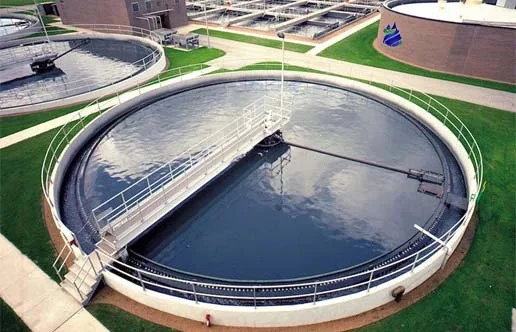
The same oxygen-dependent principle governing biodegradable solid waste applies directly to how sewage treatment plants handle organic sludge:
| Context | Processing Method | Environmental Outcome |
|---|---|---|
| Household/municipal food waste | Aerobic composting | Soil enrichment, reduced fertilizer dependence |
| Mixed waste sent to uncontrolled landfill | Anaerobic decomposition, uncaptured | Methane emissions, leachate contamination risk |
| Sewage sludge in a treatment plant | Controlled anaerobic digestion | Captured biogas for energy, reduced sludge volume |
| Agricultural organic waste | On-farm composting | Nutrient-rich soil amendment, reduced chemical fertilizer use |
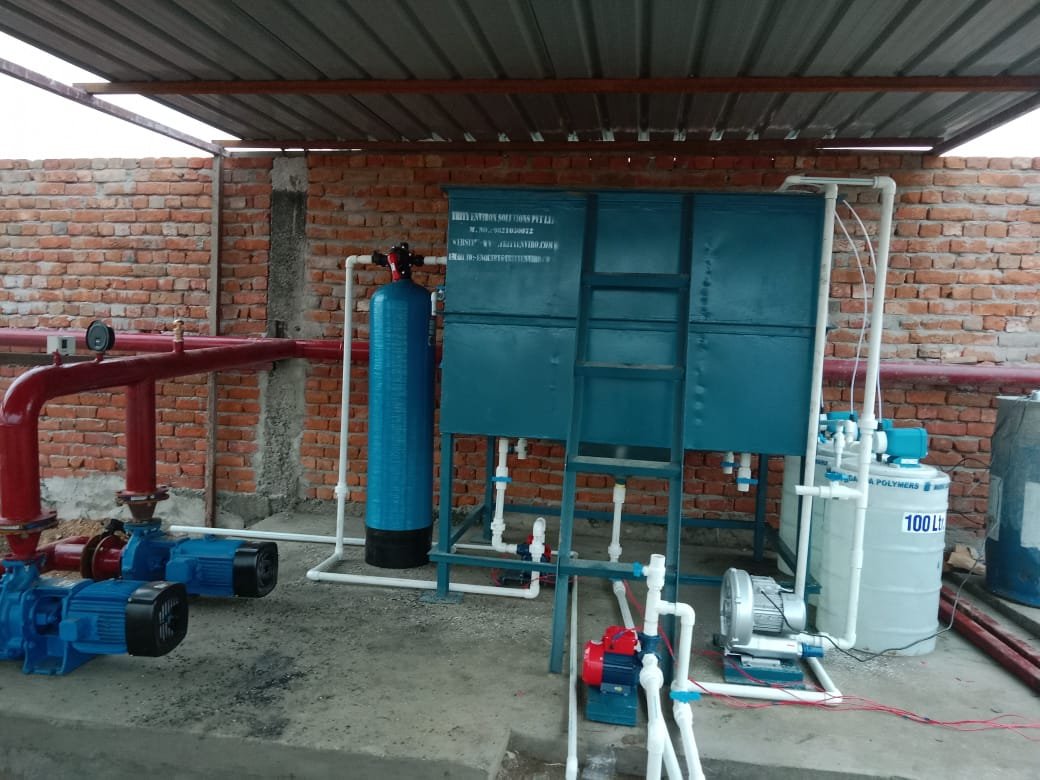
Trity Environ Solutions is an experienced sewage treatment plant manufacturer in India, and our engineering team designs biological treatment systems, including MBBR and extended aeration STPs, that capture biogas and minimize excess sludge as a genuine design priority, applying the same principle that determines whether biodegradable waste helps or harms the environment. As a trusted STP manufacturer and supplier, we help clients turn organic waste processing into a controlled, beneficial outcome rather than an uncontrolled emissions source.
Every installation is backed by pan-India Annual Maintenance Contract and Operation and Maintenance support. We are ISO 9001:2015 certified, QCI approved, and deliver CPCB-compliant engineering nationwide.
Speak directly with our environmental engineering specialists for biological treatment design, biogas recovery, or sludge dewatering solutions.
Request Free Engineering ConsultationCall: +91-9821030072 | Email: enquiry@trityenviro.com
Dissolved oxygen in wastewater treatment explained: the ideal 2-3 mg/L range, why treatment plants need less oxygen than rivers, and DO control methods.
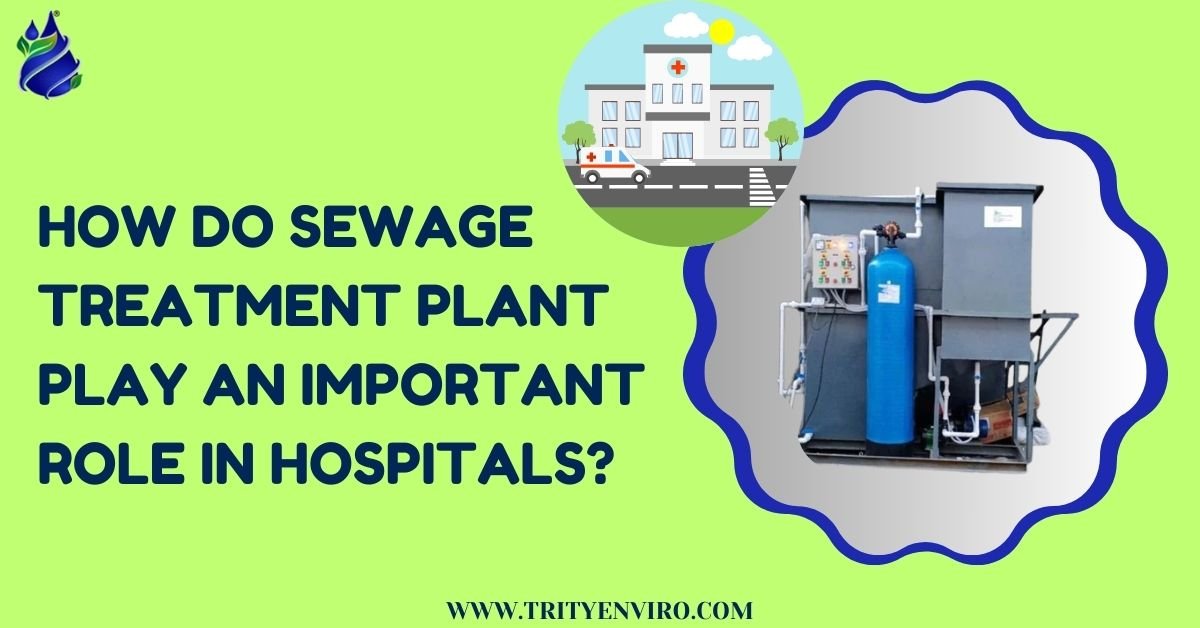
Learn how Sewage Treatment Plants in hospitals protect public health, ensure compliance with regulations, and contribute to water recycling and environmental sustainability.
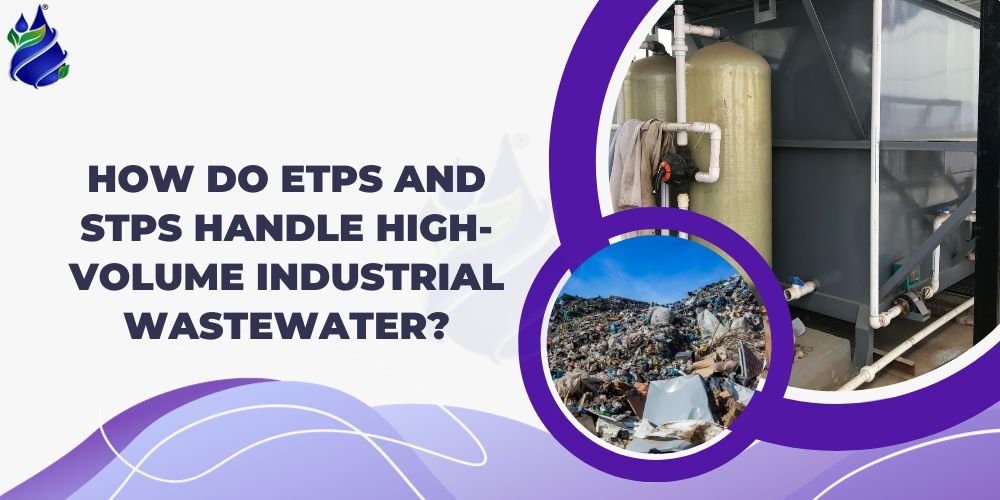
How ETPs and STPs manage extreme-volume industrial wastewater: equalization, advanced primary treatment, MBR, and modular scaling design.

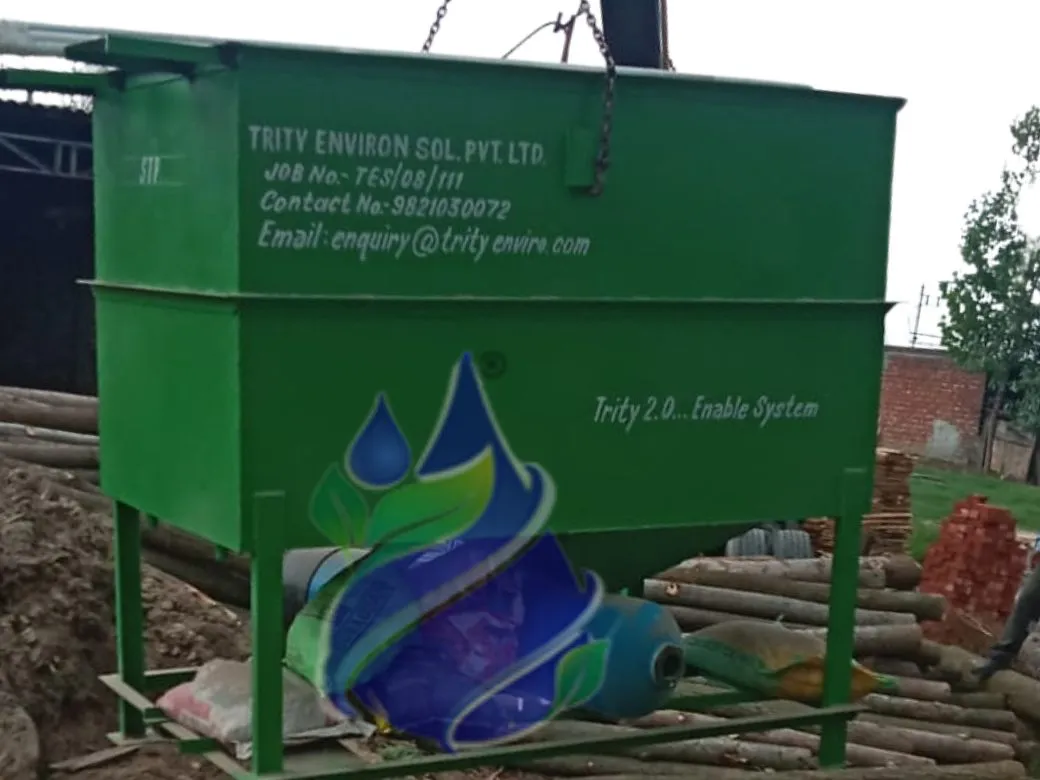
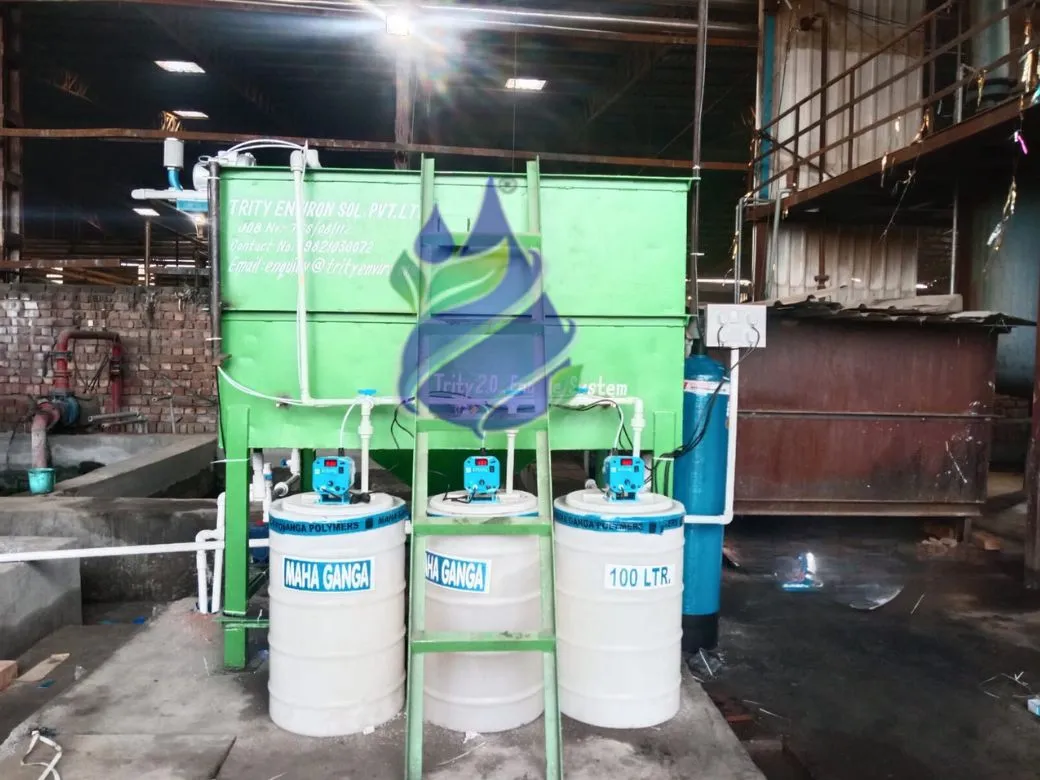



Discuss your requirements with our engineering team and get practical guidance for your project.