Energy Recovery from STP Sludge via Anaerobic Digestion
Discover how anaerobic digestion of STP sludge generates biogas, reduces waste, and supports clean energy in sustainable wastewater treatment systems.

 ISO 9001:2015 & QCI Approved
Our blog covers practical engineering topics for anyone planning or operating a Sewage Treatment Plant or Effluent Treatment Plant in India. You will find capacity calculation guides, technology comparisons like MBBR versus SBR versus MBR, industry specific treatment guides for pharma, textile and dairy effluent, and state wise pollution control board compliance requirements. These articles are written by our engineering team based on real project experience, not generic content, so you get information you can actually use when planning a plant or preparing for compliance.
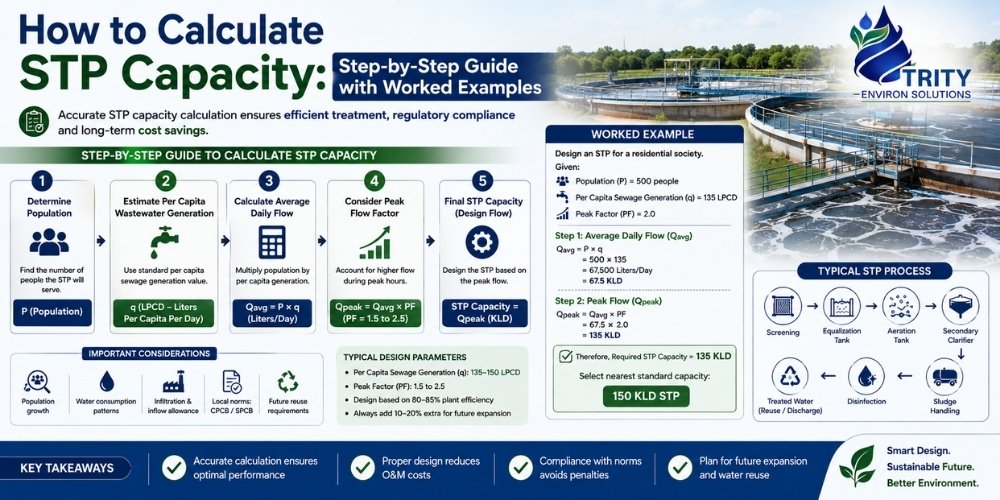
Calculate STP capacity correctly with worked examples for residential, hotel, hospital, and industrial projects. CPHEEO-based formulas, peak factors, and tank sizing explained.
Read Full Article
Discover how anaerobic digestion of STP sludge generates biogas, reduces waste, and supports clean energy in sustainable wastewater treatment systems.

Discover how membrane bioreactor systems enhance wastewater treatment, reduce sludge, and support water reuse with compact, high-efficiency technology.

Megacities face growing wastewater challenges. Innovative tech, strong policy, and public awareness are key to sustainable urban infrastructure solutions.
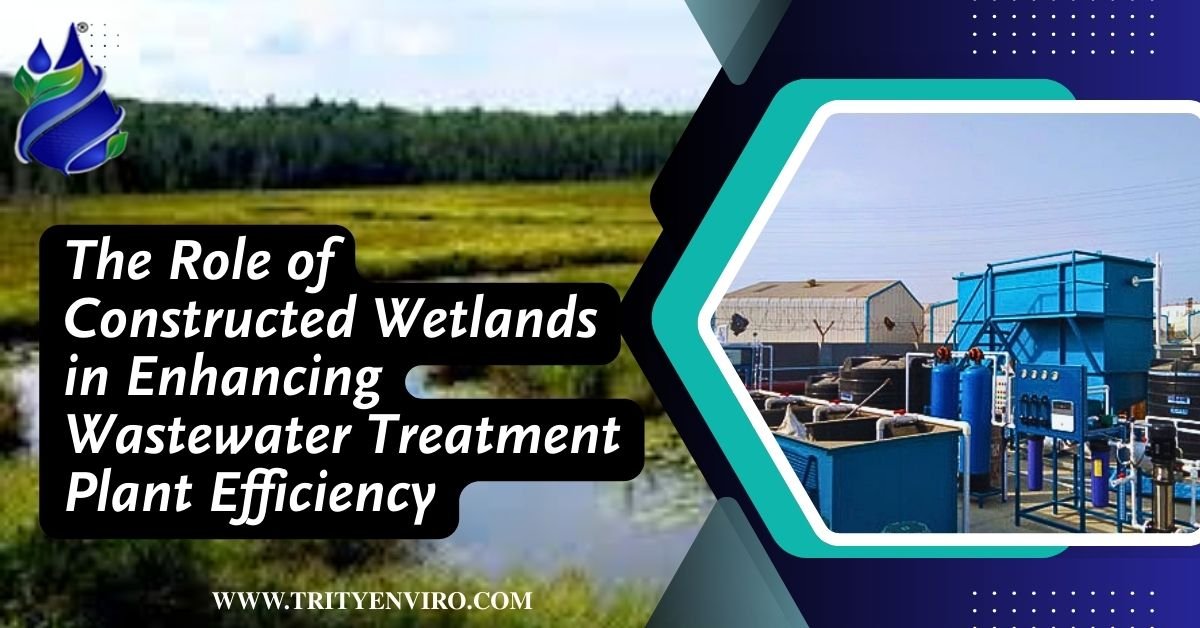
Explore how constructed wetlands improve wastewater treatment, cut costs, and boost plant efficiency with eco-friendly, sustainable solutions.

Compare septic systems and centralized wastewater treatment for efficiency, sustainability, and environmental impact to choose the best solution for your community.
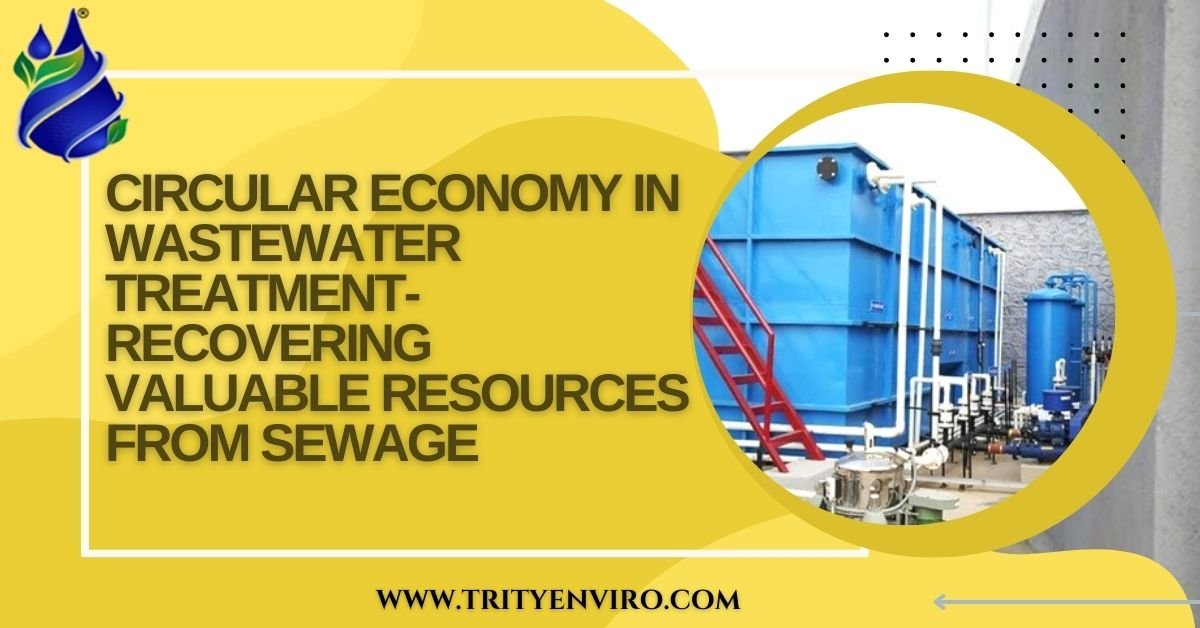
Discover how circular economy transforms wastewater into clean water, energy, and fertilizers—promoting sustainability, reducing waste, and saving resources.
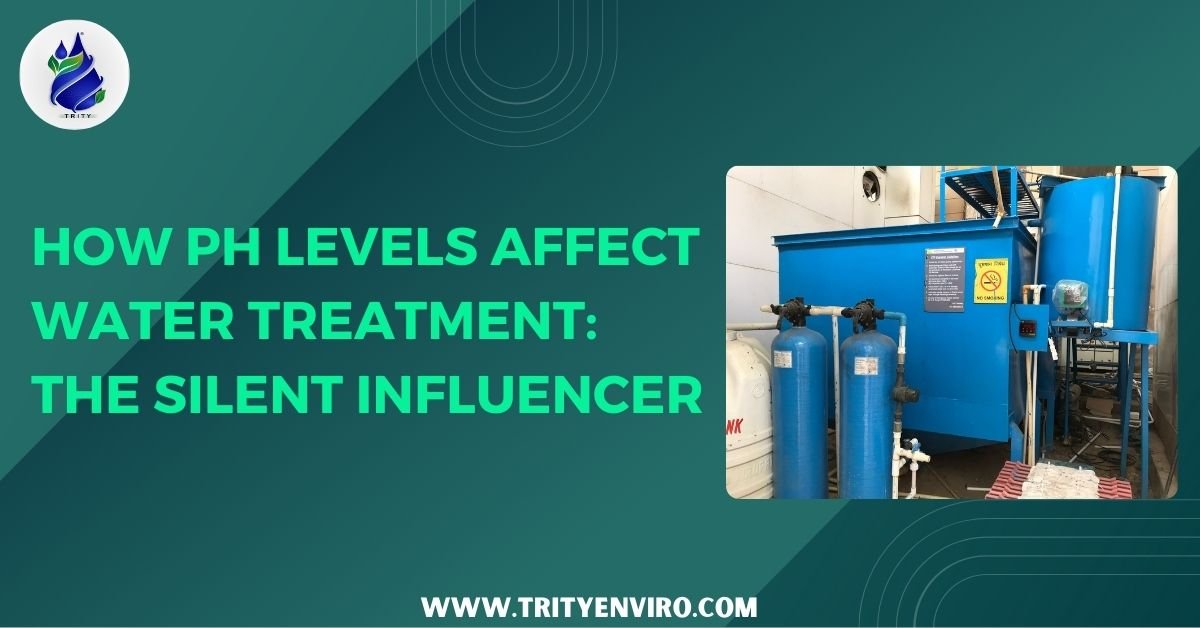
Learn how pH levels impact water treatment, filtration efficiency, corrosion, and disinfection, and why maintaining optimal pH balance is crucial for water quality.
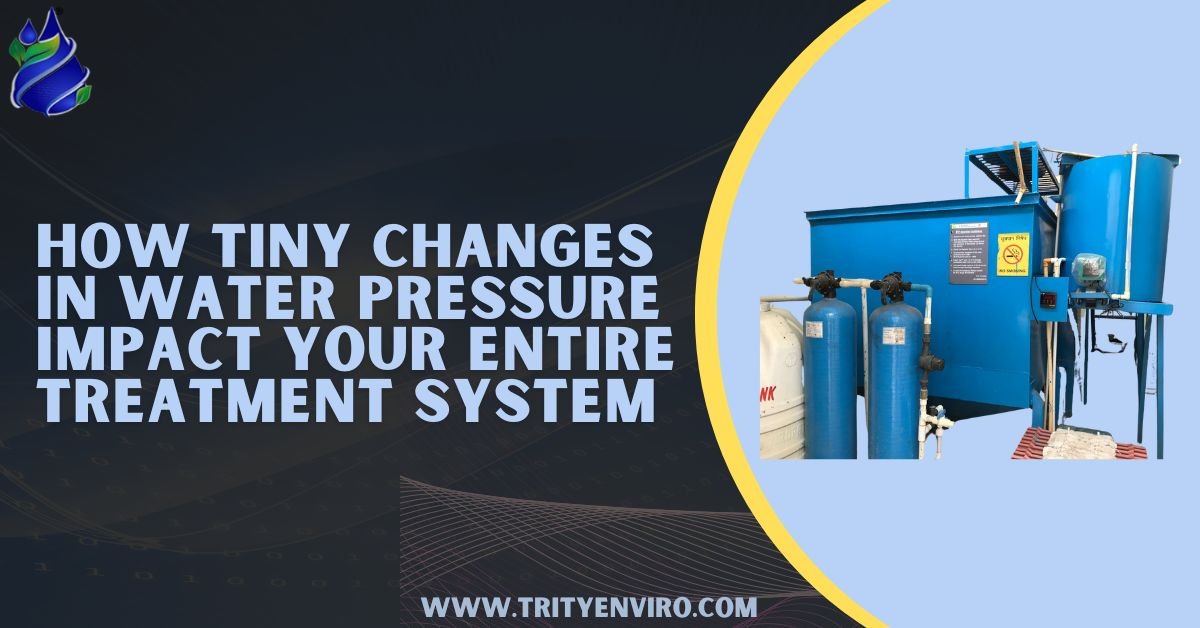
Learn how small changes in water pressure affect treatment systems, causing inefficiency, equipment wear, and poor water quality. Discover monitoring and regulation strategies.
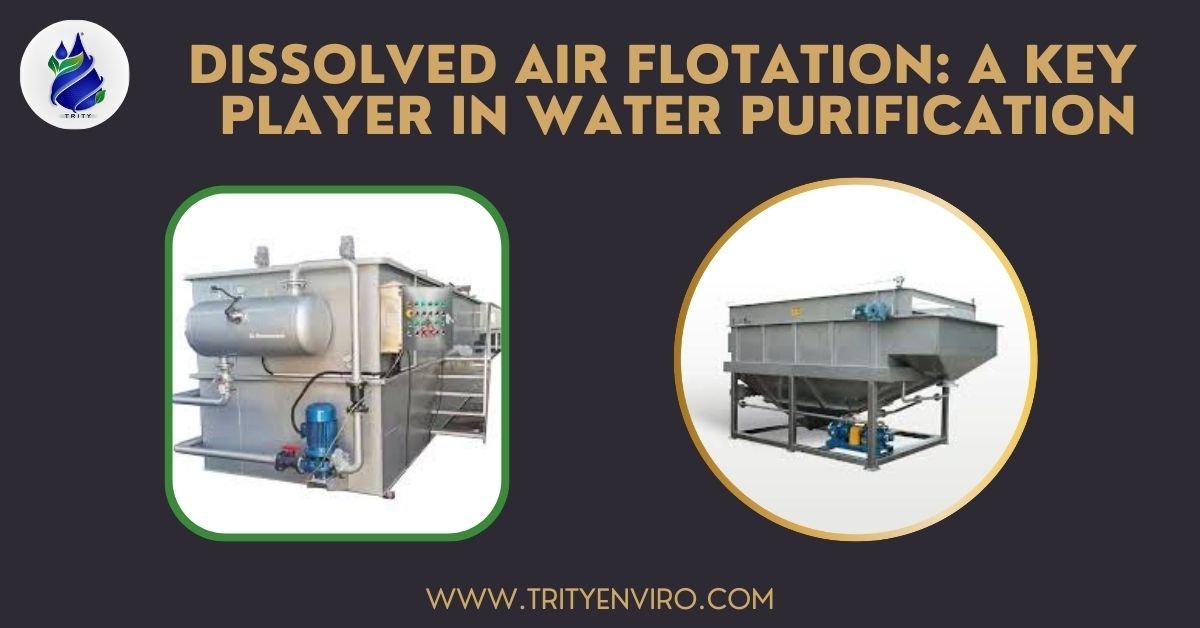
Dissolved Air Flotation (DAF) efficiently removes contaminants from water. Learn how DAF technology benefits water treatment with low energy, chemicals, and maintenance.

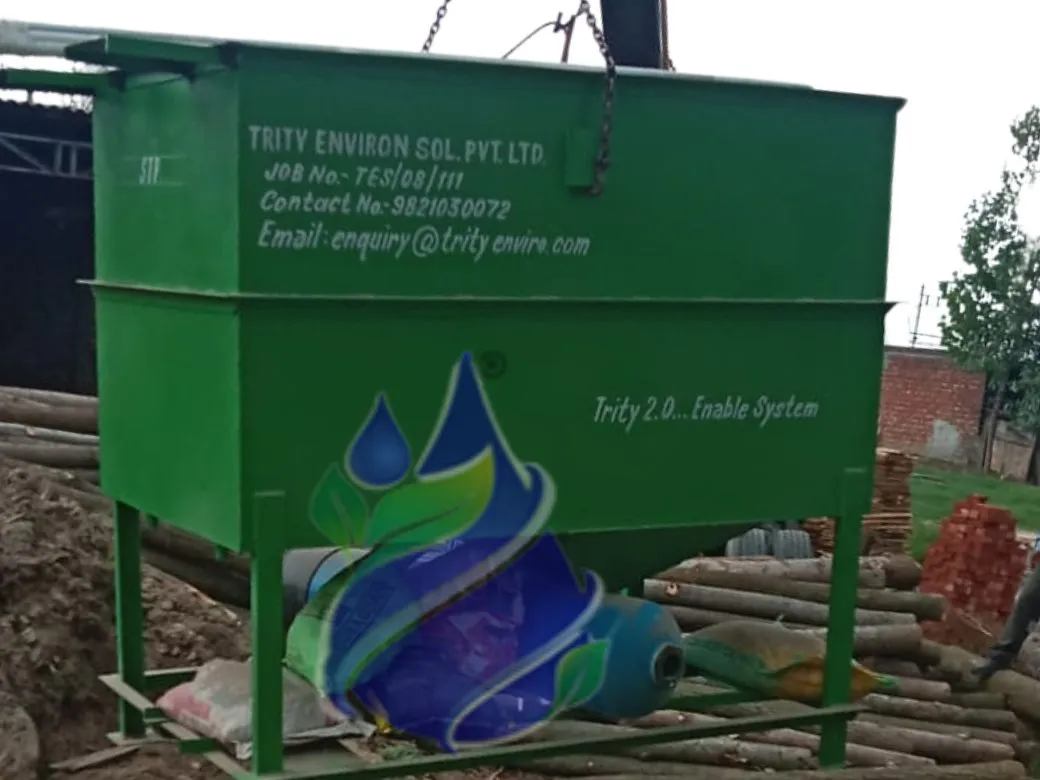
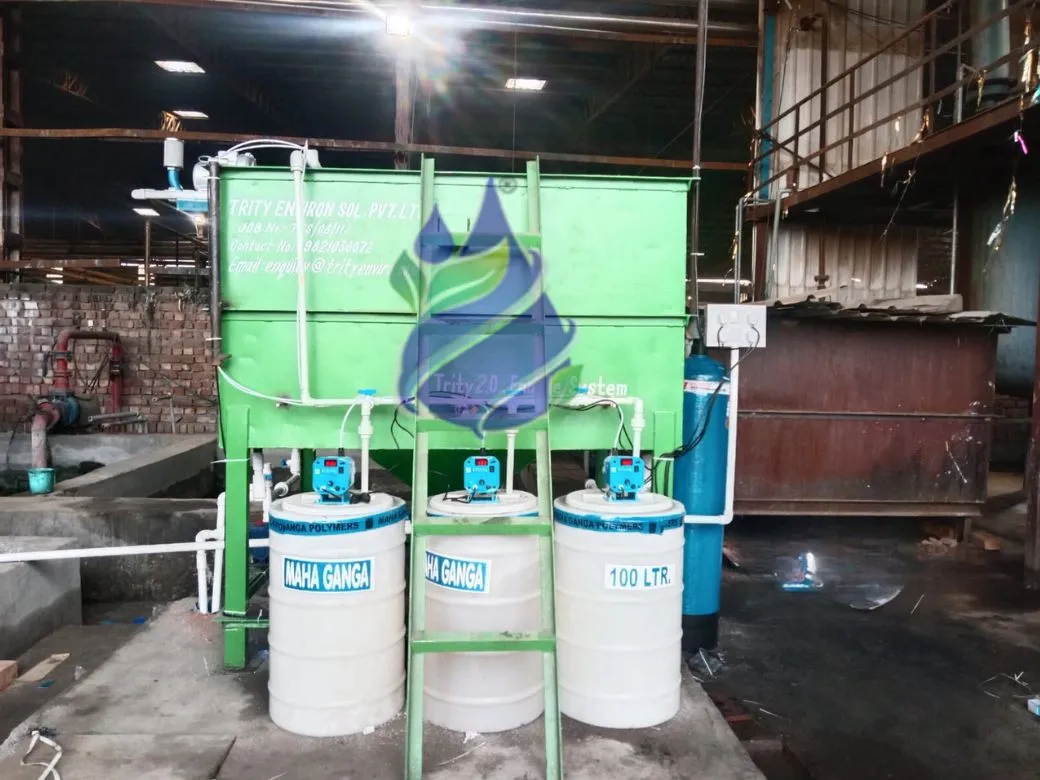



Discuss your requirements with our engineering team and get practical guidance for your project.