
Why Is RO a Sustainable Choice for Access to Clean Drinking Water?
An honest look at why RO supports sustainable drinking water access, its real trade-offs, and how modern design addresses reject water and energy use.

 ISO 9001:2015 & QCI Approved
Discover the key factors in designing efficient STPs for railway stations. Learn about capacity planning, integration with station infrastructure, technology selection, environmental considerations, and overcoming challenges in STP design.
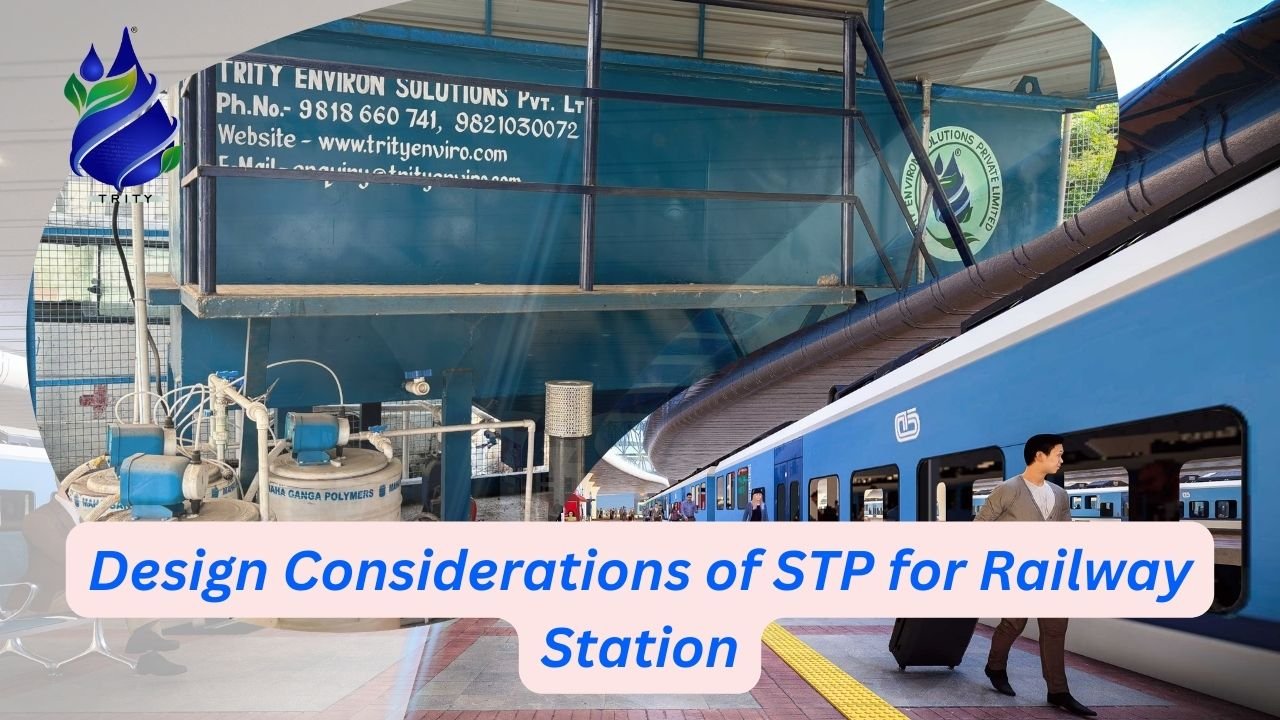
Several factors have to be considered when designing an STP for railway station in other to achieve high performance. To assess wastewater generation, engineers need to weigh the daily traffic of the station prominently. The system should be effective in managing with the high loads at a particular point in time on STP. The kind of wastewater produced will determine the right treatment processes that the designers need to select from. STP has to be accommodated within the contingent of actual station platforms and space without significantly interfering with the stream of the passengers.
Energy efficiency and operation costs can be very useful in ensuring that the long-term maintenance costs are kept at a bay. Environmental standards also make their contribution to the creation of designs, taking into account the requirements of the laws of the country. Proper management of waste material classified as sludge is essential for improving health and hygiene. In summary, the aspect of the design should match the functions of the building and, at the same time, be sustainable as well as should not be expensive.
STPs in railway stations may require increased capacity to handle fluctuating wastewater volumes efficiently. The planners must forecast the population of the station to enable them to establish the capacity of the plant. The best approach to managing workload during full capacity is accurate passenger projections to prevent the situation. Designers also take into account wastewater produced from shop, restaurants and offices in the station. This is achieved through including what they call safety margins in their working capacity estimates according to the operations research students.
Optimum sized STPs do not cause operational interruptions and do not consume a significant amount of energy. It should be possible to produce the necessary amount of energy in the capacity of the plant that responds to the present and future increases in the passenger traffic. Continuous monitoring helps adjust oversupply mechanisms to fluctuating demand effectively. Capacity planning is well calculated and ensures that the set standards are met bearing in mind the aspects of the environment.
Engineers emphasize environmental and regulatory factors in constructing STPs for railway stations. There is need for the designers to make sure that the STP adheres to the existing environmental laws and policies. The plant should treat wastewater to means that will not have a serious adverse effect on the environment. Discharge to a water body cannot pollute the water, water receiving stream or other water receiving media.
To achieve the primary objective of decreasing the ecological impact of the station designers use stimulative sustainable measures. They consider air and noise pollution control norms to ensure the STP meets standards. Effectively managing sludge will go a long way in ensuring that we do not spoil the environment. Such constant supervision and reporting help keep abreast with the regulations a company has to meet. Legal and physical environmental factors guarantee secure and environmentally friendly operations.
Designing STPs for railway stations seems to pose some special difficulties that need to be solved in some ways. Space limits the plant size, so we use compact technologies like the MBT. Variability of the amount of wastewater depends on the number of visitors; therefore, flexibility in capacity is desirable. Reduction of noise and nuisance smells are important in bearing the comfortability that passengers require.
Engineers avoid these difficulties by using engineering procedures such as soundproofing and high-tech Odor control measures. Integrating such a station is not easy due to its layout, so proper positioning of the STP is necessary. High standards in environmental regulations require companies to apply and use the necessary treatment technology. Often maintenance is required for building long-term durability in terms of its durability and dependability. Successful strategies aim at the achievement of both business and environmental objectives of the STP.
When designing railway station STPs, engineers consider functionality, sustainability, and cost. Proper capacity and system integration and good choice of the technological solutions facilitate the proper functioning of the system. Integrated smaller and effective systems reflect the availability of space and also the requirements on the environment. State-of-the-art engineering techniques effectively manage wastewater loads, noise, and Odors, which are typical challenges. Thus, stressing the necessity of durability, engineers qualify the elements for constant maintenance to provide stable work. Efficient STP designs offer business and environmental benefits, providing passenger comfort with minimal disruptions.
At Trity Environ Solutions, based in Noida, we take pride in crafting high-quality wastewater treatment systems. Whether you need an industrial or commercial RO plant, a sewage treatment plant, a water softener, or an effluent treatment system, we’ve got you covered. Our team combines years of experience with the latest technology to build efficient, reliable treatment plants. If you’re looking to set up a treatment plant or an RO system that meets your specific needs, feel free to reach out to us at 9821030072 or drop us an email at enquiry@trityenviro.com. We're here to help!
An honest look at why RO supports sustainable drinking water access, its real trade-offs, and how modern design addresses reject water and energy use.

Wastewater treatment plants help fight antibiotic resistance by filtering out pharmaceutical residues, reducing contamination, and preventing harmful bacteria from spreading.
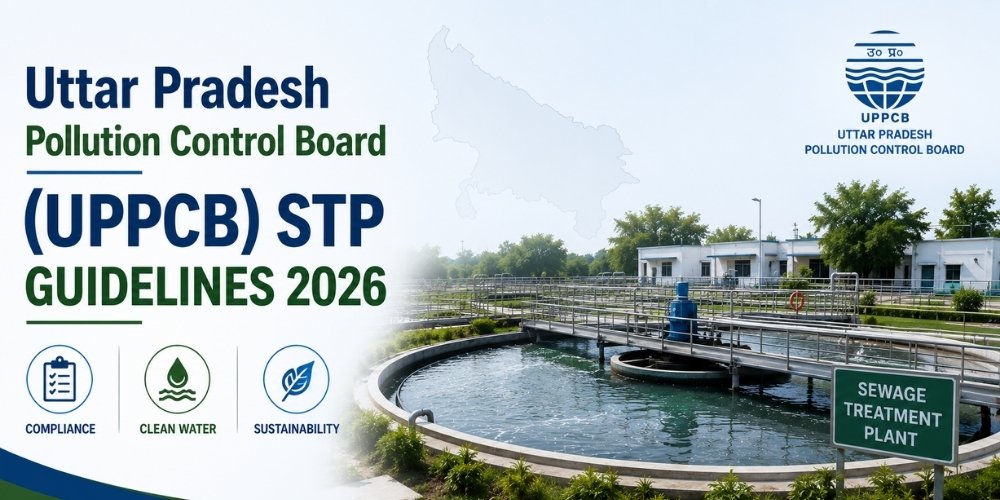
A guide to UPPCB's sewage treatment plant requirements in Uttar Pradesh, covering discharge norms, mandatory installation rules, and compliance steps.

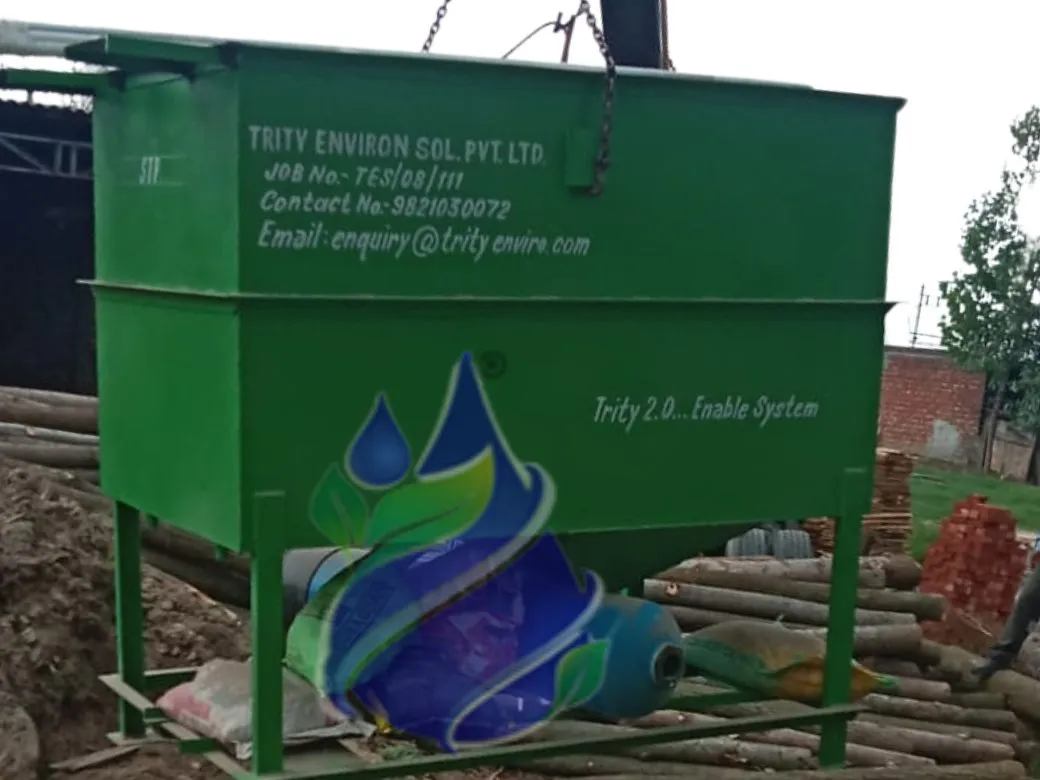
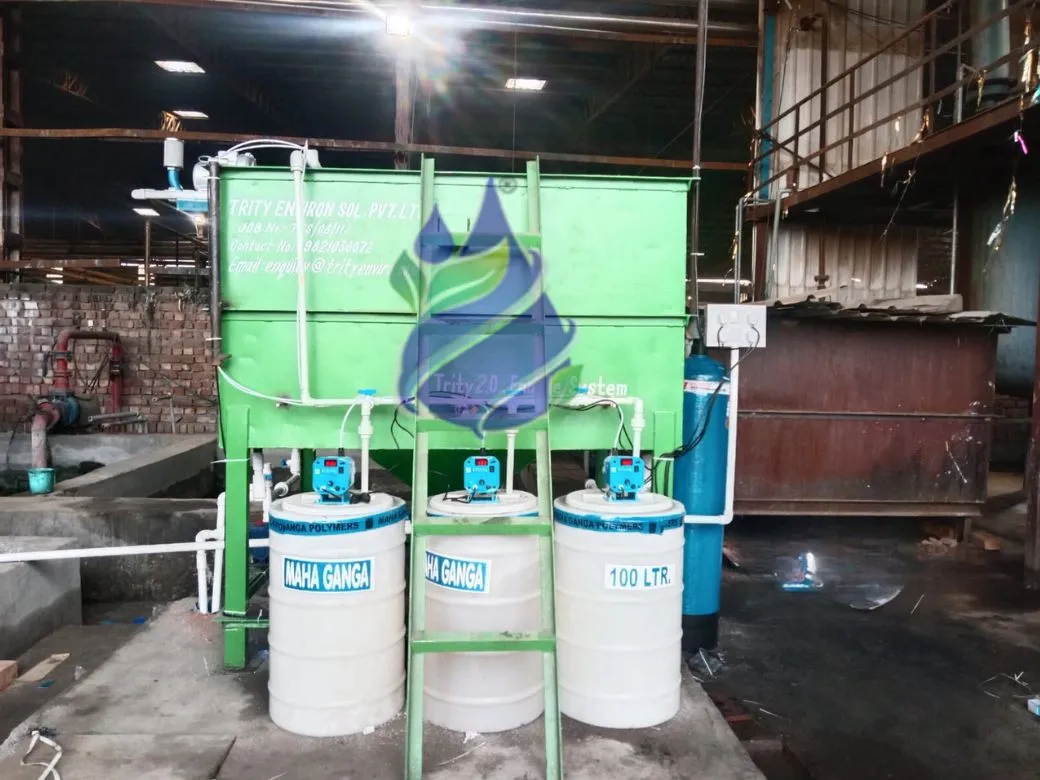



Discuss your requirements with our engineering team and get practical guidance for your project.