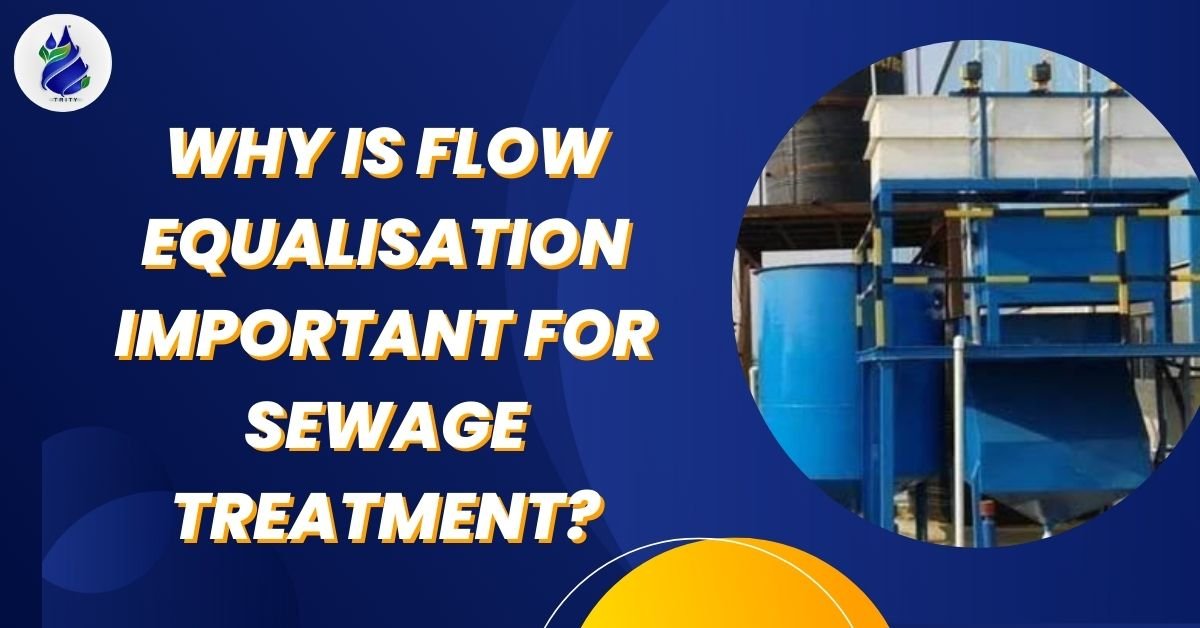
Why Is Flow Equalisation Important for Sewage Treatment?
Discover why flow equalisation is crucial for efficient sewage treatment. It regulates wastewater flow, prevents overloads, and enhances environmental protection.

 ISO 9001:2015 & QCI Approved
Using treated wastewater for irrigation alone reduced greenhouse gas emissions by an estimated 1.3 million tonnes in a single year. Sewage treatment delivers benefits that go well beyond simply avoiding a fine.
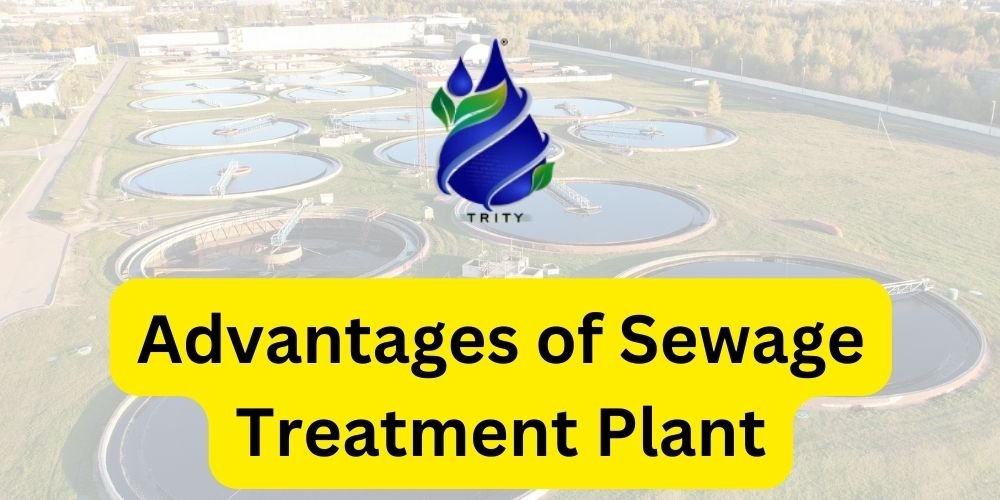
Untreated sewage carries suspended solids, organic matter, nutrients like nitrogen and phosphorus, and pathogens directly into rivers, lakes, or groundwater:
The difference between a single well-treated discharge point and years of consistent, reliable treatment is significant. A water body can often recover from occasional pollution events given enough time, but sustained untreated discharge steadily degrades sediment quality, biodiversity, and overall ecosystem resilience in ways that become far harder to reverse the longer they continue.
Treated wastewater is a genuine alternative water source, not just a discharge that has been made safe:
Raw sewage carries bacteria, viruses, and parasites capable of causing serious illness, including cholera, typhoid, and hepatitis:
Sewage treatment isn't purely an expense; it generates real, quantifiable savings over time:
The cleanup-cost comparison deserves particular attention, since it's easy to underweight when evaluating a treatment investment purely against its upfront price. Remediating a polluted water body, once contamination has been allowed to accumulate over years of inadequate treatment, routinely costs many times more than the treatment infrastructure that would have prevented the damage, a pattern documented across major river cleanup programs where reactive spending has dwarfed what proactive treatment investment would have required.
Beyond the plant's core treatment function, a sewage treatment facility has broader local economic effects:
Sludge, an unavoidable byproduct of sewage treatment, is itself a genuine energy resource:
The nitrogen and phosphorus that make untreated sewage harmful to water bodies become valuable inputs once recovered properly:
Beyond the broader environmental and economic case, sewage treatment plants offer practical, day-to-day advantages that matter to whoever operates one:
These practical factors matter more than they might initially appear, since they directly affect how quickly a facility owner sees the plant delivering value. A system that's straightforward to install and reliable to operate reaches its full environmental, health, and economic potential within its first year, while a poorly chosen or badly installed system can spend years underperforming before those advantages materialize, if they ever fully do.
What separates a genuinely well-designed sewage treatment investment from a merely compliant one is that these advantages reinforce each other rather than operating in isolation. A plant that reliably prevents water pollution also protects public health downstream. A plant that recovers biogas and nutrients directly improves its own economic case, offsetting operating cost with resource value rather than treating every input as a pure expense. Facility owners and municipalities evaluating a new STP investment get the strongest return by designing for all four advantage categories together from the outset, rather than treating environmental compliance, public health protection, economic return, and resource recovery as separate, competing priorities to trade off against each other.
| Advantage Category | Direct Benefit | Who Benefits Most |
|---|---|---|
| Environmental | Pollution prevention, water reuse | Municipalities, industries near sensitive water bodies |
| Public health | Reduced waterborne disease risk | Dense urban populations, communities near water sources |
| Economic | Cost savings, job creation, property value | Municipalities, facility owners, local economies |
| Resource recovery | Biogas energy, nutrient/fertilizer recovery | Large facilities with significant sludge volume |
Trity Environ Solutions is an experienced sewage treatment plant manufacturer in India, and our engineering team designs STPs that deliver on all four advantage categories, environmental, public health, economic, and resource recovery, rather than a system built only to meet minimum discharge compliance. As a trusted STP manufacturer and supplier, we help clients understand the full return their treatment investment can genuinely deliver.
Every installation is backed by pan-India Annual Maintenance Contract and operation and maintenance support. We are ISO 9001:2015 certified, QCI approved, and deliver CPCB-compliant engineering nationwide.
Considering a sewage treatment plant for your property or facility? Call +91-9821030072 or email enquiry@trityenviro.com, or request a free consultation from our engineering team.
Preventing water pollution by removing suspended solids, organic matter, nutrients, and pathogens before discharge is the core environmental advantage, though water reuse for irrigation and industrial purposes adds a significant additional benefit, estimated to have reduced greenhouse gas emissions by 1.3 million tonnes in 2021 through irrigation reuse alone.
Yes. Direct savings come from reduced fresh water procurement and avoided pollution cleanup costs, while broader economic effects include job creation from plant operation and increased property values in areas with properly managed treatment infrastructure.
Sewage treatment removes bacteria, viruses, and parasites responsible for diseases like cholera, typhoid, and hepatitis before water re-enters the environment or gets reused, directly reducing disease transmission risk in the surrounding community.
Sludge processed through anaerobic digestion generates methane-rich biogas that can be converted to electricity, heat, or vehicle fuel, while recovered nitrogen and phosphorus can be processed into agricultural fertilizer, reducing dependence on chemical fertilizer production.
Not necessarily. Modern technologies like MBBR and MBR occupy meaningfully less space than older conventional designs, and many packaged systems install with minimal on-site civil construction, making STPs viable even on space-constrained sites.
Discover why flow equalisation is crucial for efficient sewage treatment. It regulates wastewater flow, prevents overloads, and enhances environmental protection.
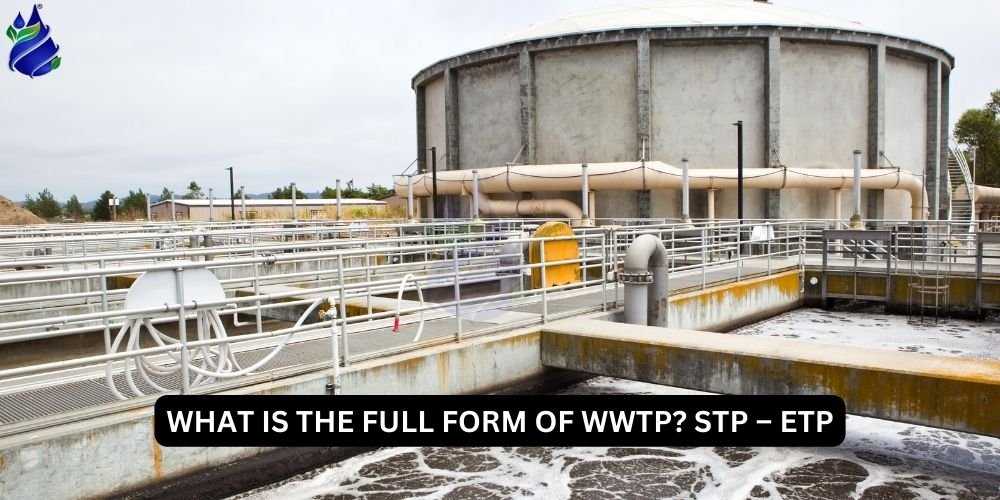
WWTP, STP, and ETP full forms explained with real CPCB data on how many exist in India, and which term actually applies to your project.
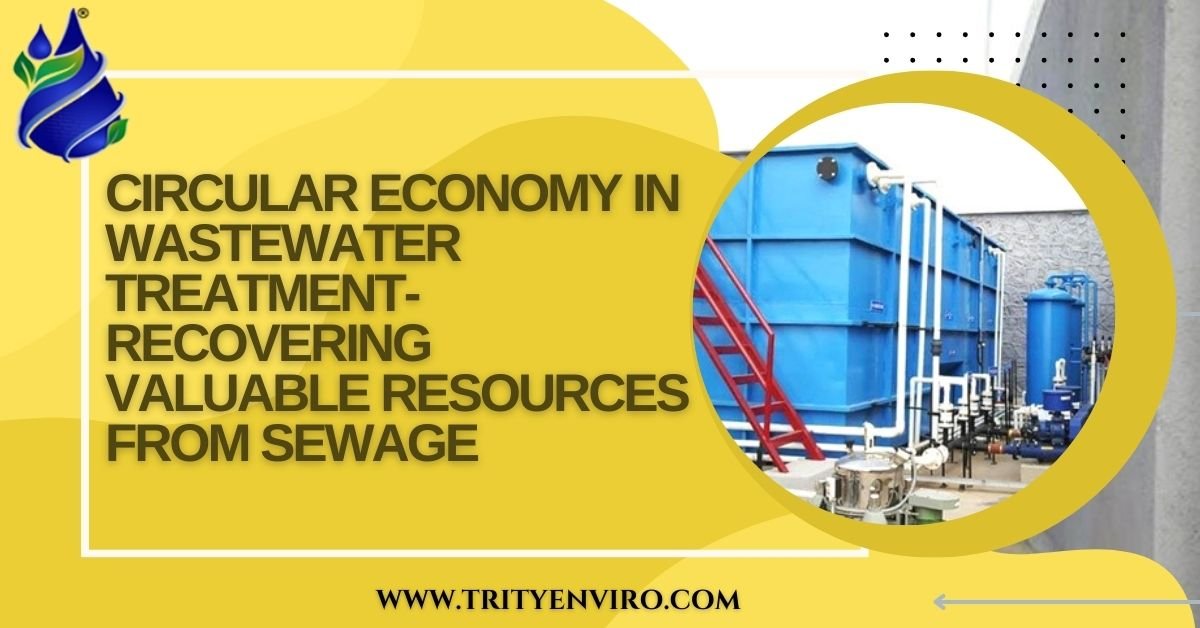
Discover how circular economy transforms wastewater into clean water, energy, and fertilizers—promoting sustainability, reducing waste, and saving resources.











Discuss your requirements with our engineering team and get practical guidance for your project.

