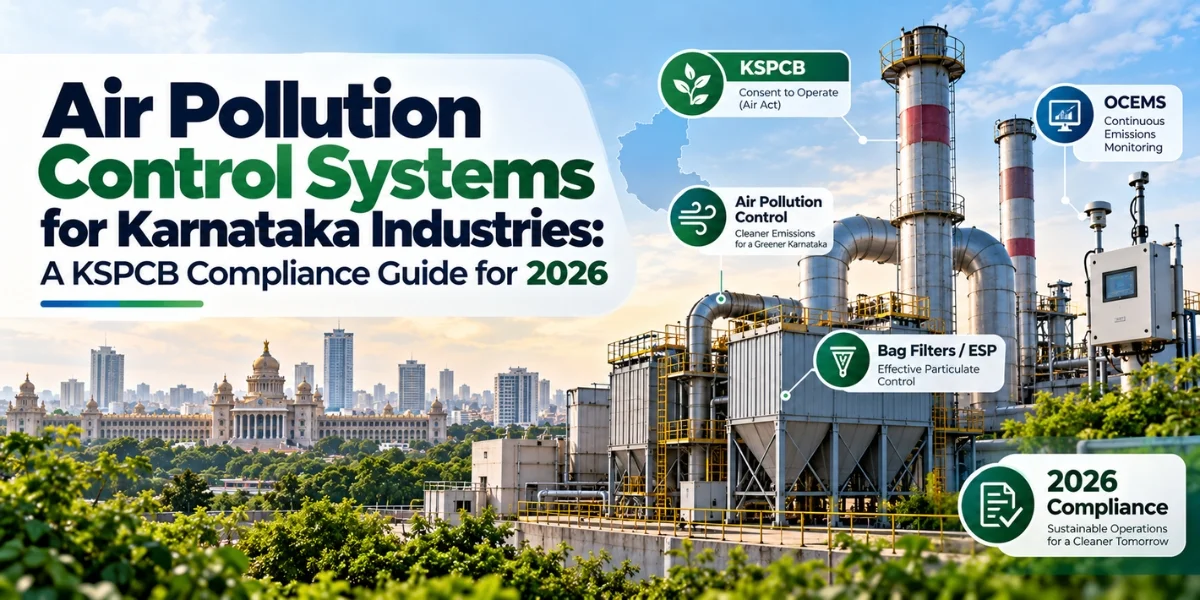
Air Pollution Control Systems for Karnataka Industries: A KSPCB Compliance Guide for 2026
Plan air pollution control for your Karnataka unit: KSPCB consent limits, DG set retrofits, bag filters, scrubbers, monitoring and upgrade costs explained.

 ISO 9001:2015 & QCI Approved
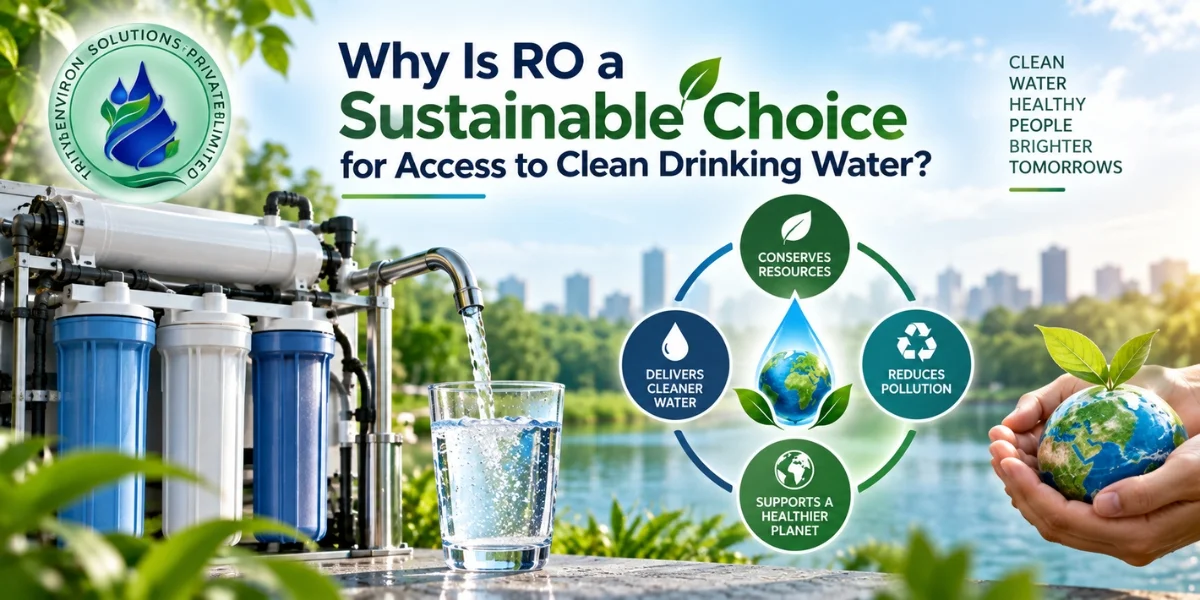
RO is often marketed as an unqualified green solution, but a genuinely useful answer means looking at both sides: where it clearly reduces environmental impact, and where it comes with real costs that good design needs to address.
Speak directly with our senior environmental engineers for technical guidance, sizing calculations, or a tailored project proposal.
Call +91-9821030072 or email enquiry@trityenviro.com
Basic, unoptimized RO systems can waste up to 4 litres for every 1 litre of purified water produced, but this ratio is not fixed. Modern reject recovery configurations can reduce this water waste by up to 80% compared to a basic system.
It depends heavily on the water source. Treating fresh or brackish water typically consumes 0.37-0.48 kWh per cubic metre, while seawater RO desalination requires considerably more, often around 2.5 kWh per cubic metre, due to the higher pressure needed to overcome seawater's osmotic pressure.
RO displaces the need for bottled water, which carries a substantial environmental footprint from plastic production, transportation, and disposal. This is one of RO's clearest and most significant sustainability benefits.
Reject recovery systems reduce wasted water by recovering additional permeate from the reject stream, while energy recovery devices capture pressure energy from reject brine to help pressurize incoming feed water, both meaningfully improving RO's overall efficiency and sustainability profile.
Yes, some RO installations, particularly larger desalination projects, are paired with renewable energy sources like wind power, with documented projects sourcing upward of 15% of total plant energy demand from on-site renewable generation.
Plan air pollution control for your Karnataka unit: KSPCB consent limits, DG set retrofits, bag filters, scrubbers, monitoring and upgrade costs explained.
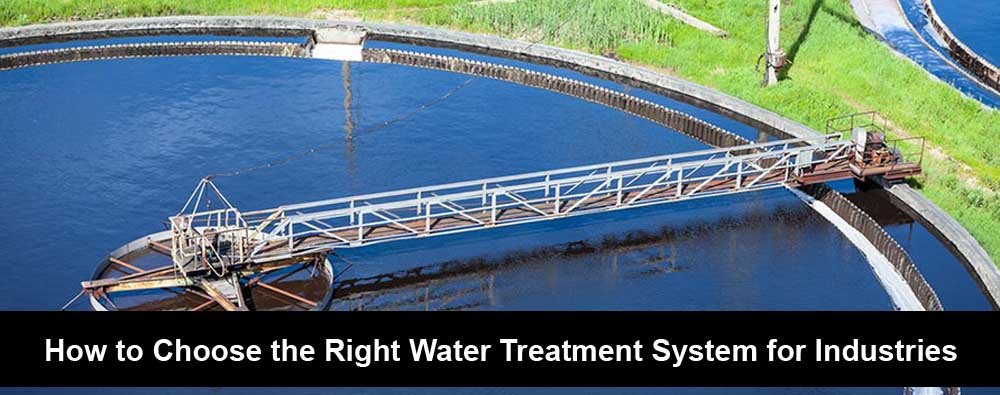
Learn how to choose the right STP, ETP, or RO plant for your industry in India, covering CPCB/SPCB compliance, sizing, and cost. Get expert guidance.
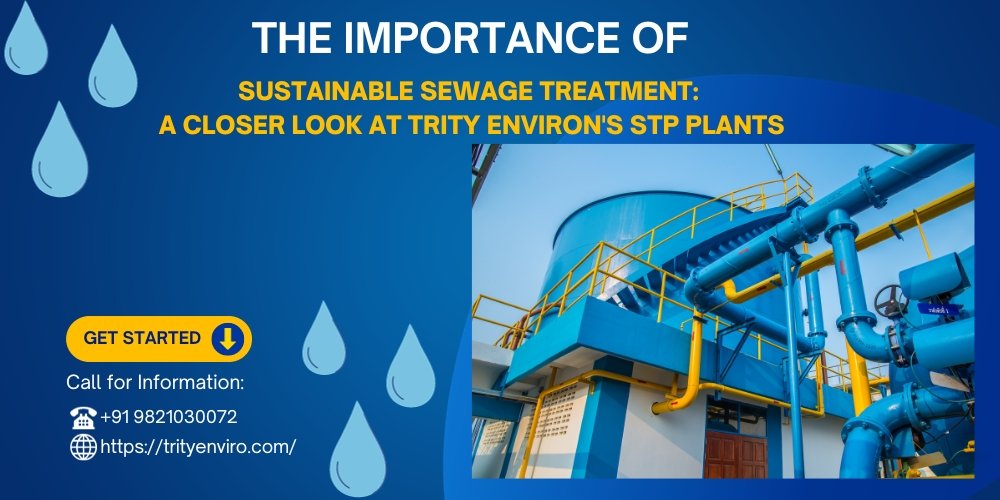
Sustainable sewage treatment goes beyond basic discharge compliance. Learn what actually makes an STP sustainable, from energy recovery to water reuse, and why it matters.











Discuss your requirements with our engineering team and get practical guidance for your project.

