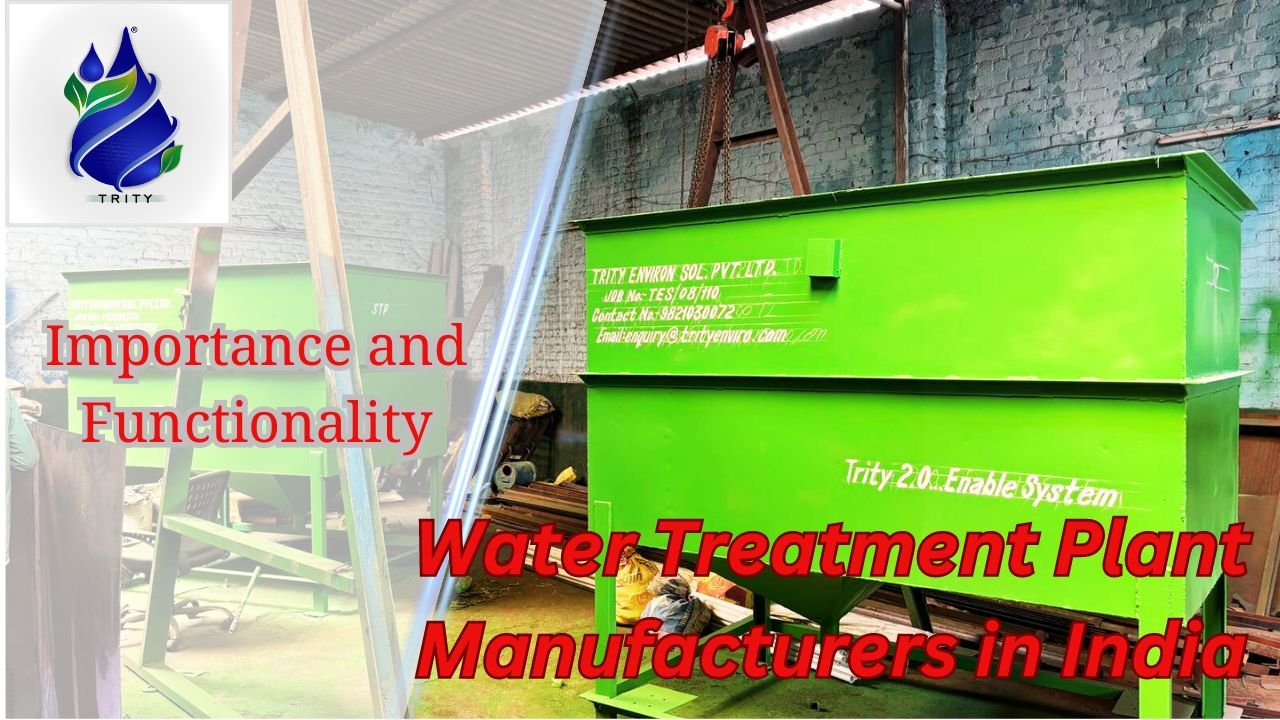
Why Water Treatment Plants Are the Backbone of India's Public Health Infrastructure
Why water treatment plants matter in India, how they work, real Jal Jeevan Mission and AMRUT 2.0 data, and the contamination challenges still unresolved.

 ISO 9001:2015 & QCI Approved
UV disinfection is often described simply as "using light to kill germs," but getting it to actually work reliably in wastewater depends on dose, water clarity, and a repair mechanism most guides never mention.

Speak directly with our senior environmental engineers for technical guidance, sizing calculations, or a tailored project proposal.
Call +91-9821030072 or email enquiry@trityenviro.com
UV disinfection uses light concentrated around 254 nanometres to damage the DNA and RNA inside bacteria, viruses, and protozoa, preventing them from reproducing, which is functionally equivalent to inactivation even without physically destroying the organism.
Requirements vary by pathogen: bacteria typically need 2-10 mJ/cm2, viruses need 20-60 mJ/cm2 (adenovirus can need 100+ mJ/cm2), and protozoa are comparatively UV-sensitive. Most municipal systems target a minimum of around 40 mJ/cm2 to cover this full range effectively.
Yes, certain bacteria possess repair mechanisms called photoreactivation and dark repair that can reverse UV-induced DNA damage, particularly at lower doses below 30 mJ/cm2. This is why higher design doses and sometimes a supplementary chlorine residual are used to prevent regrowth.
Yes, significantly. Suspended solids and turbidity shield microorganisms from UV exposure, allowing them to pass through under-treated even in a well-designed reactor, which is why adequate upstream filtration is essential for reliable UV performance.
UV avoids chemical residuals and disinfection byproducts and acts almost instantly, but it lacks chlorine's lingering residual protection against pathogen regrowth. Many facilities use both methods together to get the benefits of each.
Why water treatment plants matter in India, how they work, real Jal Jeevan Mission and AMRUT 2.0 data, and the contamination challenges still unresolved.
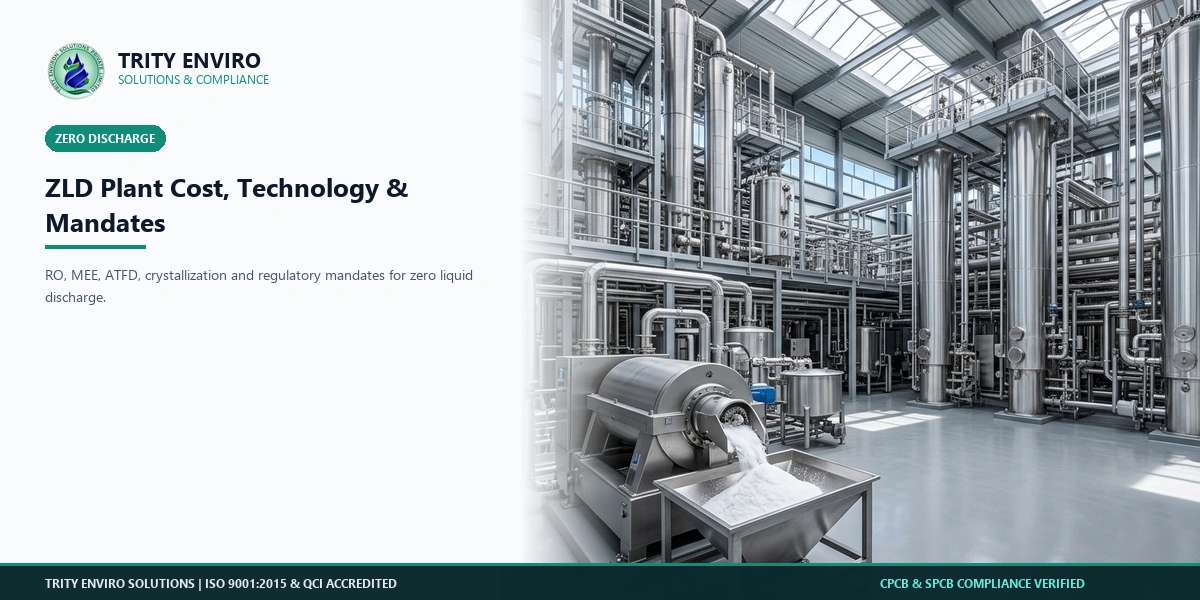
Zero liquid discharge explained: which Indian sectors face ZLD mandates, how RO, MEE and ATFD work, mass balance example, cost drivers and when to avoid it.
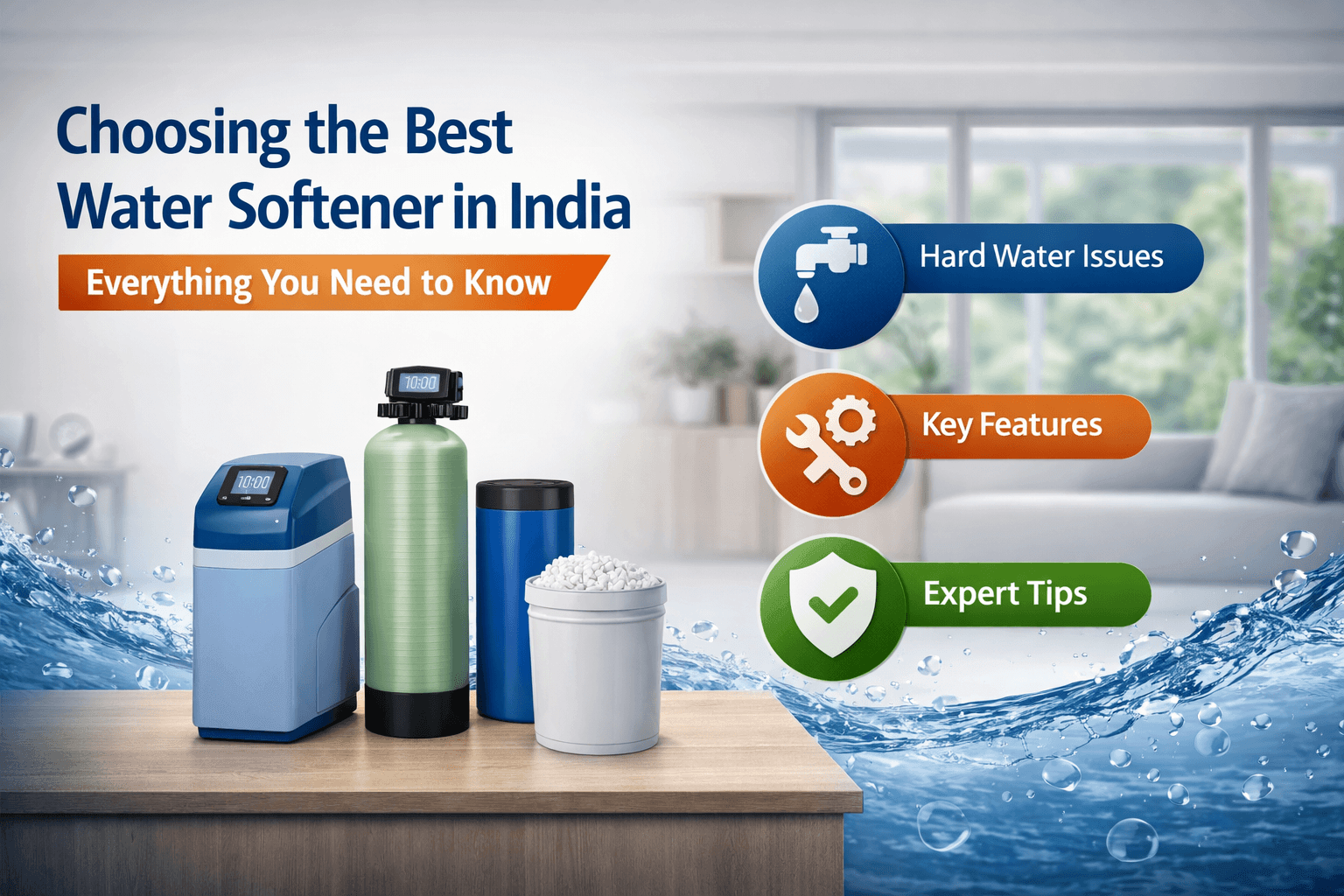
Discover how to choose the best water softener in India. Learn about types, features, benefits, and expert tips to ensure soft, clean water for your home or business.











Discuss your requirements with our engineering team and get practical guidance for your project.

