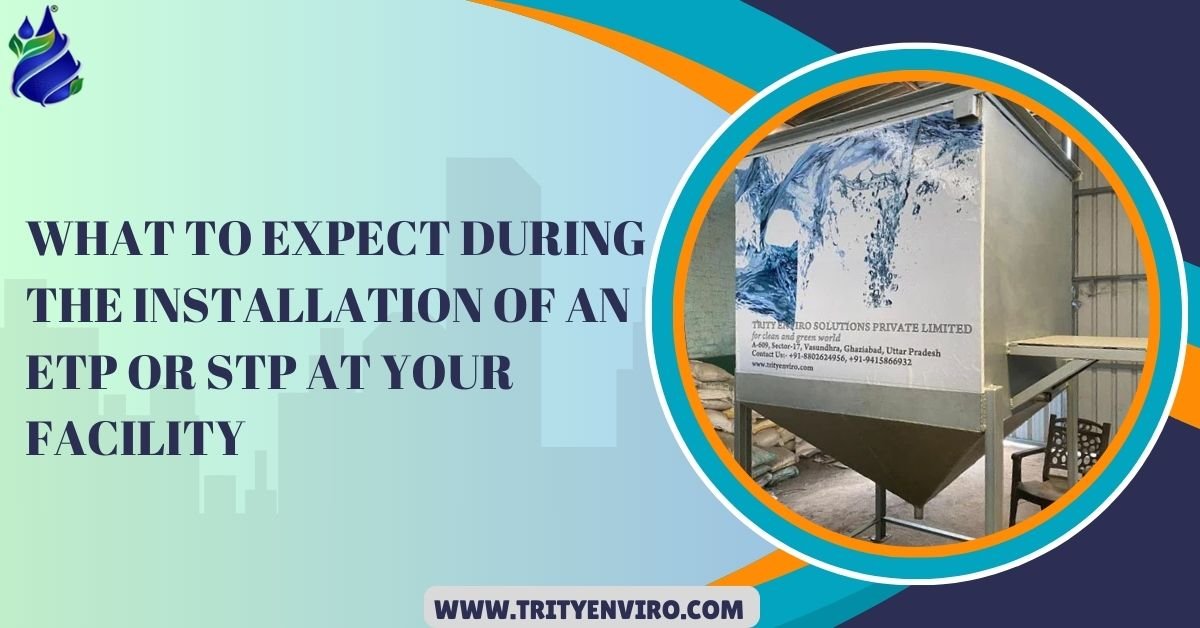
What to Expect During the Installation of an ETP or STP at Your Facility
Learn the step-by-step process of ETP and STP installation at your facility, from site preparation to training and ongoing maintenance for optimal wastewater management.

 ISO 9001:2015 & QCI Approved
A textile dyeing unit, a pharmaceutical plant, and a food processing facility can all discharge wastewater that looks superficially similar, yet each needs a genuinely different treatment approach. This guide covers exactly how ETP and STP design adapts by industry.

Speak directly with our senior environmental engineers for technical guidance, sizing calculations, or a tailored project proposal.
Call +91-9821030072 or email enquiry@trityenviro.com
No. A generic ETP design frequently underperforms when applied to a different industry's effluent, since contaminant type, concentration, and required discharge standard vary significantly, for example, textile wastewater needs colour removal while pharmaceutical effluent needs advanced oxidation for complex chemicals.
Pharmaceutical effluent often contains antibiotics, solvents, and complex chemicals that can inhibit standard biological treatment, requiring specialized processes like steam stripping and advanced oxidation using agents such as Fenton's reagent rather than a conventional treatment sequence.
Yes, primarily due to demand pattern and pathogen risk rather than contaminant type. Hotels and hospitals see sharp, predictable usage peaks and, for healthcare specifically, need an added disinfection stage to address higher pathogen risk in hospital wastewater.
Three factors matter most: the specific contaminants present, the discharge or reuse standard the facility must meet, and whether resource recovery, such as metals, oils, or reusable water, is a realistic goal for that particular wastewater stream.
Yes, hybrid ETP-cum-STP configurations are used where a facility generates both industrial effluent and domestic sewage, such as a manufacturing plant with on-site staff facilities, combining both treatment approaches within a single integrated system.
Learn the step-by-step process of ETP and STP installation at your facility, from site preparation to training and ongoing maintenance for optimal wastewater management.
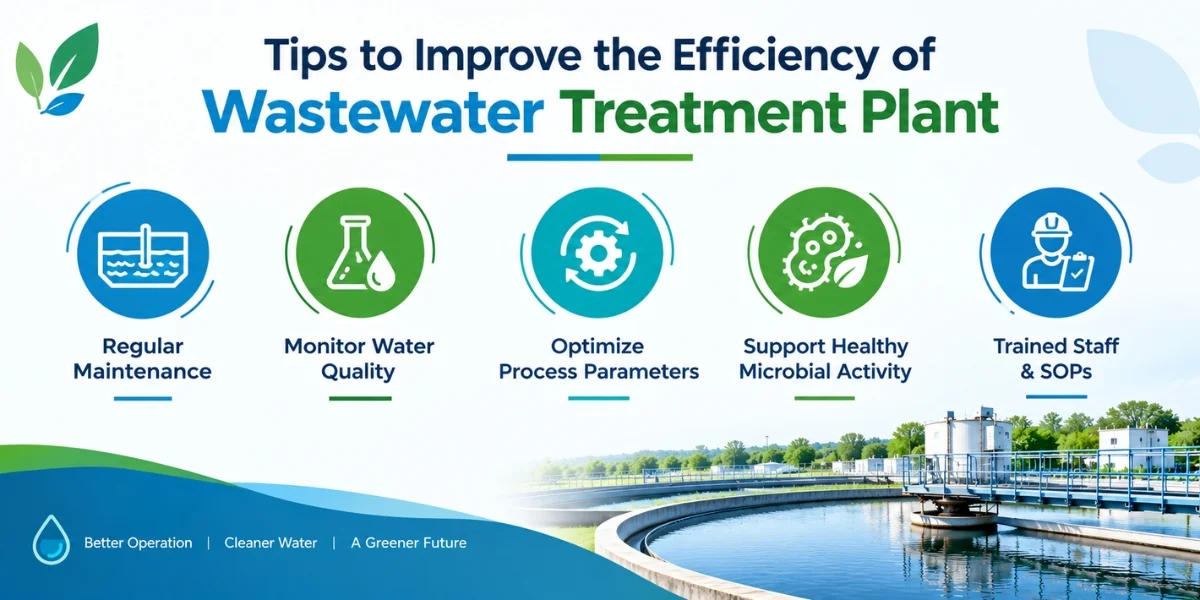
Practical tips to improve wastewater treatment plant efficiency, from energy audits to sludge and process control, from an experienced STP manufacturer.
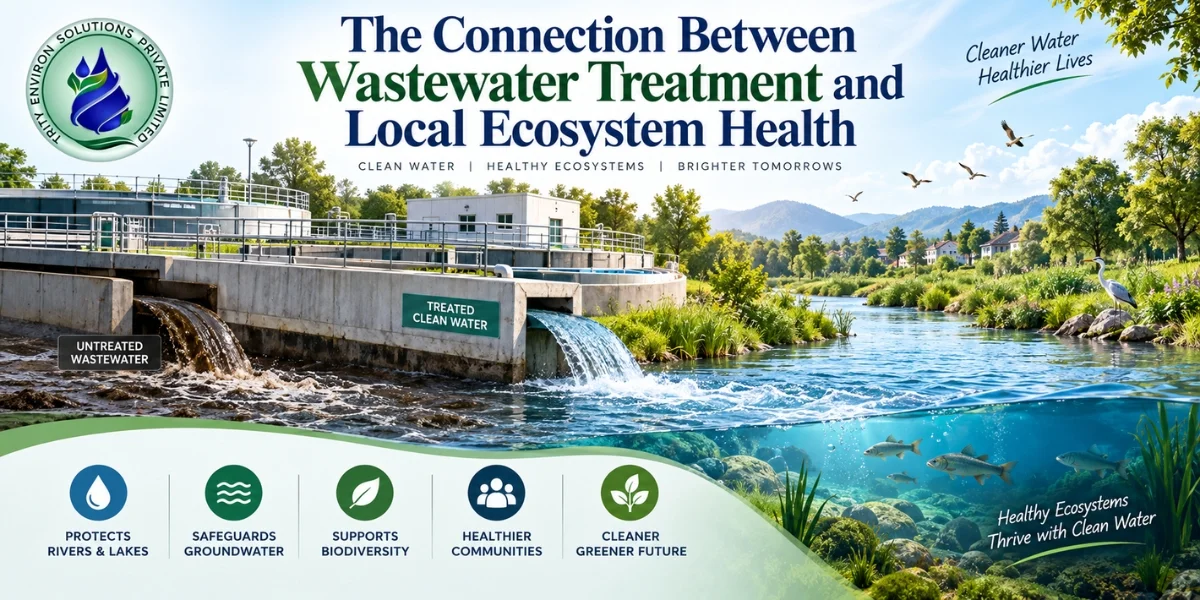
How untreated wastewater damages local ecosystems through eutrophication, and how proper treatment from a trusted STP manufacturer restores water quality.











Discuss your requirements with our engineering team and get practical guidance for your project.

