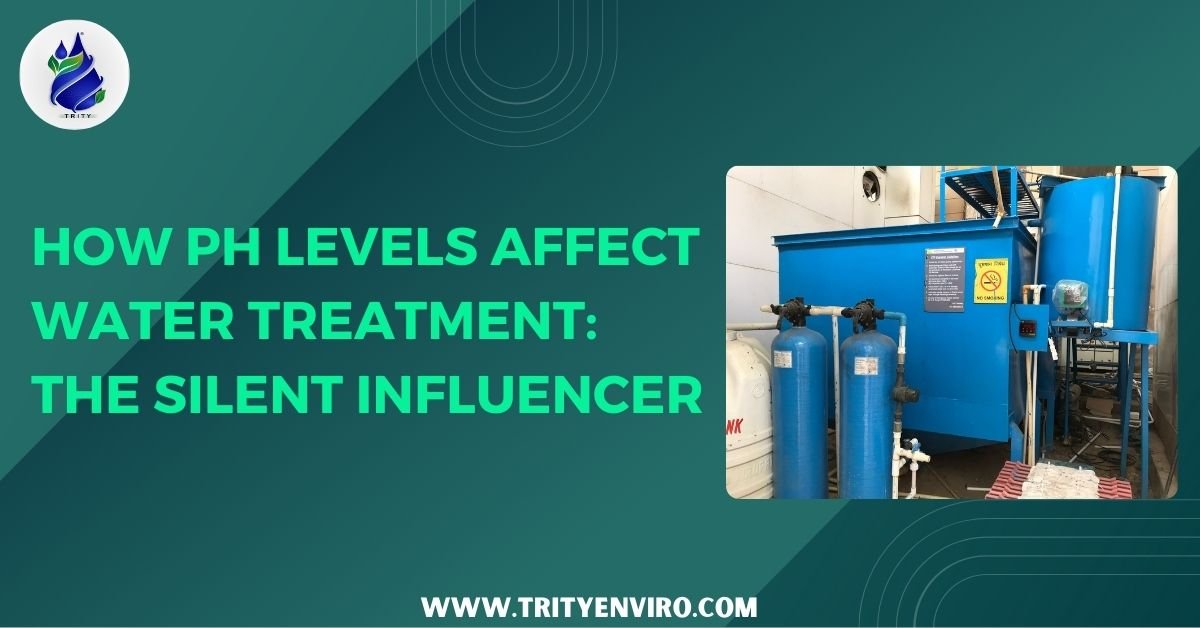
How pH Levels Affect Water Treatment: The Silent Influencer
Learn how pH levels impact water treatment, filtration efficiency, corrosion, and disinfection, and why maintaining optimal pH balance is crucial for water quality.

 ISO 9001:2015 & QCI Approved
Hard water quietly costs businesses far more than the price of a water softener, through scaled boilers, clogged pipes, and shortened equipment life. Here's what a commercial softener actually costs in India, and why the real return shows up in what it prevents.
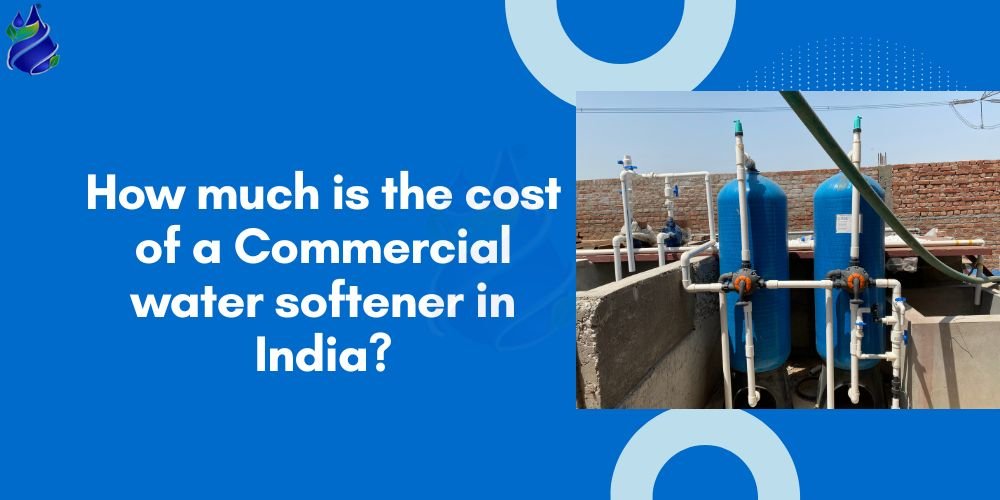
Hard water, water carrying high concentrations of dissolved calcium and magnesium, is a widespread issue across large parts of India, and for hotels, hospitals, manufacturing units, and housing societies, its cost shows up gradually rather than all at once: scale buildup in pipes, reduced equipment efficiency, and rising maintenance bills that accumulate quietly until someone finally asks what a proper fix would cost. A commercial water softener addresses this directly, and understanding its real 2026 pricing, the factors that drive cost up or down, and the genuine return it delivers is what separates an informed purchase decision from a guess.
A commercial water softener removes hardness-causing minerals from water using the ion exchange process, where calcium and magnesium ions are exchanged for sodium or potassium ions as water passes through a resin bed, leaving the output water soft and suitable for sensitive industrial or commercial use. Once the resin bed's exchange capacity is exhausted, it is regenerated using a brine (salt) solution, restoring its softening capacity for the next cycle, a process that repeats continuously as part of normal operation.
Pricing varies primarily by capacity, measured in litres per hour (LPH), and by automation level. As a general 2026 reference, systems in the 500-1,000 LPH range typically cost between Rs 50,000 and Rs 2,00,000, mid-range systems handling 1,000-5,000 LPH generally fall between Rs 2,00,000 and Rs 5,00,000, and larger industrial systems above 5,000 LPH commonly start around Rs 5,00,000 and can exceed Rs 10,00,000 depending on automation, resin quality, and construction material. These figures are indicative reference ranges; actual pricing varies by brand, resin quality, and site-specific customization requirements.
Salt-based softeners, using the traditional ion exchange process described above, remain the dominant technology in India's commercial water softener market and are generally the most cost-effective option for genuinely hard water requiring reliable, consistent softening. Salt-free systems use alternative technologies like template-assisted crystallization to condition water without actually removing hardness minerals, and while they avoid the ongoing salt consumption and wastewater discharge associated with regeneration, they typically cost more upfront and may not deliver the same softening performance for genuinely hard water sources common across much of India.
Manual water softeners, requiring staff to manually trigger regeneration, sit at the budget end of the market and suit smaller businesses with modest flow requirements and available staff time. Semi-automatic systems balance cost and performance with partial automation of the regeneration cycle. Fully automatic systems, with auto-regeneration based on either a timer or actual water usage, cost more upfront but are the standard choice for industries and large-scale applications where consistent softening without constant manual attention genuinely matters, particularly for continuous production processes or round-the-clock hospitality operations.
Beyond capacity and automation level, several factors move a specific quotation up or down. Water hardness level at the source matters significantly, since harder feed water requires greater resin capacity and larger overall system sizing to achieve the same output softness. Resin quality affects both upfront cost and long-term performance, with higher-grade resin commanding a price premium but typically delivering longer service life and more consistent capacity over time. Construction material, FRP, LDPE, mild steel, mild steel rubber-lined, or stainless steel, affects both cost and durability, with stainless steel commanding the highest price but offering the best corrosion resistance for demanding industrial environments. Installation, piping work, and site-specific customization requirements round out the total project cost beyond the equipment price alone.
A commercial water softener's total cost of ownership extends well past the initial purchase. Ongoing running cost, covering salt for regeneration and periodic resin top-up or replacement, typically ranges from roughly Rs 1,000 to Rs 1,500 per month for a moderately sized system, though this scales up meaningfully for larger, high-throughput industrial installations treating harder source water. Facility owners evaluating quotations should request this running cost estimate alongside the capital price, since a cheaper unit with a less efficient regeneration cycle can end up costing more in cumulative salt and resin expense over a few years of operation.
The return on a commercial water softener rarely shows up as a single line item; it shows up as costs that stop happening. Untreated hard water causes scale buildup in boilers, cooling towers, coffee machines, and general plumbing, a leading cause of reduced equipment efficiency and premature failure in exactly this kind of appliance. Softening feed water before it reaches this equipment extends working life meaningfully and reduces the frequency of costly repairs and replacements, often paying back the softener's capital cost within a few years purely through avoided maintenance, even before counting the efficiency gains from equipment running as designed rather than fighting scale buildup.
Selecting the right system starts with an actual water hardness test at your specific site, not an assumption based on general regional hardness levels, since even nearby facilities can draw from meaningfully different groundwater sources. Sizing should reflect genuine peak-hour demand, not just daily average consumption, particularly for hotels and hospitality properties with sharp usage spikes during specific hours. For facilities also running a commercial RO plant, pairing it with a properly sized water softener ahead of the RO membrane reduces scaling on the membrane and extends its working life considerably, making the two systems a natural combination rather than a choice between them.
| Facility Type | Primary Softener Benefit | Typical Capacity Need |
|---|---|---|
| Hotels and resorts | Guest experience, plumbing and boiler protection | Mid to high, based on occupancy |
| Hospitals | Hygienic, consistent water supply | Sized to daily clinical and general use |
| Manufacturing units | Prevents scaling in production machinery | Sized to process water demand |
| Apartments and housing societies | Soft water for daily household use | Sized to resident count and peak usage |
| Boilers and cooling towers | Improved efficiency, reduced downtime | Sized to boiler feedwater requirement |
Trity Environ Solutions is a trusted water softener manufacturer and commercial RO plant manufacturer in India, and our engineering team sizes every softener around your facility's actual water hardness test results and peak demand pattern, not a generic capacity slab. As an experienced water treatment equipment manufacturer and supplier, we help clients understand true total cost of ownership, capital cost plus realistic running expense, before committing to a system, and we regularly pair softeners with multi grade filters or RO systems for facilities needing comprehensive water treatment. Every installation is backed by pan-India Annual Maintenance Contract and operation and maintenance support. We are ISO 9001:2015 certified, QCI approved, and deliver CPCB-compliant engineering nationwide.
Get a precise water hardness test analysis and transparent turnkey equipment quotation.
Learn how pH levels impact water treatment, filtration efficiency, corrosion, and disinfection, and why maintaining optimal pH balance is crucial for water quality.
What actually causes sewage, domestic, commercial, and industrial sources, plus the infiltration and inflow problem most guides skip.
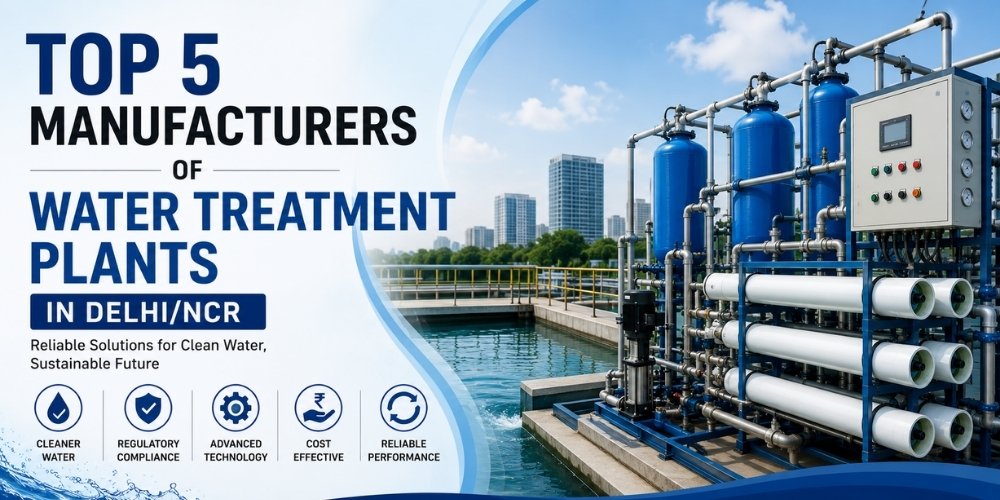
Looking for reliable water treatment plant manufacturers in Delhi/NCR? Compare the top 5 industrial RO, STP, and ETP companies on compliance, customization, and after-sales support.



Discuss your requirements with our engineering team and get practical guidance for your project.