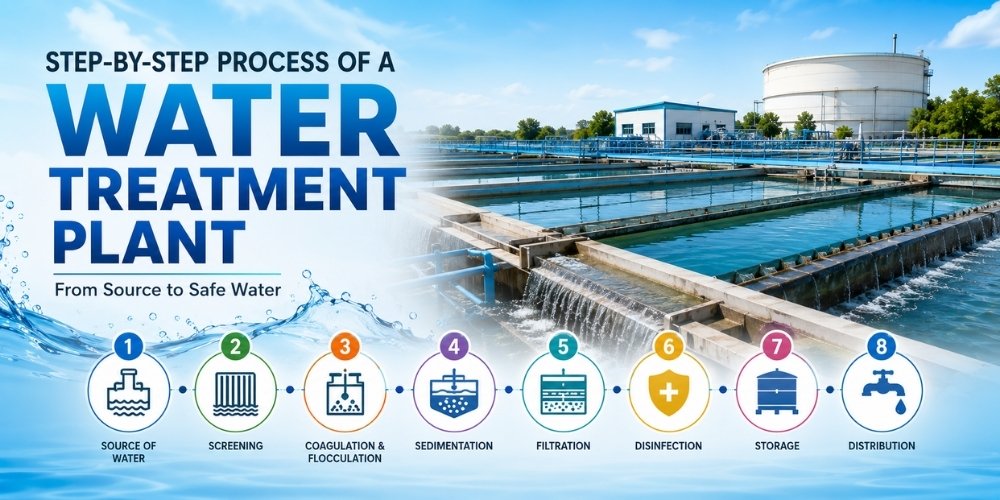
Step-by-Step Process of a Water Treatment Plant
Learn the complete step-by-step process of a water treatment plant, including screening, coagulation, sedimentation, filtration, disinfection, sludge handling, and compliance standards.

 ISO 9001:2015 & QCI Approved
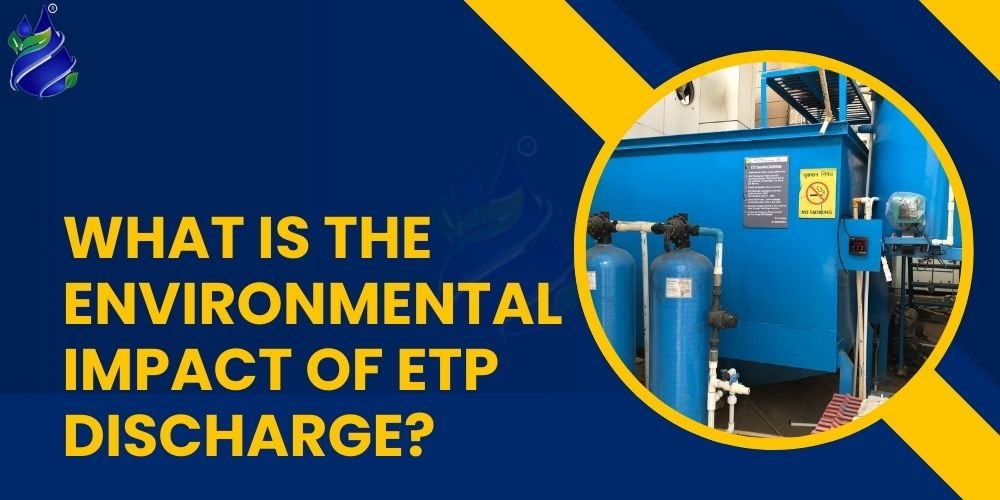
Nearly 70% of India's surface water is polluted by untreated or poorly treated sewage and industrial effluent. The gap between an ETP that exists and an ETP that genuinely protects the environment is often wider than most facility owners realize.
Speak directly with our senior environmental engineers for technical guidance, sizing calculations, or a tailored project proposal.
Call +91-9821030072 or email enquiry@trityenviro.com
According to a Central Water Commission report, almost 70% of India's surface water resources are polluted due to untreated sewage and industrial effluent discharge, with 42 rivers found to contain at least two heavy metals above permissible limits.
Heavy metals are persistent and non-biodegradable, meaning they accumulate in sediment and aquatic organisms rather than breaking down, and concentrate further up the food chain through biomagnification, eventually posing risks to human health through fish consumption and irrigation water.
Yes, if treatment performance degrades over time due to poor maintenance, production growth beyond original design capacity, or process changes that were never reassessed, a plant can drift out of genuinely safe operation even while occasionally passing inspection checks.
Emerging contaminants like microplastics, pharmaceutical residues, and PFAS are increasingly found in industrial effluent and were not part of the contaminant profile standard treatment processes were originally designed to address, requiring more advanced tertiary treatment stages.
Starting with proper effluent characterization to understand the specific contaminants your process generates, then combining biological treatment with physico-chemical stages for heavy metals or complex chemicals, and where feasible, moving toward Zero Liquid Discharge to eliminate the discharge pathway entirely.
Learn the complete step-by-step process of a water treatment plant, including screening, coagulation, sedimentation, filtration, disinfection, sludge handling, and compliance standards.
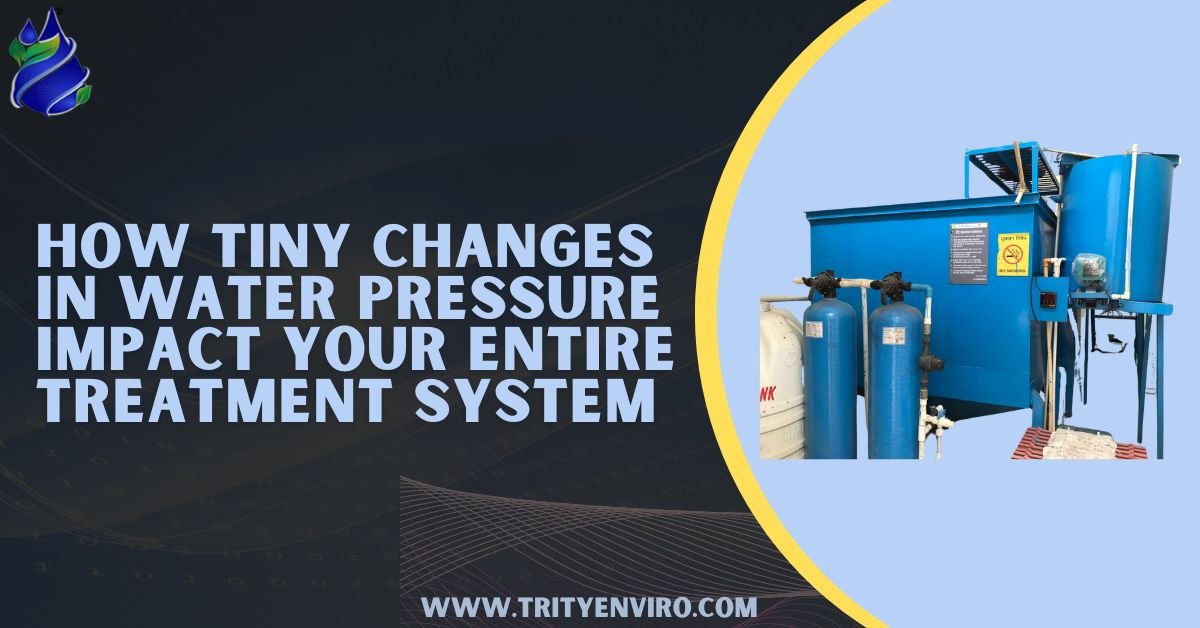
Learn how small changes in water pressure affect treatment systems, causing inefficiency, equipment wear, and poor water quality. Discover monitoring and regulation strategies.
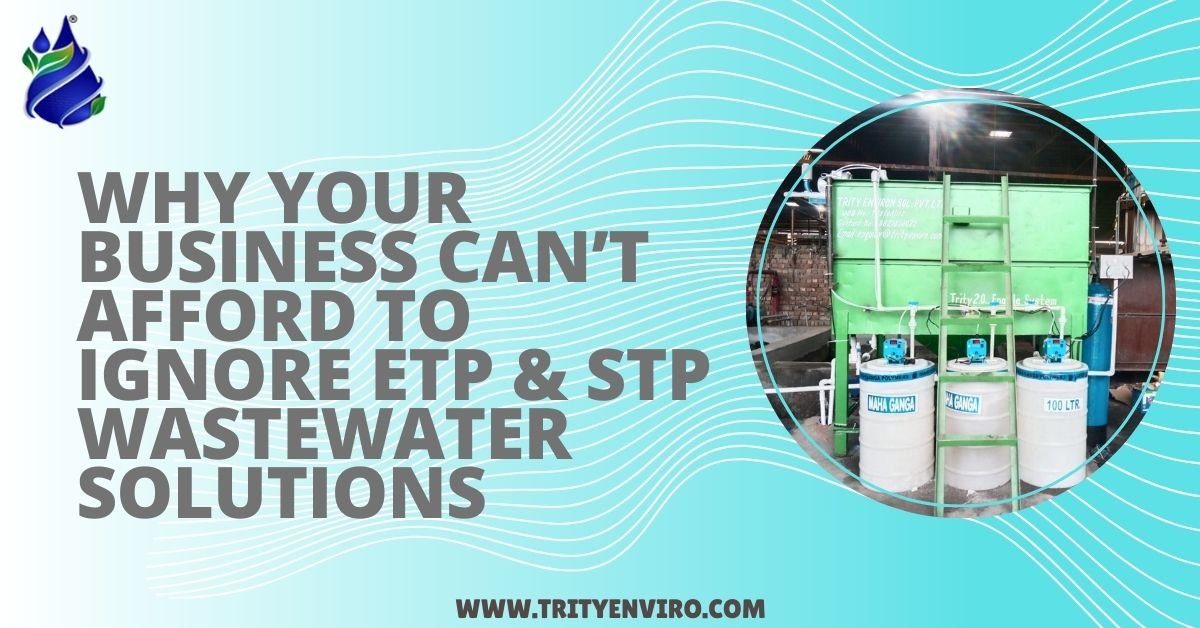
Learn why businesses must adopt ETP & STP wastewater solutions to ensure regulatory compliance, reduce costs, and protect the environment. Stay ahead of risks and grow sustainably.











Discuss your requirements with our engineering team and get practical guidance for your project.

