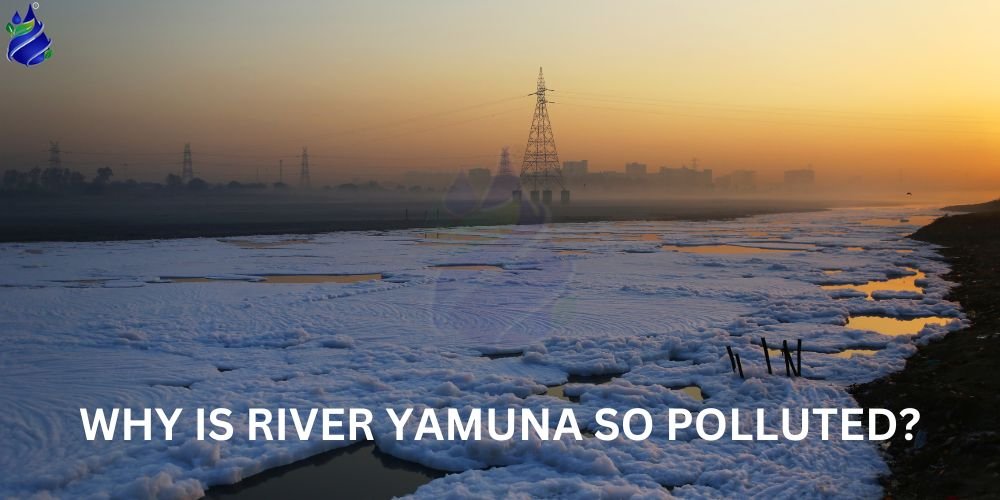
Why Is River Yamuna So Polluted?
Why the Yamuna is so polluted: real CPCB data on sewage, industrial discharge, toxic froth, and why Delhi's 22 km stretch causes 80% of it.

 ISO 9001:2015 & QCI Approved
A sustainable STP isn't defined by a single green feature bolted onto a conventional design, it's the result of a series of deliberate decisions made from the earliest planning stage. Here's exactly what that sequence looks like.

Speak directly with our senior environmental engineers for technical guidance, sizing calculations, or a tailored project proposal.
Call +91-9821030072 or email enquiry@trityenviro.com
A comprehensive site investigation comes first, covering topography, soil conditions, proximity to water bodies, and available land area, since these physical factors directly determine which treatment technologies and design approaches are viable for the specific site.
Aeration alone commonly accounts for 40-75% of a plant's total energy consumption, making energy-efficient blower selection and aeration control one of the highest-leverage sustainability decisions in the entire plant design.
Yes. Anaerobic digestion converts sludge into biogas for on-site energy generation while reducing sludge volume, and properly treated sludge can be processed into biosolids for agricultural use, turning a disposal cost into a genuine resource recovery opportunity.
A plant that fails during heavy rainfall or a power outage undermines its own sustainability value regardless of its energy efficiency under normal conditions. Designing adequate hydraulic buffer capacity and backup power ensures the plant's environmental benefits hold up under real-world climate stress.
Yes, particularly in water-stressed regions. Adding a tertiary treatment stage to produce reuse-grade water for irrigation, flushing, or cooling meaningfully reduces a facility's freshwater draw, and this reuse capability is far easier and cheaper to build in at the design stage than to retrofit later.
Why the Yamuna is so polluted: real CPCB data on sewage, industrial discharge, toxic froth, and why Delhi's 22 km stretch causes 80% of it.

Explore how nanotechnology boosts ETP membranes in wastewater treatment, enhancing efficiency while addressing environmental risks and sustainability.
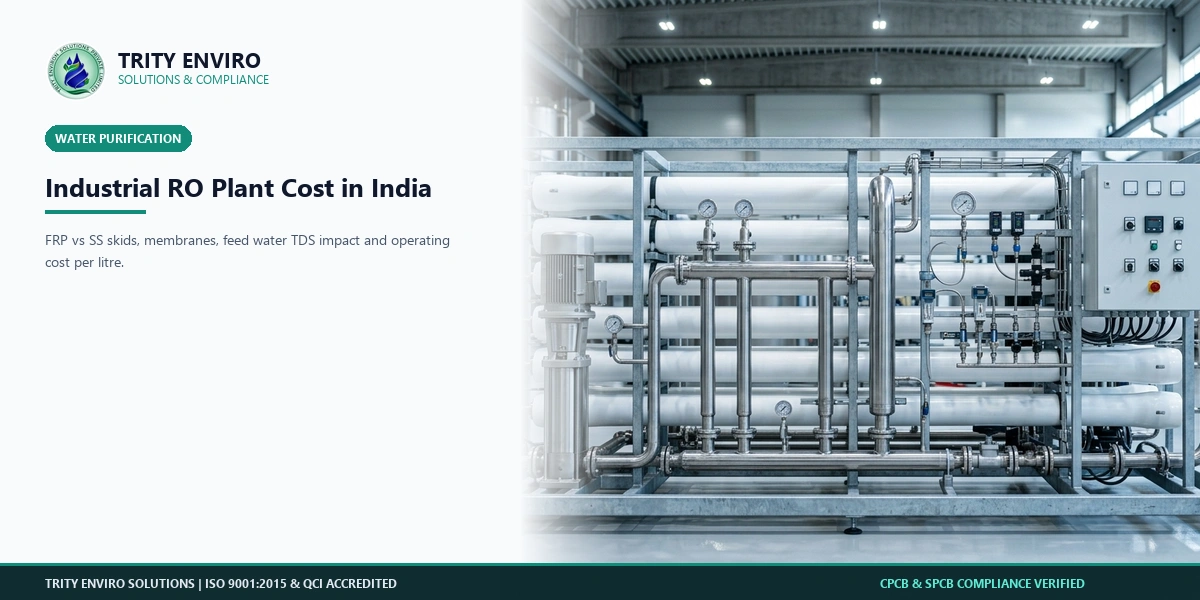
What does an industrial RO plant cost in India? Understand price drivers, running cost per m3, membrane life, pre-treatment and how to compare RO quotes.











Discuss your requirements with our engineering team and get practical guidance for your project.

