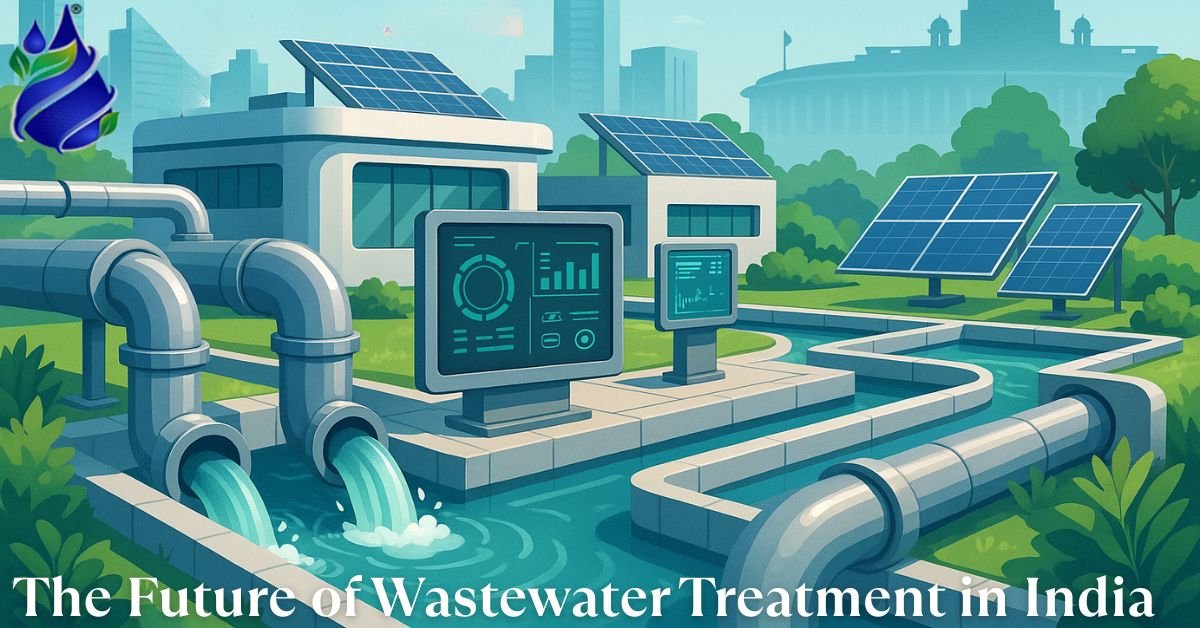
The Future of Wastewater Treatment in India: Policy Directions and Innovations
Explore India’s evolving wastewater treatment with policy reforms, smart tech, and sustainable solutions for urban and rural development.

 ISO 9001:2015 & QCI Approved
Every year, tens of millions of Indians fall ill from waterborne disease traced back to contaminated water. The link between that contamination and untreated sewage isn't theoretical, it's been measured directly.

Speak directly with our senior environmental engineers for technical guidance, sizing calculations, or a tailored project proposal.
Call +91-9821030072 or email enquiry@trityenviro.com
An estimated 37.7 million people in India suffer from waterborne illness annually, with children under five disproportionately affected, contributing to a significant number of preventable deaths each year linked to diarrhoeal disease from polluted water.
Yes. A 2024 economic research study examining India's staggered sewage treatment plant rollout from 2010-2020 found that fecal coliform contamination dropped 53% after plant installation, with a corresponding measurable reduction in infant mortality in connected communities.
Cholera, typhoid, hepatitis A and E, and bacillary dysentery are among the primary waterborne diseases directly linked to inadequately treated sewage, all transmitted through water contaminated with human faecal matter.
Biological treatment substantially reduces pathogen load, but a dedicated disinfection stage, chlorination or UV, is needed to target the bacteria and viruses that survive earlier treatment stages, making it a critical final barrier against disease transmission.
Around 70% of India's urban sewage is commonly cited as going untreated, with treatment capacity in many cities lagging behind population growth, disproportionately affecting poorer communities dependent on vulnerable water sources like ponds and borewells.
Explore India’s evolving wastewater treatment with policy reforms, smart tech, and sustainable solutions for urban and rural development.
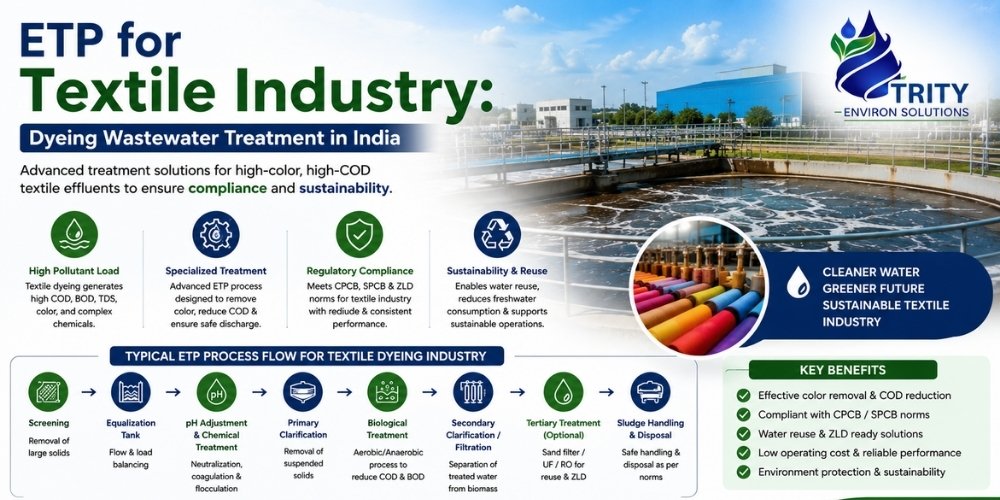
Textile effluent brings colour, high TDS, and variable pH that generic ETPs can't handle. See the treatment stages, technology choices, and compliance norms that actually work.
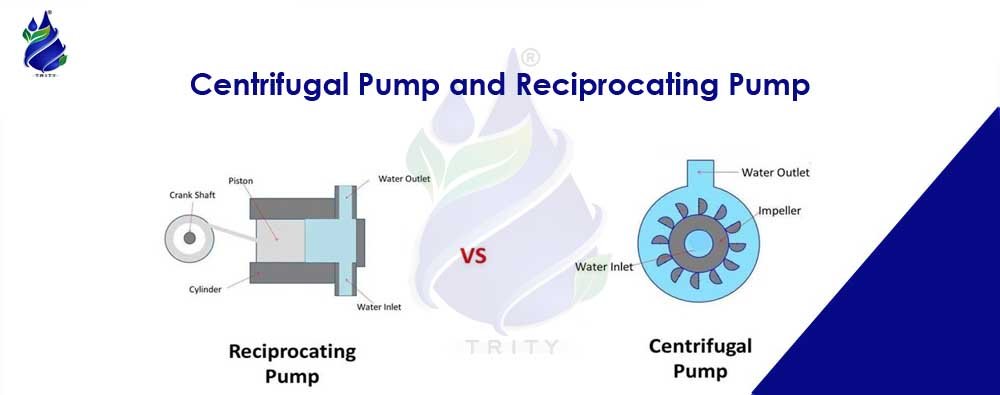
Understand the real differences between centrifugal and reciprocating pumps, how each works, and which one suits water and wastewater treatment applications best.











Discuss your requirements with our engineering team and get practical guidance for your project.

