
Advantages of MBBR Wastewater Treatment
Discover the advantages of MBBR wastewater treatment including high efficiency, low maintenance, compact design, and cost savings. Learn how MBBR STP improves water treatment performance.

 ISO 9001:2015 & QCI Approved
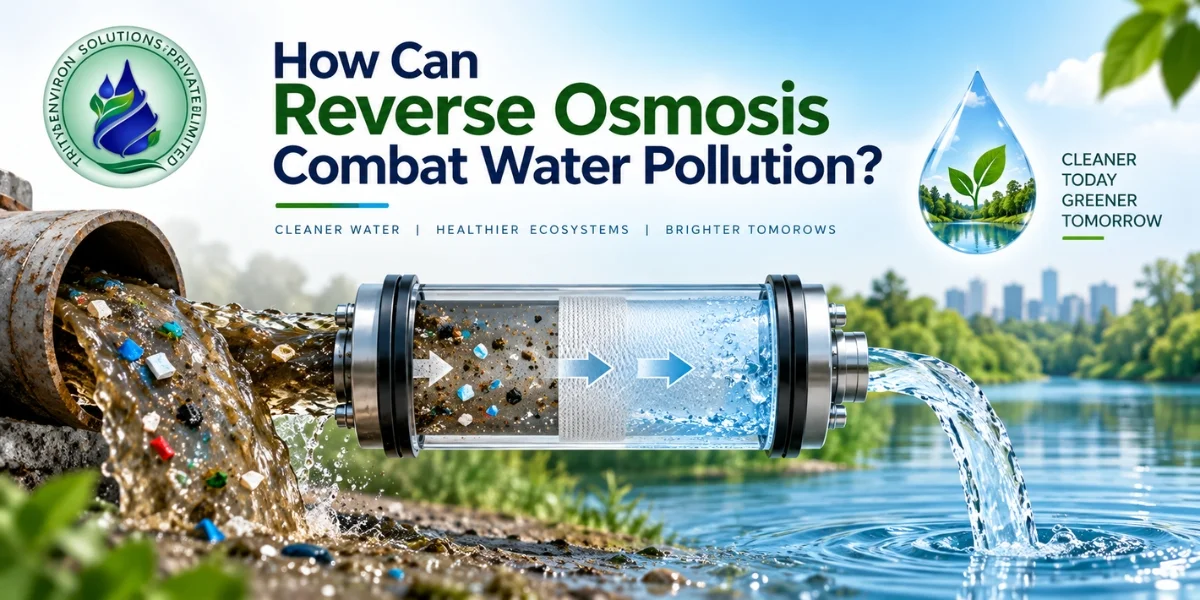
Reverse osmosis is often described as a clean solution to water pollution, and in many ways it is, but the full picture includes a byproduct stream that still needs proper handling. This guide covers exactly how RO removes pollutants, where it delivers real results, and what happens to what it leaves behind.
Speak directly with our senior environmental engineers for technical guidance, sizing calculations, or a tailored project proposal.
Call +91-9821030072 or email enquiry@trityenviro.com
Reverse osmosis pressurizes contaminated water and forces it through a semi-permeable membrane that physically blocks dissolved salts, heavy metals, and organic molecules, separating clean permeate from a concentrated reject stream carrying the removed contaminants.
Industrial RO systems typically achieve 70-90% water recovery and 90-99% salt rejection, depending on membrane specification and pretreatment quality, with well-designed systems sometimes exceeding 90% overall wastewater recovery.
Yes. In a documented alumina production wastewater case study, RO treatment brought aluminium, sodium, chloride, and nitrate nitrogen concentrations down below regulatory discharge limits, demonstrating measurable, real-world pollution reduction rather than just theoretical performance.
RO does not destroy pollutants, it concentrates them into a reject stream called RO concentrate, which carries high salinity and complex organic content and requires its own proper management, further treatment, recovery, or disposal, rather than being treated as waste that has simply disappeared.
Membrane fouling from organic material, mineral scaling, and biological growth is the primary factor limiting real-world RO performance, which is why proper pretreatment design matters more for long-term results than the membrane specification alone.
Discover the advantages of MBBR wastewater treatment including high efficiency, low maintenance, compact design, and cost savings. Learn how MBBR STP improves water treatment performance.
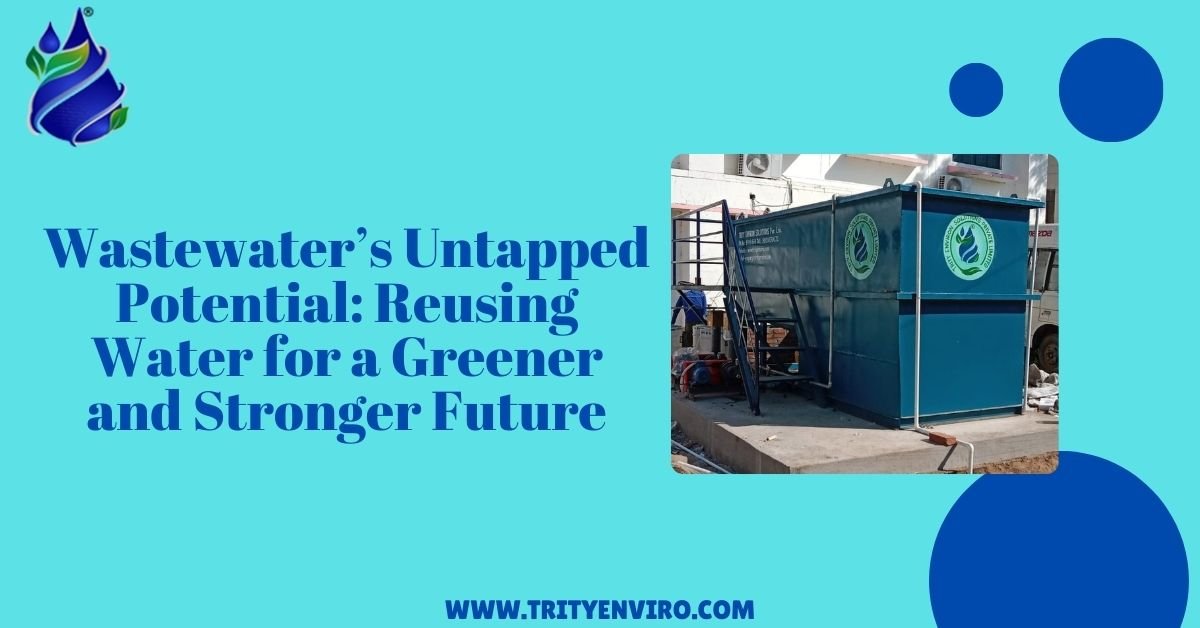
Explore the benefits, challenges, and innovations of wastewater reuse. Learn how it supports industries, agriculture, and green energy for a sustainable future.
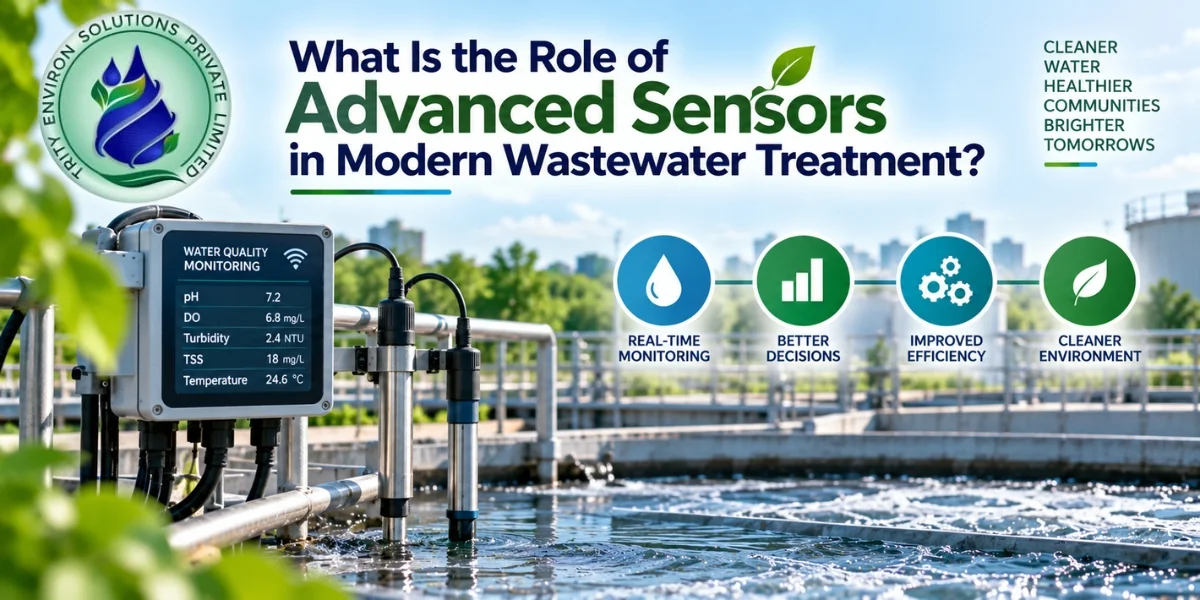
How IoT sensors and AI are transforming wastewater treatment in 2026, real case studies, predictive maintenance, and what modern sensors can detect.











Discuss your requirements with our engineering team and get practical guidance for your project.

