
How pH Levels Affect Water Treatment: The Silent Influencer
Learn how pH levels impact water treatment, filtration efficiency, corrosion, and disinfection, and why maintaining optimal pH balance is crucial for water quality.

 ISO 9001:2015 & QCI Approved
Discover how biodegradable substances enhance soil fertility, reduce pollution, and contribute to ecosystem restoration for a healthier environment.
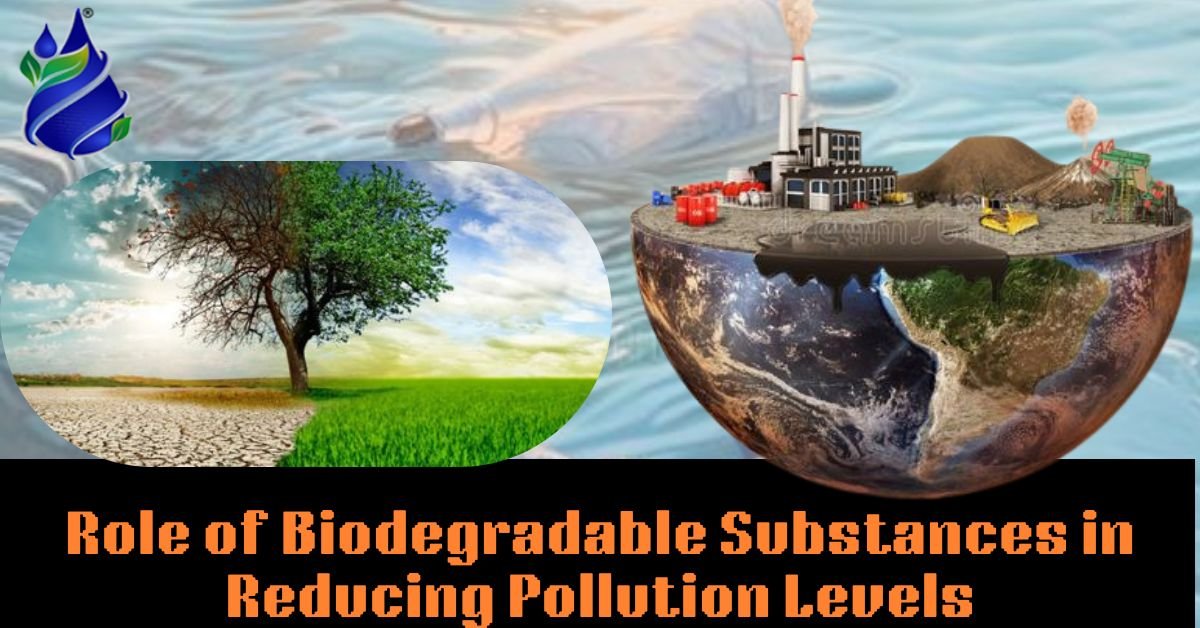
Bio digestible matter is one that disperses in the environment at its own pace without causing any dangerous emissions. They disintegrate due to functions of bacteria, fungi and other microorganisms. It is also assists in protecting the environment by decreasing the volume of waste that goes to the landfills. Of the two, biodegradable products give back nutrients back into the ecosystem unlike the non- biodegradable ones.
This also plays a huge role in the natural decomposing process and cosmetics it the ecosystems by improving the quality of the soil. If managed effectively, articles containing biodegradable materials have a small negative impact on the ecosystem. Knowledge of the effects that plastics have can affect change towards managing wastes in a better way. In general, biodegradable substances are critical to environmental wellbeing since they help in the promotion of environmental health.
Decomposed bio-degradable material is useful in replenishing nutrient in the soil after it has disintegrated. They are useful in the enhancement of the organic matter found in the soil, hence, increasing fertility. Biodegradable waste is broken down through microbial action while at the same time breaking down soil minerals and providing more nutrients to the microorganisms. It enhances plant growth which in one way or the other facilitate agriculture and growth of natural vegetation. The soil retains more water and the ground becomes healthier the more time that is given. The breakdown of matters in natural methods assists in the farming activities in a sustainable manner. Therefore, the amendments to the soil structure mentioned in the biodegradable material make it possible to keep a high yield of the arable land over a long period of time. This makes them very essential in maintaining and enhancement of ecosystems in the environment.
Such products are environmentally friendly because they help to restore ecosystems since they feed the soil and support the growth of various life forms. When they decompose, they restore some of the most important nutrients needed by plants and microbes to thrive. In degraded environments they play a role in the replenishment of ecological cycles and promotion of better ground conditions. Biodegradable materials also help in reducing the number of wastes that find their way into different system hence reducing pollution.
From this, one can realize they help in plant regeneration hence assisting the wildlife and enhancing the habitat prospects. Secondly, when using biodegradable materials during restoration we are also enhancing sustainability of ecosystems. These materials increase the kind of permanency of solutions that brings stability to agricultural as well as natural ecosystems while promoting symmetry in environmental regenerative processes.
This therefore postulates that bio degradable materials are instrumental in the provision of environmental sustainability. It has found that the natural decomposition minimizes the waste disposal for the long-term. They play an important role in the integration of circular economy since they decompose into innocuous parts. Occurring in a cycle this is sustainable and provides precious nutrients back to the ground and enhances crop production. But it needs to be treated properly so that maximum advantages can be drawn from it as biodegradable waste. These materials if well adopted assists in managing wastes while caring for the environment. They also encourage the productive and efficient utilisation of resources. Replacing the conventional products by biodegradable versions helps in the promotion of improved way of living which is friendly to the environment.
Natural products have qualities which are eco-friendly in the sense that they degrade and do not cause pollution. It discharges into healthier soils / helps in the ecosystem renovation. Because some of these materials can decompose and supply plants nutrients to the soil, they are also beneficial to the improvement of soil fertility and consequently an enhancement of the biologic diversity of the planet. This they make it possible that they reduce accumulation of wastes hence minimizing long term harm on the environment.
When properly managing biodegradable materials, we know that they are highly useful in curbing environmental degradation. These established uses make them promote more responsible approach towards waste management and utilization of resources. A prime importance of the biodegradable products means a healthier environment for the globe. Proper understanding of the benefits of the four options listed is necessary to arrive at the best conclusion in protecting the environment.
Learn how pH levels impact water treatment, filtration efficiency, corrosion, and disinfection, and why maintaining optimal pH balance is crucial for water quality.
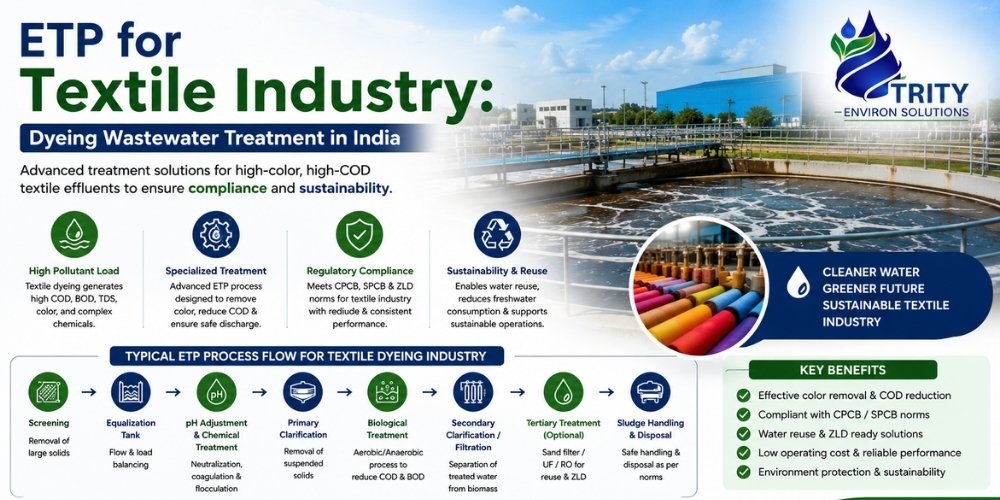
Textile effluent brings colour, high TDS, and variable pH that generic ETPs can't handle. See the treatment stages, technology choices, and compliance norms that actually work.
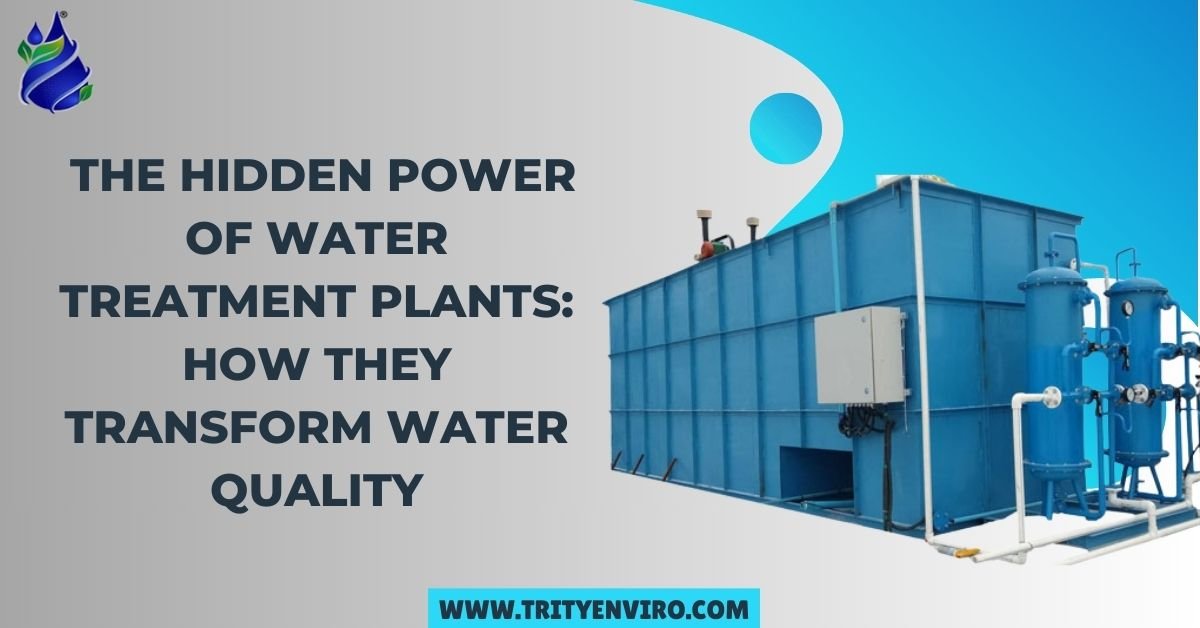
Discover how water treatment plants purify contaminated water, improve public health, conserve resources, and protect the environment with advanced technologies.

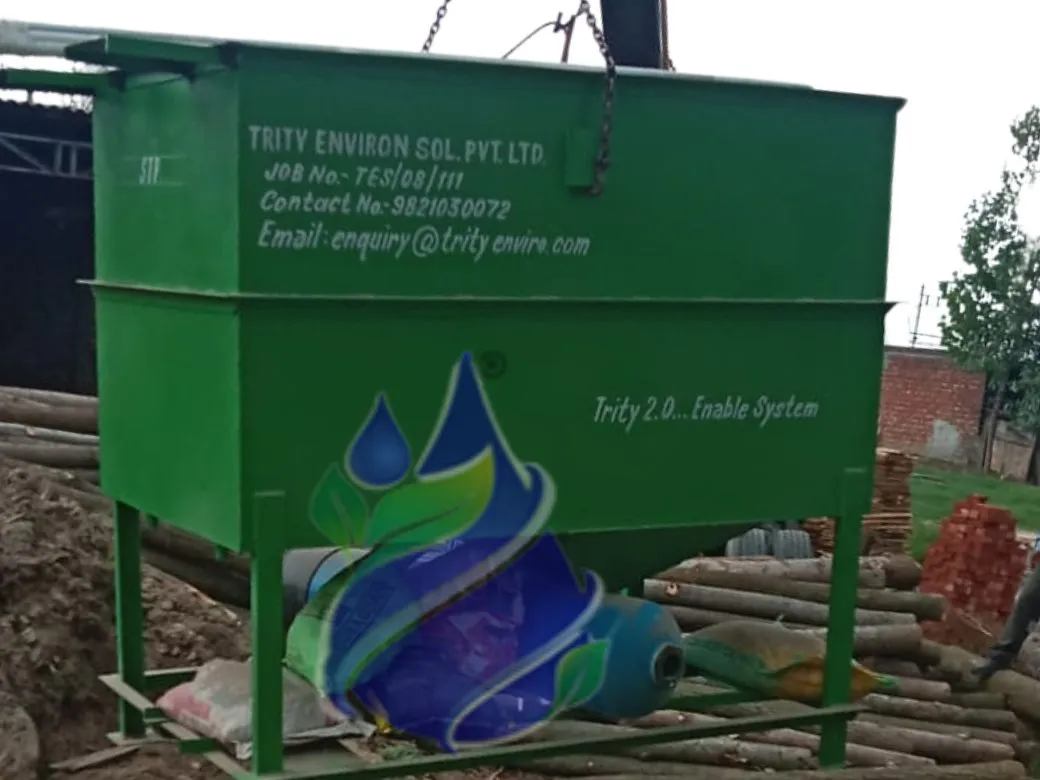




Discuss your requirements with our engineering team and get practical guidance for your project.