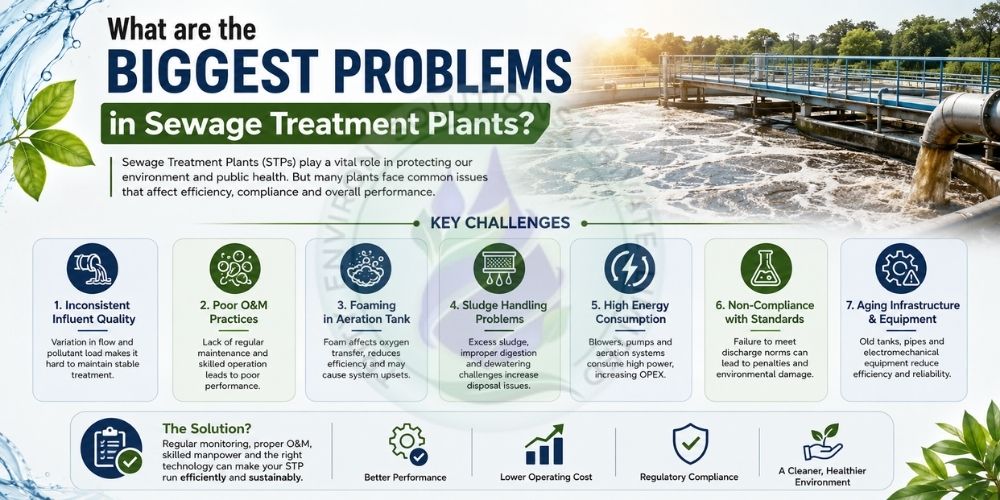
What are the biggest problems in sewage treatment plants?
The real problems that cause STPs to fail, undersizing, power loss, operator neglect, and more, illustrated with actual documented cases from Indian cities, not generic theory.

 ISO 9001:2015 & QCI Approved
Biological treatment is the backbone of most effluent treatment plants, but it isn't automatically the right fit for every wastewater stream. Here's a genuinely balanced look at when it works well, and when it needs help from other treatment methods.

Speak directly with our senior environmental engineers for technical guidance, sizing calculations, or a tailored project proposal.
Call +91-9821030072 or email enquiry@trityenviro.com
Cost-effectiveness for organic-load-dominated wastewater is the biggest practical advantage, since biological treatment relies on naturally occurring microbial processes rather than continuous chemical dosing, making it considerably cheaper to operate than chemical-intensive alternatives for suitable effluent.
No, not effectively. Biological treatment is designed to break down organic pollutants and has limited to no capability against inorganic contaminants like heavy metals, which require chemical precipitation, ion exchange, or membrane-based treatment instead.
MBBR anchors bacteria to biofilm carriers rather than leaving them suspended, preventing microbial wash-out during high-flow events, and typically achieves better outlet quality (BOD below 10 mg/L versus 20-40 mg/L for extended aeration) in a footprint around a quarter the size, with lower energy consumption.
A sudden toxic or shock load can disrupt or kill the microbial population responsible for treatment, degrading effluent quality until the biological culture recovers, a process that can take days to weeks depending on the severity of the disruption.
Yes, biological treatment generates excess sludge as microorganisms grow, and this needs ongoing thickening, dewatering, and disposal. Without a proper dewatering plan using equipment like a filter press, sludge handling often becomes the most persistent operational challenge in running a biological ETP.
The real problems that cause STPs to fail, undersizing, power loss, operator neglect, and more, illustrated with actual documented cases from Indian cities, not generic theory.
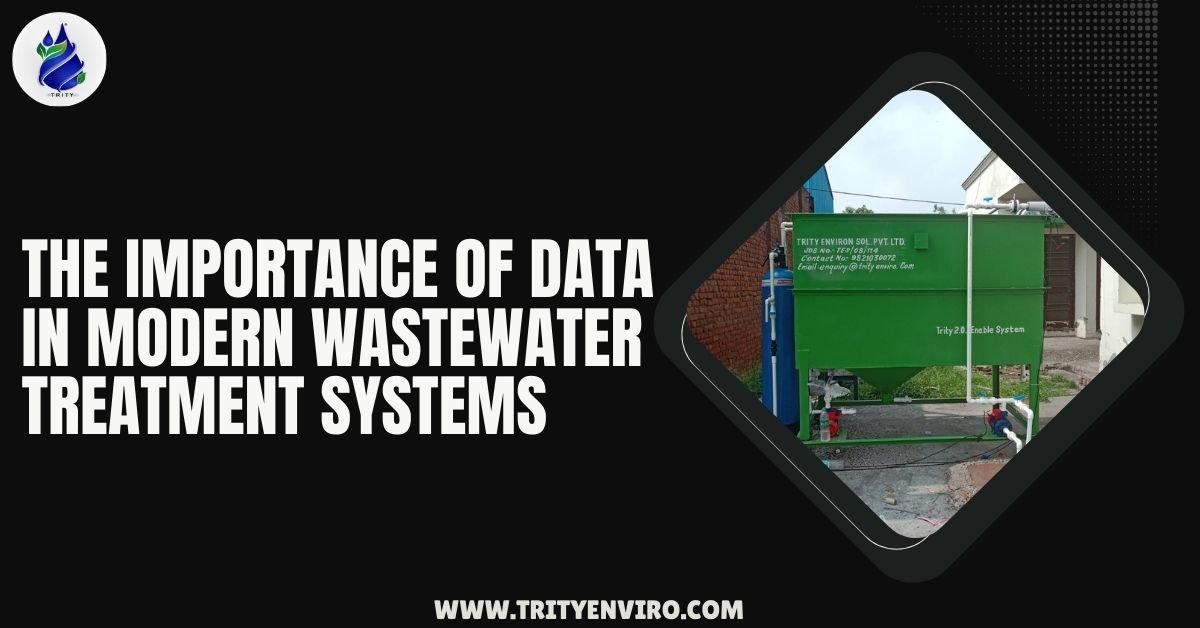
Explore how data-driven technologies improve operational efficiency, predictive maintenance, sustainability, and regulatory compliance in modern wastewater treatment systems.
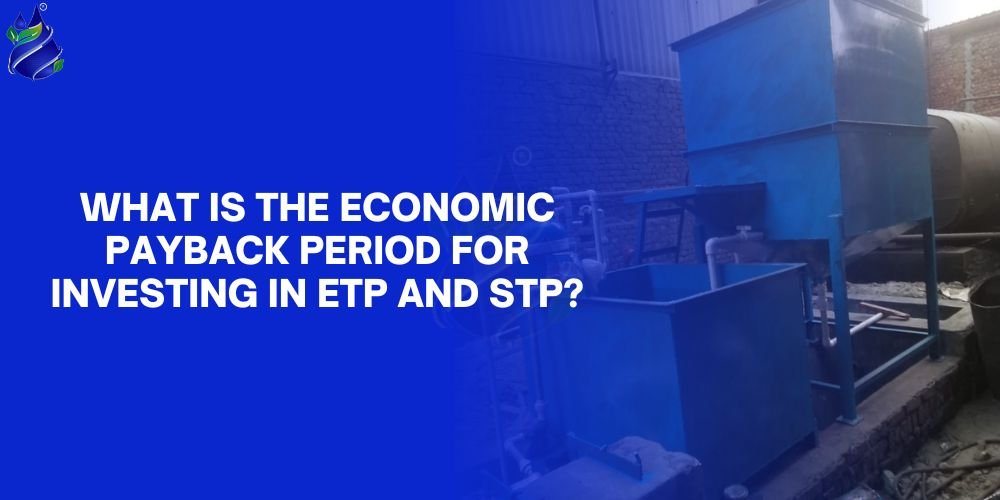
How to calculate the real economic payback period for an ETP or STP investment, with two worked examples showing why it varies so widely.











Discuss your requirements with our engineering team and get practical guidance for your project.

