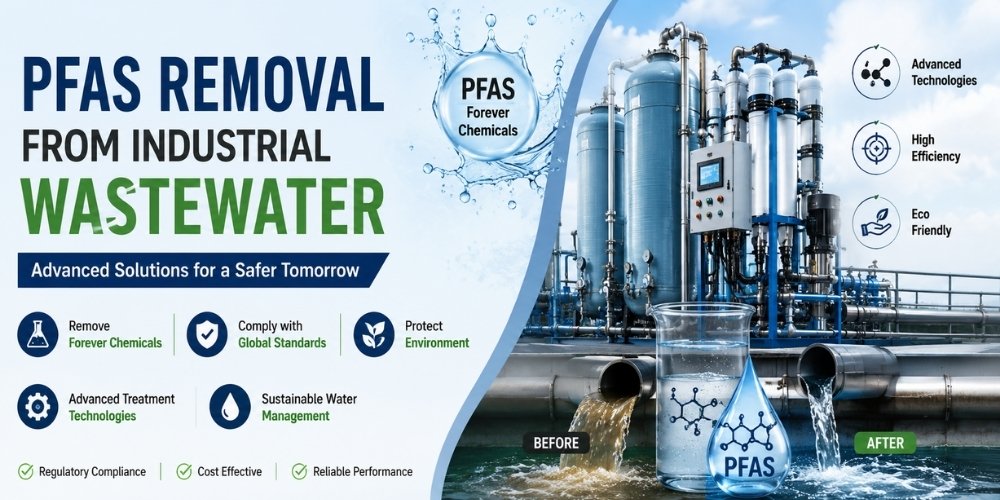
PFAS Removal from Industrial Wastewater: Complete Guide (2026)
Complete guide to PFAS removal from industrial wastewater. Compare GAC, RO, ion exchange and AOP technologies, costs, and India's 2026 regulations.

 ISO 9001:2015 & QCI Approved
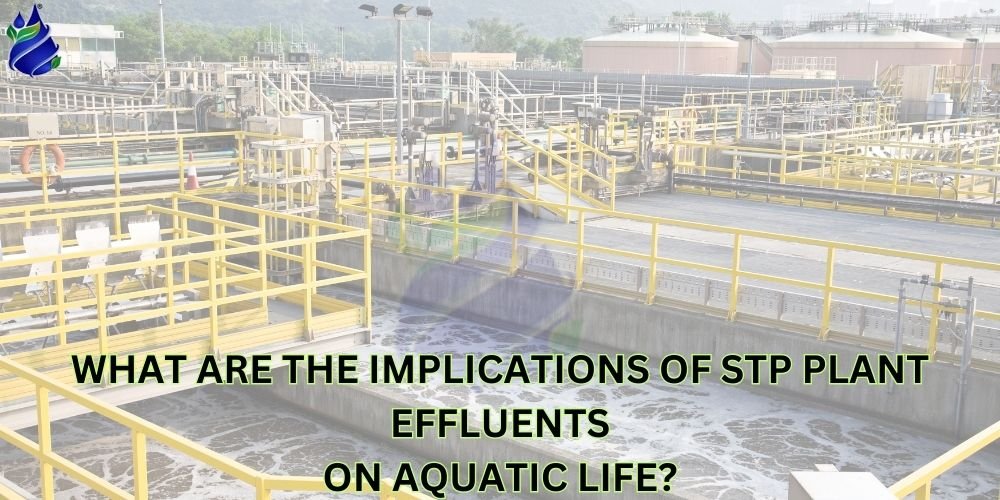
Downstream of certain sewage treatment plants, researchers have found imbalanced sex ratios and sterile fish populations. This isn't organic pollution in the usual sense, it's endocrine disruption, and standard treatment doesn't always stop it.
Speak directly with our senior environmental engineers for technical guidance, sizing calculations, or a tailored project proposal.
Call +91-9821030072 or email enquiry@trityenviro.com
Complete guide to PFAS removal from industrial wastewater. Compare GAC, RO, ion exchange and AOP technologies, costs, and India's 2026 regulations.

Explore Biological Nutrient Removal (BNR) systems — a green, cost-effective solution for removing nitrogen and phosphorus from wastewater using natural processes.

Discover how eco-friendly technologies in wastewater treatment are redefining sustainability by improving efficiency, reducing costs, and promoting cleaner water for future generations.











Discuss your requirements with our engineering team and get practical guidance for your project.

