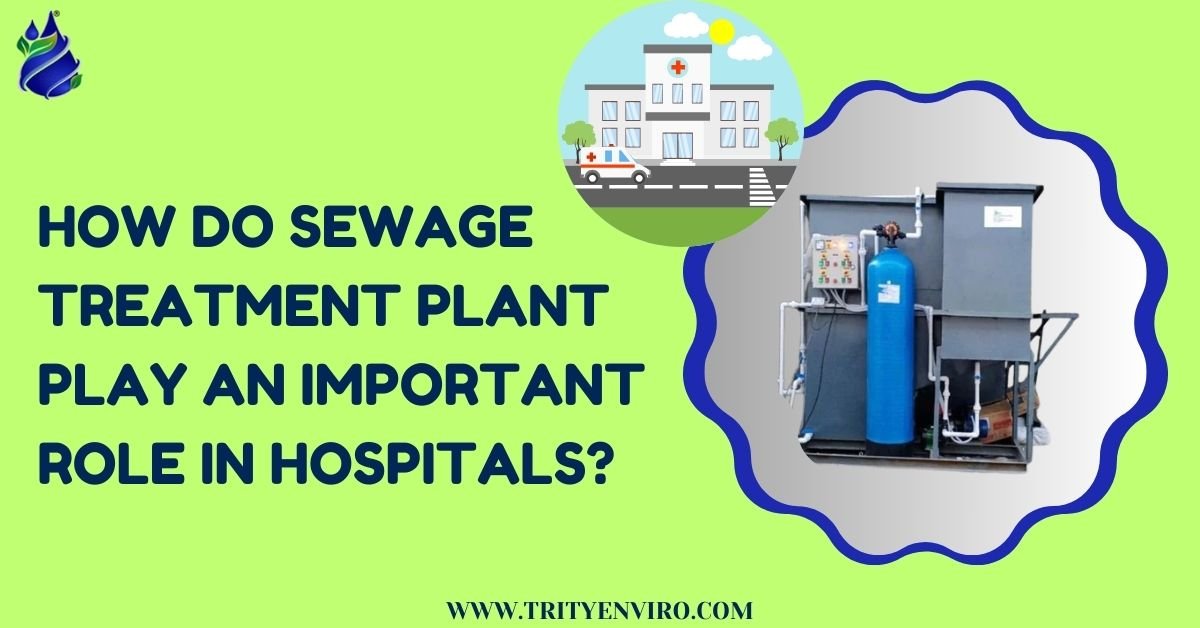
How do Sewage Treatment Plant Play an Important Role in Hospitals?
Learn how Sewage Treatment Plants in hospitals protect public health, ensure compliance with regulations, and contribute to water recycling and environmental sustainability.

 ISO 9001:2015 & QCI Approved
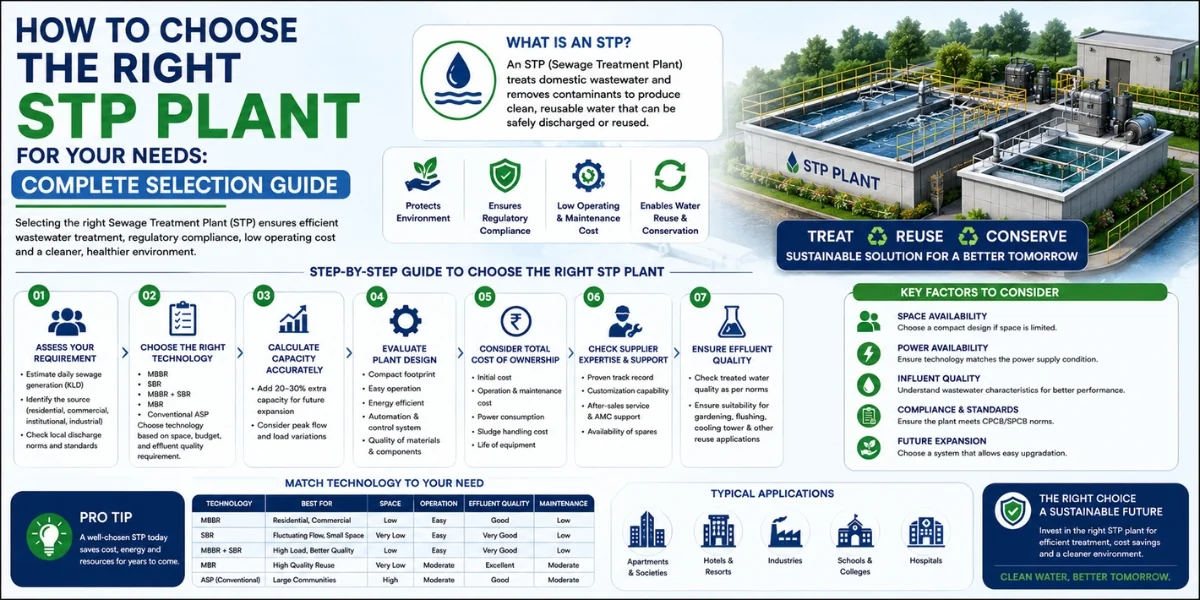
Every sewage treatment plant looks similar on a spec sheet, but the wrong choice on capacity or technology means non-compliance, high operating cost, or a system you outgrow within two years. This guide breaks down exactly what to check before you buy.
Speak directly with our senior environmental engineers for technical guidance, sizing calculations, or a tailored project proposal.
Call +91-9821030072 or email enquiry@trityenviro.com
Learn how Sewage Treatment Plants in hospitals protect public health, ensure compliance with regulations, and contribute to water recycling and environmental sustainability.
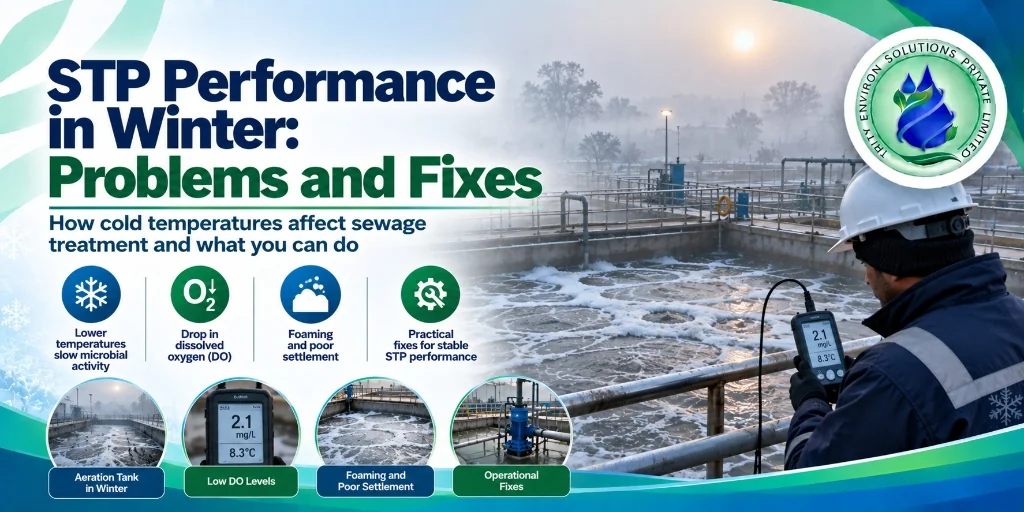
Trity Enviro explains why STPs struggle in winter: slow nitrification, high ammonia, poor settling and foam. Practical fixes to keep treated water compliant.
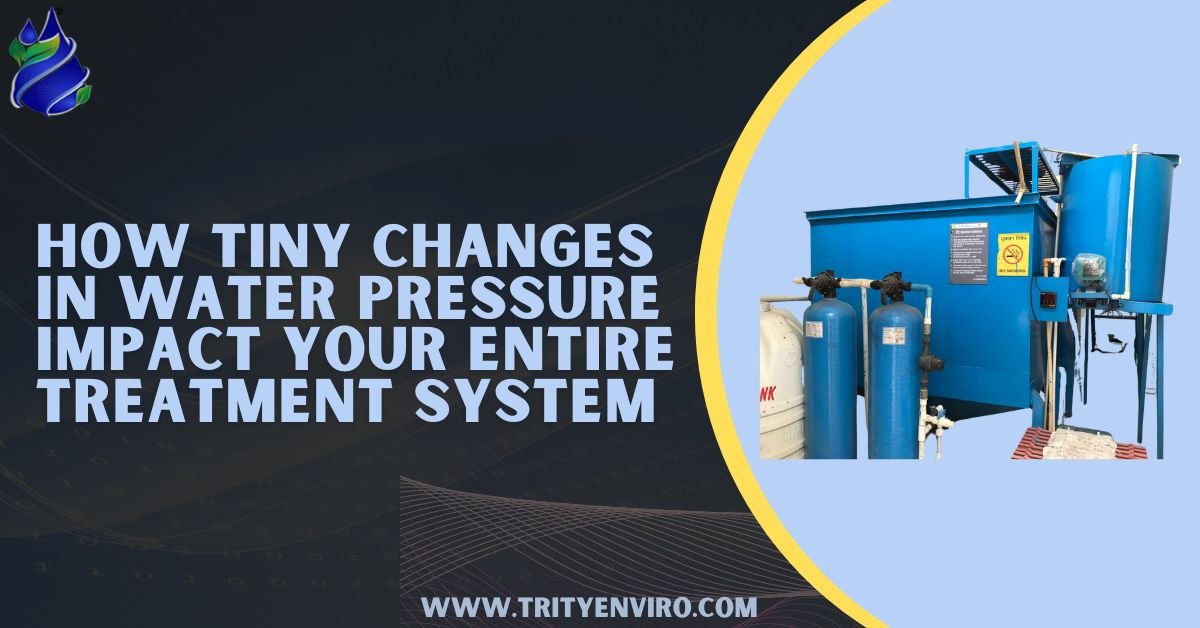
Learn how small changes in water pressure affect treatment systems, causing inefficiency, equipment wear, and poor water quality. Discover monitoring and regulation strategies.











Discuss your requirements with our engineering team and get practical guidance for your project.

